 Funky Millions
Sulfate-Free Shampoo: Who Actually Needs It?
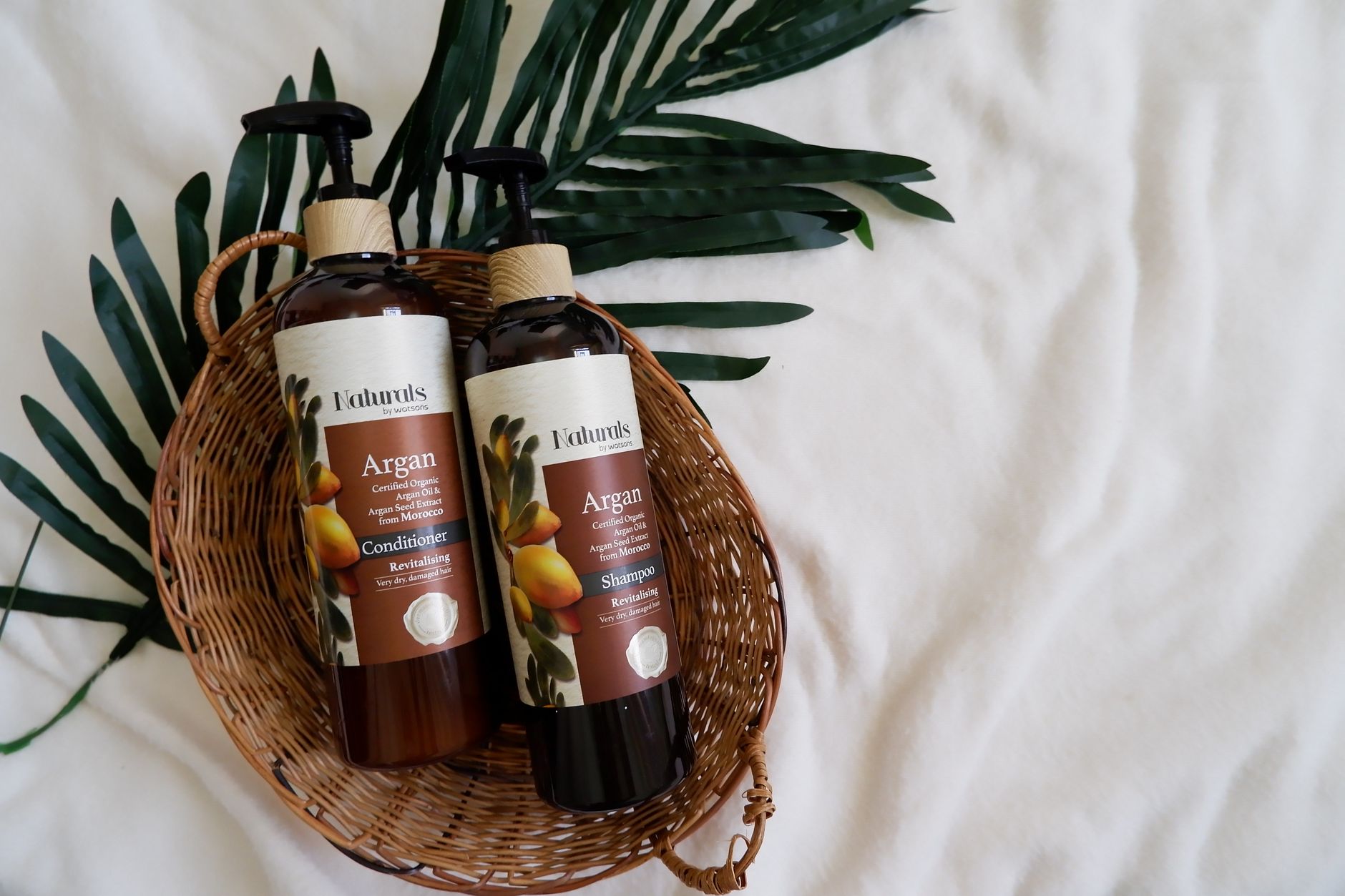
Learn what sulfate-free shampoo actually means, the real pros and cons, and whether switching is genuinely necessary for your hair type.
Quick summary
Key Takeaways
- Sulfates are effective surfactants that create lather and remove oil and dirt, commonly represented by SLS and SLES in shampoo formulations.
- Sulfate-free shampoo's popularity grew from a combination of irritation concerns, color-fading worries, and the natural hair movement's emphasis on gentler cleansing.
- Sulfate shampoo remains a reasonable, effective choice for oily scalps, heavy product users, and non-color-treated hair without reported sensitivity issues.
- While sulfate-free shampoos are often priced higher due to both genuine ingredient cost differences and premium marketing positioning, mid-range options frequently perform well for general use, with higher-end pricing best reserved for specific, specialized concerns.
- Sulfate-free shampoo cleans adequately for most routine needs but may require periodic sulfate-based clarifying shampoo for those using heavy products or managing significant oil production.
- Sulfates are considered safe by major regulatory bodies for use in rinse-off products like shampoo, with irritation potential and color-stripping being the primary substantiated concerns, rather than the more dramatic safety claims sometimes circulated without strong supporting evidence.
- A one-to-two-week adjustment period is common when switching to sulfate-free shampoo, and persistent issues beyond a full month suggest a hybrid approach with periodic clarifying, rather than abandoning sulfate-free products entirely.
Sulfate-free shampoo has become a default recommendation across much of the hair care industry, but the reasoning behind switching is often oversimplified or misunderstood. Understanding what sulfates actually do, who genuinely benefits from avoiding them, and who can continue using sulfate shampoo without concern helps you make a decision based on your specific hair needs rather than blanket trend-following.
What Are Sulfates?
Sulfates are a category of surfactants, cleansing agents that create lather and help remove oil and dirt, commonly used in shampoos. The most frequently discussed sulfates in hair care are sodium lauryl sulfate (SLS) and sodium laureth sulfate (SLES), both effective, inexpensive cleansing agents that have been used in personal care products for decades.
How Sulfates Clean Hair
Sulfates work by binding to both water and oil molecules, allowing oil, dirt, and product residue to be lifted from the hair and scalp and rinsed away with water. This mechanism is highly effective, which is part of why sulfates have remained popular cleansing agents despite growing interest in alternatives, they simply clean thoroughly and reliably.
Why Sulfate-Free Shampoo Became Popular
The shift toward sulfate-free formulations gained momentum for several converging reasons: reports of scalp and skin irritation in sensitive individuals, concerns about color fading in color-treated hair (since sulfates can strip color pigment along with oil and dirt), and the natural, curly hair community's growing influence, which emphasized gentler cleansing methods better suited to naturally drier hair textures.
Who Benefits From Sulfate-Free Shampoo
- Color-treated hair, since sulfates can accelerate color fading by stripping pigment along with oil and residue
- Curly and coily hair types, which tend to be naturally drier and can be further dried out by sulfates' thorough cleansing action
- Sensitive scalps, which may experience irritation or excessive dryness from sulfate-based formulas
- Those following the curly girl method or similar moisture-focused routines, where sulfate avoidance is often a core principle
Our guide on the curly girl method discusses sulfate avoidance as part of this specific hair care philosophy.
Who Can Continue Using Sulfate Shampoo
- Oily scalps, which often benefit from sulfates' thorough cleansing action to manage excess oil effectively
- Those using heavy styling products regularly, since sulfates more effectively remove buildup than many sulfate-free alternatives
- People without reported sensitivity or irritation, who may not experience any downside from continued sulfate use
- Non-color-treated hair, which does not face the same color-fading concern
Sulfate-Free vs. Sulfate Shampoo Comparison Table
| Feature | Sulfate-Free Shampoo | Sulfate Shampoo |
|---|---|---|
| Cleansing strength | Gentler, less thorough | Strong, thorough |
| Color retention | Better preserves color | Can accelerate color fading |
| Lather | Often less rich lather | Rich, thorough lather |
| Best for | Dry, curly, color-treated, sensitive scalps | Oily scalps, heavy product users |
| Buildup removal | Less effective | More effective |
Sulfate-Free Shampoo Pricing and Value
Sulfate-free shampoos are frequently priced higher than their sulfate-based counterparts, and understanding why can help you evaluate whether the premium is justified for your specific situation rather than assuming higher price always correlates with meaningfully better results.
Part of the price difference reflects genuinely more expensive raw ingredients, gentler, plant-derived surfactants like decyl glucoside typically cost more to source and formulate with than traditional sulfates, which are inexpensive and highly effective at their core function. Part of the premium also reflects marketing positioning, since sulfate-free formulas are often marketed as premium, natural, or salon-quality products, commanding a price point beyond what the ingredient cost difference alone would justify.
For those on a tighter budget, it is worth knowing that not every situation requires the most expensive sulfate-free option available. Mid-range sulfate-free formulas from mainstream drugstore brands often perform comparably to pricier alternatives for general use, with the more significant price jump typically justified only for specialized concerns like color-treated hair needing specific bond-protecting technology, or highly sensitive scalps needing a more extensively tested, dermatologist-recommended formula.
Common Sulfate-Free Alternatives
Sulfate-free shampoos typically use gentler surfactants such as:
- Cocamidopropyl betaine, derived from coconut oil, offering mild cleansing
- Sodium cocoyl isethionate, a gentle coconut-derived surfactant
- Decyl glucoside, a plant-derived, very mild surfactant
These alternatives generally produce less lather than sulfates and may require slightly more product or a longer massage time to achieve thorough cleansing.
Does Sulfate-Free Shampoo Clean as Well?
Generally, sulfate-free formulas clean less aggressively than sulfate-based shampoo, which is precisely why they are gentler on the scalp and better at preserving color and natural oils. For most people using moderate amounts of styling product and washing regularly, sulfate-free shampoo cleans adequately. For those using heavy products or with naturally very oily scalps, sulfate-free shampoo alone may not fully remove buildup, potentially requiring periodic clarifying shampoo (which is typically sulfate-based) to supplement the gentler daily routine.
Sulfate-Free Shampoo and Color-Treated Hair
This is one of the clearest, most evidence-supported reasons to choose sulfate-free formulas. Color molecules, particularly in semi-permanent and demi-permanent color, sit closer to the hair's surface and are more vulnerable to being stripped by sulfates' strong cleansing action. Switching to sulfate-free shampoo after coloring can meaningfully extend how long color remains vibrant between salon visits.
The Regulatory and Safety Context Behind Sulfate Concerns
Sulfates have occasionally been the subject of broader safety concerns circulating online, sometimes conflating cosmetic-grade sulfates with unrelated industrial chemicals or overstating cancer risk claims that are not supported by current regulatory review. Understanding the actual regulatory context helps separate legitimate, practical reasons to consider sulfate-free options (irritation, color fading, dryness) from less substantiated broader safety claims.
Major regulatory bodies, including cosmetic ingredient safety panels in the United States and the European Union, have reviewed sodium lauryl sulfate and sodium laureth sulfate extensively and consider them safe for use in rinse-off products like shampoo at the concentrations typically used in cosmetic formulations. The primary substantiated concern with sulfates remains irritation potential for sensitive skin and scalps, along with their well-documented tendency to strip color and natural oils, rather than the more dramatic safety claims sometimes associated with these ingredients in less rigorous online sources.
This distinction matters because it helps set appropriate priorities: if you experience genuine scalp irritation, notice accelerated color fading, or have naturally dry hair, these are legitimate, well-supported reasons to consider sulfate-free alternatives. If your primary motivation is a vague sense that sulfates are broadly "toxic" based on unverified claims, it may be worth focusing instead on the specific, practical factors that actually apply to your hair and scalp.
Common Mistakes to Avoid
Switching to Sulfate-Free Without a Clear Reason
If you have oily hair, use heavy products, and have never experienced irritation or excessive color fading, switching to sulfate-free shampoo purely because it is trending may not provide any meaningful benefit and could even leave hair feeling less clean.
Never Clarifying With a Sulfate Shampoo
Even dedicated sulfate-free users often benefit from occasional sulfate-based clarifying washes to remove buildup that gentler formulas cannot fully address.
Assuming All Sulfate-Free Shampoos Are Equally Gentle
Formulations vary, and some sulfate-free shampoos still contain other potentially irritating ingredients. Sulfate-free labeling alone does not guarantee a product is universally gentle or non-irritating.
Expecting the Same Lather From Sulfate-Free Formulas
Sulfate-free shampoos typically produce less lather, which does not necessarily mean they are cleaning less effectively, though this can take some adjustment for those used to a rich, foamy lather.
Transitioning to Sulfate-Free Shampoo: What to Expect
Switching from sulfate to sulfate-free shampoo often comes with an adjustment period that surprises people who expect an immediate, seamless transition, and understanding what to expect can prevent an unnecessarily early return to sulfate formulas out of frustration.
Many people notice their hair feels different, sometimes less "clean" or slightly more textured, during the first one to two weeks of using sulfate-free shampoo, particularly if they are also dealing with existing buildup from previous sulfate use or heavy styling products. This is sometimes referred to informally as a transition period, during which the scalp and hair may need time to adjust to the gentler cleansing action, and any residual buildup from prior products gradually clears through consistent use.
If hair still feels weighed down or less clean after a full month of consistent sulfate-free use, this may indicate that your specific hair type or product usage genuinely needs more thorough cleansing than sulfate-free formulas alone provide, which is where the hybrid approach discussed earlier, incorporating periodic sulfate-based clarifying washes, becomes particularly relevant rather than assuming the sulfate-free approach has simply failed.
- Choose based on your specific hair needs, not trends alone, weighing factors like color treatment, oil production, and any history of scalp sensitivity.
- Consider a hybrid approach: sulfate-free for regular washing, sulfate-based clarifying shampoo periodically for thorough buildup removal.
- Give sulfate-free shampoo adequate massage time, since its gentler surfactants may need slightly longer contact to cleanse thoroughly.
- Pair with color-safe practices if color-treated, including washing in cooler water and reducing overall washing frequency.
Conclusion
Whether sulfate-free shampoo is right for you depends on genuine factors specific to your hair, color treatment, natural texture, scalp sensitivity, and oil production, rather than trend-following alone. Color-treated and curly hair types tend to benefit most clearly, while oily scalps and heavy product users may continue to find sulfate shampoo effective and appropriate. Many people find a hybrid approach, combining the gentleness of sulfate-free daily washing with periodic sulfate-based clarifying, offers the best of both approaches.
For more on a hair care philosophy that often incorporates sulfate avoidance, see our guide on the curly girl method.
Category: Hair Care
Tags: sulfate-free shampoo, sulfates, SLS, SLES, color-treated hair, curly hair shampoo, gentle cleansing, hair care basics, clarifying shampoo, scalp sensitivity
Frequently Asked Questions
References
Last updated
This article is for informational purposes only and does not constitute medical advice. Consult a licensed dermatologist or healthcare provider before starting any new treatment.
Beauty & Hair Care Editor
Amanda Gurton is a beauty editor and researcher with a focus on translating dermatology and trichology insights into clear, actionable advice. She covers skincare routines, hair health, ingredient science, and everyday beauty habits.
Comments (0)
Be the first to comment.
Related Articles
Silicone-Free Haircare: What It Means and Who Needs It
Learn what silicone-free haircare means, why some people avoid silicones, and whether switching is right for your hair type.
Scalp Buildup: Signs You Have It and How to Remove It
Learn the signs of scalp buildup, what causes it, and effective methods to safely remove product and oil buildup from your scalp.
Leave-In Conditioner 101: How and When to Use It
Learn what leave-in conditioner does, how it differs from regular conditioner, and how to use it correctly for your hair type.
How Heat Protectant Actually Works (and When It Fails)
Learn how heat protectant actually works at a chemical level, its real limitations, and how to use it correctly to prevent heat damage.