 Funky Millions
Leave-In Conditioner 101: How and When to Use It
Learn what leave-in conditioner does, how it differs from regular conditioner, and how to use it correctly for your hair type.
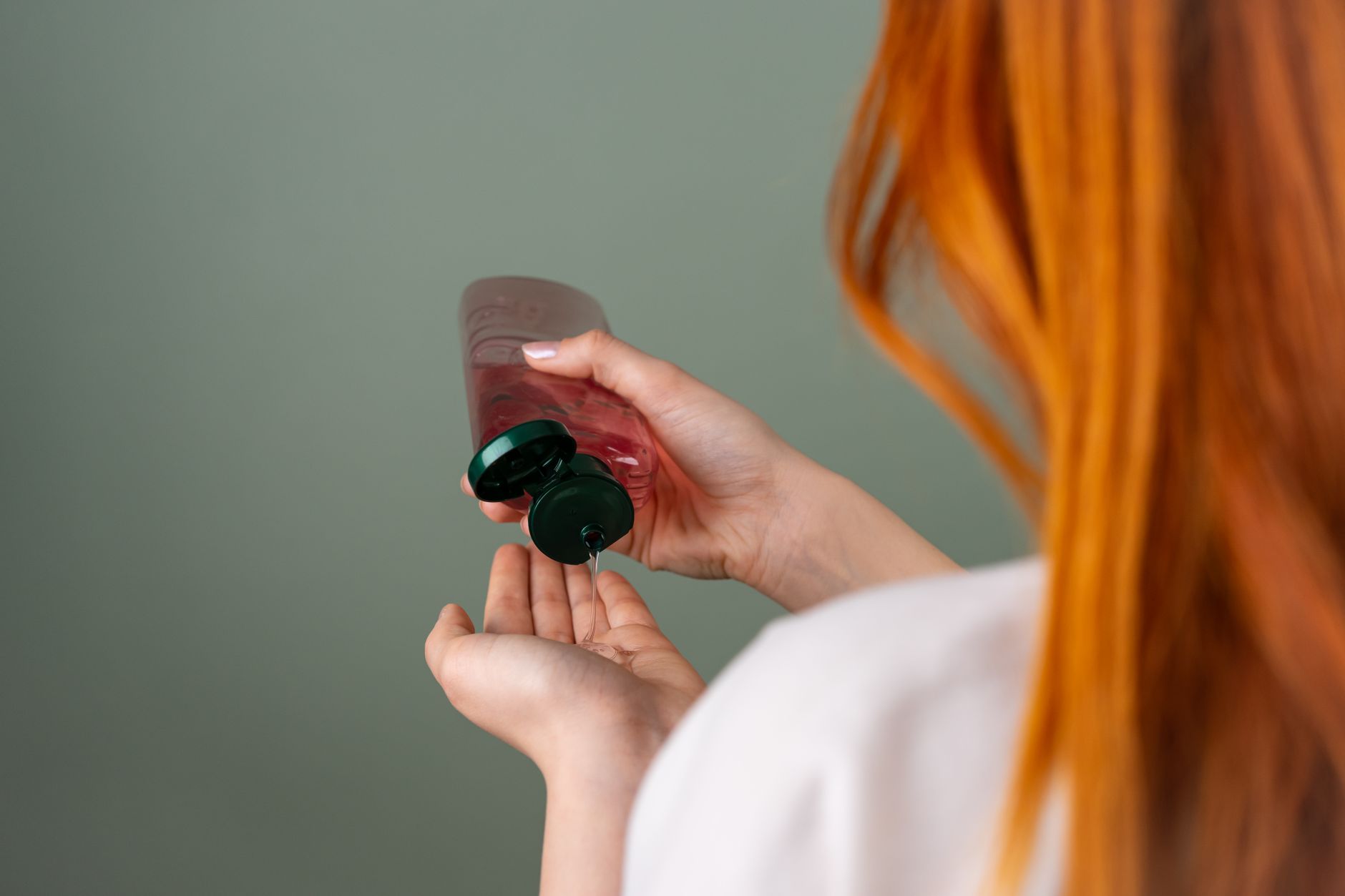
Quick summary
Key Takeaways
- Leave-in conditioner remains in the hair after application, providing ongoing hydration and manageability benefits between wash days.
- Leave-in conditioner is intentionally lighter than rinse-out conditioner, since it needs to remain comfortable on the hair for extended periods without rinsing.
- Applying leave-in conditioner to damp hair, distributed through mid-lengths and ends, provides the foundation for further styling while avoiding scalp buildup.
- Leave-in conditioner generally works best as an early, foundational layer in a styling routine, applied before thicker products like creams and gels, following a general thin-to-thick layering order.
- Starting with less product and building up as needed helps avoid the greasy, weighed-down look that overusing leave-in conditioner can cause, particularly for fine hair.
- Understanding whether a leave-in conditioner relies primarily on humectants, proteins, or silicones helps you choose a formula that matches your hair's specific porosity, protein, and buildup-sensitivity needs rather than choosing based on branding alone.
- Leave-in conditioner offers practical benefits beyond standard daily use, including protecting hair before swimming, refreshing hair during air travel, and reviving texture on non-wash days.
Leave-in conditioner is one of the most versatile products in hair care, yet many people either skip it entirely or use it incorrectly, missing out on benefits that a rinse-out conditioner alone cannot provide. This guide covers exactly what leave-in conditioner does, how it differs from regular conditioner, and how to use it correctly across different hair types.
What Is Leave-In Conditioner?
Leave-in conditioner is a lightweight conditioning product applied to damp or dry hair after washing and left in rather than rinsed out. It typically provides ongoing hydration, detangling benefits, and some protection throughout the day, functioning as a bridge between your wash-day routine and your daily styling needs.
How Leave-In Differs From Regular Conditioner
Regular, rinse-out conditioner is typically more concentrated and richer, designed to be applied, allowed to sit briefly, and then thoroughly washed out. Leave-in conditioner is formulated to be lighter and more diluted, since it remains on the hair without rinsing, meaning a heavier formula would likely feel greasy or weighed down over an extended period. Both serve complementary, not interchangeable, roles.
Benefits of Using Leave-In Conditioner
- Ongoing hydration throughout the day, particularly valuable for dry or porous hair types
- Improved detangling, making hair easier to comb or brush without excessive breakage
- Some heat protection, though not a full substitute for a dedicated heat protectant
- Reduced frizz, particularly in humid conditions
- A base layer for styling products, helping subsequent products distribute more evenly
Who Needs Leave-In Conditioner Most
- Curly and coily hair types, which tend to be naturally drier and benefit significantly from ongoing hydration
- Color-treated or chemically processed hair, which often needs extra moisture support between wash days
- Those who heat style regularly, since leave-in conditioner provides an additional layer of manageability and mild protection
- Anyone with high porosity hair, which loses moisture quickly and benefits from consistent hydration support
Our guide on high porosity hair care discusses leave-in conditioner's particular value for this porosity type.
Types of Leave-In Conditioners
| Format | Texture | Best For |
|---|---|---|
| Spray/mist | Lightweight, liquid | Fine hair, daily refreshing |
| Cream | Medium to rich | Curly, coily, thicker hair types |
| Milk | Lightweight, liquid-to-cream | Fine to medium hair wanting light hydration |
| Serum/oil-based | Lightweight to medium | Adding shine and frizz control on top of hydration |
How to Apply Leave-In Conditioner Correctly
Step 1: Apply to Damp Hair
Leave-in conditioner is most commonly applied to damp, towel-dried hair immediately after washing, though some formulas are designed for dry hair touch-ups as well.
Step 2: Distribute Evenly
Work the product through your hair using your fingers or a wide-tooth comb, focusing on mid-lengths and ends, which tend to need the most moisture support.
Step 3: Avoid the Scalp (Generally)
Unless a product is specifically formulated for scalp application, most leave-in conditioners are best applied to the hair itself rather than directly onto the scalp, where it could contribute to buildup.
Step 4: Layer With Other Products as Needed
Leave-in conditioner often serves as the first step in a styling routine, followed by additional products like curl creams, gels, or oils.
Leave-In Conditioner by Hair Type
| Hair Type | Recommended Format and Amount |
|---|---|
| Fine, straight | Lightweight spray, used sparingly |
| Wavy | Light cream or spray |
| Curly | Cream, moderate amount |
| Coily | Rich cream, generous amount |
| Color-treated | Formula with added antioxidants or bond-support ingredients |
Comparison Table: Leave-In Formats
| Format | Ease of Application | Hydration Level | Risk of Weighing Down Hair |
|---|---|---|---|
| Spray | Very easy, even distribution | Light | Low |
| Cream | Moderate, requires distribution | Moderate to high | Moderate, especially for fine hair |
| Milk | Easy | Light to moderate | Low |
| Serum/oil | Easy, but requires careful amount | Moderate | Moderate, depends on oil weight |
Layering Leave-In Conditioner With Other Styling Products
Leave-in conditioner rarely operates in isolation, it typically serves as the foundational first layer in a broader styling routine, and understanding proper layering order helps each subsequent product perform as intended rather than fighting against poorly sequenced application.
As a general rule, products should be layered from thinnest to thickest consistency, meaning leave-in conditioner, often one of the lighter products in a routine, typically comes early, followed by progressively richer products like curl creams, gels, or styling creams, and finishing with any oils used to seal the style. Applying a heavy styling cream before a lightweight leave-in, for example, can prevent the leave-in from properly distributing and reaching the hair shaft, since the heavier product has already coated the surface.
For those using multiple products in sequence, allowing a brief pause between each layer, even just the time it takes to move from one section of hair to the next, helps avoid the products blending together in a way that can create a slightly clumpy or uneven texture rather than smooth, distinct layers each doing their intended job.
Can You Use Too Much Leave-In Conditioner?
Yes, particularly for fine hair, which can quickly look greasy or weighed down with excessive leave-in product. Starting with a small amount and adding more as needed, rather than applying a large amount upfront, helps avoid this common issue. Thicker, coarser, or more porous hair types generally tolerate a more generous application without the same weighing-down risk.
Leave-In Conditioner Ingredients Worth Understanding
Beyond format, understanding a few key ingredient categories commonly found in leave-in conditioners can help you choose more precisely based on your hair's specific needs rather than relying on marketing claims alone.
Humectants, such as glycerin, honey, and aloe vera, are common in leave-in formulas and work by drawing moisture into the hair, making them particularly valuable for low to medium porosity hair that benefits from help absorbing and retaining hydration throughout the day. In very dry or low-humidity climates, however, heavy reliance on humectants without an accompanying sealing ingredient can sometimes backfire, since humectants can pull moisture from the hair itself when there is insufficient ambient moisture in the air to draw from instead.
Lightweight proteins, often hydrolyzed forms like hydrolyzed keratin or wheat protein, appear in many leave-in conditioners marketed toward damaged or chemically treated hair, offering a gentle, low-dose structural support that complements rather than replaces a dedicated, more concentrated protein treatment. Silicones, discussed in more depth in our dedicated guide on silicone-free haircare, also appear frequently in leave-in formulas specifically for their smoothing and frizz-reducing properties, making ingredient list awareness relevant here too if buildup has been a concern in your routine.
Common Mistakes to Avoid
Applying to Completely Dry Hair When Not Formula-Appropriate
Some leave-in conditioners are specifically formulated for damp hair application, and using them on already-dry hair can lead to uneven distribution or a less effective result.
Using a Rich, Cream-Based Leave-In on Very Fine Hair
Choosing a leave-in format that is too heavy for your hair type is one of the most common reasons people feel their hair looks greasy or flat despite following a seemingly reasonable routine.
Skipping Leave-In Entirely Because of Past Bad Experiences
If a specific leave-in conditioner felt too heavy or ineffective, trying a different format (spray versus cream, for example) rather than avoiding the product category entirely often resolves the issue.
Applying Directly to the Scalp Without a Scalp-Specific Formula
Most leave-in conditioners are formulated for the hair shaft, not the scalp, and applying them directly to the scalp can contribute to buildup over time.
Leave-In Conditioner for Special Situations
Beyond everyday use, leave-in conditioner plays a particularly useful role in a few specific situations that go beyond standard wash-day and styling routines, worth keeping in mind as circumstances arise.
For swimming, whether in chlorinated pools or saltwater, applying a leave-in conditioner before getting in the water creates a protective barrier that can reduce how much chlorine or salt actually penetrates and dries out the hair shaft, a simple preventive step that is easy to forget but genuinely helpful for anyone who swims regularly. For air travel, the notoriously dry, low-humidity air inside an airplane cabin makes leave-in conditioner a useful mid-flight refresh, particularly a lightweight spray formula that can be reapplied without needing access to a sink or shower.
For second- or third-day hair between washes, a light misting of leave-in conditioner, focused on the ends rather than the roots, can help refresh texture and reduce the dry, straw-like feeling that sometimes develops as natural oils redistribute unevenly, without requiring a full rewash that would disrupt an otherwise successful style.
- Choose your format based on hair type and porosity, not just brand popularity or marketing claims.
- Start with a small amount and build up gradually to avoid over-application, particularly for fine hair.
- Focus application on mid-lengths and ends, which typically need the most moisture support.
- Reapply lightly midday if needed, particularly a lightweight spray formula, to refresh hydration without a full reapplication.
Conclusion
Leave-in conditioner fills an important gap between wash-day conditioning and daily styling, providing ongoing hydration, detangling support, and mild protection that a rinse-out conditioner alone cannot offer. Choosing the right format and amount for your specific hair type, and applying it correctly to damp hair focused on mid-lengths and ends, allows you to get the full benefit of this versatile product without the common pitfalls of over-application or format mismatch.
For more on choosing hydration strategies suited to your hair's specific needs, see our guide on high porosity hair care.
Category: Hair Care
Tags: leave-in conditioner, hair hydration, detangling, hair care basics, curly hair products, hair moisture, styling routine, hair care products, frizz control, daily hair care
Frequently Asked Questions
References
Last updated
This article is for informational purposes only and does not constitute medical advice. Consult a licensed dermatologist or healthcare provider before starting any new treatment.
Beauty & Hair Care Editor
Ilma is a beauty editor who specializes in breaking down cosmetic ingredients, skincare routines, and hair care practices. Her work focuses on evidence-based guidance readers can trust and apply.
Comments (0)
Be the first to comment.
Related Articles
How to Build an Efficient Wash Day Routine for Curly Hair
Learn how to build an efficient, effective wash day routine for curly hair, from pre-poo to styling, without spending your entire day on it.
Best Products for Each Hair Porosity Type
Find the best hair products for low, medium, and high porosity hair, with specific ingredient recommendations and application tips for each type.
Sulfate-Free Shampoo: Who Actually Needs It?
Learn what sulfate-free shampoo actually means, the real pros and cons, and whether switching is genuinely necessary for your hair type.
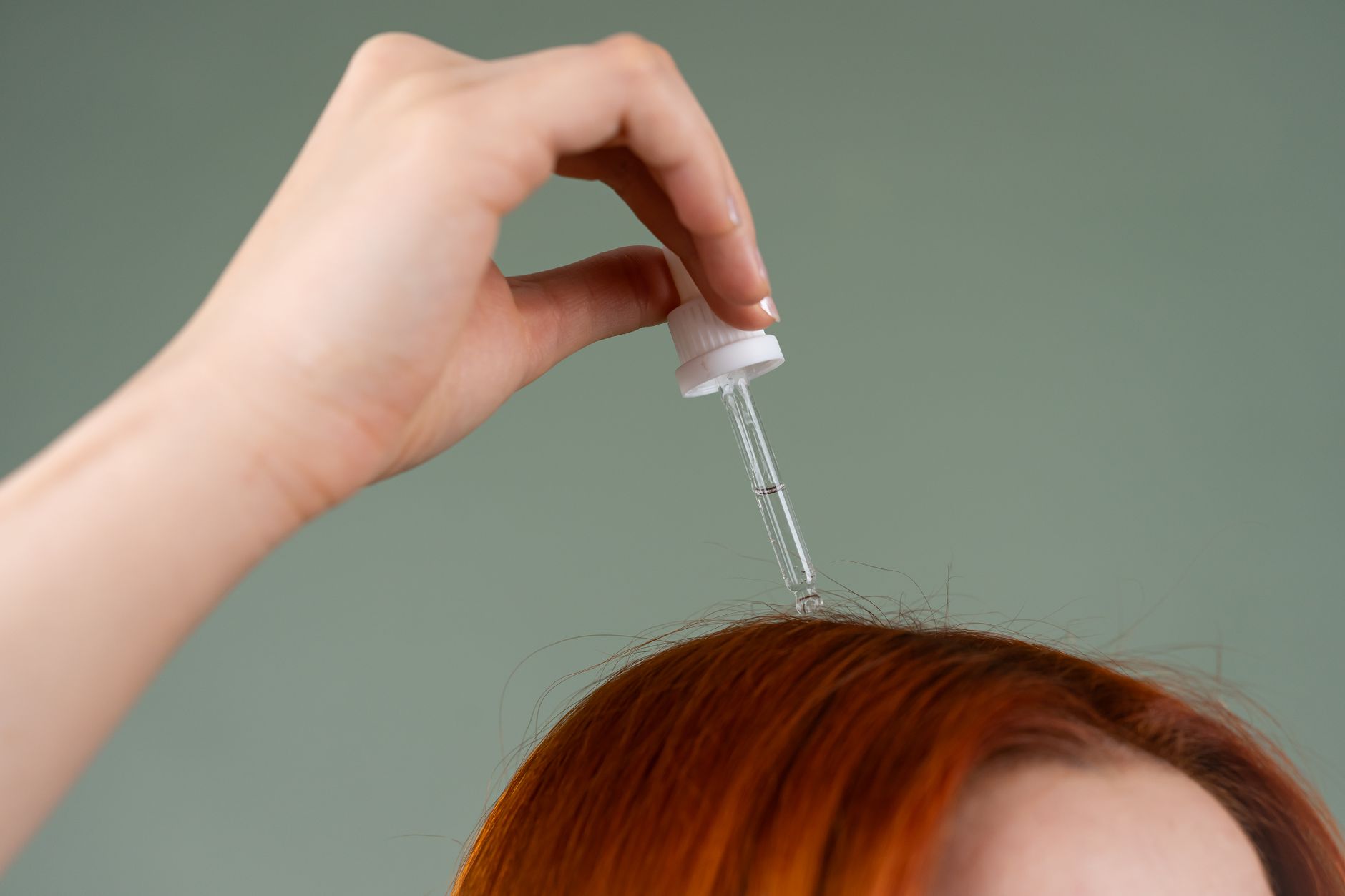
Scalp Buildup: Signs You Have It and How to Remove It
Learn the signs of scalp buildup, what causes it, and effective methods to safely remove product and oil buildup from your scalp.