 Funky Millions
Hair Breakage vs. Shedding: How to Tell the Difference
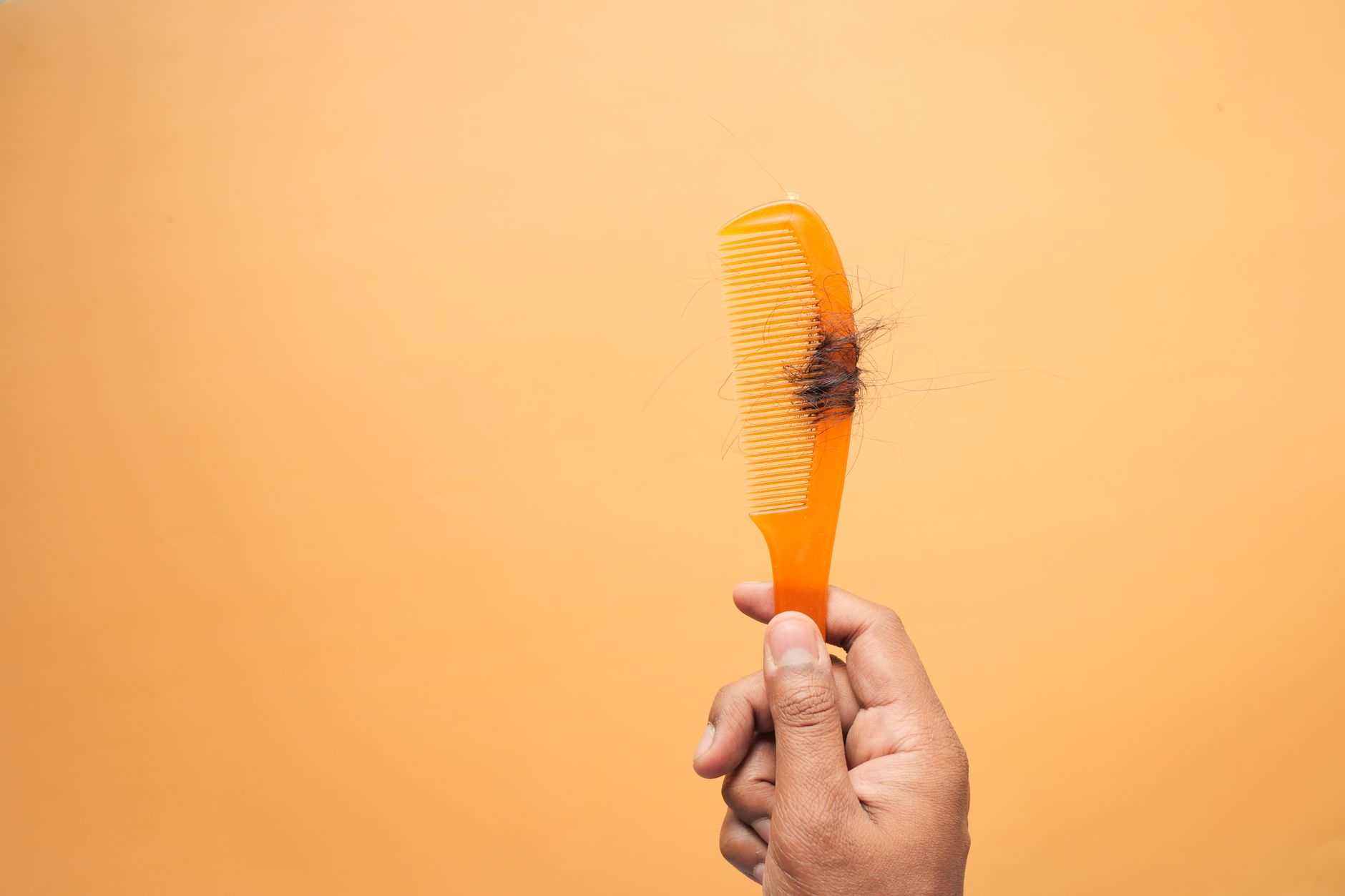
Hair breakage vs shedding: learn how to identify each one, what causes them, and the different solutions each problem requires.
Quick summary
Key Takeaways
- Shedding is a normal, expected part of the hair growth cycle, involving hairs falling out with their root intact.
- Breakage means the hair shaft has snapped mid-strand, indicating weakness or damage rather than a normal growth cycle process.
- The presence or absence of a root bulb, along with the hair's length and break pattern, is the clearest visual way to distinguish shedding from breakage.
- Checking for a root bulb on a sample of lost hairs is a simple, reliable way to distinguish shedding from breakage at home.
- Addressing shedding often means identifying and addressing an underlying trigger, hormonal, nutritional, or stress-related, rather than a hair care product solution.
- Addressing breakage means identifying and reducing the specific mechanical, chemical, or protein-moisture factors contributing to hair weakness.
- Breakage concentrated at the ends usually reflects normal cumulative aging of the oldest hair, while breakage occurring mid-shaft or near the roots often signals a more recent, active stressor worth investigating directly.
Finding more hair than usual around your home or in your brush is alarming, but breakage and shedding are two entirely different problems with different causes and different solutions. Confusing one for the other often leads people toward hair growth supplements when their real issue is breakage, or toward protein treatments when their real issue is a shedding pattern that needs an entirely different approach. This guide explains how to tell them apart and address each correctly.
What Is Hair Shedding?
Hair shedding is a normal part of the hair growth cycle, where hairs that have completed their growth phase naturally fall out, typically at a rate of 50 to 100 hairs per day. Shed hairs come out with the root intact and are a routine, expected part of healthy hair turnover, not a sign of damage. Our guide on the hair growth cycle explains the biological process behind normal shedding in detail.
What Is Hair Breakage?
Hair breakage occurs when the hair shaft itself snaps somewhere along its length, rather than falling out from the root. Breakage is a sign of hair weakness or damage, often resulting from mechanical stress, chemical processing, or a protein-moisture imbalance, and unlike shedding, it is not a normal or expected part of healthy hair function.
Key Visual Differences
- Shed hairs: typically have a small, white or translucent bulb at one end (the root), and are usually close to your natural hair length
- Broken hairs: lack a bulb at either end, may be noticeably shorter than your natural length, and often show visible splitting, fraying, or a blunt, uneven break point
How to Test: The Bulb Check
Step 1: Collect Several Loose Hairs
Gather a small sample of hairs that have come out, whether from your brush, shower drain, or pillow.
Step 2: Examine Each Strand's End
Look closely (a magnifying glass can help) at both ends of each hair.
Step 3: Check for a Bulb
A small, translucent or white bulb at one end indicates the hair shed naturally from the root. A hair with no bulb at either end, particularly if it appears shorter than your typical length, suggests breakage.
Step 4: Note the Proportion
If most hairs you examine show a bulb, your hair loss is likely normal shedding. If many show no bulb and appear as fragments, breakage is likely a significant contributing factor.
Common Causes of Shedding
- Normal hair growth cycle turnover, the baseline expected cause
- Telogen effluvium, a stress-related condition causing temporarily increased shedding, typically two to three months after a triggering event
- Hormonal changes, including postpartum, menopause, or thyroid conditions
- Nutritional deficiencies, particularly iron, protein, or certain vitamins
Common Causes of Breakage
- Excessive heat styling without adequate protection
- Chemical processing (coloring, bleaching, relaxing, perming) that weakens the hair's protein structure
- Mechanical stress from tight hairstyles, aggressive brushing, or friction against rough fabrics
- Protein-moisture imbalance, where hair lacks the structural integrity or flexibility needed to withstand normal handling
- Environmental damage, including prolonged sun exposure and chlorine
Our guide on protein vs. moisture balancing hair treatments covers one of the most common underlying causes of breakage in more depth.
Comparison Table: Shedding vs. Breakage
| Feature | Shedding | Breakage |
|---|---|---|
| Root bulb present | Yes | No |
| Hair length | Typically full length | Often shorter, uneven |
| Underlying cause | Growth cycle, hormones, stress | Damage, chemical processing, mechanical stress |
| Where it occurs | Falls out from scalp | Snaps mid-strand |
| Solution focus | Address underlying health/hormonal factors | Improve hair strength, reduce mechanical/chemical stress |
| Typically normal amount | 50-100 hairs/day | Should be minimal in healthy hair |
How to Address Shedding
Step 1: Confirm the Pattern
Use the bulb check to confirm you are dealing with shedding rather than breakage.
Step 2: Consider Timing
If shedding increased noticeably two to three months after a stressful event, illness, or major life change, this pattern is consistent with telogen effluvium, which often resolves on its own within several months.
Step 3: Evaluate Nutrition
Ensure adequate iron, protein, and overall nutrition, since deficiencies can contribute to increased shedding.
Step 4: See a Doctor if Persistent
Shedding that continues beyond six months, or that comes with visible thinning, warrants medical evaluation to rule out underlying hormonal or health conditions.
How to Address Breakage
Step 1: Identify the Likely Cause
Consider recent chemical treatments, heat styling frequency, and any tight hairstyles that could be contributing to mechanical stress.
Step 2: Test Elasticity
Our guide on how to test hair elasticity can help identify whether a protein-moisture imbalance is contributing to breakage.
Step 3: Reduce Contributing Stressors
Scale back heat styling frequency, use heat protectant consistently, and consider protective styling to reduce mechanical stress.
Step 4: Address Protein-Moisture Balance
Based on elasticity testing, incorporate appropriate protein or moisture treatments to rebuild hair's structural integrity.
When to See a Dermatologist
Consider seeing a dermatologist if:
- Shedding significantly exceeds the normal range and persists beyond several months
- You notice visible thinning or bald patches, rather than diffuse, even hair loss
- Breakage continues despite addressing likely contributing factors
- Hair loss comes with other symptoms, like scalp pain, redness, or scaling
Where Breakage Occurs Along the Hair Shaft
Beyond distinguishing breakage from shedding, the specific location where breakage occurs along the hair shaft can offer additional diagnostic clues about its underlying cause, information worth paying attention to during your own assessment.
Breakage concentrated at the ends typically points toward cumulative damage from age, heat styling, and chemical processing, since the oldest part of any strand has simply endured the most accumulated stress over its lifespan, regardless of your current hair care habits. This pattern is common and often addressed effectively through regular trims combined with improved ongoing care, since the ends will always represent the most vulnerable, oldest hair on your head.
Breakage occurring closer to the mid-shaft or, less commonly, near the roots often points toward a more active, ongoing stressor rather than simple cumulative aging, such as a recent chemical service that went wrong, an allergic reaction to a product, or significant tension from a tightly installed hairstyle. This pattern warrants closer investigation into recent changes to your routine, since addressing an active ongoing cause is more urgent than the gradual, expected wear that end-concentrated breakage typically reflects.
Common Mistakes to Avoid
Treating Breakage With Hair Growth Supplements
Supplements marketed for hair growth address the growth cycle and follicle health, not existing structural damage causing breakage, meaning they will not resolve a breakage-driven problem.
Assuming All Hair Loss Is Shedding
Without checking for the presence of a root bulb, it is easy to misattribute breakage-related hair loss to normal shedding, delaying appropriate treatment.
Ignoring the Timing Pattern of Increased Shedding
Telogen effluvium's characteristic two-to-three-month delay after a triggering event is an important diagnostic clue that is easy to miss if you are only looking at recent circumstances.
Over-Treating Breakage With Protein When Moisture Is the Actual Issue
Not all breakage stems from protein deficiency. Testing elasticity first helps ensure you are addressing the correct side of the protein-moisture balance.
- Perform the bulb check on a sample of lost hairs before assuming either shedding or breakage is your primary issue.
- Track timing carefully if you suspect telogen effluvium, since the two-to-three-month delay is a key diagnostic clue.
- Test elasticity to guide protein-moisture treatment decisions for breakage-related concerns.
- Be patient with shedding-related concerns, since telogen effluvium often resolves on its own within several months once the underlying trigger has passed.
Conclusion
Understanding hair breakage vs shedding is essential for choosing the right solution, since these two problems have entirely different causes and require different approaches. Shedding typically reflects an internal, often hormonal or stress-related factor, while breakage reflects external damage or an internal protein-moisture imbalance affecting the hair shaft's structural integrity. The simple bulb check can quickly clarify which problem you are actually dealing with, guiding you toward an effective, appropriately targeted solution.
For more on addressing breakage specifically, see our guides on protein vs. moisture balancing hair treatments and how to test hair elasticity.
Category: Hair Care
Tags: hair breakage, hair shedding, telogen effluvium, hair loss, hair growth cycle, protein moisture balance, hair damage, hair care basics, hair health, hair elasticity
Frequently Asked Questions
References
Last updated
This article is for informational purposes only and does not constitute medical advice. Consult a licensed dermatologist or healthcare provider before starting any new treatment.
Beauty & Hair Care Editor
Ilma is a beauty editor who specializes in breaking down cosmetic ingredients, skincare routines, and hair care practices. Her work focuses on evidence-based guidance readers can trust and apply.
Comments (0)
Be the first to comment.
Related Articles
How to Test Hair Elasticity and Why It Matters
Learn how to test your hair's elasticity at home, what the results mean, and how to improve elasticity for stronger, healthier hair.
The Hair Growth Cycle Explained: Anagen, Catagen, Telogen
Learn how the hair growth cycle works, including the anagen, catagen, and telogen phases, and what disrupts normal hair growth patterns.
How to Test Your Hair Porosity at Home
Learn how to test your hair porosity at home with simple, reliable methods, and what your results mean for choosing the right hair products.
Deep Conditioner vs. Hair Mask: Do You Need Both?
Deep conditioner vs hair mask: learn the real differences, whether you need both, and how to choose the right treatment for your hair.