 Funky Millions
Deep Conditioner vs. Hair Mask: Do You Need Both?
Deep conditioner vs hair mask: learn the real differences, whether you need both, and how to choose the right treatment for your hair.
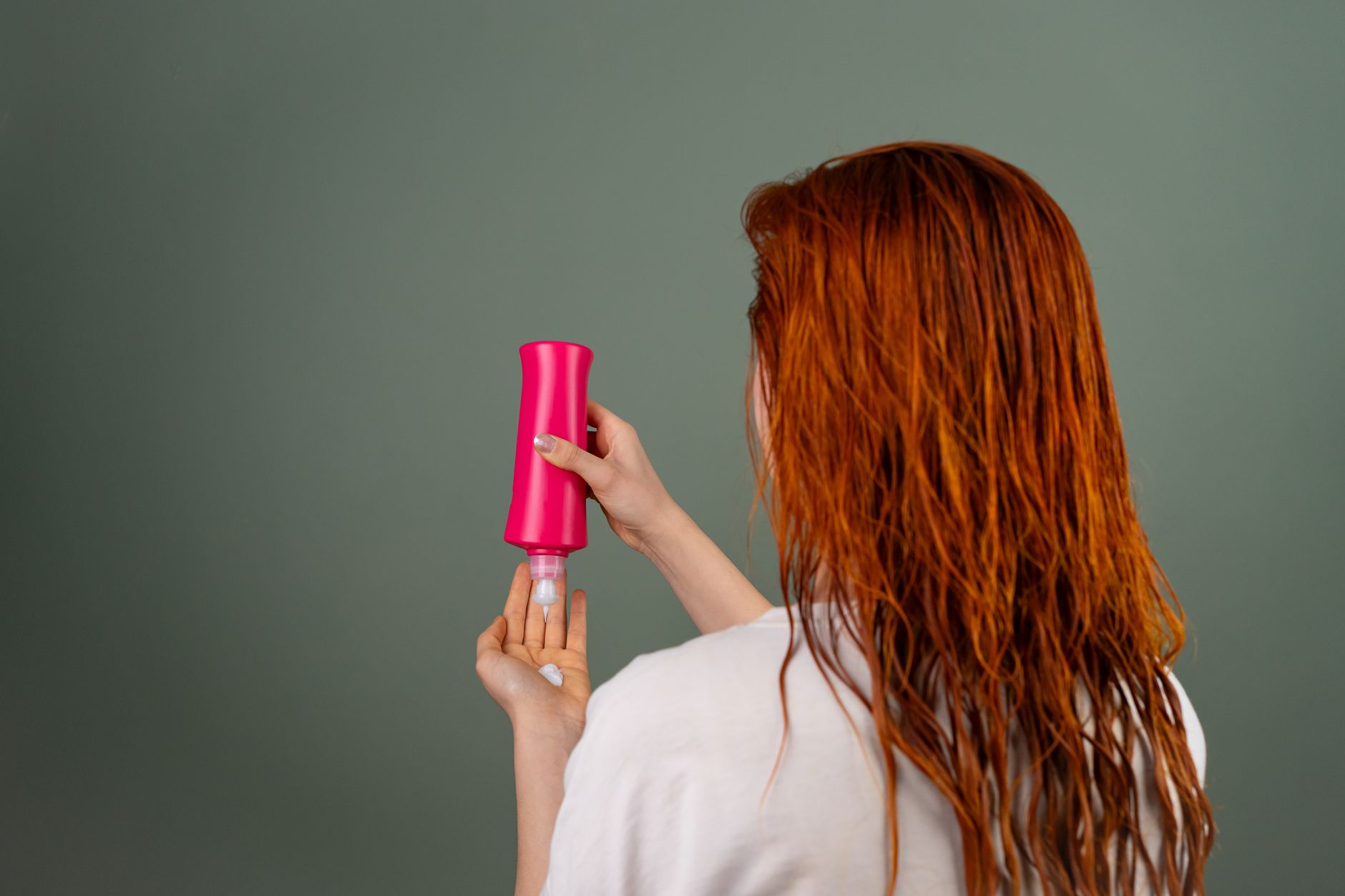
Quick summary
Key Takeaways
- Deep conditioners are intensive, longer-contact versions of regular conditioner, primarily focused on moisture and manageability.
- Hair masks tend to have more varied, sometimes more targeted formulations than deep conditioners, though the terminology is used inconsistently across brands.
- Rather than relying on product labels, look at the actual ingredient list and intended purpose to understand what a specific product will do for your hair.
- Deep conditioners tend to be more standardized moisture treatments, while hair masks vary more widely and sometimes target specific concerns beyond general moisture.
- Many people benefit from both a regular deep conditioner for maintenance and an occasional targeted hair mask for specific concerns, though a single well-chosen product can suffice for less complex hair care needs.
- Both treatments generally apply to clean, damp hair with a defined contact time, though hair masks, especially protein-focused ones, require more attention to frequency to avoid overuse.
- Low porosity hair generally benefits from longer, heat-assisted treatment application for both deep conditioners and masks, while high porosity hair absorbs treatments more quickly and benefits from following stated contact times more precisely to avoid protein overload.
- DIY deep conditioning and hair mask treatments can offer real benefits for casual, occasional use, but commercial products generally provide more consistent, predictable results for addressing specific, targeted hair concerns.
Deep conditioners and hair masks are often used interchangeably in casual conversation, and many products blur the line between the two categories even further, but there are meaningful formulation and functional differences worth understanding. Comparing deep conditioner vs hair mask helps clarify what each is actually designed to do, and whether your hair care routine genuinely benefits from having both.
What Is a Deep Conditioner?
A deep conditioner is typically a more intensive version of a regular rinse-out conditioner, formulated with a higher concentration of conditioning agents and left on the hair for a longer period, often 10 to 30 minutes, sometimes with heat, to allow deeper penetration. Deep conditioners generally focus on restoring moisture and manageability, making them a good regular maintenance step for most hair types.
What Is a Hair Mask?
A hair mask is often formulated with a broader or more targeted range of ingredients, which can include proteins, oils, butters, and specialized actives aimed at specific concerns like damage repair, color protection, or intense hydration. The term "mask" in hair care is used less consistently across brands than "deep conditioner," meaning product formulations vary more widely within this category.
The Real Difference: Formulation and Intent
In practice, the line between deep conditioners and hair masks has become increasingly blurred, and many products labeled as one could reasonably be marketed as the other. The most useful distinction to focus on is not the label itself but the actual ingredient list and intended purpose: is the product primarily moisture-focused (more deep-conditioner-like) or does it address a specific concern like protein repair, color protection, or intense damage recovery (more targeted-treatment-like, regardless of whether it is called a "mask" or "deep conditioner")?
Deep Conditioner vs. Hair Mask Comparison Table
| Feature | Deep Conditioner | Hair Mask |
|---|---|---|
| Typical focus | General moisture and manageability | Varies, sometimes more targeted (protein, damage repair, color protection) |
| Contact time | 10-30 minutes, often with heat | Varies, sometimes similar, sometimes shorter or longer |
| Frequency | Weekly, general maintenance | Varies, sometimes weekly, sometimes less frequent for intensive treatments |
| Formulation consistency across brands | More standardized | Less standardized, greater variation |
| Best for | Regular moisture maintenance | Specific, targeted concerns |
When to Use a Deep Conditioner
- As a regular, weekly maintenance step for most hair types, particularly curly, coily, color-treated, or generally dry hair
- After sun or chlorine exposure, to replenish moisture lost from environmental stress
- As part of a consistent routine rather than reserved only for visibly damaged or distressed hair
When to Use a Hair Mask
- When addressing a specific concern, such as intense dryness, protein deficiency, or post-color care
- Periodically, as an intensive treatment, rather than necessarily every wash day
- When your regular deep conditioner is not adequately addressing a persistent issue, suggesting a more targeted formula may help
Our guide on protein vs. moisture balancing hair treatments covers how to identify which specific type of treatment your hair actually needs.
Do You Need Both?
For many people, yes, though not necessarily used with the same frequency. A regular deep conditioner as part of your weekly wash routine, supplemented by a more targeted hair mask periodically (every few weeks or as needed for specific concerns), covers both ongoing maintenance and occasional intensive treatment needs. Others find that a single, well-formulated product covering both bases is sufficient, particularly if their hair does not have highly specific or severe concerns beyond general moisture maintenance.
How to Use Each Correctly
Deep Conditioner Application
- Apply to clean, towel-dried hair, focusing on mid-lengths and ends
- Leave on for 10-30 minutes, using a shower cap or heat source to enhance penetration if desired
- Rinse thoroughly with cool to lukewarm water
Hair Mask Application
- Apply to clean, damp hair, following the specific product's instructions for contact time
- For protein-focused masks, be mindful not to overuse, since excessive protein can cause stiffness
- Rinse thoroughly and follow with a lightweight leave-in if needed
Signs You Need One vs. the Other
| Symptom | Suggests |
|---|---|
| General dryness, dullness | Regular deep conditioner |
| Hair feels mushy, stretches excessively, lacks elasticity | Protein-focused hair mask |
| Hair feels stiff, brittle, breaks easily | Moisture-focused deep conditioner or hydrating mask |
| Color fading faster than expected | Color-protecting hair mask |
| Persistent damage despite regular deep conditioning | More targeted, intensive hair mask |
How Porosity Affects Treatment Choice and Timing
Hair porosity, covered in more depth in our dedicated guide, has a significant practical effect on how deep conditioners and hair masks should be applied and how long they should remain on the hair, beyond simply which ingredients to look for.
Low porosity hair, with its tightly closed cuticle, generally benefits from longer contact time and heat assistance for both deep conditioners and hair masks, since the resistant cuticle structure makes it harder for either treatment to penetrate without this extra help. Skipping heat or rushing the contact time on low porosity hair often means the treatment sits mostly on the surface rather than actually penetrating, regardless of how well-formulated the product itself is.
High porosity hair, by contrast, tends to absorb both types of treatment relatively quickly, meaning excessive contact time is less necessary and can, in some cases with protein-heavy formulas, actually increase the risk of protein overload if left on longer than the product recommends. For this porosity type, following the product's stated timing more precisely, rather than assuming longer is always better, tends to produce more balanced, predictable results.
Common Mistakes to Avoid
Using a Protein-Heavy Mask Too Frequently
Overusing protein treatments, thinking more is always better, can lead to stiff, brittle hair, particularly for those whose hair does not need frequent protein support.
Treating All "Mask" Products as Interchangeable
Given how inconsistently the term is used across brands, always check the actual ingredient list rather than assuming all hair masks serve the same function.
Skipping Regular Deep Conditioning in Favor of Occasional Masks Only
Regular maintenance moisture, through consistent deep conditioning, remains important even if you also use periodic targeted masks for specific concerns.
Not Adjusting Frequency Based on Your Hair's Actual Needs
Applying a rigid, generic schedule without observing how your hair responds can mean either overdoing treatments your hair does not need or under-treating persistent concerns.
DIY vs. Commercial Treatments
Both deep conditioners and hair masks have a long tradition of DIY versions using kitchen ingredients like avocado, honey, egg, and various oils, and understanding how these compare to commercial products can help inform whether a homemade approach is a reasonable substitute or a less reliable alternative.
DIY treatments can offer genuine benefits for certain concerns, honey's humectant properties and various oils' emollient qualities are legitimate, and many people enjoy the customization and lower cost DIY treatments offer. However, DIY formulations lack the stability testing, preservative systems, and precise ingredient concentrations that commercial products undergo, meaning results can be considerably less consistent from one application to the next, and some popular DIY ingredients, like raw egg, carry practical downsides, such as the difficulty of fully rinsing out egg protein without hot water, which can partially cook it and leave residue in hair.
For occasional, low-stakes moisture boosts, DIY treatments are a reasonable, low-cost option worth experimenting with. For more targeted concerns, particularly protein-moisture balance issues where precise formulation matters more, commercial products with tested, consistent formulations generally offer more reliable results.
- Read the actual ingredient list, not just the product name, to understand what a specific deep conditioner or hair mask will actually do.
- Balance protein and moisture treatments based on your hair's specific needs rather than defaulting to one type exclusively.
- Use heat during deep conditioning when possible, particularly for low porosity hair, to enhance product absorption.
- Reserve intensive, targeted masks for genuine specific concerns, rather than using them as a default replacement for regular conditioning.
Conclusion
The deep conditioner vs hair mask distinction matters less than understanding what a specific product's ingredients and intended purpose actually are, since both categories vary in formulation and the terminology is used inconsistently across brands. For most hair types, a regular deep conditioner for ongoing moisture maintenance, supplemented by a targeted hair mask for specific concerns as they arise, offers a balanced, effective approach.
For help identifying whether your hair needs more protein or more moisture, see our guide on protein vs. moisture balancing hair treatments, which pairs well with the porosity-based application tips covered above.
Category: Hair Care
Tags: deep conditioner, hair mask, hair treatment, protein treatment, moisture treatment, hair care routine, hair repair, conditioning treatment, hair care basics, hair damage
Frequently Asked Questions
References
Last updated
This article is for informational purposes only and does not constitute medical advice. Consult a licensed dermatologist or healthcare provider before starting any new treatment.
Beauty & Hair Care Editor
Ilma is a beauty editor who specializes in breaking down cosmetic ingredients, skincare routines, and hair care practices. Her work focuses on evidence-based guidance readers can trust and apply.
Comments (0)
Be the first to comment.
Related Articles
How to Test Hair Elasticity and Why It Matters
Learn how to test your hair's elasticity at home, what the results mean, and how to improve elasticity for stronger, healthier hair.
Bond-Building Hair Treatments Explained: Do They Work?
Learn how bond-building hair treatments actually work, whether the science holds up, and who benefits most from adding them to a routine.
Building a Hair Routine Around Porosity and Density Together
Learn how to build a hair care routine that accounts for both porosity and density together, with practical combinations and product strategies.
Hair Breakage vs. Shedding: How to Tell the Difference
Hair breakage vs shedding: learn how to identify each one, what causes them, and the different solutions each problem requires.