 Funky Millions
Coconut Oil Hair Treatment
Quick summary
Key Takeaways
- Use a small amount of coconut oil first, because too much can leave hair greasy and heavy.
- Warm coconut oil gently in hot water instead of applying direct heat.
- Dry, thick, damaged, or porous hair usually benefits most from coconut oil treatment.
- Shampoo thoroughly after treatment and adjust the frequency based on how your hair feels.
Who among us does not wish to have hair which is long, beautiful and full of life? Hair which is strong and flows down like a cascade of shimmer; yes, deep inside, we all crave for that! Damaged hair is one of the most depressing conditions which we face at some point in our lives. The reasons for hair damage are numerous but mostly it is our polluted environment and unhealthy diet plans. The hair does not have any protection left of its own and hence starts to die away also killing the zest of life.
Don’t Mourn!
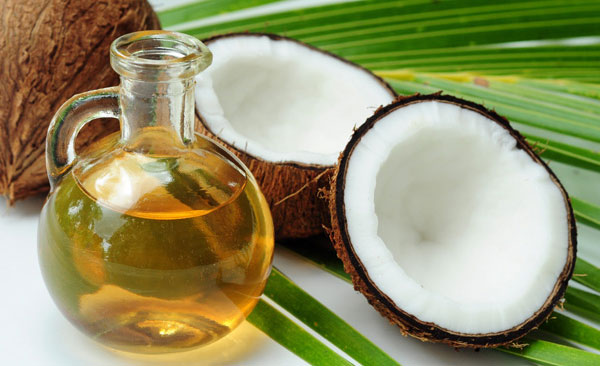
The time for mourning is over for you because the solution to your hair damage is very simple and easy. Coconut oil! It is not just any regular hair oil that you should take lightly. It contains within itself a deep chest of priceless treasures that are going to make your problems vanish into thin air. There are a number of ways in which you can use this oil to acquire maximum advantage from it. Coconut oil hair treatment is easy and can be done at home. You don’t have to have any long awaiting appointments with your dermatologist or salon; all you need is a bottle of coconut oil and some useful practical tips.
Why Coconut Oil?
Coconut oil hair treatment is one of the most effective methods of curing your hair issues. It is pure and natural and includes no chemicals or any kind of alcohol that could prove to be a damage, in the long run. It works equally well with skins that are extra sensitive. It contains such minerals and nutrients that can cure dandruff problems or hair, which has been damaged because of heat or chemicals. Other than that, just to maintain the health of healthy hair, you can use coconut oil regularly. Like other hair moisturizers which just sit on the scalp doing nothing, coconut oil is absorbed under the skin providing maximum advantage to the roots.
How to do a coconut oil hair treatment?
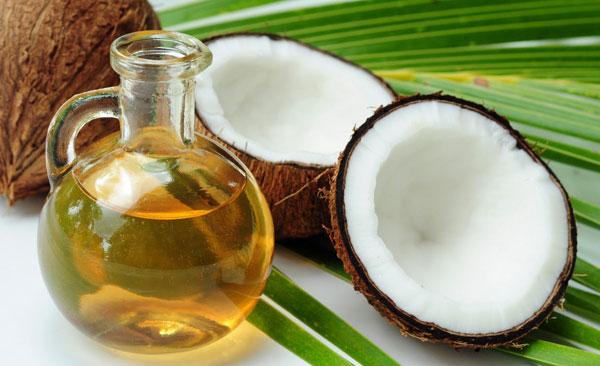
The most useful way of coconut oil hair treatment is the conventional method. Since coconut oil remains in a semi solid form even at room temperature, you first need to melt it by warming it a little. Do not apply direct heat as it can kill the useful nutrients. Spoon out some oil into a glass cup and place the cup in hot water bowl for a few minutes. The oil will automatically melt. Now apply the oil directly to your scalp and massage it gently on the roots using your fingertips. Circular movement of your tips is better. Massage is important as it enhances the blood circulation underneath the scalp. You can do this massage on damp hair as well because that is easier than running your fingers through dry hair.
After the application of oil, brush or comb your hair softly so that the oil spreads out evenly throughout the hair. You can also cover it with a shower cap. Leave it on your hair overnight because the more it stays on your hair, the better the results will be. It will have more time to work its charm on the hair. The next day, wash your hair using your regular shampoo. Shampoo it twice if the oil is not removed completely. After the wash, instead of using a conditioner, use 4-5 drops of coconut oil as a conditioner. Rub it on the tips of your hair. Do not apply it if your hair is not in need of conditioner and are naturally oily.
Coconut Oil Hair Treatment Recipe
There are a number of ways in which you can use coconut oil if your hair is unusually damaged and in dire need of repair. Combining it with other ingredients will maximize the effect of coconut oil. There is a coconut oil hair treatment recipe that is an extremely effective hair mask. It will leave your hair shiny and soft.
- You will need a tablespoon each of coconut oil and raw honey. In a mixing bowl, mix the two ingredients well to make a fine paste.
- In order to open the pores on the head scalp, heat this mixture on the stove on very light flame.
- Use a towel on your neck, so that the paste doesn’t fall on your neck.
- Apply this paste on wet hair. Portion your hair first so that you are sure to put it on all parts of the hair. Wrap your hair and wear a shower cap.
- Leave it on the hair for around 45 minutes, so that the mask is absorbed fully.
- Wash your hair thoroughly with your regular shampoo and use 4-5 drops of coconut oil as a conditioner if needed.
This is an excellent mixture of two very important and vital ingredients. Both, if in their natural forms, will work magically on your hair. Repeat this process after 2 weeks for best results.
Another very interesting combination that is full of minerals and protein. Egg and coconut oil hair treatment can work wonders on your hair if you apply this twice a month for some time. An egg is an excellent product for your hair. It will fight off the dandruff that has camped on your scalp. It softens the hair and leaves it silky and smooth.
- In a bowl, mix in some melted coconut oil and egg yolk. You can use a whole egg if you prefer, but it is actually the yolk that is needed for hair.
- You can also add some raw honey in the coconut oil before pouring in the beaten egg yolk.
- Heat this paste on low flame for a little while and apply evenly to your hair.
- Wash it off with shampoo after an hour. Shampoo your hair twice as sometimes the odor of egg is not removed completely with just one wash.
A very useful and a completely natural hair conditioner can be made using coconut oil with other ingredients. Just heat up the oil with a few curry leaves, neem leaves and hibiscus flowers. These herbs should be dried out. Let the mixture cool to a room temperature level and apply to the roots of your hair using a cotton ball. Leave it overnight or for at least a couple of hours before washing it out. Dandruff will be cured and there will be shining and smoothness in your hair.
Coconut oil hair treatment is very easy since you can do that at home on your own. Although you can ask someone to help you out with the massage so that you relax during the process. Relaxation will also help enhance the blood flow, hence bringing a positive change to your hair’s health. Make sure you get this oil from some place which sells it in a pure form free of any chemicals or other added products because that will not be of any advantage. A good drug store will have coconut oil. It is easily available from all places and it can last for a very long time. Using it regularly will definitely make your hair beautiful and strong.
How Much Coconut Oil Should You Use?
The right amount of coconut oil depends on hair length, thickness, and texture. For short or fine hair, start with half a teaspoon to one teaspoon of melted coconut oil. For medium hair, one tablespoon is usually enough, while long, thick, or very dry hair may need two tablespoons. Using too much can make the hair feel greasy and difficult to shampoo out, so it is better to begin with a small amount and add more only where the hair feels dry.
Focus the oil on the mid-lengths and ends if your scalp becomes oily quickly. If dandruff, dryness, or tightness is the main concern, massage a small amount into the scalp first, then lightly smooth the remainder through the hair. The goal is to coat the strands, not soak them until they drip.
When Coconut Oil May Not Suit Your Hair
Although coconut oil hair treatment can be helpful for dry, damaged, or porous hair, it does not suit everyone equally. Very fine hair may look flat after a heavy oil treatment, and low-porosity hair can sometimes feel stiff or coated because the oil sits on the outside instead of absorbing well. If your hair feels crunchy, dull, or heavy after using coconut oil, reduce the amount, shorten the treatment time, or use it only on the ends.
People with sensitive or acne-prone skin should also keep coconut oil away from the forehead, neck, and shoulders during overnight treatments, as it can feel heavy on some skin types. A towel, loose braid, and shower cap can help keep the oil where it belongs.
How Often to Repeat a Coconut Oil Hair Treatment
For very dry or heat-damaged hair, a coconut oil treatment once a week can be useful at first. Once the hair starts to feel softer and easier to manage, reduce it to every two weeks. For normal hair maintenance, once or twice a month is usually enough.
Pay attention to how your hair responds after washing. If it feels soft, smooth, and less frizzy, the routine is working. If it feels weighed down, waxy, or hard to style, shampoo more thoroughly next time and leave a longer gap between treatments.
For related advice, see [Best Hairstyles for Every Hair Type](/best-hairstyles-for-every-hair-type), [Causes of Hair Loss in Women](/causes-of-hair-loss-in-women) and [Cute and Easy Hairstyles for Short and Long Hair](/cute-and-easy-hairstyles-for-short-and-long-hair).
Dermatologists and hair-care professionals commonly recommend using oils like coconut oil as a conditioning pre-wash treatment for dry or damaged hair, while reminding people that results depend on hair texture, scalp condition, and the amount used. For best results, coconut oil should be treated as supportive care rather than a cure for every hair problem, especially when there is ongoing dandruff, hair loss, irritation, or scalp inflammation.
Conclusion
Coconut oil hair treatment is a simple home remedy that can help soften dry hair, smooth rough ends, and support a healthier-looking scalp when used correctly. The original method of warming the oil gently, massaging it into the roots, spreading it through the hair, and washing it out carefully remains one of the most practical ways to use it.
The best results come from adjusting the treatment to your own hair type. Use a light amount for fine or oily hair, a richer application for thick or damaged hair, and repeat only as often as your hair truly needs it. Pure coconut oil, used with patience and care, can be a useful part of a natural hair-care routine.
Frequently Asked Questions
Last updated
This article is for informational purposes only and does not constitute medical advice. Consult a licensed dermatologist or healthcare provider before starting any new treatment.
Beauty & Hair Care Editor
Amanda Gurton is a beauty editor and researcher with a focus on translating dermatology and trichology insights into clear, actionable advice. She covers skincare routines, hair health, ingredient science, and everyday beauty habits.
Comments (0)
Be the first to comment.
Related Articles
How to Build an Efficient Wash Day Routine for Curly Hair
Learn how to build an efficient, effective wash day routine for curly hair, from pre-poo to styling, without spending your entire day on it.
Sulfate-Free Shampoo: Who Actually Needs It?
Learn what sulfate-free shampoo actually means, the real pros and cons, and whether switching is genuinely necessary for your hair type.
Silicone-Free Haircare: What It Means and Who Needs It
Learn what silicone-free haircare means, why some people avoid silicones, and whether switching is right for your hair type.
Scalp Microbiome and Hair Health: What the Research Shows
Learn how the scalp microbiome affects hair health, dandruff, and hair loss, and how to support a balanced scalp ecosystem.