 Funky Millions
Dip Powder Nails Explained: Pros, Cons, and Aftercare
Learn how dip powder nails work, the real pros and cons compared to gel and acrylic, and how to care for them properly.
Quick summary
Key Takeaways
- Dip powder uses layered acrylic powder application, bonded with adhesive base coats, without requiring UV light curing.
- The dip powder process builds color and structure through repeated powder application, sealed and shaped without requiring UV light curing.
- Dip powder offers excellent durability and UV-free application, but hygiene practices and proper removal technique significantly affect both safety and nail health outcomes.
- Choosing a salon that uses brush-on application or single-use powder portions, rather than shared dipping containers, significantly reduces hygiene risk.
- Adequate acetone soaking time is essential for safe dip powder removal, and rushing this process is one of the most common causes of nail damage associated with this manicure type.
- Dip powder's chemical bonding process, rather than light-based curing, is what gives the method both its notable durability and its UV-free application, though this same dense chemical structure requires adequate acetone soaking time for safe removal.
- Dip powder generally performs best on naturally strong, healthy nails, offers protective benefit but higher removal-related risk for thin or brittle nails, and is best postponed until adequate recovery time has passed for nails already damaged from previous aggressive enhancement removal.
Dip powder nails have grown significantly in popularity as an alternative to traditional gel and acrylic manicures, offering notable durability with a different application process. This guide explains exactly how dip powder works, how it compares to other nail enhancement methods, and how to care for it properly to maximize both nail health and manicure longevity.
What Is Dip Powder?
Dip powder is a nail enhancement method using colored acrylic powder applied over a bonding base coat, built up in layers and sealed with a top coat, without the UV or LED light curing required for gel manicures. The powder itself is a finely milled acrylic polymer, offering a range of colors similar to traditional nail polish.
How the Dip Powder Process Works
Step 1: Prep and Base Coat
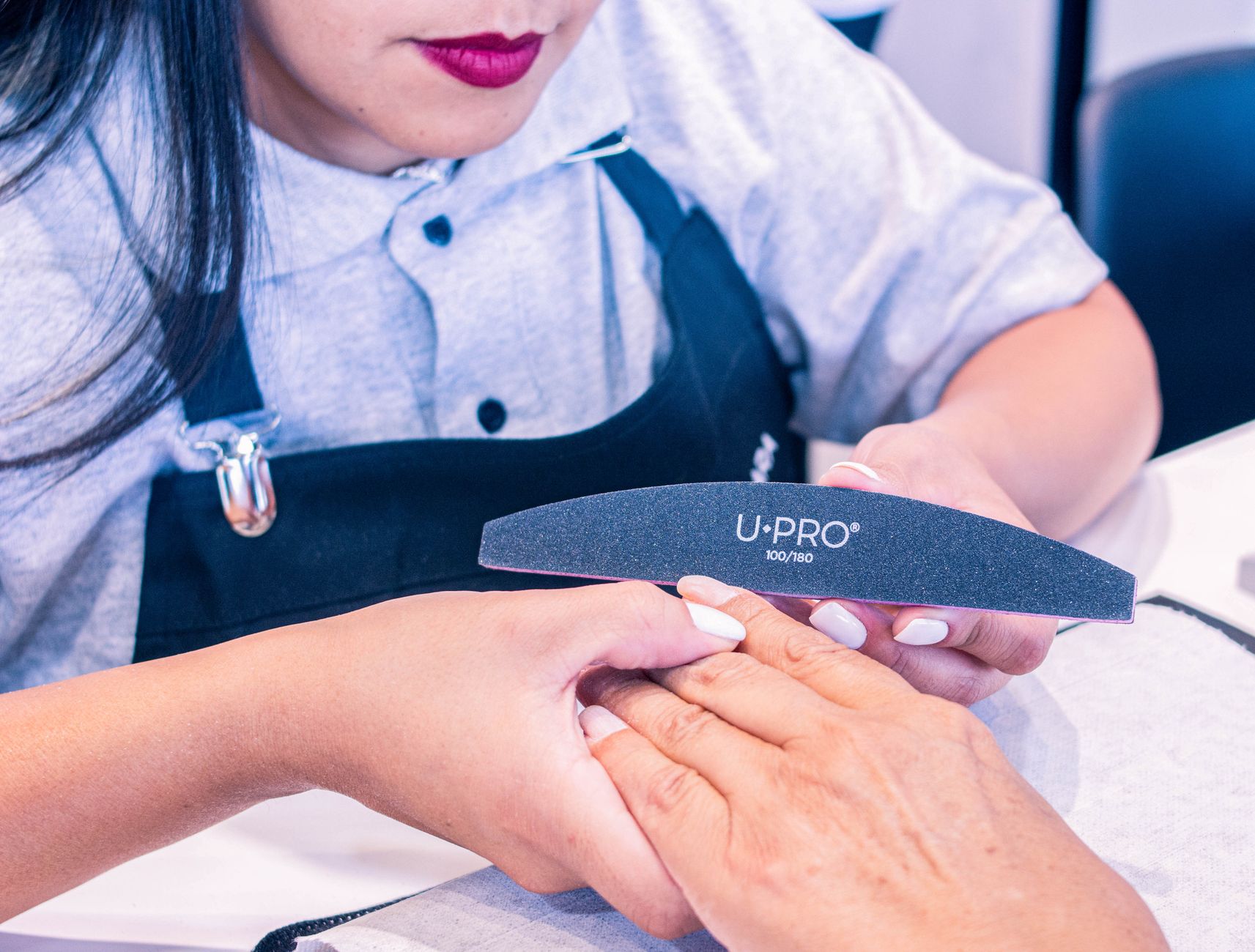
Nails are cleaned, shaped, and a bonding base coat is applied.
Step 2: Dip Into Powder
The nail is dipped into the colored powder (or the powder is brushed on for hygiene reasons in many salons), building color and thickness.
Step 3: Repeat for Desired Opacity
This dipping process is typically repeated two to three times to achieve full color opacity and adequate structural thickness.
Step 4: Seal and Buff
An activator or sealant is applied, and the nail is buffed and shaped for a smooth, glossy finish.
Step 5: Top Coat
A final top coat is applied for shine and additional protection.
Dip Powder vs. Gel Nails
| Feature | Dip Powder | Gel Nails |
|---|---|---|
| Curing method | Air-dry/chemical activator | UV or LED light |
| Durability | Very high, often 3-4 weeks | High, typically 2-3 weeks |
| Removal | Requires soaking in acetone | Requires soaking in acetone |
| Nail damage risk | Moderate, from filing during application/removal | Lower, if applied and removed correctly |
| UV exposure | None | Some exposure from curing lamp |
Dip Powder vs. Acrylic Nails
| Feature | Dip Powder | Acrylic Nails |
|---|---|---|
| Odor during application | Lower | Higher (from liquid monomer) |
| Application process | Dipping/brushing powder | Sculpting with liquid-powder mixture |
| Strength | High | Very high, often used for extensions |
| Best for | Natural nail enhancement, moderate strength needs | Length extensions, maximum durability |
Pros of Dip Powder Nails
- Excellent durability, often lasting 3 to 4 weeks without chipping
- No UV light exposure, unlike gel manicures
- Wide color range, similar to traditional polish options
- Less odor compared to traditional acrylic application
- Can strengthen natural nails with proper application and removal
Cons of Dip Powder Nails
- Hygiene concerns if salons reuse powder containers without proper sanitization between clients
- Removal process requires soaking in acetone, which can be drying if not followed by adequate moisturizing
- Filing during application and removal carries some risk of thinning the natural nail if done aggressively
- Less design flexibility for intricate nail art compared to gel, which allows more precise, layered application
Hygiene Considerations
The most significant, well-documented concern with dip powder nails relates to hygiene, since traditional application methods involve dipping each client's nails directly into a shared powder container, creating a genuine risk of cross-contamination between clients if the powder is not properly sanitized or if salons do not use single-use, brush-on application methods instead.
Comparison Table: Dip Powder vs. Gel vs. Acrylic
| Feature | Dip Powder | Gel | Acrylic |
|---|---|---|---|
| Curing | Air/chemical | UV/LED light | Air-dry |
| Typical durability | 3-4 weeks | 2-3 weeks | 3-4 weeks |
| Odor | Low | Low | Higher |
| Best for | Enhancement, moderate strength | Natural-looking shine, shorter wear | Length extensions, maximum strength |
| UV exposure | None | Some | None |
Removal Process
Proper dip powder removal involves soaking nails in pure acetone for 10 to 15 minutes, allowing the product to soften enough for gentle removal without aggressive scraping or filing. Attempting to peel or forcefully remove dip powder without adequate soaking time significantly increases the risk of damaging the natural nail underneath.
Aftercare for Healthy Nails
- Moisturize cuticles and nails daily with cuticle oil, particularly important after the drying effect of acetone removal
- Take breaks between applications to allow natural nails to recover, particularly if you notice thinning or weakness
- Avoid picking or peeling dip powder off, which can remove layers of the natural nail along with the product
- Choose a reputable salon with visibly sanitary practices, including brush-on application or single-use powder portions
The Chemistry Behind Dip Powder's Durability
Understanding why dip powder achieves its notable durability, often outlasting standard gel polish by a week or more, comes down to a genuine chemistry difference worth exploring, since this explains both the method's key advantage and some of its specific limitations.
Dip powder's acrylic polymer particles, when combined with the cyanoacrylate-based bonding adhesive used during application, undergo a chemical reaction that creates an unusually hard, dense finish compared to gel polish, which relies primarily on UV or LED light to cure a photopolymer into a harder state. This denser structure is part of why dip powder resists chipping so effectively, but it also explains why removal is more involved than a simple gel soak-off in some cases, the same density and hardness that provides durability also means acetone needs adequate time to fully penetrate and break down the product during removal.
This chemistry also explains why dip powder application, unlike gel, does not require a light source, the reaction between the powder and activator/sealant is a chemical process rather than a light-triggered one, which is precisely the mechanism behind the "no UV exposure" advantage frequently cited as a key benefit of choosing dip powder over gel nails.
Common Mistakes to Avoid
Choosing a Salon With Poor Hygiene Practices
Shared dipping containers without proper sanitization present a genuine infection risk, making salon hygiene practices an important factor in choosing where to get this service.
Removing Dip Powder Without Adequate Soaking
Rushing the removal process by peeling or aggressively filing off product increases the risk of thinning or damaging the natural nail.
Not Taking Breaks Between Applications
Continuous dip powder application without occasional breaks can lead to progressive nail weakening over time, particularly with frequent, back-to-back manicures.
Skipping Cuticle Oil and Moisturizing
The repeated exposure to acetone during removal, combined with the application process itself, can be drying, making regular moisturizing an important aftercare step.
Dip Powder for Different Nail Conditions
How well dip powder suits any given individual depends considerably on their starting nail condition, and understanding these differences helps set realistic expectations rather than assuming the method performs identically regardless of natural nail health.
For naturally strong, healthy nails, dip powder generally performs excellently with minimal risk, since the natural nail already provides a solid, resilient base for the product to bond to and be removed from repeatedly over time. For naturally thin, brittle, or peeling nails, dip powder can offer genuine short-term protective benefit, essentially providing a protective shell over a more fragile natural nail, but this population also faces higher risk of damage during the removal process specifically, since thin nails have less structural reserve to withstand repeated acetone exposure and filing compared to naturally thicker nails.
For nails already damaged from previous aggressive gel or acrylic removal, allowing a period of natural nail recovery before starting dip powder application is generally advisable, since layering a new enhancement method onto an already-compromised nail bed can compound existing damage rather than allowing genuine healing. A nail technician or dermatologist can help assess whether your specific nail condition is well-suited to dip powder or whether a recovery period or gentler alternative would be more appropriate first.
- Research salon hygiene practices before booking, prioritizing those using brush-on application or single-use powder.
- Never force or peel off dip powder, always soak in acetone for adequate time before gentle removal.
- Take periodic breaks between applications to support natural nail health and recovery.
- Moisturize cuticles and nails daily, particularly important given the drying nature of the removal process.
Conclusion
Dip powder nails offer a durable, UV-free alternative to traditional gel and acrylic manicures, with excellent longevity and a wide color range. However, hygiene practices at your chosen salon and proper removal technique significantly affect both safety and nail health outcomes, making these factors worth prioritizing when choosing where to get this service and how to maintain your nails between applications. Asking a prospective salon about their sanitation practices before booking, and insisting on proper soak-off removal rather than filing or picking, protects your natural nails over repeated dip powder applications.
For more on nail care and shape considerations, see our guide on nail shapes guide, which can help you plan your next dip powder application with a shape that suits your fingers.
Category: Nail Care
Tags: dip powder nails, gel nails, acrylic nails, nail enhancement, manicure durability, nail hygiene, nail removal, nail care basics, nail salon safety, cuticle oil
Frequently Asked Questions
References
Last updated
This article is for informational purposes only and does not constitute medical advice. Consult a licensed dermatologist or healthcare provider before starting any new treatment.
Beauty & Hair Care Editor
Amanda Gurton is a beauty editor and researcher with a focus on translating dermatology and trichology insights into clear, actionable advice. She covers skincare routines, hair health, ingredient science, and everyday beauty habits.
Comments (0)
Be the first to comment.
Related Articles
How to Remove Gel Manicures Without Damaging Your Nails
Learn the correct, safe way to remove gel manicures at home without damaging your natural nails, plus what to avoid.

Press-On Nails: A Complete Beginner's Guide
Learn everything about press-on nails, from choosing the right size to application, removal, and how to make them last longer.

Nail Strengthener vs. Nail Hardener: What's the Difference?
Nail strengthener vs nail hardener: learn the real difference, which one your nails actually need, and how to use each correctly.

Hangnails: Why They Happen and How to Prevent Them
Learn what causes hangnails, safe treatment for existing ones, and effective prevention strategies to keep your cuticles healthy.