 Funky Millions
Nail Strengthener vs. Nail Hardener: What's the Difference?
Nail strengthener vs nail hardener: learn the real difference, which one your nails actually need, and how to use each correctly.

Quick summary
Key Takeaways
- Nail strengtheners condition and nourish the nail over time, improving flexibility and resilience rather than adding external hardness.
- Nail hardeners create immediate rigidity through protein cross-linking, often using formaldehyde or calcium-based ingredients.
- Hardeners create rigidity that can paradoxically increase brittleness and cracking risk for some nail types, while strengtheners support more balanced flexibility and resilience.
- Soft, flexible, weak nails generally benefit most from strengtheners, while already-brittle nails should generally avoid hardeners, which can worsen this specific concern.
- Consistent, ongoing application over several weeks, combined with regular moisturizing, maximizes a strengthener's gradual conditioning benefits.
- Hardeners work best as a short-term, occasional-use product rather than a continuous daily addition to your nail care routine.
- While topical strengtheners and hardeners address nail concerns directly, adequate protein intake and avoiding significant nutritional deficiencies play a genuine complementary role in overall nail strength that topical products alone cannot fully replace.
- Strengthener and hardener work through somewhat opposing mechanisms, making alternating use more sensible than simultaneous daily application of both.
- Identifying whether your nail weakness stems from water exposure, chemical exposure from polish removers, nutritional factors, or aging helps you address the root cause alongside product use, since strengtheners and hardeners alone cannot fully compensate for ongoing damaging habits.
- Nail weakness accompanied by color changes, unusual thickening, pitting, or nail bed separation, or persistent weakness despite consistent strengthener use over several months, warrants dermatologist evaluation rather than continued reliance on over-the-counter products alone.
Nail strengthener and nail hardener are often used interchangeably in casual conversation and even in some product marketing, but they work through different mechanisms and suit different nail concerns. Understanding nail strengthener vs nail hardener helps you choose the product that actually addresses your specific nail issue, rather than guessing based on label language alone.
What Is a Nail Strengthener?
A nail strengthener is typically formulated with conditioning, nourishing ingredients like proteins, vitamins, and moisturizing agents designed to improve the nail's overall flexibility, resilience, and health over time. Strengtheners work gradually, supporting the nail's natural structure rather than adding a hard, protective layer on top.
What Is a Nail Hardener?
A nail hardener typically contains ingredients like formaldehyde (or gentler formaldehyde-releasing alternatives) or calcium that create a harder, more rigid nail surface, providing immediate, noticeable rigidity. Hardeners work by cross-linking keratin proteins within the nail, creating a stiffer structure.
The Key Mechanism Difference
This distinction is genuinely important: strengtheners work with the nail's natural flexibility, supporting healthy growth and resilience, while hardeners chemically alter the nail's structure to create rigidity. This means hardeners can sometimes make nails more brittle and prone to cracking despite their name, since excessive rigidity without flexibility can actually increase breakage risk for certain nail types.
Nail Strengthener vs. Nail Hardener Comparison Table
| Feature | Nail Strengthener | Nail Hardener |
|---|---|---|
| Mechanism | Conditions and nourishes | Cross-links proteins for rigidity |
| Speed of effect | Gradual, over weeks | Immediate |
| Best for | Soft, weak, bendy nails | Nails needing temporary added rigidity |
| Risk | Low | Can increase brittleness if overused |
| Common ingredients | Proteins, vitamins, biotin | Formaldehyde, calcium |
Which Product Suits Which Nail Concern
| Nail Concern | Recommended Product |
|---|---|
| Soft, bendy nails that peel or tear easily | Strengthener |
| Nails needing temporary rigidity for a specific event | Hardener (short-term use) |
| Generally weak nails wanting long-term improvement | Strengthener |
| Nails already brittle or prone to cracking | Avoid hardener; use strengthener instead |
Ingredients to Look For in Each
Strengthener ingredients:
- Hydrolyzed proteins (keratin, silk protein)
- Biotin
- Vitamin E
- Calcium (in moderate, balanced formulations)
Hardener ingredients:
- Formaldehyde or formaldehyde-releasing preservatives (in stronger, traditional formulas)
- Calcium (in higher concentrations than typical strengtheners)
- Nylon fibers (in some fiber-reinforced formulas)
How to Use Nail Strengthener Correctly
Step 1: Apply to Clean, Dry Nails
Ensure nails are free of old polish and any oil residue before application.
Step 2: Apply a Thin, Even Layer
Apply as directed, typically similar to a base coat application.
Step 3: Use Consistently Over Time
Since strengtheners work gradually, consistent daily or every-other-day application over several weeks is necessary to see meaningful improvement.
Step 4: Combine With Moisturizing
Pair strengthener use with regular cuticle oil application, since hydration supports the nail's natural flexibility alongside the strengthener's conditioning benefits.
How to Use Nail Hardener Correctly
Step 1: Use for Short-Term, Specific Needs
Hardeners are best used for temporary situations, like before a specific event requiring extra nail rigidity, rather than as an ongoing daily product.
Step 2: Avoid Continuous, Long-Term Use
Given the increased brittleness risk with excessive use, limiting hardener application to short, defined periods reduces this concern.
Step 3: Monitor for Increased Brittleness
If nails begin cracking or breaking more than usual after starting a hardener, discontinue use and switch to a strengthener-focused approach instead.
Diet and Nail Strength: A Complementary Factor
Beyond topical products, diet and overall nutrition play a genuine, if often overstated, role in nail strength, worth understanding as a complementary factor alongside whichever topical product you choose.
Biotin, a B vitamin frequently marketed in nail-focused supplements, has some research support for improving nail thickness and reducing brittleness, particularly in individuals with an actual biotin deficiency, though the evidence for biotin supplementation benefiting nails in people who are not deficient is considerably weaker than marketing claims often suggest. Adequate protein intake matters more broadly, since nails are composed primarily of keratin, a protein structure, meaning chronically inadequate dietary protein can genuinely contribute to weaker nail growth over time, independent of any topical product used.
Iron deficiency, zinc deficiency, and certain other nutritional gaps have also been associated with nail changes in some research, meaning persistent nail weakness despite good topical care and reasonable lifestyle adjustments may sometimes warrant a broader look at overall diet and, if a deficiency is suspected, blood testing through a healthcare provider rather than assuming a topical strengthener alone will resolve an internally driven nutritional issue.
Can You Use Both?
It is generally not recommended to use both simultaneously, since a strengthener's goal of improving natural flexibility can work against a hardener's rigidity-inducing effect. If you want to try both, alternating periods (a few weeks of strengthener, followed by short-term hardener use for a specific event) makes more sense than daily simultaneous application.
Understanding Why Nails Become Weak or Brittle in the First Place
Choosing between a strengthener and a hardener works best when paired with an understanding of what actually caused your specific nail concern, since addressing the root cause alongside product selection produces better long-term results than product choice alone.
Frequent exposure to water, particularly from activities like dishwashing or swimming without protection, causes nails to repeatedly swell and contract, which over time breaks down the natural bonds holding nail layers together, leading to peeling, splitting, and general weakness. This is a genuinely different underlying cause than nails that are brittle due to nutritional factors or aging, yet both might present with seemingly similar symptoms, making it worth considering your actual daily habits and exposures when choosing a treatment approach, since a strengthener alone may not fully address ongoing water damage without also changing the behavior causing it, such as wearing gloves for dishwashing.
Repeated use of harsh nail polish removers, particularly acetone-based formulas used frequently for gel or dip powder removal, can also contribute to progressive nail dehydration and weakness over time, which is a mechanical and chemical cause distinct from nutritional or aging-related brittleness. For this specific cause, reducing removal frequency, allowing adequate recovery time between enhancement applications, and using non-acetone removers for regular polish changes when possible can meaningfully reduce the ongoing damage that no strengthener or hardener alone can fully offset.
Common Mistakes to Avoid
Using Hardener Continuously for Weak Nails
This is one of the most common mistakes, since hardener's rigidity can actually worsen brittleness in already-weak nails rather than solving the underlying issue.
Expecting Immediate Results From Strengthener
Strengtheners work gradually, and expecting overnight results, the way hardener provides, often leads to premature discontinuation before the product has had time to work.
Not Combining Strengthener With Moisturizing
Using strengthener alone without adequate cuticle and nail hydration misses an important complementary step for overall nail health.
Choosing Hardener for Long-Term Nail Health Goals
Hardener is better suited to short-term, specific-purpose use rather than as a long-term nail health strategy.
When to See a Dermatologist Instead of Relying on Products
While most cases of weak or brittle nails respond well to appropriate at-home strengthener or, occasionally, short-term hardener use, certain patterns and symptoms warrant professional evaluation rather than continued reliance on over-the-counter products alone.
Nails that are weak or brittle alongside other symptoms, such as changes in nail color, unusual thickening or thinning, pitting, or separation from the nail bed, can sometimes indicate an underlying medical condition, ranging from fungal infection to psoriasis to a thyroid disorder, rather than simple mechanical or nutritional weakness that topical products alone can address. In these cases, no amount of strengthener or hardener will resolve the underlying issue, and continued at-home treatment without addressing the actual cause can delay appropriate diagnosis and care.
Similarly, if you have tried a consistent strengthener regimen for eight to twelve weeks, paired with reasonable lifestyle adjustments like glove use during water exposure and reduced harsh chemical exposure, without any meaningful improvement, this is a reasonable point to consult a dermatologist rather than continuing to experiment with different over-the-counter products indefinitely. A dermatologist can evaluate whether an underlying nutritional deficiency, medical condition, or other factor is contributing to persistent nail weakness that general nail care products are not designed to address.
- Identify your specific nail concern first, soft/bendy versus brittle/cracking, to choose the appropriate product category.
- Be patient with strengtheners, giving them several weeks of consistent use before evaluating effectiveness.
- Reserve hardeners for short-term, specific needs rather than continuous daily use.
- Pair either product with regular cuticle oil for comprehensive nail health support.
Conclusion
The nail strengthener vs nail hardener distinction matters significantly for choosing the right product for your specific nail concern. Strengtheners offer gradual, gentle conditioning well suited to soft, weak, or bendy nails, while hardeners provide immediate rigidity best reserved for short-term, specific needs rather than continuous use, given their potential to increase brittleness over time. Identifying your actual nail concern before choosing between these two product categories helps ensure you are genuinely addressing the issue rather than inadvertently worsening it.
For more on comprehensive nail care, see our guide on how to strengthen nails naturally.
Category: Nail Care
Tags: nail strengthener, nail hardener, weak nails, brittle nails, nail health, nail care products, cuticle oil, nail conditioning, nail care basics, nail growth
Frequently Asked Questions
References
Last updated
This article is for informational purposes only and does not constitute medical advice. Consult a licensed dermatologist or healthcare provider before starting any new treatment.
Beauty & Hair Care Editor
Ilma is a beauty editor who specializes in breaking down cosmetic ingredients, skincare routines, and hair care practices. Her work focuses on evidence-based guidance readers can trust and apply.
Comments (0)
Be the first to comment.
Related Articles

Brittle Nails: Common Causes and How to Fix Them
Learn the common causes of brittle nails, from nutritional gaps to overexposure to water, and practical fixes to restore nail strength.
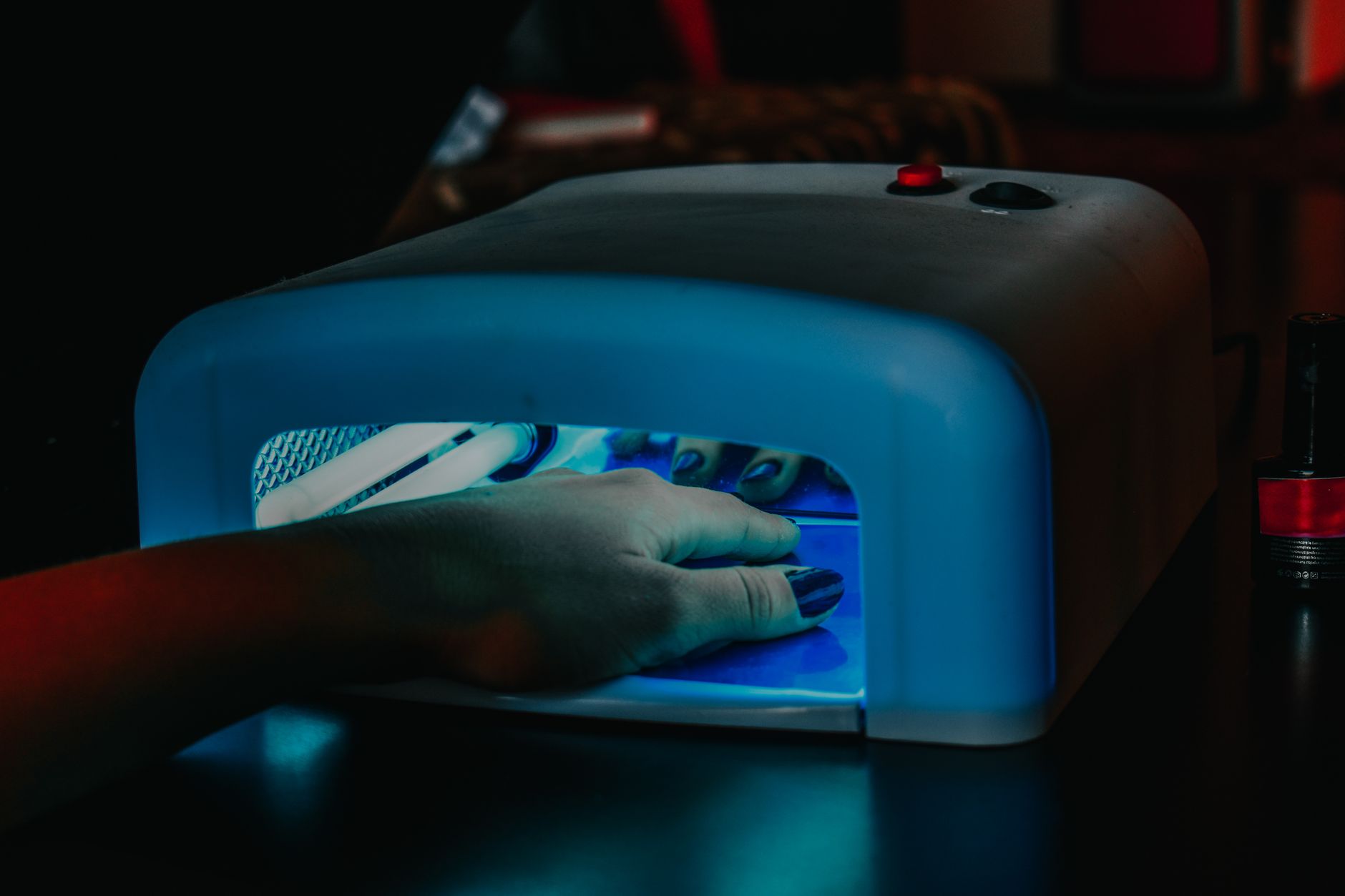
How to Remove Gel Manicures Without Damaging Your Nails
Learn the correct, safe way to remove gel manicures at home without damaging your natural nails, plus what to avoid.
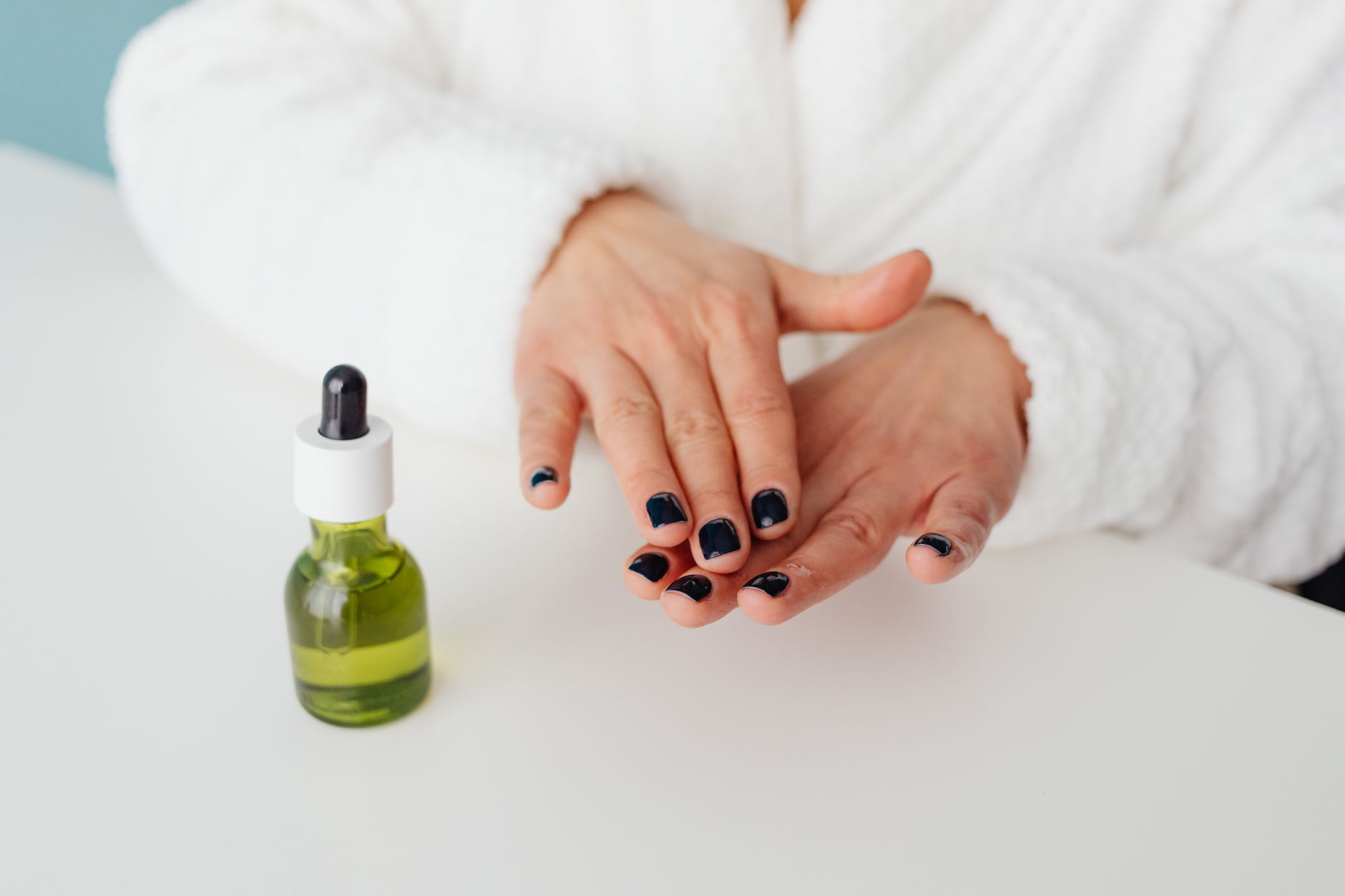
Cuticle Oil vs. Hand Cream: Do You Need Both?
Cuticle oil vs hand cream: learn the real differences, whether you need both, and how to layer them for genuinely healthy nails and hands.
What Causes Nail Ridges and When to Worry
Learn what causes vertical and horizontal nail ridges, which types are normal aging changes, and when ridges signal an underlying health issue.