 Funky Millions
Cuticle Oil vs. Hand Cream: Do You Need Both?
Cuticle oil vs hand cream: learn the real differences, whether you need both, and how to layer them for genuinely healthy nails and hands.
Quick summary
Key Takeaways
- Cuticle oil is a targeted, penetrating formula specifically designed for the thin skin at the base of the nail.
- Hand cream provides broader, all-over hand hydration rather than the targeted, penetrating focus cuticle oil provides for the nail area specifically.
- Cuticle oil's targeted formulation penetrates the cuticle area more effectively than hand cream, which is designed for broader hand skin rather than this specific, different tissue type.
- Winter generally calls for richer hand cream and more frequent cuticle oil application to counteract heating-related dryness, while summer allows for lighter hand cream, though consistent cuticle oil remains important given increased hand sanitizer exposure during this season.
- Cuticle oil and hand cream serve complementary, not overlapping, functions, making both worthwhile additions to a comprehensive hand and nail care routine.
- Direct, targeted application with gentle massage, ideally daily or more frequently, maximizes cuticle oil's benefits.
- Frequent reapplication, particularly after handwashing, helps hand cream provide consistent, effective hydration throughout the day.
- A complete routine layers both products at key points throughout the day, with cuticle oil addressing nail-specific needs and hand cream providing broader, more frequently reapplied hydration.
- Mature hands generally benefit from richer hand cream formulas, more frequent cuticle oil application, and the addition of sun protection, since natural oil production decreases and cumulative sun exposure becomes an increasingly visible factor in hand appearance over time.
- Occupations involving frequent handwashing benefit from more frequent, accessible product reapplication throughout the day, while manual or outdoor occupations benefit from protective, occlusive hand cream applied proactively before exposure, alongside consistent evening cuticle oil use.
Cuticle oil and hand cream both promise better hand and nail health, but they target genuinely different areas and concerns, making them complementary rather than interchangeable products. Understanding cuticle oil vs hand cream helps you build a more effective hand and nail care routine rather than assuming one product can fully substitute for the other.
What Is Cuticle Oil?
Cuticle oil is a concentrated, lightweight oil formula specifically designed to penetrate and nourish the cuticle area, the thin skin at the base of each nail, and often the surrounding nail plate as well. Common ingredients include jojoba, vitamin E, and various plant oils chosen for their ability to absorb into this specific, often-neglected area.
What Is Hand Cream?
Hand cream is a broader moisturizing formula for the hands overall, typically containing a mix of humectants, emollients, and sometimes occlusive ingredients to hydrate and protect the skin across the entire hand, including areas well beyond the nail and cuticle region.
The Key Functional Difference
Cuticle oil's smaller molecular structure and concentrated formula allow it to penetrate the tougher, thinner skin around the nail more effectively than a typical hand cream, which is formulated for the broader, different skin type found across the rest of the hand. Using hand cream alone often fails to adequately address cuticle-specific concerns like dryness, hangnails, and rough, peeling cuticle skin.
Cuticle Oil vs. Hand Cream Comparison Table
| Feature | Cuticle Oil | Hand Cream |
|---|---|---|
| Target area | Cuticle and nail plate specifically | Entire hand |
| Texture | Lightweight, penetrating oil | Varies from light lotion to rich cream |
| Absorption | Fast, deep penetration | Varies by formula |
| Primary goal | Nail and cuticle health | Overall hand hydration and skin health |
| Application frequency | Daily, multiple times if needed | Daily, as needed throughout the day |
Seasonal Adjustments for Hand and Cuticle Care
Just as facial skincare benefits from seasonal adjustment, hand and cuticle care routines perform better when adapted to seasonal humidity and temperature changes rather than remaining static year-round.
Winter presents the most significant challenge for both products, since the combination of cold outdoor air and dry indoor heating strips moisture from hands and cuticles more aggressively than any other season, often leading to painful cracking and hangnails without adequate intervention. During this season, increasing cuticle oil application frequency and switching to a noticeably richer, more occlusive hand cream, sometimes worn under cotton gloves overnight for intensive treatment, helps offset this seasonal moisture loss more effectively than a routine unchanged from warmer months.
Summer heat and humidity generally reduce the intensity of hand and cuticle dryness for most people, though increased hand sanitizer use, more common during warmer months with more outdoor activity and social contact, can offset some of this seasonal benefit by introducing additional drying, alcohol-based exposure. Adjusting hand cream richness downward slightly in summer while maintaining consistent cuticle oil use, since sanitizer exposure affects the cuticle area just as much as broader hand skin, helps maintain balance through the warmer months.
Why Cuticles Need Different Care Than Skin
The cuticle is a unique tissue, thinner and more delicate than the skin across the rest of the hand, but also serving an important protective function, sealing the area where the nail plate meets the skin and helping prevent bacteria and fungi from entering this vulnerable junction. Neglecting cuticle-specific care can lead to hangnails, peeling, and increased vulnerability to infection, concerns that a general hand cream is not specifically formulated to address as effectively as a targeted cuticle oil.
Do You Need Both Products?
For most people, yes, using both products addresses genuinely different needs. Cuticle oil supports nail and cuticle-specific health, while hand cream addresses broader hand skin hydration, texture, and protection. Using only one leaves a gap in either nail health or overall hand skin health, depending on which product you skip.
How to Apply Cuticle Oil Correctly
Step 1: Apply Directly to the Cuticle Area
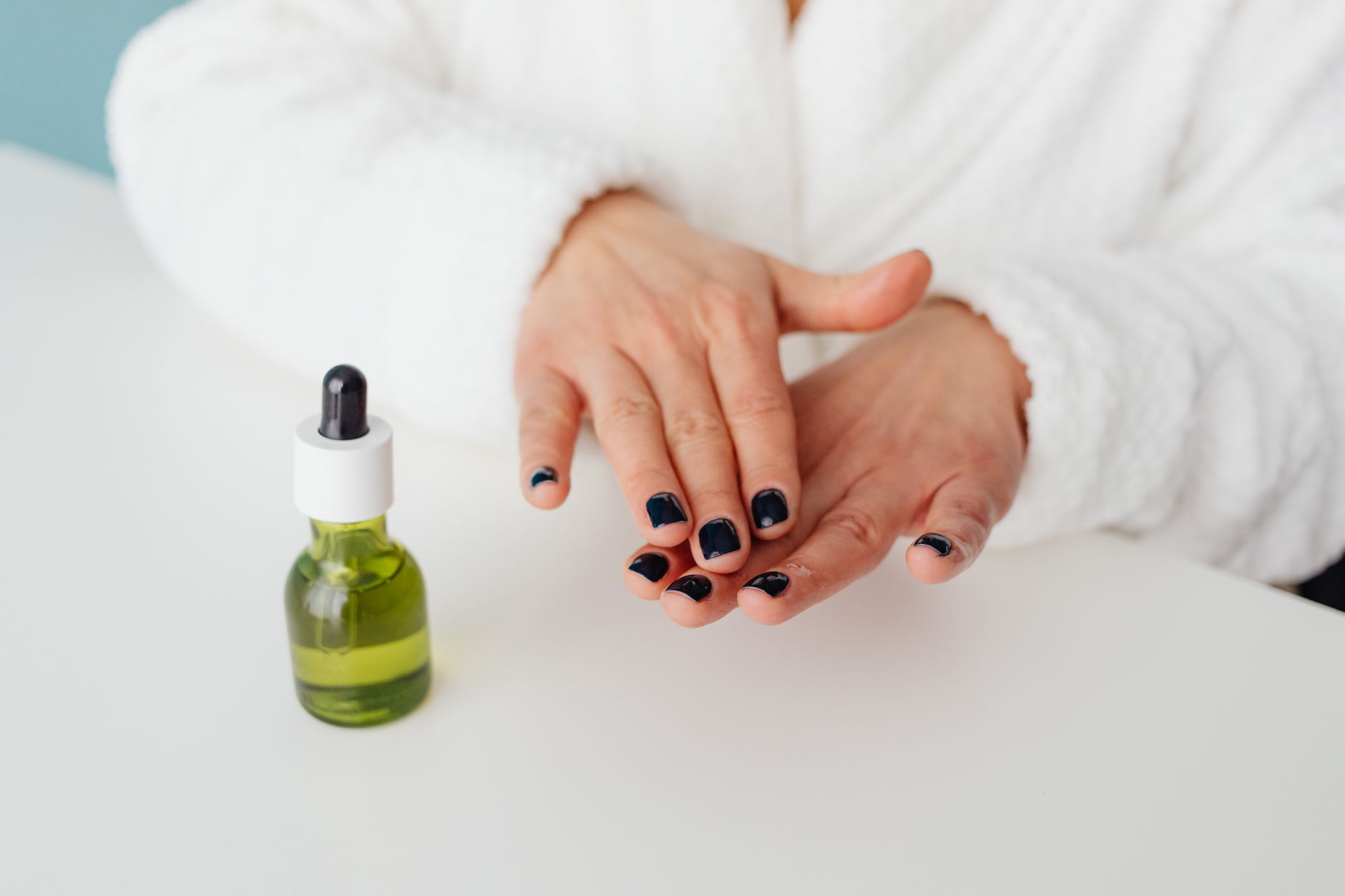
Place a small drop of oil directly at the base of each nail, where the cuticle meets the nail plate.
Step 2: Massage In
Gently massage the oil into the cuticle and surrounding nail area, which helps improve absorption and stimulates local circulation.
Step 3: Apply Regularly
Daily application, or even multiple times a day for particularly dry or damaged cuticles, provides the most consistent benefit.
Step 4: Use Before Bed for Extra Benefit
Applying cuticle oil before sleep allows extended, undisturbed absorption overnight.
How to Apply Hand Cream Correctly
Step 1: Apply After Handwashing
Since handwashing strips natural oils, applying hand cream immediately afterward helps replace lost moisture most effectively.
Step 2: Cover the Entire Hand
Massage cream across the entire hand, including the back of the hands, palms, and between fingers, not just the areas that feel dry.
Step 3: Reapply Throughout the Day
Hand cream generally needs more frequent reapplication than cuticle oil, particularly after washing hands or exposure to drying conditions.
Building a Complete Hand and Nail Routine
Morning:
- Apply cuticle oil to each nail
- Apply hand cream to the entire hand
Throughout the Day:
- Reapply hand cream after handwashing
- Touch up cuticle oil if cuticles feel particularly dry
Evening:
- Apply cuticle oil before bed for overnight absorption
- Apply a richer hand cream or hand mask if hands feel particularly dry
How Age Affects Hand and Cuticle Care Needs
Hands are often among the first areas to visibly show signs of aging, sometimes even before facial skin, given their near-constant sun exposure and frequent washing, making age-related adjustments to both cuticle oil and hand cream routines particularly worthwhile to understand.
As skin matures, natural oil production tends to decrease, meaning both the cuticle area and broader hand skin often become drier and more prone to visible fine lines and a crepey texture than in younger years. This typically calls for richer hand cream formulas than someone might have used in their twenties, along with more frequent cuticle oil application, since both areas have less natural oil to rely on for baseline moisture. Ingredients like hyaluronic acid, ceramides, and peptides, increasingly common in more advanced hand cream formulations, can offer additional support for the specific textural and firmness changes that become more noticeable on hands with age.
Sun protection also becomes an increasingly important consideration for hand care specifically as people age, since cumulative UV exposure over decades contributes significantly to visible hand aging, including age spots and skin thinning, in ways that cuticle oil and standard hand cream alone do not address. Incorporating a hand cream with SPF, or applying a dedicated hand sunscreen during outdoor activities, is a commonly overlooked addition to a complete hand care routine that becomes more valuable with age.
Common Mistakes to Avoid
Using Hand Cream as a Substitute for Cuticle Oil
Hand cream's broader formulation typically does not penetrate the cuticle area as effectively as a targeted cuticle oil, leaving this specific area under-addressed.
Applying Cuticle Oil Too Infrequently
Cuticle oil works best with consistent, regular application, and sporadic use provides much less benefit than a daily habit.
Not Massaging Products In
Simply applying either product without massaging it in reduces absorption and effectiveness compared to a more thorough application technique.
Ignoring Hand Cream Reapplication After Washing
Since handwashing strips natural oils, skipping reapplication afterward means hands spend more time under-moisturized than necessary throughout the day.
Occupational and Lifestyle Factors Affecting Product Choice
Certain occupations and lifestyle patterns create specific hand and cuticle care demands that go beyond general daily maintenance, worth considering when building a routine tailored to your actual daily hand exposure rather than a generic approach.
Frequent handwashing, required in healthcare, food service, and many other occupations, creates a particularly demanding environment for hand skin, since repeated water exposure and, often, harsh antibacterial soaps strip natural oils far more aggressively than typical daily handwashing. For this group, keeping both a travel-size hand cream and cuticle oil readily accessible throughout a work shift, rather than relying solely on morning and evening application, helps offset this more intensive stripping effect before it accumulates into significant dryness or cracking.
Those who work extensively with their hands in manual or outdoor occupations, such as gardening, construction, or similar physical labor, face different but equally significant challenges, including mechanical abrasion, sun exposure, and exposure to soil or chemicals that can affect both cuticle health and overall hand skin integrity. For this group, a more occlusive, protective hand cream, sometimes applied before starting manual work rather than only afterward, can provide a protective barrier, while cuticle oil applied in the evening helps address any accumulated daily wear on the nail area specifically.
- Keep cuticle oil somewhere visible as a reminder for consistent daily use, since forgetting is the most common barrier to seeing results.
- Choose a hand cream formula suited to your climate, richer for dry winter conditions and lighter for humid summer months.
- Massage both products in thoroughly rather than simply applying and moving on, to maximize absorption.
- Apply cuticle oil before bed for extended, undisturbed overnight absorption.
Conclusion
The cuticle oil vs hand cream comparison ultimately reveals two complementary, not competing, products, cuticle oil provides targeted, penetrating nourishment for the delicate cuticle area, while hand cream addresses broader hand skin hydration and protection. Using both consistently, with cuticle oil applied daily and hand cream reapplied throughout the day, particularly after washing, provides the most complete approach to healthy, well-cared-for hands and nails.
For more on comprehensive nail health, see our guide on cuticle care 101.
Category: Nail Care
Tags: cuticle oil, hand cream, nail care, cuticle care, hand hydration, hangnails, nail health, moisturizing routine, hand skin care, nail care basics
Frequently Asked Questions
References
Last updated
This article is for informational purposes only and does not constitute medical advice. Consult a licensed dermatologist or healthcare provider before starting any new treatment.
Beauty & Hair Care Editor
Amanda Gurton is a beauty editor and researcher with a focus on translating dermatology and trichology insights into clear, actionable advice. She covers skincare routines, hair health, ingredient science, and everyday beauty habits.
Comments (0)
Be the first to comment.
Related Articles

Hangnails: Why They Happen and How to Prevent Them
Learn what causes hangnails, safe treatment for existing ones, and effective prevention strategies to keep your cuticles healthy.

Cuticle Care 101: How to Care for Cuticles
Learn essential cuticle care tips to keep your nail beds healthy, hydrated, and strong. Discover safe at-home routines and common mistakes to avoid.

Nail Strengthener vs. Nail Hardener: What's the Difference?
Nail strengthener vs nail hardener: learn the real difference, which one your nails actually need, and how to use each correctly.
How to Remove Gel Manicures Without Damaging Your Nails
Learn the correct, safe way to remove gel manicures at home without damaging your natural nails, plus what to avoid.