 Funky Millions
Cuticle Care 101: How to Care for Cuticles
Learn essential cuticle care tips to keep your nail beds healthy, hydrated, and strong. Discover safe at-home routines and common mistakes to avoid.
Quick summary
Key Takeaways
- Cuticles are not just cosmetic trimmings. They are a protective barrier that helps your nails grow strong and stay infection-free.
- Healthy cuticles protect your nails from infection, improve manicure results, and keep your hands comfortable. Skipping cuticle care can lead to hangnails, splitting, and irritation.
- A weekly cuticle care routine of soaking, gentle pushing, optional trimming of only dead tissue, and sealing in moisture keeps cuticles healthy and neat.
- Avoid cutting living skin, pushing aggressively, overusing removers, biting, skipping moisturizer, and sharing unsanitized tools.
- Look for jojoba, coconut, almond, argan, shea butter, vitamin E, and glycerin in cuticle products. Match the product type to your routine and skin needs.
- At-home cuticle care is sufficient for most people. Choose professional care for special occasions, but insist on gentle, sanitary techniques.
- Daily moisturizing, nighttime oil, gloves for chores, gentle removers, and good nutrition keep cuticles resilient and healthy.
Cuticle care is one of the most overlooked steps in a healthy nail routine, yet it makes a dramatic difference in how your nails look and feel. Your cuticles act as a protective seal between the nail plate and the surrounding skin, guarding the delicate nail matrix from bacteria, fungi, and environmental irritants. When cuticles are dry, torn, or pushed back too aggressively, that seal weakens and your nails become more vulnerable to infection, peeling, and breakage.
The good news is that learning how to care for cuticles at home is simple, affordable, and gentle once you know what to do. You do not need expensive salon tools or harsh chemicals. With the right techniques, nourishing ingredients, and a consistent weekly routine, you can keep your cuticles smooth, your nail beds neat, and your manicure looking fresher for longer. In this guide, you will learn what cuticles are, why they matter, how to care for them step by step, which products work best, and the most common mistakes to avoid.
What Are Cuticles?
Cuticles are the thin, transparent layers of dead skin cells that sit along the bottom edge of your fingernails and toenails. They form a protective barrier where the nail plate meets the skin of the finger or toe. Although they look like simple strips of skin, cuticles serve an important biological function.
Cuticle Anatomy and Function
The visible fold of skin at the base of the nail is technically called the eponychium, which is living tissue. The cuticle itself is the non-living skin layer that sticks to the nail plate. Together, they seal off the nail matrix, the tissue beneath the cuticle where new nail cells are produced.
Key functions of the cuticle include:
- Blocking pathogens: The cuticle seal helps keep bacteria, fungi, and debris from entering the nail matrix.
- Retaining moisture: Healthy cuticles reduce water loss from the nail bed and surrounding skin.
- Supporting growth: By protecting the matrix, cuticles help nails grow evenly and with fewer ridges or splits.
Why Cuticle Care Matters
Ignoring your cuticles can lead to more than rough-looking nails. Poor cuticle care affects nail health, appearance, and comfort. A little attention each week pays off with stronger nails, smoother skin, and longer-lasting manicures.
Benefits of Healthy Cuticles
- Fewer infections: Intact cuticles lower the risk of paronychia, a painful infection around the nail fold.
- Less peeling and splitting: Hydrated cuticles mean fewer hangnails and less torn skin.
- Better manicure results: Neat, moisturized cuticles make polish application smoother and help it last without chipping.
- More comfortable hands: Dry, cracked cuticles can sting and catch on fabric; regular care prevents that.
- Stronger nail growth: Protecting the matrix supports consistent, healthy nail growth over time.
What Happens When You Neglect Cuticles
Neglected cuticles can become dry, thickened, or overgrown. Picking or biting them creates open areas where germs enter. Over time, this can cause inflammation, slow nail growth, and uneven nail texture. If you also use gel polish, acrylics, or frequent remover, the cuticle area can become even more sensitive, making proper care essential.
Step-by-Step Cuticle Care Routine
A simple weekly cuticle care routine takes only ten to fifteen minutes and can be done while watching television or relaxing. Consistency matters more than intensity. Gentle, regular care always beats aggressive occasional treatments.
What You Need
- Bowl of warm water or a warm towel
- Mild soap or gentle cleanser
- Clean cuticle pusher or orange wood stick
- Cuticle remover gel or cream (optional)
- Cuticle oil or nourishing oil such as jojoba, almond, or coconut oil
- Thick hand cream or nail balm
- Clean towel
- Disposable gloves for the final soak-in step (optional)
Step 1: Soften the Cuticles
Start with clean, polish-free nails. Fill a small bowl with warm water and add a drop of mild soap. Soak your fingertips for three to five minutes. The warm water softens the cuticle and the surrounding skin, making it easier to push back gently without tearing.
If you prefer not to soak, wrap your hands in a warm, damp towel for five minutes instead.
Step 2: Gently Clean Under the Nails
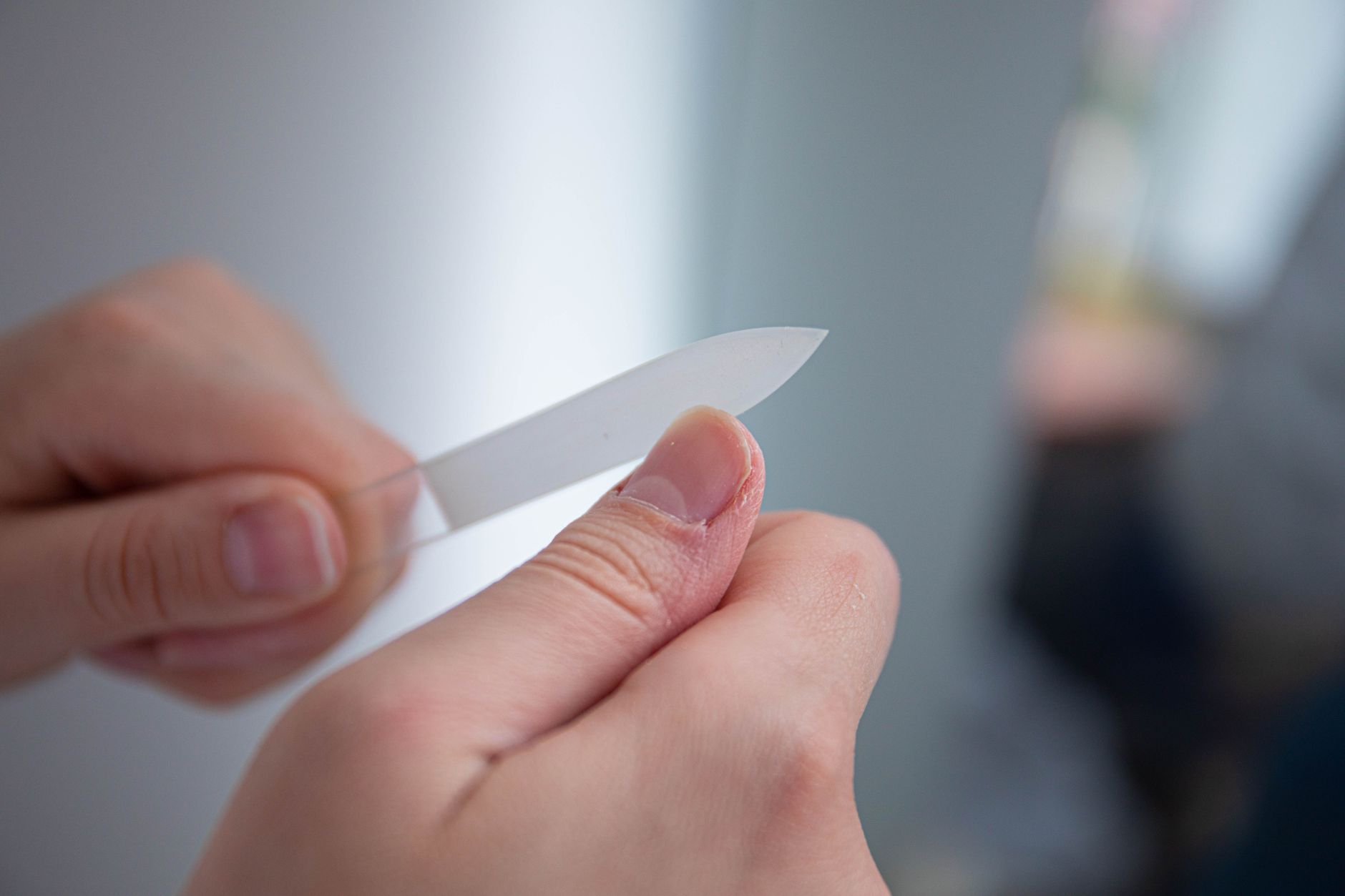
Use the soft edge of your cuticle pusher or an orange wood stick to remove any visible debris from under the free edge of the nail. Wipe the tool with a clean towel between nails to avoid spreading bacteria.
Step 3: Apply Cuticle Remover (Optional)
If your cuticles are thick or overgrown, apply a small amount of cuticle remover product only to the dead cuticle tissue that is stuck to the nail plate. Wait the amount of time recommended on the label, usually around fifteen seconds to two minutes.
Avoid applying remover to broken skin, cuts, or inflamed areas.
Step 4: Push Back the Cuticles
Hold your cuticle pusher at a shallow angle and use light, sweeping pressure to push the cuticle back toward the base of the nail. Stop at the visible edge of the living skin. You should never feel pain or see the skin turn white or blanch excessively.
Use an orange wood stick for a softer touch, especially if your cuticles are sensitive.
Step 5: Remove Only Dead, Loose Tissue
If you see small tags of dead, white skin lifting from the nail plate, you can trim them carefully with a clean cuticle nipper. Do not cut living skin, and never nip aggressively. Most people do not need to trim at all. Pushing back and moisturizing is usually enough.
Step 6: Rinse and Dry
Rinse your hands thoroughly with lukewarm water to remove any cuticle remover residue. Pat your hands dry with a clean towel. Avoid rubbing, which can irritate freshly softened skin.
Step 7: Hydrate With Oil
Apply one to two drops of cuticle oil to the base of each nail. Massage it into the cuticle and the skin around the nail for twenty to thirty seconds. Oils penetrate better than creams because they are lipophilic and help repair the skin barrier.
Step 8: Seal in Moisture
Finish with a rich hand cream or nail balm. Massage it over your cuticles, nails, and hands. For an intensive treatment, slip on disposable cotton gloves for fifteen to thirty minutes, or leave the cream on overnight.
How Often Should You Do This Routine?
- Deep routine: Once a week.
- Daily maintenance: Apply cuticle oil once or twice a day and hand cream after washing.
- Before a manicure: Perform the full routine before applying polish for a cleaner, longer-lasting finish.
Common Cuticle Care Mistakes to Avoid
Many cuticle problems are caused not by neglect alone, but by the wrong techniques. Avoiding these common mistakes will protect your nails and make your routine safer.
Cutting or Nipping Living Skin
The biggest mistake is trimming the eponychium, the living skin fold at the base of the nail. Cutting living tissue removes your natural protective barrier and increases infection risk. It can also cause the skin to grow back thicker or ragged.
Pushing Too Hard
Aggressive pushing damages the nail matrix and can cause white spots, ridges, or temporary nail deformities. Use only gentle pressure and stop if you feel discomfort.
Using Cuticle Removers Too Often
Cuticle removers contain mild alkaline ingredients that dissolve dead skin. Overuse can dry out and irritate the living skin around the nail. Limit removers to once a week or less.
Biting or Picking
Biting cuticles introduces bacteria from your mouth into open skin and can lead to painful infections. If this is a habit, keep cuticle oil nearby so you replace picking with moisturizing.
Skipping Moisturizer
Dry cuticles become cracked and torn more easily. Applying oil daily is the single most effective way to prevent hangnails and maintain flexibility.
Sharing Tools Without Sanitizing
Nail tools can harbor bacteria and fungi. Clean metal tools with rubbing alcohol after each use, and do not share them with others.
Best Ingredients and Products for Cuticle Care
The right products make cuticle care easier and more effective. Look for ingredients that hydrate, repair the skin barrier, and protect against environmental damage.
Top Cuticle Care Ingredients
| Ingredient | Benefit | Best For |
|---|---|---|
| Jojoba oil | Mimics skin sebum, absorbs quickly, softens cuticles | Daily oil, sensitive skin |
| Coconut oil | Moisturizes, antimicrobial, budget-friendly | Dry, cracked cuticles |
| Sweet almond oil | Lightweight, rich in vitamin E | Daily massage, brittle nails |
| Argan oil | High in fatty acids and antioxidants | Repair and nourishment |
| Shea butter | Thick occlusive barrier | Overnight masks, very dry hands |
| Vitamin E oil | Antioxidant, supports healing | Damaged or peeling skin |
| Aloe vera | Soothes irritation and redness | Inflamed or sensitive cuticles |
| Glycerin | Draws moisture into the skin | Layering under oils or creams |
| Hyaluronic acid | Hydrates and plumps skin | Dry, aging cuticles |
| Lactic acid or urea | Gently exfoliates thickened dead skin | Thick, overgrown cuticles |
Product Types to Consider
- Cuticle oils: Convenient pens or droppers for daily use.
- Cuticle creams: Thicker than oils, ideal for nighttime repair.
- Cuticle removers: Gel or liquid formulas for occasional dead-skin dissolution.
- Nail and cuticle balms: Solid balms in tins that seal in moisture.
- Gloves: Cotton or disposable gloves enhance absorption of creams and oils.
You can also make a simple DIY cuticle oil by mixing equal parts jojoba oil and vitamin E oil in a small dropper bottle. For extra nourishment, add a few drops of lavender or tea tree essential oil, but dilute essential oils properly to avoid skin irritation.
If you already use coconut oil for your hair, you can repurpose a small amount for your cuticles too. It is one of the most affordable and accessible moisturizers for softening dry nail beds.
At-Home vs. Professional Cuticle Care
Both at-home and salon cuticle care have their place. The right choice depends on your comfort level, budget, and nail condition.
| Factor | At-Home Care | Professional Care |
|---|---|---|
| Cost | Low to none once you have tools | Moderate to high per visit |
| Convenience | Anytime at home | Requires appointment and travel |
| Customization | You control pressure and products | Technician chooses products |
| Risk | Low if you avoid cutting living skin | Higher if tools are not sanitized |
| Best for | Routine maintenance and hydration | Special occasions or stubborn overgrowth |
| Infection risk | Minimal with clean tools | Possible with unsterilized equipment |
If you visit a salon, ask the technician not to cut your cuticles unless you have a specific medical reason. Request that they only push back cuticles and remove dead, loose tissue. Make sure you can see tools being removed from a sealed sterilization pouch or that disposable files and sticks are used once.
Small habits make a big difference. These expert-backed tips will help you maintain soft, healthy cuticles between deeper treatments.
Moisturize After Every Hand Wash
Washing hands strips natural oils. Reapply a pea-sized amount of hand cream after each wash, paying special attention to the cuticle area. Keep a small tube of cream next to your sink.
Use Oil Before Bed
Nighttime is when skin repairs itself. Massage cuticle oil into each nail before bed. For an intensive treatment, wear cotton gloves overnight to lock in moisture.
Protect Your Hands During Chores
Hot water, detergents, and cleaning chemicals dry out cuticles quickly. Wear rubber or nitrile gloves when washing dishes, scrubbing surfaces, or gardening.
Stay Hydrated and Eat for Nail Health
Nails and cuticles reflect overall nutrition. Drink enough water and include protein, biotin-rich foods, omega-3 fatty acids, and vitamins A, C, and E in your diet.
Avoid Harsh Polish Removers
Acetone-based removers are effective but very drying. Use acetone-free removers for regular polish, and reserve acetone for occasional gel polish removal. Always moisturize afterward.
Do Not Use Your Nails as Tools
Prying open cans, scratching off labels, or scraping surfaces stresses the nail and cuticle area. Use the right tools instead to prevent lifting and tearing.
Give Your Nails Polish Breaks
Constant polish, gel, and acrylics can dehydrate the nail plate and surrounding skin. Take a few days to a week off between manicures to let your nails breathe and recover.
Treat Hangnails Properly
Never rip a hangnail. Soften it with oil or cream, then trim the loose edge cleanly with sterilized cuticle nippers. Apply antibiotic ointment if the area is open.
Conclusion
Healthy cuticles are the foundation of strong, attractive nails. By understanding what cuticles do, following a gentle weekly routine, avoiding common mistakes, and using nourishing ingredients, you can keep your nail beds protected and polished-looking without ever stepping into a salon. Remember that cuticle care is about protection, not perfection. A few drops of oil each day and a short pampering session once a week are all it takes.
If you found this guide helpful, share it with a friend who loves at-home manicures, and let us know your favorite cuticle oil in the comments. For more nail, skin, and beauty advice, explore our related articles below.
Frequently Asked Questions
References
Last updated
This article is for informational purposes only and does not constitute medical advice. Consult a licensed dermatologist or healthcare provider before starting any new treatment.
Beauty & Hair Care Editor
Ilma is a beauty editor who specializes in breaking down cosmetic ingredients, skincare routines, and hair care practices. Her work focuses on evidence-based guidance readers can trust and apply.
Comments (0)
Be the first to comment.
Related Articles
Cuticle Oil vs. Hand Cream: Do You Need Both?
Cuticle oil vs hand cream: learn the real differences, whether you need both, and how to layer them for genuinely healthy nails and hands.

Hangnails: Why They Happen and How to Prevent Them
Learn what causes hangnails, safe treatment for existing ones, and effective prevention strategies to keep your cuticles healthy.

How to Stop Biting Your Nails for Good
Learn how to stop biting nails for good with proven strategies, habit-reversal techniques, product picks, and expert tips for healthier hands.
How to Give Yourself a Professional Manicure at Home
Learn how to get a professional manicure at home with our step-by-step guide. From nail prep to polish, discover salon-quality tips, tools, and mistakes to avoid.