 Funky Millions
How to Stop Biting Your Nails for Good
Learn how to stop biting nails for good with proven strategies, habit-reversal techniques, product picks, and expert tips for healthier hands.

Quick summary
Key Takeaways
- Nail biting is not just a "bad habit." It is a repetitive behavior often linked to stress, boredom, or anxiety, and it can be treated with behavioral strategies.
- Stopping nail biting protects your health, improves nail appearance, and can boost your self-confidence.
- Nail biting is usually triggered by stress, boredom, or sensory discomfort. Identifying your personal triggers makes treatment easier.
- A successful plan combines trigger awareness, physical barriers, competing responses, stress management, and professional support when needed.
- Lasting change comes from compassionate consistency and treating the cause, not just the symptom.
- Small environmental and mindset changes can dramatically increase your chances of quitting for good.
- The right tools make it physically and visually easier to stop biting while helping your nails heal.
Nail biting, medically known as onychophagia, is one of the most common body-focused repetitive behaviors. If you have ever caught yourself chewing a ragged nail during a stressful meeting or while scrolling through your phone, you are not alone. Studies estimate that up to 50% of children and roughly 20–30% of adults bite their nails at some point, though the habit often declines with age. The good news? With the right plan, you can learn how to stop biting nails for good and grow stronger, healthier nails.
This guide walks you through the science behind nail biting, why it matters, and a step-by-step system to break the habit. Whether your goal is prettier hands, fewer infections, or simply more confidence, the methods below are practical, evidence-based, and designed for real life.
Quick Answer: How to Stop Biting Nails
To stop biting your nails, identify your triggers, keep nails trimmed and covered, use physical barriers such as bitter-tasting polish or gloves, replace the habit with a competing response, and manage stress through mindfulness or exercise. For chronic or skin-damaging biting, consult a dermatologist or mental-health professional.
What Is Nail Biting?
Nail biting is the repetitive chewing or picking of fingernails and sometimes toenails. It falls under a category called body-focused repetitive behaviors (BFRBs), which also includes hair pulling (trichotillomania) and skin picking (excoriation disorder).
Most nail biting is automatic. You may not even realize you are doing it until you notice a torn cuticle or a shorter nail. For some people, it is a temporary nervous habit. For others, it becomes chronic and can lead to pain, infection, and social embarrassment.
Why Stopping Matters: Benefits of Quitting
Breaking the nail-biting habit delivers benefits that go beyond aesthetics.
1. Healthier Nail Beds
Constant biting damages the nail matrix-the tissue under the base of the nail that produces new nail cells. Over time, this can cause ridges, uneven growth, and deformed nails.
2. Lower Infection Risk
Your mouth contains bacteria, and your hands touch countless surfaces each day. Biting transfers germs directly into small cuts around the nail, increasing the risk of paronychia (nail-fold infection), cold sores, and even stomach illnesses.
3. Improved Appearance
Short, ragged nails and torn cuticles are visible. Once you stop biting, nails can grow longer and smoother within a few weeks.
4. Less Pain and Sensitivity
Bitten nails often expose the sensitive nail bed underneath, making everyday tasks like typing or opening packages uncomfortable.
5. Better Confidence
Many people feel self-conscious about their nails. Quitting can improve how you feel about shaking hands, getting manicures, or taking photos.
What Causes Nail Biting?
Understanding your triggers is the first step in learning how to stop biting nails. Common causes include:
- Stress and anxiety: Nail biting often acts as a self-soothing behavior during tense moments.
- Boredom: Mindless biting can fill idle time while watching TV or working.
- Perfectionism: Some people bite to "fix" a rough edge or hangnail.
- Genetics: BFRBs can run in families, suggesting a biological component.
- Learned behavior: Children may copy parents or siblings who bite their nails.
Research published in the Journal of Behavior Therapy and Experimental Psychiatry suggests that BFRBs like nail biting may serve a regulatory function, helping people manage emotions or sensory input.
Step-by-Step: How to Stop Biting Nails for Good
Step 1: Set a Clear Goal and Track Progress
Decide exactly what you want to achieve. Examples include:
- "I will not bite my nails for the next seven days."
- "I want to grow all ten fingernails past my fingertips."
- "I will use a fidget toy instead of biting when I feel anxious."
Take a "before" photo of your nails and update it weekly. Tracking progress gives you visible proof of improvement and keeps motivation high.
Step 2: Identify and Avoid Triggers
For one week, note when, where, and why you bite. Use a simple note on your phone or a habit-tracking app. Common patterns include:
- During work calls
- While watching TV
- When stuck in traffic
- After looking at social media
Once you know your triggers, you can change the environment or prepare a replacement behavior in advance.
Step 3: Keep Nails Short and Smooth
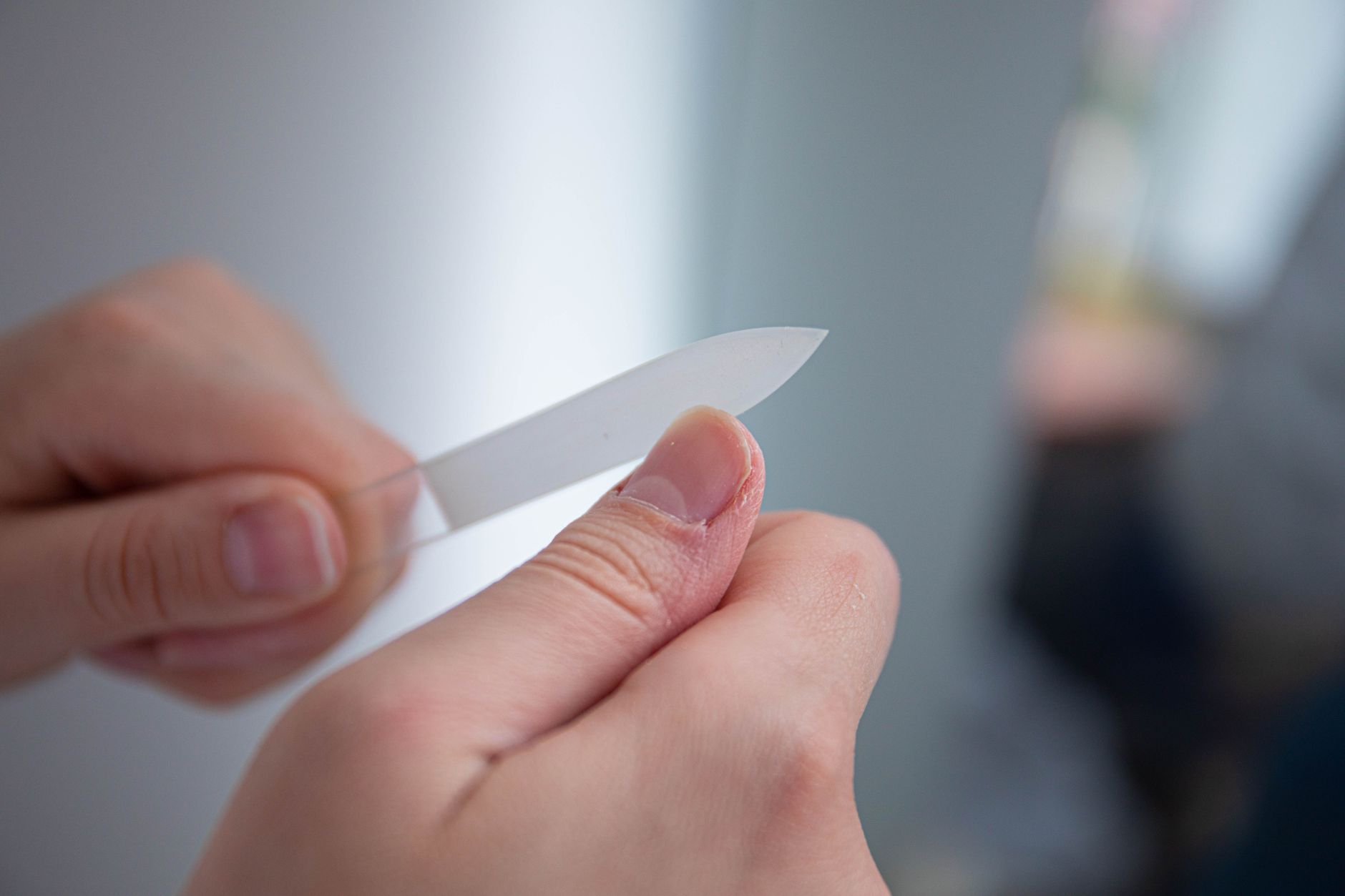
Ironically, keeping nails neatly trimmed removes the temptation to "fix" a snag. Use a glass or emery nail file every few days to keep edges smooth. Carry a small file in your bag so you can address rough spots without biting.
Step 4: Use a Physical Barrier
Barrier methods create immediate feedback and make biting harder.
| Method | How It Works | Best For |
|---|---|---|
| Bitter-tasting nail polish | Deterrent taste when you bite | Daytime use, mild to moderate biting |
| Adhesive bandages | Covers the nail completely | Severe biting, healing damaged nails |
| Cotton gloves | Blocks access to nails | Evening use, bedtime |
| Silicone finger caps | Reusable covers | Targeted protection for problem fingers |
Step 5: Replace the Habit with a Competing Response
Habit reversal training (HRT) is one of the most effective treatments for BFRBs. When you feel the urge to bite, do something incompatible instead:
- Clench your fist for 30 seconds.
- Touch each fingertip to your thumb in sequence.
- Use a fidget toy or stress ball.
- Apply hand cream and massage your fingers.
The goal is to satisfy the same urge without damaging your nails.
Step 6: Manage Stress and Anxiety
Since stress is a major trigger, adding relaxation techniques can reduce the urge to bite. Try:
- Deep breathing exercises for two minutes when anxious
- Short walks after stressful meetings
- Yoga or stretching in the evening
- Journaling to process worries before bed
For deeper anxiety, consider talking to a therapist. Cognitive behavioral therapy (CBT) and habit reversal training are evidence-based options.
Step 7: Reward Yourself
Set milestones and rewards. For example, treat yourself to a professional manicure after two weeks without biting. Positive reinforcement helps your brain associate progress with pleasure.
Step 8: Get Professional Help if Needed
If nail biting is severe, painful, or linked to anxiety or obsessive-compulsive symptoms, consult a dermatologist or mental-health professional. Treatments may include therapy, behavioral interventions, or, in some cases, medication.
Common Mistakes to Avoid
Many people try to quit nail biting but relapse quickly. Avoid these common pitfalls:
- Relying on willpower alone: Habits are automatic. You need systems, not just motivation.
- Punishing yourself for slip-ups: Guilt can increase stress, which may trigger more biting.
- Ignoring the emotional trigger: If you only treat the behavior and not the anxiety behind it, relapse is likely.
- Using harsh chemicals: Avoid caustic substances that can damage skin or cause allergic reactions.
- Stopping too soon: It can take several weeks to months for a new habit to replace an old one.
Product Recommendations
Choose products that make biting difficult and support nail recovery.
- Bitter-tasting nail polish: Look for formulas specifically labeled as anti-bite, such as those containing denatonium benzoate.
- Glass nail file: Gentler than metal files and helps seal the nail edge to reduce snags.
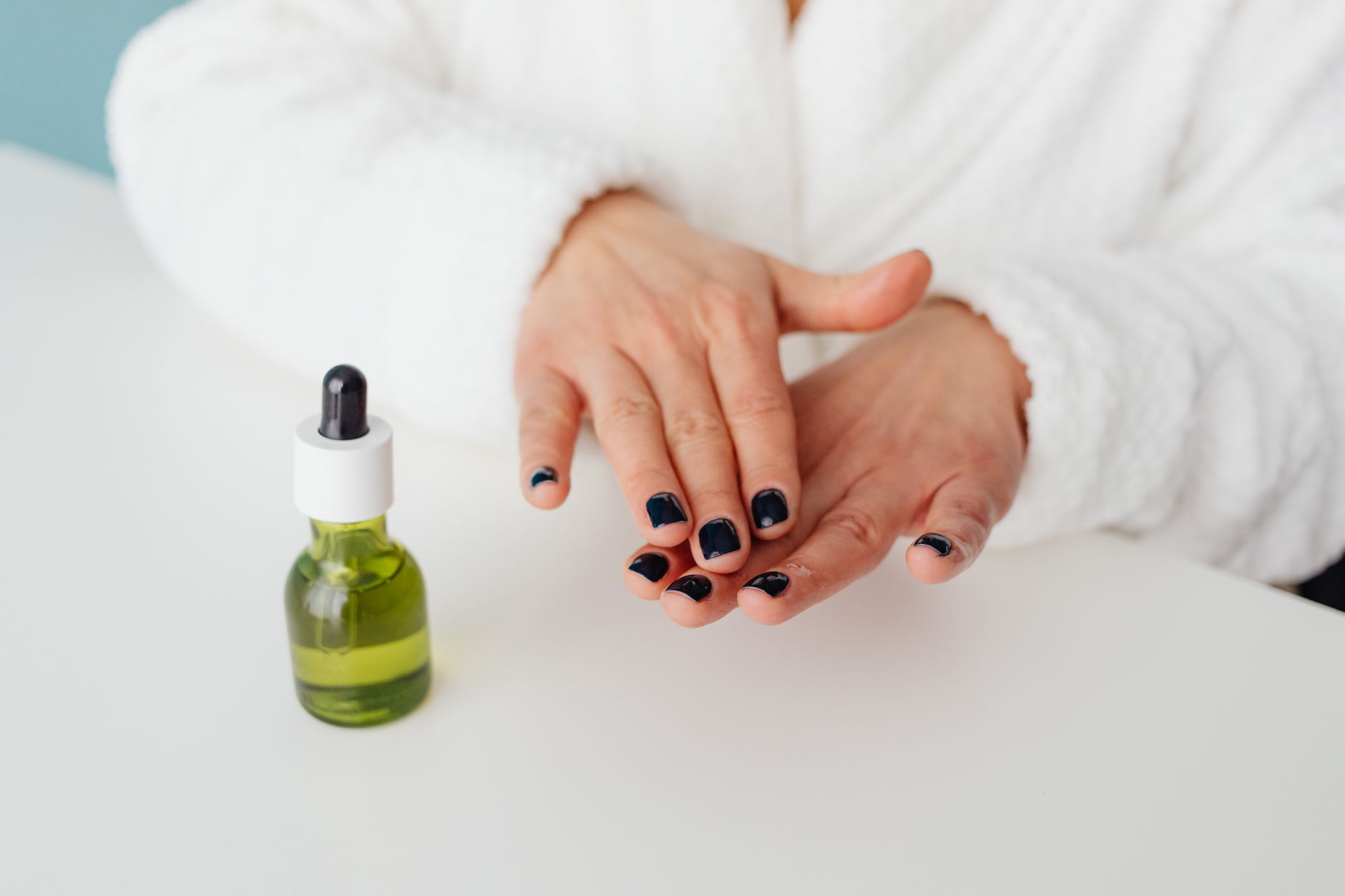
- Cuticle oil: Ingredients like jojoba oil, vitamin E, and almond oil nourish the nail area.
- Hand cream: Regular moisturizing reduces hangnails and dry skin that invite picking.
- Fidget toys: Spinners, cubes, or textured rings provide a harmless outlet for nervous energy.
- Apply cuticle oil twice daily. Hydrated nails and cuticles are less tempting to pick or bite.
- Get a professional manicure. When nails look polished, you may be less likely to ruin them.
- Keep a fidget tool nearby. Place one on your desk, in your car, and in your pocket.
- Use the "rubber band" awareness trick. Wear a loose band on one wrist and snap it gently when you notice yourself biting to increase awareness.
- Tell a friend. Accountability makes it harder to give up quietly.
- Focus on one hand at a time. Some people find it easier to stop biting one hand first, then the other.
- Celebrate small wins. Even 24 hours without biting is progress worth acknowledging.
Conclusion
Learning how to stop biting nails is not about perfection. It is about building awareness, removing temptation, and giving your hands the care they deserve. Start by identifying your triggers, use barriers and replacement habits, and be patient with the process. Most importantly, treat setbacks as information, not failure. With consistent effort, you can enjoy stronger, healthier nails-and the confidence that comes with them.
Ready to quit for good? Share this article with a friend who is trying to break the habit, and explore more nail care, beauty, and wellness tips on FunkyMillions.com.
Frequently Asked Questions
References
Last updated
This article is for informational purposes only and does not constitute medical advice. Consult a licensed dermatologist or healthcare provider before starting any new treatment.
Beauty & Hair Care Editor
Ilma is a beauty editor who specializes in breaking down cosmetic ingredients, skincare routines, and hair care practices. Her work focuses on evidence-based guidance readers can trust and apply.
Comments (0)
Be the first to comment.
Related Articles
Cuticle Care 101: How to Care for Cuticles
Learn essential cuticle care tips to keep your nail beds healthy, hydrated, and strong. Discover safe at-home routines and common mistakes to avoid.
Hangnails: Why They Happen and How to Prevent Them
Learn what causes hangnails, safe treatment for existing ones, and effective prevention strategies to keep your cuticles healthy.
Cuticle Oil vs. Hand Cream: Do You Need Both?
Cuticle oil vs hand cream: learn the real differences, whether you need both, and how to layer them for genuinely healthy nails and hands.
Gel Nails vs. Acrylic Nails: Which Is Better?
Trying to decide between gel nails vs acrylic nails? Compare durability, cost, application, removal, and nail health to find the best long-lasting manicure for you.