 Funky Millions
Collagen Supplements for Skin: Do They Work?
Do collagen supplements for skin actually work? Discover the science, benefits, types, dosage, and expert tips for smoother, more youthful-looking skin.
Quick summary
Key Takeaways
- Collagen supplements for skin typically contain hydrolyzed Type I and Type III collagen from bovine, marine, or porcine sources. Marine collagen is often favored for skin due to its smaller peptide size and high Type I content.
- Collagen supplements may work by delivering bioactive peptides that signal your skin to produce more collagen. Studies show measurable improvements in hydration, elasticity, and wrinkle depth after 8–12 weeks of consistent use.
- The main skin benefits of collagen supplements include improved elasticity, fewer wrinkles, better hydration, a stronger skin barrier, and faster healing. Most studies observe results after 8–12 weeks of daily use.
- Choose hydrolyzed Type I/III collagen, aim for 2.5–10 grams daily, take it consistently for at least 8–12 weeks, and pair it with vitamin C and sun protection for best results.
- Avoid unrealistic expectations, low doses, poor-quality products, and skipping vitamin C or sunscreen. Collagen supplements are one part of a broader skin-health strategy.
- Maximize collagen benefits by combining your supplement with vitamin C, hydration, sunscreen, collagen-boosting foods, and healthy habits like avoiding smoking and excess sugar.
- Choose hydrolyzed Type I/III collagen from a transparent, third-party-tested brand. Consider powders for versatility, and look for added vitamin C and hyaluronic acid.
If you have been browsing beauty aisles or scrolling through skincare forums lately, you have probably noticed one ingredient popping up everywhere: collagen. From powders and capsules to flavored drinks and gummies, collagen supplements for skin are marketed as a simple way to smooth wrinkles, boost elasticity, and restore a youthful glow. But with so much hype, it is fair to ask-do they actually work?
The short answer is: research shows promise, but results depend on the type of collagen, dosage, and consistency. Collagen is the main structural protein in your skin, making up about 75–80% of its dry weight. After age 25, your body produces roughly 1% less collagen each year, which contributes to fine lines, sagging, and thinner skin. While no supplement can completely stop aging, high-quality collagen peptides may help support your skin from within when paired with a healthy lifestyle.
In this guide, we will break down what collagen supplements are, how they work, what the science says, how to choose the right product, and the mistakes to avoid. Whether you are curious about marine collagen, bovine collagen, or vegan alternatives, you will leave with a clear, evidence-based answer to the question: are collagen supplements for skin worth your money?
What Are Collagen Supplements for Skin?
Collagen supplements are dietary products-usually powders, capsules, tablets, or liquids-that contain collagen protein or collagen-building ingredients. Most supplements use hydrolyzed collagen, also called collagen peptides. This means the large collagen molecules have been broken down into smaller amino acid chains, making them easier for your body to absorb.
Types of Collagen Found in Supplements
There are at least 28 types of collagen in the human body, but supplements usually focus on the most skin-relevant types:
- Type I: The most abundant type in skin, tendons, and bones. It provides structure and firmness.
- Type II: Found mainly in cartilage and joints, less relevant for skin.
- Type III: Often found alongside Type I in skin and blood vessels; supports elasticity.
- Type V and X: Sometimes included in multi-collagen formulas for broader support.
Most skin-focused supplements contain Type I and Type III collagen because these are the types most involved in dermal structure.
Sources of Collagen in Supplements
Collagen in supplements comes from animal sources. The most common include:
| Source | Description | Best For |
|---|---|---|
| Bovine (cow) | Derived from cow hide or bones; rich in Types I and III | General skin support, affordability |
| Marine (fish) | Sourced from fish skin and scales; smaller peptides, high Type I | Skin elasticity and absorption |
| Porcine (pig) | Similar to human collagen; contains Types I and III | Skin and joint support |
| Chicken | Often rich in Type II; more common in joint formulas | Cartilage and joint health |
How Do Collagen Supplements Work?
When you consume hydrolyzed collagen, your digestive system breaks it down further into amino acids and small peptides. These building blocks enter your bloodstream and may stimulate fibroblasts-the cells in your skin that produce collagen, elastin, and hyaluronic acid.
The Mechanism Behind Collagen Supplements
- Ingestion: You take collagen peptides in powder, capsule, or liquid form.
- Digestion: Stomach acids and enzymes break collagen into dipeptides and tripeptides.
- Absorption: Small peptides like prolyl-hydroxyproline (Pro-Hyp) enter the bloodstream.
- Distribution: These peptides travel through the body and reach the skin.
- Stimulation: Fibroblasts recognize collagen fragments and increase new collagen production.
- Results: Over weeks, skin may become firmer, more hydrated, and more elastic.
What the Research Says
Several peer-reviewed studies suggest that collagen supplements can improve skin appearance:
- A 2019 review in the Journal of Drugs in Dermatology analyzed 11 studies and found that oral collagen supplements increased skin elasticity, hydration, and dermal collagen density.
- A 2021 study published in Nutrients showed that participants taking 2.5–10 grams of hydrolyzed collagen daily experienced reduced wrinkles and improved skin hydration after 8–12 weeks.
- Research on marine collagen has also shown benefits for skin barrier function and moisture retention.
That said, not all studies are large or perfectly designed. More long-term research is needed, especially across different ages and skin types.
Benefits of Collagen Supplements for Skin
While collagen supplements are not a magic anti-aging pill, many users and studies report visible and measurable benefits when taken consistently.
1. Improved Skin Elasticity
Elasticity is what allows your skin to bounce back after being stretched. As collagen declines, skin becomes looser. Collagen peptides may help fibroblasts produce more elastin and collagen, leading to firmer skin over time.
2. Reduced Fine Lines and Wrinkles
Several clinical trials have shown that daily collagen supplementation can reduce wrinkle depth, especially around the eyes and mouth. This is likely due to increased collagen density in the dermis.
3. Better Hydration
Collagen peptides may support the production of hyaluronic acid, a molecule that holds water in the skin. Better hydration means plumper, smoother, and more radiant skin.
4. Stronger Skin Barrier
A healthy skin barrier protects against environmental damage, pollution, and moisture loss. Some research suggests collagen supplements support barrier function, which is especially helpful for dry or sensitive skin.
5. Faster Wound Healing
Collagen plays a key role in wound repair. Some studies indicate that collagen supplementation may help skin heal faster after procedures, breakouts, or minor injuries.
6. Support for Hair and Nails
Although this article focuses on skin, many people notice stronger nails and shinier hair as a bonus. This is because collagen provides amino acids like proline and glycine that support keratin production.
Step-by-Step: How to Use Collagen Supplements for Skin
Adding collagen to your routine is simple, but doing it correctly improves your chances of seeing results.
Step 1: Choose the Right Type of Collagen
For skin benefits, look for hydrolyzed collagen peptides, preferably Type I and Type III. Marine collagen is often considered the best for skin due to its smaller particle size and high Type I concentration.
Step 2: Check the Dosage
Most studies use between 2.5 and 10 grams of collagen peptides per day. For skin-specific benefits, 5 grams daily is a common effective dose. Check the label to see how much collagen is in each serving.
Step 3: Look for Added Skin-Supporting Ingredients
Some formulas include ingredients that boost collagen production or protect existing collagen:
- Vitamin C: Essential for collagen synthesis.
- Hyaluronic acid: Helps skin retain moisture.
- Biotin: Supports skin, hair, and nails.
- Zinc and copper: Cofactors for collagen formation.
- Antioxidants: Protect collagen from free radical damage.
Step 4: Take It Consistently
Collagen supplements require patience. Most people notice changes after 8–12 weeks of daily use. Take your supplement at the same time each day to build a habit.
Step 5: Mix It Into Your Routine
Collagen powder is unflavored and dissolves easily in:
- Coffee or tea
- Smoothies
- Oatmeal or yogurt
- Soups and sauces
Capsules are a convenient option if you prefer not to mix powder.
Step 6: Pair It With a Skin-Healthy Lifestyle
Supplements work best when combined with:
- A nutrient-rich diet
- Daily sun protection
- Adequate sleep
- Regular hydration
- A consistent skincare routine
Common Mistakes to Avoid
Even the best collagen supplement will not deliver results if you make these common mistakes.
1. Expecting Overnight Results
Collagen supplements are not an instant fix. Skin cells turn over slowly, and collagen remodeling takes time. Give it at least two to three months before judging results.
2. Choosing Low-Quality Products
Not all collagen supplements are equal. Some contain fillers, sugar, artificial flavors, or undisclosed animal sources. Look for third-party tested products from reputable brands.
3. Skipping Vitamin C
Your body cannot synthesize collagen without vitamin C. If your supplement does not contain it, make sure your diet includes citrus fruits, bell peppers, strawberries, or a separate vitamin C supplement.
4. Ignoring Sun Protection
UV exposure is one of the biggest causes of collagen breakdown. No supplement can outmatch daily sun damage. Wear SPF 30 or higher every day.
5. Taking Too Little Collagen
Some products contain only 1–2 grams per serving, which may be below the effective range for skin benefits. Check the label and aim for at least 2.5–5 grams daily.
6. Relying on Collagen Alone
Supplements support skin from within, but they work best alongside topical skincare, a healthy diet, and good lifestyle habits.
Collagen Supplements vs. Other Skin-Supporting Options
How do collagen supplements compare to other popular skin solutions? Here is a quick comparison.
| Option | How It Works | Best For | Timeline |
|---|---|---|---|
| Collagen supplements | Provide amino acids and peptides to support collagen production | Overall skin elasticity and hydration | 8–12 weeks |
| Vitamin C serums | Protect and stimulate collagen topically | Brightening, antioxidant protection | 4–12 weeks |
| Retinoids | Increase cell turnover and collagen synthesis | Wrinkles, acne, texture | 12+ weeks |
| Hyaluronic acid | Hydrates and plumps skin surface | Immediate hydration | Immediate to short-term |
| Sunscreen | Prevents collagen breakdown | Prevention of photoaging | Long-term |
| Healthy diet | Provides nutrients for collagen production | Whole-body skin health | Ongoing |
No single option is enough on its own. The most effective approach combines internal support (like collagen supplements and diet) with external protection (like sunscreen and topical actives).
Who Should Consider Collagen Supplements?
Collagen supplements may be especially helpful if you:
- Are over 25 and noticing early signs of aging
- Have dry or dehydrated skin
- Want to support skin elasticity and firmness
- Are recovering from acne or skin procedures
- Follow a diet low in collagen-rich foods
- Want a simple addition to your skincare routine
Who Should Be Cautious?
- People with fish or shellfish allergies should avoid marine collagen.
- Those following strict vegan diets should choose vegan collagen boosters, not animal-derived collagen.
- Pregnant or breastfeeding women should consult a healthcare provider before starting any supplement.
- People with medical conditions should check with their doctor first.
Product and Ingredient Recommendations
When shopping for collagen supplements for skin, look for these features:
What to Look For
- Hydrolyzed collagen peptides for better absorption
- Type I and Type III collagen for skin benefits
- Third-party testing for purity and quality
- No artificial sweeteners or excess sugar
- Added vitamin C, hyaluronic acid, or biotin
- Transparent sourcing (grass-fed bovine, wild-caught marine, etc.)
Common Forms
- Powder: Most versatile; easy to mix into drinks and food.
- Capsules: Convenient for travel or those who dislike powders.
- Liquid shots: Pre-measured, often flavored; quick to take.
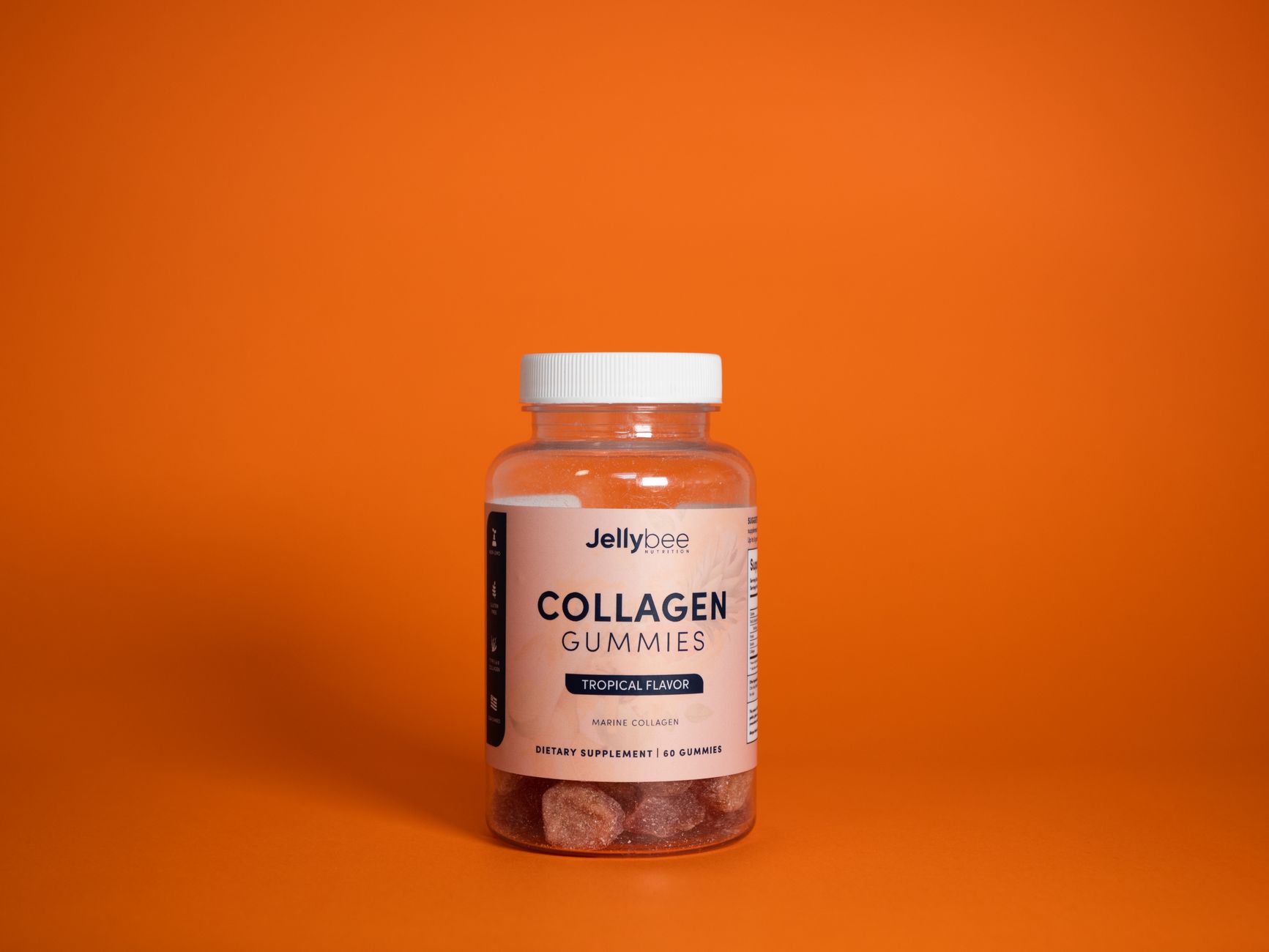
- Gummies: Tasty but may contain added sugar.
Want to get the most out of your collagen supplement? Here are practical tips from dermatologists and nutritionists.
Take It With Vitamin C
Vitamin C is a cofactor in collagen synthesis. Take your collagen with a source of vitamin C, such as orange juice, a kiwi, or a vitamin C supplement.
Stay Hydrated
Hydrated skin responds better to collagen support. Aim for at least 8 glasses of water daily, more if you exercise or live in a dry climate.
Protect Your Skin From the Sun
Daily sunscreen use preserves the collagen you already have. Choose a broad-spectrum SPF 30 or higher and reapply every two hours outdoors.
Eat Collagen-Boosting Foods
Support your supplement with foods rich in collagen-building nutrients:
- Bone broth
- Eggs
- Leafy greens
- Citrus fruits
- Berries
- Nuts and seeds
- Legumes
Be Patient and Consistent
Track your progress with monthly photos. Visible changes in skin texture and hydration often appear after two to three months.
Avoid Smoking and Excess Sugar
Smoking and high sugar intake accelerate collagen breakdown. Reducing both helps protect your skin and improves supplement results.
Conclusion
So, do collagen supplements for skin work? The evidence suggests they can be a helpful part of your skin-health routine, especially when you choose high-quality hydrolyzed collagen, take it consistently, and support it with vitamin C, sunscreen, and a healthy lifestyle. While they are not a miracle cure, many people notice smoother, more hydrated, and more elastic skin after 8 to 12 weeks.
If you found this guide helpful, share it with a friend who is curious about collagen, and explore more of our skincare and wellness articles on FunkyMillions. Your journey to healthier, more radiant skin starts with one small, informed step.
Frequently Asked Questions
References
Last updated
This article is for informational purposes only and does not constitute medical advice. Consult a licensed dermatologist or healthcare provider before starting any new treatment.
Beauty & Hair Care Editor
Amanda Gurton is a beauty editor and researcher with a focus on translating dermatology and trichology insights into clear, actionable advice. She covers skincare routines, hair health, ingredient science, and everyday beauty habits.
Comments (0)
Be the first to comment.
Related Articles

How Hydration Affects Your Skin: A Complete Guide
Learn how hydration affects skin health, elasticity, and glow. Discover expert tips, routines, and product advice to keep your skin hydrated from the inside out.

Sleep and Skin Health: Why Beauty Sleep Is Real
Discover how sleep and skin health are connected. Learn the science behind beauty sleep, skin repair at night, and how to build a bedtime routine for glowing skin.

Peptides in Skincare: Anti-Aging Benefits Explained
Discover the proven **peptides in skincare** benefits for anti-aging, how they work, how to use them, common mistakes, and expert tips for firmer, younger-looking skin.
Vitamin C and Niacinamide: Can You Really Not Use Them Together?
Can you use vitamin C and niacinamide together? Learn what the science says about this popular skincare myth and how to layer them correctly.