 Funky Millions
Gua Sha Facial Tool: How to Use It and What It Actually Does
Learn how to properly use a gua sha facial tool, what the practice can genuinely do for skin, and where its benefits are more modest than social media suggests.
Quick summary
Key Takeaways
- Facial gua sha is a gentler adaptation of traditional body gua sha, using light pressure suited specifically to the face's more delicate skin.
- Facial gua sha genuinely provides temporary de-puffing, modest circulation benefits, and a relaxing ritual, though effects are generally short-term rather than producing lasting structural changes.
- Proper facial gua sha technique follows a general downward-to-upward, inward-to-outward direction, always working toward the lymph nodes along the neck and ears.
- A short, consistent gua sha practice, three to five minutes performed regularly, tends to offer more noticeable cumulative benefit than infrequent, longer sessions.
- The temporary de-puffing and contouring effects of facial gua sha stem from genuine, well-understood mechanisms, lymphatic drainage, temporary increased blood flow, and muscle tension release, none of which produce permanent structural change.
- Active acne, rosacea flares, broken or recently treated skin, and certain medical conditions warrant caution or avoidance with facial gua sha, though the practice remains low-risk for most people otherwise.
- Regular cleaning, thorough drying, protective storage, and periodic inspection for damage keep a gua sha tool both hygienic and safe for continued use.
Facial gua sha, adapted from a traditional Chinese practice originally used on the body, involves using a smooth, flat tool to apply pressure and strokes across the face, and has become a popular addition to skincare routines for its relaxing ritual and modest cosmetic benefits. This guide covers proper technique, realistic expectations for results, and how to select and care for a facial gua sha tool.
What Facial Gua Sha Actually Is
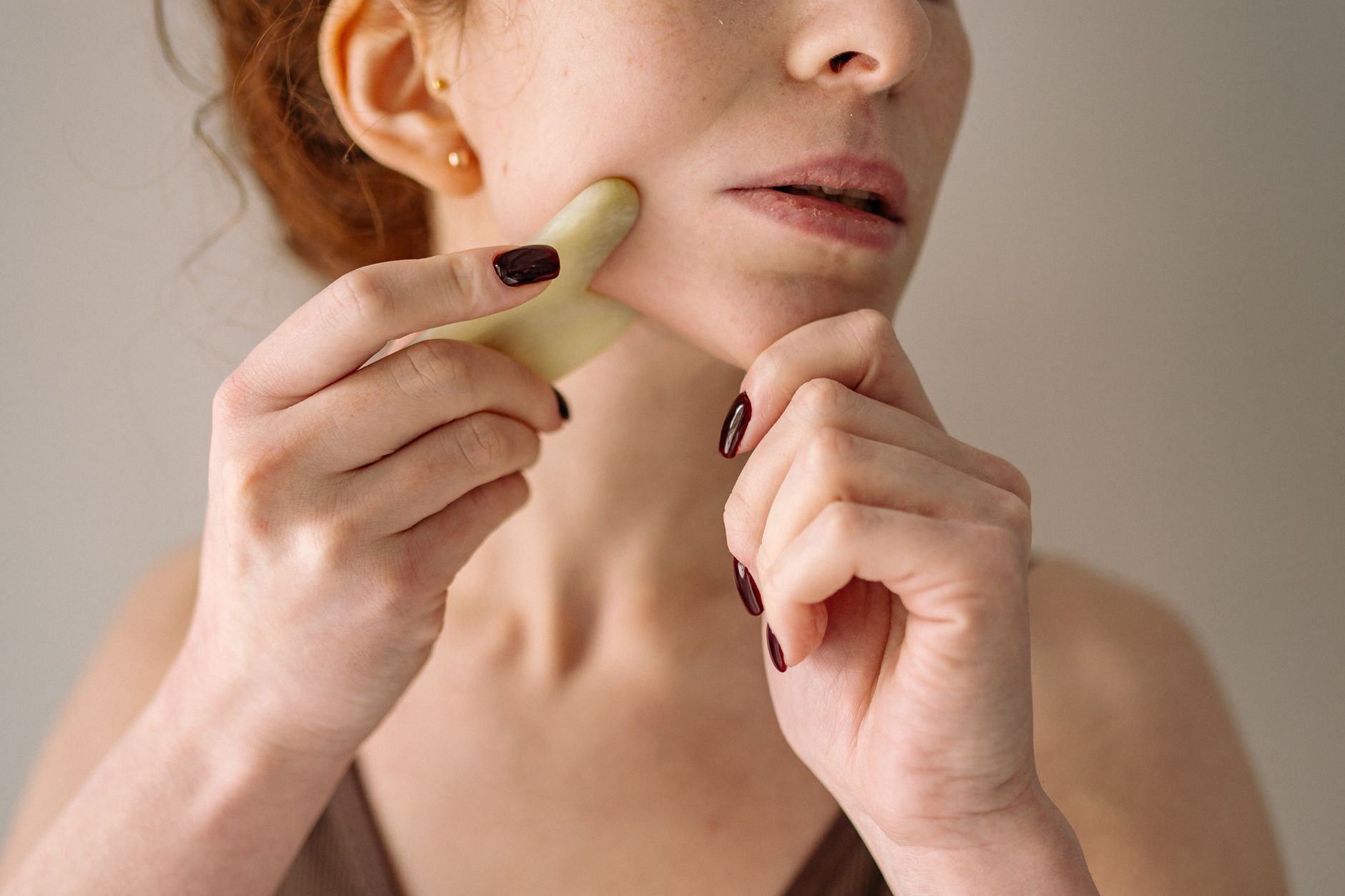
Traditional gua sha, practiced on the body, involves firmer scraping strokes intended to address muscle tension and is sometimes associated with visible temporary redness or petechiae. Facial gua sha, by contrast, uses considerably lighter pressure suited to the face's more delicate skin, focusing on gentle, sweeping strokes rather than the more vigorous scraping used on the body.
What the Practice Can Genuinely Do
Facial gua sha can provide temporary de-puffing and a modest, short-term contouring effect by encouraging lymphatic fluid movement and temporarily boosting circulation, effects that are real but generally last hours rather than days. Regular practice may also support product absorption when performed after applying a facial oil or serum, and many people find the ritual itself genuinely relaxing, contributing to reduced facial tension that can be noticeable even if the underlying mechanism is more about relaxation than any dramatic structural change to the face.
Choosing a Gua Sha Tool
Rose quartz, jade, and stainless steel are among the most common gua sha tool materials, and while marketing sometimes attributes special energetic properties to specific stones, the practical difference between materials mostly comes down to durability, how well the tool retains a cool temperature, and personal aesthetic preference. A well-designed tool should have both a broader edge for larger areas like the jaw and cheeks and a narrower or curved edge for more precise areas like under the eyes or along the brow bone.
Basic Facial Gua Sha Technique
- Apply facial oil or a slippery serum generously to allow the tool to glide without dragging skin
- Start at the neck, using upward strokes toward the jaw to support lymphatic drainage toward the neck's lymph nodes
- Move to the jawline, using outward strokes from chin to ear
- Work across the cheeks, using upward and outward strokes from nose to ear
- Address the forehead and brow area with gentle upward and outward strokes
- Finish under the eyes using very light pressure with the tool's curved edge, moving from inner to outer corner
Preparing Skin Before Gua Sha
Always apply a facial oil or a particularly slippery serum before using a gua sha tool. Using the tool on dry skin creates friction that can cause micro-tears, irritation, or unwanted stretching of the skin, undermining rather than supporting the practice's intended benefits.
How Often to Practice Facial Gua Sha
Most practitioners recommend three to five minutes of facial gua sha, performed anywhere from a few times a week to daily, depending on personal preference and time availability, since the practice carries relatively low risk of overuse compared to more active skincare ingredients. Consistency tends to matter more than frequency alone for noticing the practice's cumulative relaxation and circulation benefits over time.
The Science Behind Gua Sha's Temporary Effects
The visible de-puffing and subtle contouring effect many people notice after facial gua sha can be explained through relatively well-understood physiological mechanisms rather than requiring more mystical explanations sometimes attached to the practice. The face contains a network of lymphatic vessels responsible for draining excess fluid, and gentle, directional pressure applied toward the lymph nodes along the neck and behind the ears can temporarily encourage this fluid to move more efficiently, reducing the appearance of puffiness, particularly under the eyes and along the jawline, where fluid tends to accumulate, especially after sleep or in response to sodium intake, allergies, or hormonal fluctuations. Increased localized blood flow, stimulated by the tool's pressure and repetitive motion, can also produce a temporary, subtle plumping effect and a healthier-looking flush, similar to the effect of a brief facial massage performed with hands alone. Muscle tension release, particularly around the jaw and forehead, areas where many people unconsciously hold tension throughout the day, may also contribute to a more relaxed, slightly less tense facial appearance following a gua sha session. None of these mechanisms alter facial bone structure or produce permanent changes to facial fat distribution, which is why the visible effects, while genuinely real in the short term, typically fade within several hours to a day, requiring consistent practice to maintain rather than a one-time dramatic transformation.
Comparison Table: Gua Sha vs. Facial Massage vs. Facial Rollers
| Tool/Technique | Primary Benefit | Pressure Level |
|---|---|---|
| Gua sha | De-puffing, contouring ritual | Light to moderate, flat tool edge |
| Facial massage (hands) | Circulation, relaxation | Variable, fully adjustable |
| Facial roller | De-puffing, cooling sensation | Light, rolling motion |
Who Should Approach Facial Gua Sha With Caution
While facial gua sha is generally low-risk when performed with light pressure, several situations warrant either caution or avoiding the practice altogether until a specific condition resolves or a healthcare provider is consulted. Active acne, particularly inflamed, pustular breakouts, can be aggravated by the pressure and dragging motion of a gua sha tool, potentially spreading bacteria across the face or irritating already-inflamed skin, making it reasonable to avoid the affected areas or the practice entirely during an active flare. Those with rosacea may find that the increased blood flow gua sha encourages temporarily worsens visible redness and flushing, and while this effect is typically short-lived, it's worth testing cautiously and discontinuing if flushing feels excessive or uncomfortable. Any broken skin, open wounds, sunburn, or recent cosmetic procedures like microneedling, chemical peels, or laser treatments should heal fully before introducing gua sha to the affected area, since the friction and pressure can interfere with proper healing or introduce irritation to already-compromised skin. People with certain blood clotting disorders or those taking blood-thinning medications should consult a healthcare provider before beginning a gua sha practice, given the increased blood flow and pressure involved, even though facial pressure is considerably gentler than the body gua sha techniques more commonly associated with bruising concerns. Pregnant individuals generally face no specific contraindication to facial gua sha itself, though as with any new skincare or wellness practice during pregnancy, mentioning it to a healthcare provider is a reasonable precaution. For the majority of people without these specific concerns, facial gua sha performed with appropriately light pressure remains a low-risk addition to a skincare routine.
Common Mistakes to Avoid
Using the Tool on Dry Skin
Skipping a facial oil or slippery serum before gua sha creates friction that can irritate or stretch skin rather than supporting the intended lymphatic benefits.
Applying Excessive Pressure
Facial skin is considerably more delicate than the body areas traditional gua sha was designed for, making excessive pressure more likely to cause irritation than additional benefit.
Expecting Dramatic, Long-Lasting Results
The de-puffing and contouring effects of gua sha are genuine but temporary, and expecting dramatic, lasting facial restructuring from the practice sets unrealistic expectations.
Neglecting Proper Stroke Direction
Strokes moving in the wrong direction, away from rather than toward the lymph nodes, may reduce the practice's effectiveness for its primary de-puffing benefit.
Caring for and Cleaning Your Gua Sha Tool
Proper cleaning and storage of a gua sha tool matters both for hygiene and for preserving the tool's surface quality over time, since residual oil and product buildup can otherwise attract dust and bacteria between uses. After each use, wiping the tool with a clean cloth to remove residual facial oil or serum, followed by washing with mild soap and lukewarm water, keeps the tool hygienic without risking damage from harsh chemicals or excessive heat, which can cause certain stone materials to crack or develop microfractures over repeated exposure. Drying the tool thoroughly before storage prevents water spots on polished stone surfaces and reduces the opportunity for bacterial growth in any residual moisture. Storing the tool in a dedicated pouch or case, rather than loose in a drawer alongside other objects, helps protect stone tools from chips or scratches, which can otherwise create rough edges capable of scratching or irritating skin during future use. Some people enjoy storing their gua sha tool in the refrigerator between uses, which adds a pleasant cooling sensation during application and may offer a very modest additional de-puffing benefit from the cold temperature itself, though this step is optional rather than necessary for the tool's core function. Periodically inspecting the tool's edges for chips, cracks, or roughness, and replacing it if any of these develop, ensures continued safe, comfortable use, since a damaged tool edge can scratch or irritate skin regardless of how gentle your technique otherwise is.
- Always use a slippery oil or serum as a base before facial gua sha to prevent friction and skin irritation.
- Keep pressure light on facial skin, reserving firmer pressure for the neck and jaw area only.
- Practice consistently for a few minutes rather than occasionally for longer sessions.
- Store your tool in a cool place, like the refrigerator, for an additional cooling, de-puffing sensation during use.
Conclusion
Facial gua sha, when practiced with proper technique, light pressure, and an appropriate slippery base product, offers genuine temporary de-puffing, modest circulation benefits, and a relaxing ritual, even though its effects don't extend to dramatic, lasting facial restructuring. Approaching the practice with realistic expectations, while still enjoying its real, if modest and temporary, cosmetic and relaxation benefits, makes facial gua sha a worthwhile addition to a skincare routine for many people.
Category: Beauty Tips & Tricks
Tags: gua sha facial tool, gua sha technique, facial massage tools, de-puffing skincare, rose quartz gua sha, jade gua sha, facial contouring tools, lymphatic drainage face, skincare tools, facial ritual
Frequently Asked Questions
References
Last updated
This article is for informational purposes only and does not constitute medical advice. Consult a licensed dermatologist or healthcare provider before starting any new treatment.
Beauty & Hair Care Editor
Amanda Gurton is a beauty editor and researcher with a focus on translating dermatology and trichology insights into clear, actionable advice. She covers skincare routines, hair health, ingredient science, and everyday beauty habits.
Comments (0)
Be the first to comment.
Related Articles
Jade Roller vs Gua Sha: Which Facial Tool Is Best
Compare jade roller vs gua sha benefits, techniques, and routines to decide which facial tool fits your skincare goals best.
How to Choose Sustainably Packaged Beauty Products
Learn how to identify genuinely sustainable beauty packaging, avoid greenwashing, and make more environmentally conscious beauty purchases.
How to Build a Travel-Friendly Beauty Routine
Learn how to build an effective, compact travel beauty routine, including product decanting, TSA rules, and maintaining consistency on the go.
Skincare Ingredients You Should Never Mix Together
Learn which skincare ingredient combinations to avoid, why they conflict, and how to layer active ingredients safely instead.