 Funky Millions
Hair Loss After Pregnancy
Quick summary
Key Takeaways
- Hair loss after pregnancy is usually temporary postpartum shedding caused by hormone changes after delivery.
- Shedding often begins two to four months postpartum and commonly improves within six to twelve months.
- Gentle washing, wide-tooth combing, loose hairstyles, and avoiding excess heat can reduce breakage while hair recovers.
- Persistent, patchy, painful, or symptom-linked hair loss should be checked by a healthcare professional.
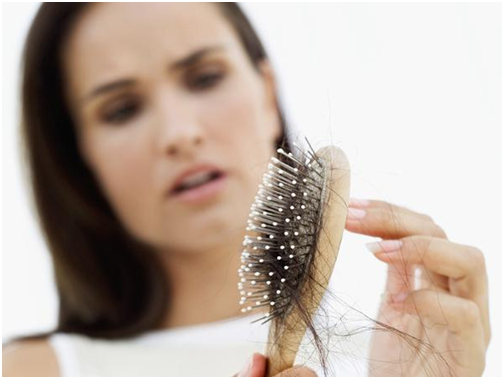
Pregnancy is a very beautiful stage, even with all the hardships that the moms have to bear. The smiling face and those tiny feet of the baby are always a source of satisfaction. But during and after pregnancy, the after effects are going to last for some while because the whole body undergoes serious changes and it takes a long time for the body to regain its original shape. Hair loss is also one issue which women have to endure during and after pregnancy.
Excessive Hair Loss After Pregnancy
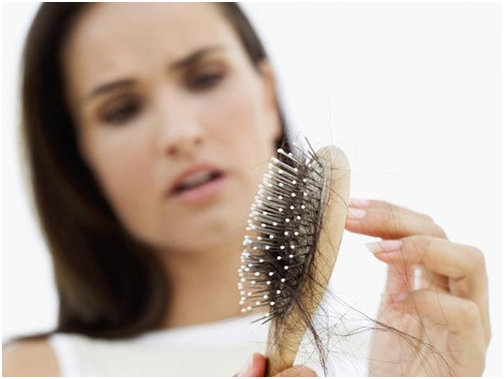
There is a scientific explanation of why hair starts to fall off after a woman delivers a baby. During pregnancy, the hormones within the body start changing their levels and so the hair become healthier and fuller. You will certainly notice that your hair is not falling off. Gradually, during the nine months, you will have healthy hair. Soon after the birth of the baby, the hormones start to settle down. Once again the change in the levels of various hormones have to settle down to their original resting place. Because of that, after about 10-12 weeks of delivering the baby, you will notice that your hair is starting to fall off or even shed. This will be alarming and unsettling for you of course.
But there is no need to be anxious about it. This surely will be a disturbing phase for you, especially whenever you are shampooing or brushing your hair, for that is the time when your hair will fall off the most. This shedding is temporary and your hair will come back to the pre-pregnancy condition. But it will take some time and you will have to be patient. The more anxious you will be, the more damage you can cause to our hair because depression sure can lead to further hair fall.
How to Prevent Hair Loss After Pregnancy
The hair loss is not something which is bound to happen to you after childbirth. You can reduce the risks and the probability rate of such an issue. Even if you cannot prevent that hair loss, you can take measures that can help make it feel less obvious. That will certainly help make matters better. There are a number of tips that can lead to prevention of hair loss after pregnancy. Just follow them and make sure you lead a happy, cheerful post pregnancy life.
- Getting a new hair cut is most of the times the most reliable method of either treating hair fall, or ensuring the fact that the risk of your future hair loss is eliminated. Get your hair cut in layers or bangs at the front. So when your hair starts to shed off, you can still maintain your full hair look. Your split ends will also be removed and this will also aid you as split ends are a barrier in the process of hair growth. Fresh hair cut will leave your hair healthy and flowing.
- Changing the style of the hair will also help. When you start to get thinner hair, people will not notice the lesser hair you have got, instead, the changed hair style will become the more prominent feature of your personality. Change hair color, or start doing your hair differently. For instance, if you normally parted your hair from the middle, start parting it sideways. Instead of leaving your hair open, use a head scarf of Bobby pins of different colors to give a new look. This will shift the focus from your hair loss and you will be more confident about yourself.
- Keep your hair well moisturized at all times because tangles can also cause hair loss when you comb your hair. A good hair moisturizer will also maintain the health of your hair. Pure natural oils like coconut oil, olive or mustard oil will strengthen your hair and keep it fresh and smooth. Regularly oil your hair and keep it clean.
- Get a hair treatment that best suits your hair type. If your hair turns out to be good after protein hair treatments and other treatments of the like, then do get them after childbirth.
- If your hair is naturally straight, get them blow dried or use curling irons on your hair. This way, the thin hair will be less prominent and your hair will look fuller and with more volume and mass with this kind of a hair style.
- Keep including healthy food in your daily diet. Including fresh fruits and vegetables will keep your hair well nourished and well fed. A balanced diet is very important for your hair. Drinking loads of water and eating food rich in protein will enhance the health of your hair and will help you quickly overcome the post pregnancy depressing stage of hair fall.
- Avoid using a lot of heat on your hair through blow dryers and irons. The excessive heat exposure will further weaken your hair’s health. For hair styling, use hair cream or wax instead of these irons.
- For brushing your hair, use a comb which has wide tooth and a brush which has softer ends and will not damage the scalp. Injured hair scalp will definitely cause harm to the roots of the hair. A good hairbrush or a comb is vital for the hair’s health. Physical torment will surely weaken the hair.
- Do not style your hair in a way that pulls and stretches your hair a lot. Tight ponytails and heavy curls will cause hair breakage. Even while combing or brushing your hair, be careful with it. Pulling on it will not make things right. Be gentle and soft with it so that the hair feels nurtured in your friendly touch.
- Zinc, vitamin B and C are very important for your hair’s growth and maintenance. Either take oral supplements of these nutrients or start using hair products like shampoo or a conditioner that contain these elements. Regular contact with your hair with these nutrients will enhance the hair’s health.
Hair loss after pregnancy and delivering a baby is something normal and routine process. You need not worry over that and just continue with your daily routine without being anxious or over worked about it. Follow the above mentioned simple tips and you will surely see the difference. These are very convenient tools and nothing is out of the way for you. Make sure you start following these on time so that you do not have to go through the pains of seeing your hair washing down the gutter during a shower that was supposed to be relaxing.
When Postpartum Hair Shedding Usually Starts and Stops
Hair loss after pregnancy often becomes noticeable around two to four months after delivery, which matches the time when pregnancy hormones begin returning toward their usual pattern. During pregnancy, many hairs stay in the growing phase longer than normal, so shedding slows down. After childbirth, more hairs shift into the resting and shedding phase at the same time. This can make the amount of hair in the shower drain, on the pillow, or in the brush look dramatic, even though it is usually temporary.
For many mothers, shedding improves by six to twelve months postpartum. If hair is still thinning heavily after the baby’s first birthday, or if the hairline is receding in patches, it is sensible to speak with a healthcare professional or dermatologist.
How to Handle Washing, Brushing, and Styling
Postpartum hair does not need to be washed less often out of fear that shampooing causes the loss. The hairs that come out during washing were usually already ready to shed. What matters more is treating the hair gently. Use a mild shampoo, apply conditioner mainly through the lengths, detangle from the ends upward, and avoid rough towel drying.
Loose styles are better than tight buns, braids, or ponytails that pull on the roots. If the shedding is most visible around the temples, soft face-framing layers, a side part, or a shorter cut can help the hair look fuller while new growth appears.
Nutrition, Recovery, and When to Ask for Help
Childbirth recovery, breastfeeding, interrupted sleep, stress, and changes in diet can all affect how hair feels and grows. A balanced diet with enough protein, iron-rich foods, fruits, vegetables, and fluids supports normal hair growth. If you are taking a postnatal vitamin, use it as directed and avoid adding extra supplements unless your clinician recommends them, especially when breastfeeding.
Get medical advice if shedding is severe, sudden, patchy, painful, or accompanied by scalp redness, itching, fatigue, heavy periods, dizziness, or unexplained weight changes. These symptoms can point to issues such as low iron, thyroid imbalance, scalp inflammation, or another condition that needs targeted care.
For related advice, see [Causes of Hair Loss in Women](/causes-of-hair-loss-in-women), [Best Hairstyles for Every Hair Type](/best-hairstyles-for-every-hair-type) and [Coconut Oil Hair Treatment](/coconut-oil-hair-treatment).
Dermatologists commonly recommend reassuring new mothers that hair loss after pregnancy is usually a normal form of temporary shedding, not permanent balding. They typically advise gentle hair care, avoiding tight styles and harsh heat, supporting recovery with adequate nutrition, and seeking evaluation if shedding is prolonged, patchy, or associated with symptoms that may suggest thyroid, iron, or scalp concerns.
Conclusion
Hair loss after pregnancy can feel upsetting, especially when it appears suddenly after months of thicker, healthier-looking hair. In most cases, it is a temporary shedding phase caused by normal hormonal changes after childbirth rather than permanent hair loss.
Gentle hair care, low-tension styling, good nutrition, hydration, and patience can make the transition easier while the growth cycle settles. If the shedding lasts too long, becomes patchy, or comes with other symptoms, professional guidance can help identify and treat any underlying cause.
Frequently Asked Questions
Last updated
This article is for informational purposes only and does not constitute medical advice. Consult a licensed dermatologist or healthcare provider before starting any new treatment.
Beauty & Hair Care Editor
Amanda Gurton is a beauty editor and researcher with a focus on translating dermatology and trichology insights into clear, actionable advice. She covers skincare routines, hair health, ingredient science, and everyday beauty habits.
Comments (0)
Be the first to comment.
Related Articles
Best Hair Growth Ingredients for Thicker, Healthier Hair
Discover the best hair growth ingredients backed by science. Learn how biotin, minoxidil, rosemary oil, and more can boost thickness and reduce shedding.
How to Deal with Frizzy Hair in Humidity: A Complete Guide
Tired of frizzy hair in humidity? Learn proven tips, products, routines, and expert hacks to keep hair smooth, sleek, and manageable on humid days.
Protein vs. Moisture: Balancing Hair Treatments
Learn the difference between protein vs moisture hair care, how to balance treatments, signs of overload, and expert tips for stronger, softer strands.
Scalp Exfoliation Benefits: How to Do It Safely at Home
Discover scalp exfoliation benefits, how to exfoliate your scalp safely, and expert tips for healthier, fuller-looking hair. A complete guide for all hair types.