 Funky Millions
Lipstick for Beginners: How to Choose Your Shade
Learn how to choose lipstick shade with this beginner-friendly guide. Discover undertones, finishes, and expert tips to find your perfect lip color every time.
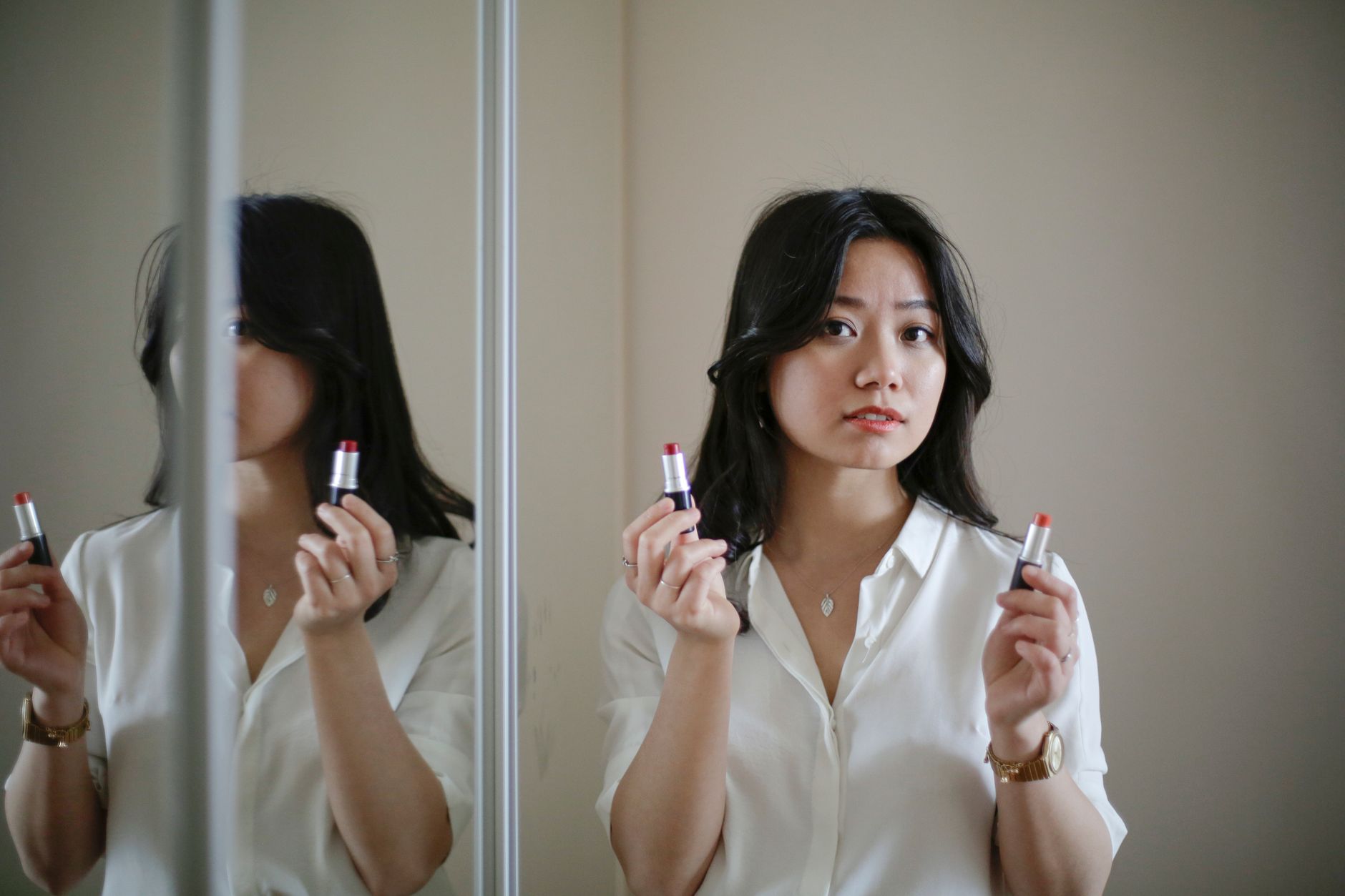
Quick summary
Key Takeaways
- Lipstick shade is not just about color preference. It is about finding a tone that harmonizes with your skin's natural undertone and the look you want to create.
- Your undertone is the foundation of every lipstick decision. Once you know it, narrowing down shades becomes much easier.
- If you have dry lips, start with satin, cream, or balm formulas. If you want long wear, try matte or liquid lipstick.
- The best way to learn how to choose lipstick shade is to test, wear, and observe. Start small, and build your collection based on what you actually use.
Introduction
Choosing the right lipstick can feel overwhelming when you are standing in front of dozens of shades, finishes, and formulas. If you have ever wondered how to choose lipstick shade that actually flatters your complexion, you are not alone. Many beginners buy colors that look beautiful in the tube but turn out too bright, too dull, or simply wrong against their skin tone.
The good news is that finding your perfect lipstick shade is not a guessing game. It comes down to understanding your skin's undertone, your natural lip color, and the occasion you are dressing for. When you match a lipstick to these factors, the color enhances your features instead of fighting them. In this guide, you will learn a simple, step-by-step process for choosing lipstick shades, the most common mistakes beginners make, and expert tips that make application easier. Whether you want an everyday nude, a bold red, or a soft pink, this article will help you build confidence with every swipe.
What Is Lipstick and Why Does Shade Matter?
Lipstick is a cosmetic product designed to add color, texture, and sometimes hydration to the lips. It comes in many forms, including bullets, liquids, creams, mattes, stains, and balms. While texture and finish affect how lipstick feels and lasts, the shade is what changes how your entire face looks.
The right lipstick shade can brighten your complexion, make your teeth look whiter, and bring out your eyes. The wrong shade can wash you out, emphasize discoloration, or clash with your natural coloring. That is why learning how to choose lipstick shade is one of the most useful makeup skills a beginner can develop.
Benefits of Wearing the Right Lipstick Shade
Wearing a lipstick shade that suits you offers more than cosmetic appeal. Here are the main benefits beginners should know:
- Enhances your natural features. The right shade draws attention to your lips and frames your smile.
- Balances your complexion. Warm undertones look radiant with warm lip colors, while cool undertones glow with blue-based shades.
- Boosts confidence. A flattering lip color can make you feel more put-together, even on minimal-makeup days.
- Creates versatility. With just a few well-chosen shades, you can build looks for work, casual outings, and special events.
- Defines your makeup style. Whether you prefer natural, bold, or trendy looks, your lipstick shade helps set the tone.
How to Find Your Skin Undertone
Before you can choose a lipstick shade, you need to identify your skin undertone. Undertone is the subtle color beneath the surface of your skin and stays the same even when you tan.
The Three Main Undertones
| Undertone | Characteristics | Best Lipstick Tones |
|---|---|---|
| Cool | Pink, red, or blue tint; veins look blue; silver jewelry flatters | Blue-based reds, berry, mauve, cool pinks, plum |
| Warm | Yellow, peach, or golden tint; veins look green; gold jewelry flatters | Coral, orange-red, peach, warm nude, brick, terracotta |
| Neutral | Mix of warm and cool; veins look blue-green; both metals work | Rose, dusty pink, soft red, balanced berry, beige-pink |
Quick Tests to Identify Your Undertone
- Vein test: Look at the veins on your wrist in natural light. Blue or purple usually means cool undertones. Green means warm. If you see both, you are likely neutral.
- Jewelry test: Hold gold and silver jewelry against your skin. If gold looks better, you are probably warm. If silver wins, you are likely cool.
- White fabric test: Hold a pure white cloth near your face. If your skin looks pink or rosy, you are cool. If it looks yellow or golden, you are warm.
How to Choose Lipstick Shade by Skin Tone
Your overall skin tone also plays a role in how a lipstick appears. Use the guide below as a starting point.
Fair Skin
Fair skin often looks best with soft, light-to-medium shades. Avoid colors that are too dark or too brown, because they can create a harsh contrast.
- Best shades: Soft pinks, peachy nudes, light corals, strawberry reds, rosy mauves
- Avoid: Very dark browns, deep plums, and overly ashy nudes
Medium Skin
Medium skin tones are versatile and can carry both warm and cool shades well.
- Best shades: Rose, berry, warm reds, caramel nudes, cranberry, dusty mauve
- Avoid: Extremely pale nudes that wash out your complexion
Olive Skin
Olive skin has a greenish or grayish undertone that can make some colors look muddy or too orange.
- Best shades: Warm pinks, rosy browns, terracotta, brick red, warm berry
- Avoid: Orange-based corals and very pale frosted shades
Deep Skin
Deep skin tones look stunning with rich, saturated colors that provide strong contrast.
- Best shades: Deep berries, plums, wine reds, chocolate browns, brick reds, vibrant oranges
- Avoid: Pale, chalky nudes and colors with too much white pigment
How to Choose Lipstick Shade by Occasion
The occasion helps determine how bold or subtle your lipstick should be.
| Occasion | Recommended Shades | Finish |
|---|---|---|
| Everyday/work | Nude, mauve, soft pink, MLBB (my lips but better) | Satin, cream, tinted balm |
| Date night | Rose, berry, classic red | Satin, semi-matte |
| Wedding/formal event | Elegant red, soft berry, dusty rose | Cream, satin, velvet matte |
| Casual outing | Coral, peach, sheer tint | Gloss, balm, sheer lipstick |
| Bold statement | Bright red, fuchsia, deep plum, orange | Matte, liquid lipstick |
How to Choose Lipstick Finish
Finish affects how the color looks and feels on your lips. Beginners should understand the differences before buying.
Common Lipstick Finishes
- Matte: High pigment, no shine, long-lasting. Can feel dry on chapped lips.
- Satin: Subtle sheen, comfortable, good color payoff. A great everyday choice.
- Cream: Smooth, hydrating, and easy to apply. Wears off faster than matte.
- Gloss: Shiny and hydrating but low staying power. Good for casual looks.
- Liquid lipstick: Usually dries matte and lasts for hours. Requires precise application.
- Tinted balm: Sheer color with moisture. Perfect for beginners and low-maintenance days.
For readers dealing with dryness, our guide on how to get rid of dry lips explains how to prep your lips before applying color.
Step-by-Step: How to Choose Lipstick Shade
Follow these steps the next time you shop for lipstick or test shades at home.
Step 1: Identify Your Undertone
Use the vein, jewelry, or white fabric test described earlier. Write down whether you are cool, warm, or neutral.
Step 2: Consider Your Natural Lip Color
Your bare lip color affects how a lipstick looks once applied. If your lips are naturally pigmented, a sheer formula may not show up true to the tube. In that case, use a lip primer or choose opaque formulas.
Step 3: Test on Your Lips, Not Your Hand
Swatching on the back of your hand is convenient, but it does not show how the color interacts with your face. Always test lipstick on your lips whenever possible.
Step 4: Check the Color in Natural Light
Store lighting can be misleading. Step near a window or go outside to see the true color.
Step 5: Match It to Your Makeup Look
Decide whether your lips or eyes will be the focus. A bold lip pairs well with softer eye makeup. A dramatic eye look works better with a neutral lip.
Step 6: Choose the Right Finish for Your Needs
Think about comfort, longevity, and the occasion before choosing matte, satin, gloss, or cream.
Step 7: Build a Small Capsule Collection
Beginners do not need fifty lipsticks. Start with three core shades:
- One nude or MLBB shade for everyday
- One pink or rose for casual days
- One red or berry for special occasions
Common Mistakes Beginners Make
Avoid these common pitfalls when learning how to choose lipstick shade.
- Buying based on the tube color. Lipstick can look very different on your lips than it does in the packaging.
- Ignoring undertone. A beautiful color on someone else may clash with your undertone.
- Skipping lip prep. Dry, flaky lips make any lipstick look uneven. Exfoliate and moisturize first.
- Choosing the wrong finish. A matte formula on chapped lips will emphasize dryness.
- Overlining too aggressively. Beginners often draw outside the natural lip line unevenly. Start with a liner close to your lip color.
- Wearing bold colors without confidence. If a shade feels too loud, blot it or choose a softer version.
Lipstick Shade Recommendations for Beginners
Here are beginner-friendly product categories and shades organized by undertone and occasion.
Everyday Nudes
| Undertone | Shade Direction |
|---|---|
| Cool | Pinky nude, mauve nude, beige-rose |
| Warm | Peach nude, caramel nude, honey beige |
| Neutral | Balanced rose nude, soft taupe |
Bold Statement Colors
| Undertone | Best Bold Shades |
|---|---|
| Cool | Blue-based red, fuchsia, berry, plum |
| Warm | Orange-red, coral, brick red, terracotta |
| Neutral | True red, rose berry, soft burgundy |
Beginner-Friendly Formulas
- Tinted lip balms for hydration and subtle color
- Cream lipsticks for easy, comfortable wear
- Satin finishes for a polished everyday look
- Lip stains for long-lasting low-maintenance color
How to Apply Lipstick Like a Beginner
Application matters just as much as shade selection. Here is a simple routine.
- Exfoliate your lips. Use a gentle lip scrub or a soft toothbrush to remove flakes.
- Moisturize. Apply lip balm and let it absorb for a few minutes. Blot excess before color.
- Apply lip liner. Outline your natural lip line and lightly fill in the lips.
- Apply lipstick. Start at the center and work outward. Use a brush for precision.
- Blot and layer. Blot with tissue, then apply a second thin layer.
- Clean the edges. Use a small brush with concealer to sharpen the outline if needed.
For a complete skin prep routine before makeup, check out our guide on how to make your skin glow.
Use these professional tips to improve your lipstick game quickly.
- Use a lip liner. A liner defines your lips and prevents color from feathering. Choose a shade close to your natural lip color for versatility.
- Apply with a brush for precision. A lip brush gives you more control, especially with bold shades.
- Blot between layers. Apply one layer, blot with tissue, then apply a second layer for longer wear.
- Balance bold lips with simple eyes. Let one feature stand out at a time.
- Use concealer to correct mistakes. Clean up the edges with a small brush and concealer.
- Experiment with mixing shades. Blend two lipsticks to create a custom color.
- Store lipstick properly. Keep it in a cool, dry place away from direct sunlight to maintain texture.
If you are also working on your overall beauty routine, you may enjoy our article on beauty tips without makeup for simple ways to look polished every day.
Conclusion
Learning how to choose lipstick shade does not have to be confusing. By understanding your undertone, considering the occasion, and testing shades properly, you can build a lipstick collection that makes you feel confident every day. Start with a few versatile shades, practice your application, and do not be afraid to try something bold when the moment feels right.
If you found this guide helpful, share it with a friend who is just starting her makeup journey. Then explore more of our beauty content, like our articles on 10 beauty tips for women and how to get clear skin, for more ways to look and feel your best.
External References
Frequently Asked Questions
Last updated
This article is for informational purposes only and does not constitute medical advice. Consult a licensed dermatologist or healthcare provider before starting any new treatment.
Beauty & Hair Care Editor
Amanda Gurton is a beauty editor and researcher with a focus on translating dermatology and trichology insights into clear, actionable advice. She covers skincare routines, hair health, ingredient science, and everyday beauty habits.
Comments (0)
Be the first to comment.
Related Articles
Holiday Party Makeup Tutorial: Glam Looks Made Easy
Master this holiday party makeup tutorial for glowing skin, smoky eyes, and long-lasting glam. Easy steps, expert tips, and product picks inside.
Makeup Tips for Glasses Wearers
Learn makeup techniques specifically for glasses wearers, from eyeshadow adjustments to brow shaping, for a look that works with your frames.
Eyeshadow for Beginners: Easy Neutral Looks
Learn eyeshadow for beginners with easy neutral looks. Discover step-by-step techniques, beginner-friendly palettes, common mistakes, and expert tips for polished eyes.
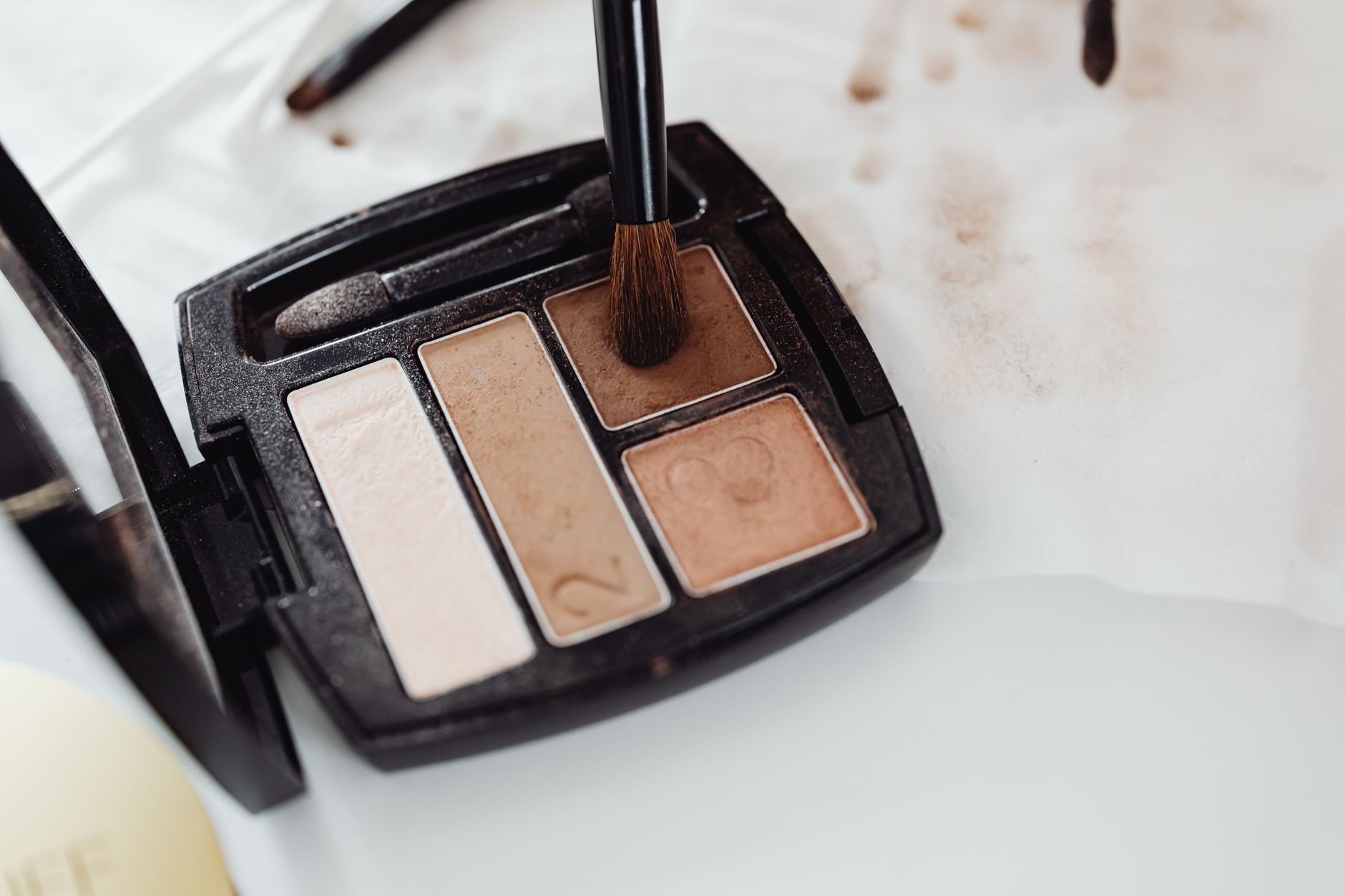
Natural Makeup Look Tutorial: A Step-by-Step Guide
Master the perfect natural makeup look tutorial with easy steps, expert tips, and product advice. Achieve a fresh, radiant finish that enhances your features effortlessly.