 Funky Millions
Nail Fungus: Early Signs and At-Home Treatment Options
Learn the early signs of nail fungus, at-home treatment options, and when a fungal nail infection requires professional medical care.
Quick summary
Key Takeaways
- Nail fungus is a fungal infection that typically develops gradually, making early detection significantly easier to treat than more advanced cases.
- Early nail fungus often presents subtly, as a small spot or slight discoloration, making regular self-checks valuable for catching it before more significant progression.
- Untreated nail fungus tends to progress from subtle discoloration to significant thickening, brittleness, and potential nail separation over time.
- Conditions like psoriasis and nail trauma can visually resemble fungal infection but require entirely different management, making professional diagnosis, sometimes including laboratory testing, valuable for cases where the cause is uncertain or treatment is not producing expected results.
- Over-the-counter antifungal treatments have the strongest evidence among at-home options, though consistent application over several months is typically required for genuinely early-stage infections.
- A lack of improvement after several months of consistent at-home treatment, or any signs of progression, signals that professional medical evaluation is needed.
- Toenails are more prone to fungal infection than fingernails due to slower growth rates, the warm and moist environment created by footwear, and generally reduced circulation to the feet, all of which also contribute to toenail fungal infections typically requiring longer treatment timelines than fingernail cases.
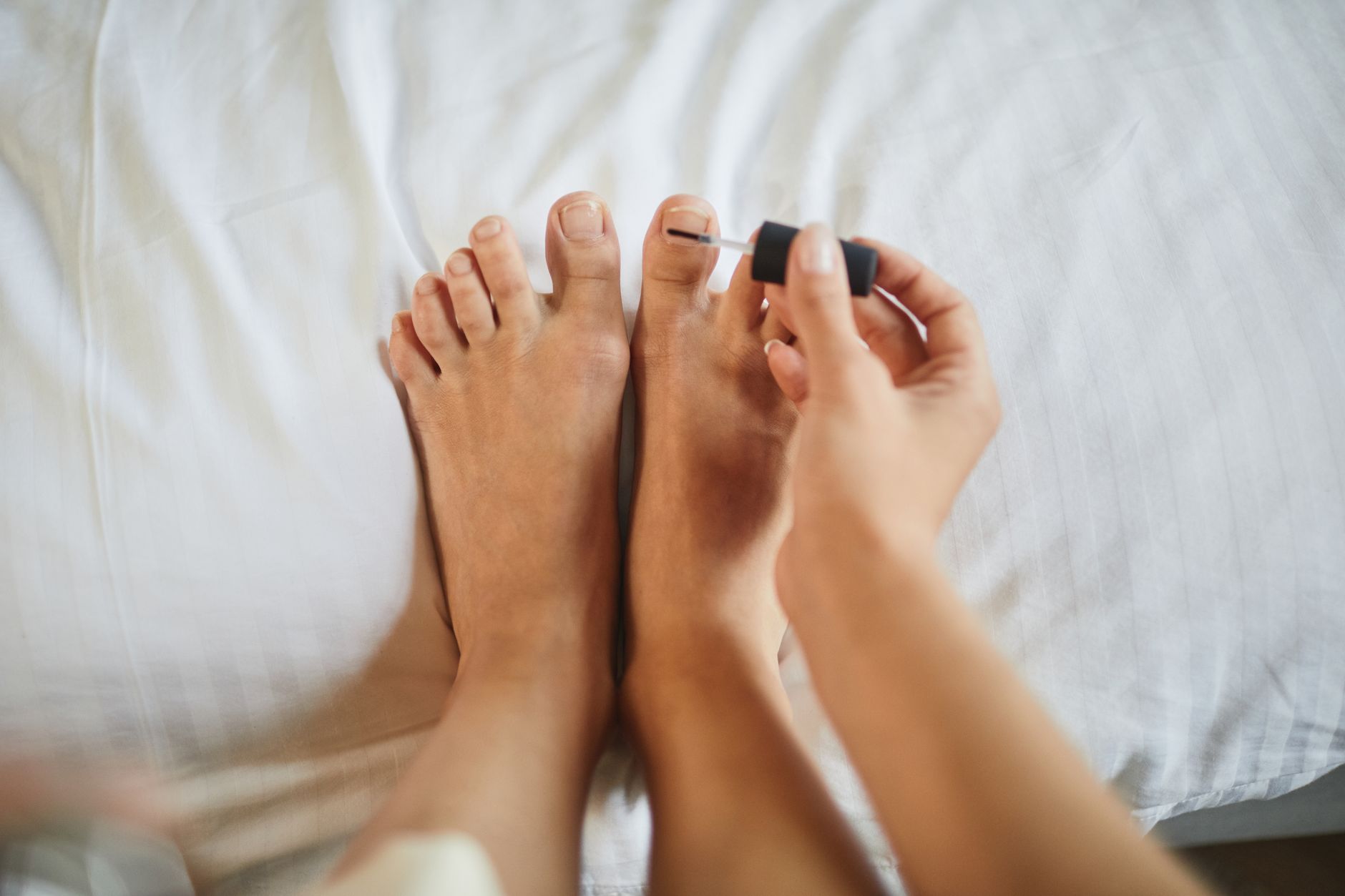
- Continuous nail polish coverage during active fungal treatment can hinder both treatment penetration and progress monitoring, making a largely polish-free approach during treatment, with tool and product disinfection to prevent reinfection, generally advisable.
Nail fungus, medically called onychomycosis, is a common condition that becomes significantly easier to treat when caught in its earliest stages. This guide covers exactly how to recognize early signs, which at-home treatments have genuine evidence behind them, and when the situation calls for professional medical care instead.
What Is Nail Fungus?
Nail fungus is a fungal infection affecting the nail plate, most commonly on toenails, caused by dermatophytes, yeasts, or molds that thrive in warm, moist environments. It develops gradually, often starting as a small, seemingly cosmetic discoloration before progressing if left untreated.
Early Signs to Watch For
- A small white or yellow spot appearing under the tip of the nail
- Slight thickening of a small portion of the nail
- Mild discoloration, often starting as a subtle yellow or white tint rather than dramatic color change
- A faint, unusual odor in more established but still early cases
How Nail Fungus Progresses if Untreated
Without treatment, nail fungus typically spreads gradually across more of the nail, causing increasing thickness, more pronounced discoloration (yellow, brown, or white), brittleness, and sometimes a crumbling texture at the edges. In advanced cases, the nail can separate from the nail bed, and the infection can become painful, particularly with pressure from shoes.
Distinguishing Nail Fungus From Other Nail Changes
Not every discolored, thickened, or unusual-looking nail is fungal in origin, and mistaking a different underlying cause for fungus can lead to months of ineffective antifungal treatment for a condition it was never going to resolve, making accurate identification an important first step.
Nail changes from psoriasis can closely resemble fungal infection, including pitting, thickening, and discoloration, but stem from an entirely different, autoimmune-related process that requires different treatment entirely, and the two conditions can even coexist, with psoriasis-affected nails sometimes being more susceptible to secondary fungal infection. Trauma-related nail changes, such as a bruise under the nail from an injury or repeated pressure from ill-fitting shoes, can also produce discoloration that superficially resembles fungal infection but resolves on its own as the nail grows out, without requiring any antifungal treatment at all.
Given how easily these conditions can be confused, and how differently they need to be managed, a definitive diagnosis, sometimes involving a simple nail clipping sample sent for laboratory analysis, is the only way to be certain you are treating the actual underlying cause rather than assuming fungal infection based on visual appearance alone, particularly for cases that are not responding to antifungal treatment as expected.
Who Is Most at Risk
- Those with a history of athlete's foot, since the same fungal organisms are often responsible for both conditions
- People who frequently wear closed, non-breathable shoes, creating a warm, moist environment fungi favor
- Those with diabetes or compromised circulation, who face higher infection risk and slower healing
- Older adults, since nail growth slows and nails become more susceptible with age
- Frequent nail salon visitors, particularly at salons with less rigorous tool sanitization practices
At-Home Treatment Options
Option 1: Over-the-Counter Antifungal Treatments
Topical antifungal treatments containing ingredients like tolnaftate or undecylenic acid can be effective for genuinely early-stage, mild infections, applied consistently as directed, typically for several months.
Option 2: Tea Tree Oil
Some research suggests tea tree oil has antifungal properties that may help with mild cases, though evidence is less robust than for pharmaceutical antifungal treatments. Our guide on how to use tea tree oil for skin safely covers general safety considerations relevant to nail application as well.
Option 3: Vicks VapoRub
Some limited studies and considerable anecdotal reports suggest this common household product may have mild antifungal benefit for nail fungus, though it is not a scientifically robust, first-line treatment.
Option 4: Keeping Nails Trimmed and Dry
Regularly trimming affected nails and ensuring feet stay dry throughout the day supports any topical treatment's effectiveness by reducing the moist environment fungi favor.
Prevention Strategies
- Wear breathable shoes and moisture-wicking socks, changing socks if feet become sweaty during the day
- Avoid walking barefoot in communal areas like locker rooms, showers, and pool decks
- Keep nails trimmed short and clean
- Disinfect nail tools regularly, particularly if sharing them with others
- Choose nail salons with visible, rigorous sanitization practices
When At-Home Treatment Isn't Enough
If you notice no improvement after 2-3 months of consistent at-home antifungal treatment, or if the infection appears to be progressing (spreading, increasing thickness, or pain developing), it is time to consult a healthcare provider rather than continuing indefinitely with over-the-counter options.
Comparison Table: Treatment Options
| Treatment | Evidence Level | Best For | Typical Timeline |
|---|---|---|---|
| OTC antifungal (tolnaftate, etc.) | Moderate | Genuinely early, mild infections | 3-6 months |
| Tea tree oil | Limited but some support | Very mild cases, as a complementary approach | Several months |
| Vicks VapoRub | Limited, mostly anecdotal | Very mild cases | Several months |
| Oral antifungal medication (prescription) | Strong | Moderate to severe infections | 6-12 weeks (toenails often longer) |
| Laser treatment (professional) | Emerging, moderate | Cases unresponsive to topical treatment | Multiple sessions |
Professional Treatment Options
- Prescription oral antifungal medication, generally the most effective treatment for established infections, though it requires liver function monitoring given potential side effects
- Prescription-strength topical antifungal lacquers, more potent than over-the-counter options
- Laser treatment, an emerging option with growing evidence, particularly for those unable to take oral medications
- Nail removal (in severe, unresponsive cases), allowing a new, healthy nail to grow in
Why Toenails Are Affected So Much More Often Than Fingernails
Nail fungus disproportionately affects toenails compared to fingernails, and understanding the specific reasons behind this pattern helps explain both why prevention efforts often focus heavily on footwear and foot hygiene, and why toenail infections, once established, tend to be more stubborn to treat than fingernail cases.
Toenails grow considerably more slowly than fingernails, often taking 12 to 18 months to fully regrow compared to roughly 6 months for fingernails, which means any fungal infection has a much longer window to become established and progress before a fully healthy new nail can grow in to replace the affected one. This slower growth rate is a major reason toenail fungus treatment timelines, whether at-home or prescription, tend to be considerably longer than the equivalent treatment for a fingernail infection.
The environment inside closed shoes also plays a significant role, creating warm, dark, and often moist conditions that closely match what dermatophyte fungi need to thrive, a stark contrast to fingernails, which are typically exposed to open air, more frequent washing, and more variable temperature and humidity throughout a typical day. Reduced circulation to the feet compared to the hands, particularly relevant for older adults or those with certain circulatory conditions, can also mean a slower immune response to fungal invasion in toenails specifically, compounding the other factors that make this area more vulnerable.
Common Mistakes to Avoid
Waiting Too Long to Start Treatment
Early-stage nail fungus responds much better to treatment, including at-home options, than more advanced, established infections.
Inconsistent Application of Topical Treatments
Antifungal treatments require consistent, often daily application over several months, and inconsistent use significantly reduces effectiveness.
Continuing At-Home Treatment Indefinitely Without Improvement
If several months of consistent at-home treatment show no improvement, continuing without professional evaluation delays more effective treatment options.
Ignoring Prevention Alongside Treatment
Treating an active infection while continuing behaviors that contributed to it (non-breathable shoes, walking barefoot in communal areas) can undermine treatment progress or lead to reinfection.
Nail Fungus and Nail Polish: What You Need to Know
Many people wonder whether it is safe to continue wearing nail polish, either for cosmetic coverage or out of habit, while managing a suspected or confirmed fungal infection, and understanding the genuine considerations here helps balance cosmetic concerns against effective treatment.
Covering an active fungal infection with polish can create an even more sealed, oxygen-limited environment on top of the already-favorable warm, moist conditions fungi thrive in, potentially making it somewhat harder for topical antifungal treatments to penetrate effectively and for the infection to be visually monitored for progression or improvement over time. This is part of why many healthcare providers recommend avoiding polish, particularly opaque, long-wear formulas, over an actively treated nail, at least until initial improvement is visible.
If cosmetic coverage feels important during treatment, some providers suggest a "polish holiday" approach, allowing nails to go polish-free for the majority of the treatment period, with occasional lighter, breathable formula use limited to specific short-term occasions, then removed promptly afterward, rather than continuous coverage throughout the entire treatment timeline. It is also worth noting that reusing nail polish or nail tools that contacted an infected nail before treatment began carries some risk of reinfection or spreading the fungus to other nails, making it reasonable to either discard affected tools and polish or thoroughly disinfect them before further use.
- Start treatment at the first sign of discoloration or thickening, since early intervention has significantly better outcomes.
- Be consistent with any chosen treatment, since antifungal treatments require sustained application over months, not days or weeks.
- Address footwear and environmental factors alongside any topical treatment, since ongoing exposure can undermine treatment progress.
- Consult a podiatrist or dermatologist if at-home treatment shows no improvement after 2-3 months.
Conclusion
Recognizing the early signs of nail fungus, subtle discoloration and slight thickening, and starting treatment promptly significantly improves the likelihood of successful at-home resolution. While over-the-counter antifungal treatments and consistent preventive practices can address genuinely early, mild cases, professional evaluation becomes important if at-home treatment shows no improvement after a few months or if the infection appears to be progressing.
For more on antifungal ingredient safety relevant to at-home treatment, see our guide on how to use tea tree oil for skin safely.
Category: Nail Care
Tags: nail fungus, onychomycosis, toenail fungus, antifungal treatment, nail infection, fungal infection signs, nail health, foot care, tea tree oil, nail care basics
Frequently Asked Questions
References
Last updated
This article is for informational purposes only and does not constitute medical advice. Consult a licensed dermatologist or healthcare provider before starting any new treatment.
Beauty & Hair Care Editor
Ilma is a beauty editor who specializes in breaking down cosmetic ingredients, skincare routines, and hair care practices. Her work focuses on evidence-based guidance readers can trust and apply.
Comments (0)
Be the first to comment.
Related Articles

Nail Strengthener vs. Nail Hardener: What's the Difference?
Nail strengthener vs nail hardener: learn the real difference, which one your nails actually need, and how to use each correctly.
What Causes Nail Ridges and When to Worry
Learn what causes vertical and horizontal nail ridges, which types are normal aging changes, and when ridges signal an underlying health issue.
Proper Nail Filing Technique for Stronger Nails
Learn the correct nail filing technique to prevent splitting and breakage, including file grit selection and direction for stronger nails.
How to Remove Gel Manicures Without Damaging Your Nails
Learn the correct, safe way to remove gel manicures at home without damaging your natural nails, plus what to avoid.