 Funky Millions
Best Vitamins for Stronger Nails
Discover the best vitamins for stronger nails, how they work, food sources, supplement tips, and expert advice for healthier, less brittle nails.
Quick summary
Key Takeaways
- The best vitamins for stronger nails support keratin production, moisture balance, and healthy nail growth.
- Biotin, vitamin C, vitamin E, vitamin D, and B vitamins are useful only when they match your actual nutritional needs.
- Food sources should come before supplements unless a clinician has identified a deficiency.
- Nail improvements take time because fingernails grow slowly, so expect visible changes over several months.
If your nails chip, split, or peel no matter how careful you are, the real fix may start from the inside out. The right vitamins for stronger nails supply the building blocks your body needs to grow keratin, protect the nail bed, and keep the surrounding skin healthy. While polish and cuticle oil can improve appearances temporarily, nutrition is what determines how resilient your nails really are.
Nails are made mostly of keratin, a tough protein that also forms hair and the outer layer of skin. Their visible growth is slow-fingernails typically grow about 3 to 4 millimeters per month-so nutrient deficiencies often show up weeks or months after the problem starts. Brittle nails, white spots, ridges, and slow growth can all be signs that your diet is missing key micronutrients.
In this guide, you will learn which vitamins and minerals matter most for nail strength, where to find them in food, how to build a simple daily routine, and which mistakes to avoid. We will also look at supplements, comparison charts, and practical answers to the most common questions people ask about nail health.
What Makes Nails Strong or Weak?
Healthy nails are smooth, flexible, and firm. They do not crack easily and grow at a steady pace. Nail strength depends on several factors:
- Keratin quality: The protein structure must be dense and well-formed.
- Moisture balance: Nails that are too dry become brittle; nails that are too soft bend and tear.
- Blood flow to the nail matrix: The nail matrix sits beneath the cuticle and produces new nail cells.
- Surrounding skin health: Dry, damaged cuticles can lead to infections that affect growth.
- Nutrient status: Vitamins, minerals, and protein all influence how well nails grow.
When your body lacks the nutrients it needs, it prioritizes organs like the heart and brain before sending resources to nails and hair. That is why nail problems can be one of the first visible signs of a nutritional gap.
Best Vitamins for Stronger Nails
Several vitamins play direct roles in nail growth, strength, and repair. Here are the most important ones to focus on.
1. Biotin (Vitamin B7)
Biotin is one of the most studied vitamins for nail health. It helps produce keratin and supports the infrastructure that keeps nails from splitting.
Key benefits:
- Improves nail thickness in people with brittle nails
- Supports keratin production
- May reduce splitting and breakage over time
Food sources: eggs, salmon, almonds, sweet potatoes, sunflower seeds, cauliflower, and avocado.
Expert tip: Most people get enough biotin from food. Supplements are generally only helpful if you have a deficiency or naturally brittle nails.
2. Vitamin A
Vitamin A helps your body produce sebum, the natural oil that keeps nails and cuticles moisturized. It also supports cell growth and differentiation in the nail matrix.
Key benefits:
- Supports healthy nail cell production
- Prevents excessive dryness around the nail
- Helps repair damaged nail tissue
Food sources: carrots, sweet potatoes, spinach, kale, liver, eggs, and fortified dairy.
3. Vitamin C
Vitamin C is essential for collagen synthesis. Collagen gives structure to the nail bed and surrounding skin. Vitamin C is also a powerful antioxidant that protects nail cells from oxidative stress.
Key benefits:
- Supports collagen production for nail structure
- Fights free radical damage
- Improves iron absorption, which also benefits nails
Food sources: citrus fruits, strawberries, bell peppers, broccoli, kiwi, and tomatoes.
4. Vitamin E
Vitamin E supports blood circulation and protects cell membranes. Better circulation means more nutrients reach the nail matrix.
Key benefits:
- Improves blood flow to the nail bed
- Protects cells from oxidative damage
- Helps maintain moisture in nails and cuticles
Food sources: sunflower seeds, almonds, spinach, avocado, wheat germ, and olive oil.
5. Vitamin D
Vitamin D regulates calcium absorption and supports the immune system. Some research links low vitamin D levels with nail changes, including brittle or ridged nails.
Key benefits:
- Supports calcium absorption for nail mineralization
- Helps regulate nail cell growth
- May reduce nail fragility linked to deficiency
Food sources: fatty fish, egg yolks, fortified milk, and sunlight exposure.
6. Vitamin B12
B vitamin B12 is necessary for cell reproduction, including the rapid cell division that happens in the nail matrix. A deficiency can cause nails to become dark, spoon-shaped, or unusually brittle.
Key benefits:
- Supports healthy nail cell turnover
- Prevents discoloration and abnormal nail shape
- Works with iron to prevent anemia-related nail weakness
Food sources: meat, fish, poultry, eggs, dairy, and fortified plant milks.
7. Folate (Vitamin B9)
Folate helps create and repair DNA, which is essential for the fast-growing cells in your nails. Low folate levels may contribute to ridges and discoloration.
Key benefits:
- Supports DNA repair in nail cells
- Promotes steady nail growth
- Helps prevent ridges and weak spots
Food sources: leafy greens, lentils, beans, asparagus, and fortified grains.
Key Minerals for Nail Strength
Vitamins work best alongside minerals. These three are especially important for stronger nails.
Iron
Iron carries oxygen to the nail matrix. Low iron levels are a common cause of brittle, spoon-shaped nails.
Food sources: red meat, lentils, spinach, fortified cereals, and pumpkin seeds.
Zinc
Zinc supports cell division and protein synthesis. A zinc deficiency can cause white spots on nails and slow growth.
Food sources: oysters, beef, pumpkin seeds, chickpeas, and cashews.
Magnesium
Magnesium helps activate enzymes involved in protein formation. It also supports nail growth by calming inflammation and improving sleep.
Food sources: nuts, seeds, whole grains, dark chocolate, and leafy greens.
Daily Nail-Strengthening Routine
A consistent routine that combines nutrition, hydration, and gentle care will help you get the most from the vitamins for stronger nails.
Step 1: Eat Protein at Every Meal
Nails are made of protein. Aim for a palm-sized portion of protein at breakfast, lunch, and dinner. Eggs, Greek yogurt, chicken, fish, tofu, beans, and lentils are excellent choices.
Step 2: Add a Rainbow of Vegetables and Fruits
Colorful produce delivers vitamins A, C, E, folate, magnesium, and antioxidants. Try to fill half your plate with vegetables and fruits at lunch and dinner.
Step 3: Include Healthy Fats
Fats help your body absorb fat-soluble vitamins A, D, and E. Add avocado, olive oil, nuts, seeds, or fatty fish to your meals.
Step 4: Stay Hydrated
Dehydration makes nails dry and brittle. Drink water throughout the day and limit excessive caffeine and alcohol, which can dehydrate.
Step 5: Be Gentle With Your Nails
Avoid using nails as tools, keep them trimmed, and wear gloves when cleaning or washing dishes. Apply a nourishing cuticle oil before bed.
Step 6: Consider a Targeted Supplement
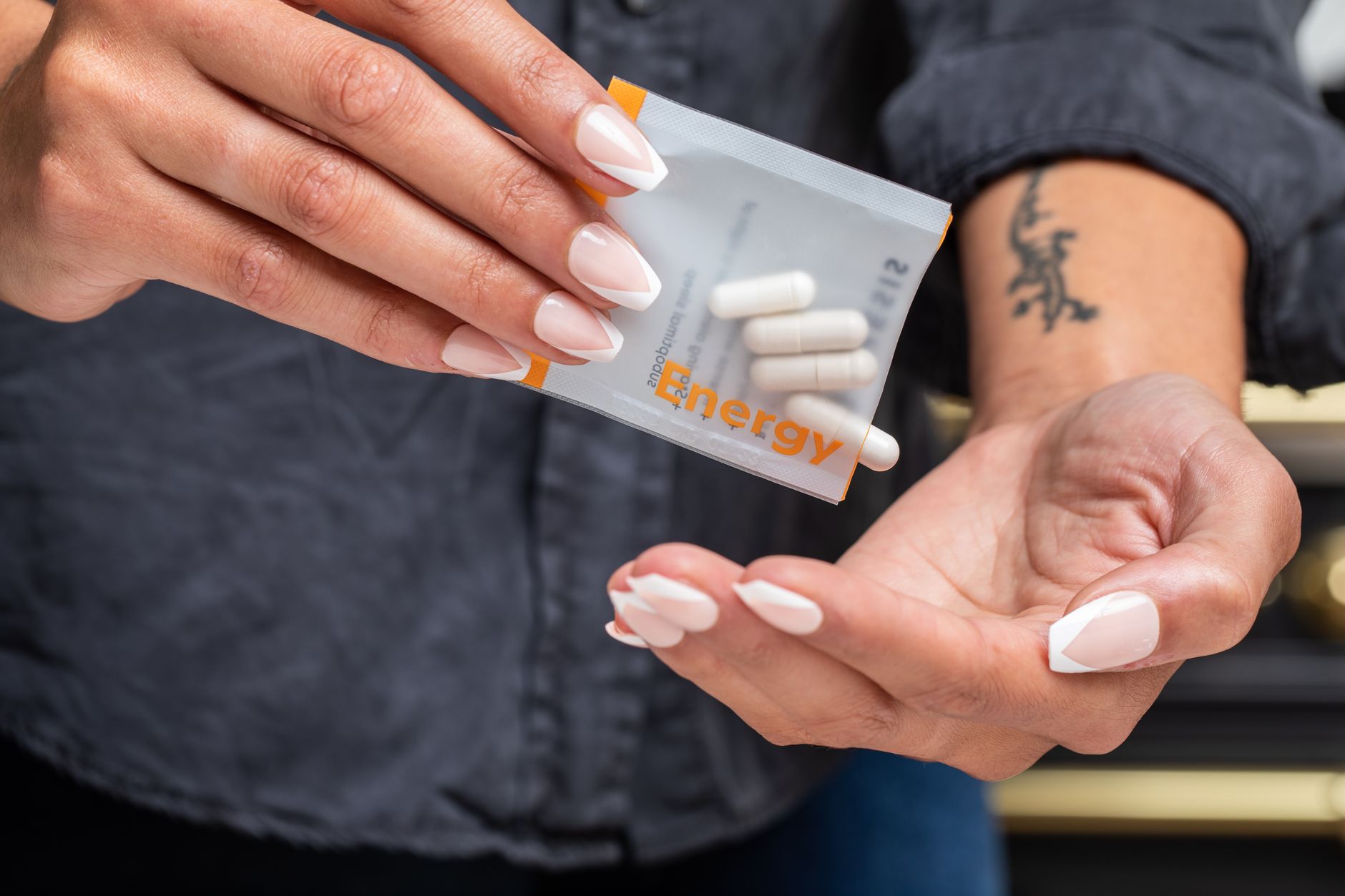
If your diet is consistently low in nail-supporting nutrients, a multivitamin or biotin supplement may help. Talk to a healthcare provider before starting any new supplement.
Vitamin Comparison Table
| Vitamin | Main Nail Benefit | Top Food Sources | Common Sign of Deficiency |
|---|---|---|---|
| Biotin | Keratin production, reduced splitting | Eggs, salmon, almonds, avocado | Brittle, thinning nails |
| Vitamin A | Moisture and cell growth | Sweet potato, carrots, spinach | Dry, brittle nails |
| Vitamin C | Collagen synthesis, antioxidant | Citrus, strawberries, peppers | Slow growth, frequent breakage |
| Vitamin E | Blood flow and cell protection | Almonds, sunflower seeds, spinach | Dry cuticles, weak nails |
| Vitamin D | Calcium absorption, nail mineralization | Fatty fish, eggs, sunlight | Brittle or ridged nails |
| Vitamin B12 | Cell reproduction | Meat, fish, eggs, dairy | Dark or spoon-shaped nails |
| Folate | DNA repair and cell turnover | Leafy greens, lentils, beans | Ridges and discoloration |
Common Mistakes to Avoid
Even with the right vitamins, certain habits can sabotage your progress.
1. Taking megadoses of biotin
More is not always better. Very high doses of biotin can interfere with lab tests, including thyroid and heart enzyme tests. Stick to the recommended dose unless a doctor advises otherwise.
2. Ignoring the rest of your diet
A biotin supplement cannot replace a balanced diet. Your nails need protein, healthy fats, minerals, and a range of vitamins to thrive.
3. Overusing gel and acrylic nails
Frequent gel polish and acrylics can weaken the nail plate. Give your nails breaks between applications to recover.
4. Skipping gloves during chores
Water, detergents, and cleaning chemicals strip natural oils from nails. Protect your hands with gloves.
5. Filing nails incorrectly
Sawing back and forth with a file creates micro-tears. File in one direction using a fine-grit file.
Best Foods for Stronger Nails
Focus on whole foods that deliver multiple nail-friendly nutrients at once. Here are some of the best options to add to your grocery list:
- Eggs: biotin, protein, vitamin D, and B12
- Salmon: protein, omega-3s, vitamin D, and B vitamins
- Almonds: vitamin E, magnesium, zinc, and protein
- Spinach: iron, folate, vitamin A, and magnesium
- Sweet potatoes: vitamin A and fiber
- Bell peppers: vitamin C
- Lentils: protein, iron, zinc, and folate
- Greek yogurt: protein, biotin, and calcium
- Avocado: vitamin E, healthy fats, and biotin
- Pumpkin seeds: zinc, magnesium, and iron
Supplements: When and How to Use Them
If you struggle to get enough nutrients from food, a supplement may be useful. Here is what to know before buying one.
Multivitamin
A quality multivitamin can cover general gaps. Look for one that includes biotin, vitamin C, vitamin E, vitamin D, iron, and zinc.
Biotin Supplement
Typical doses range from 30 to 100 micrograms daily for general health. Some nail-specific formulas contain 2,500 to 5,000 micrograms. Ask your doctor what is appropriate for you.
Collagen Peptides
Collagen supplements may support nail structure by providing amino acids like glycine and proline. Some studies suggest improvements in nail growth and reduced breakage.
Omega-3 Fatty Acids
Omega-3s help reduce inflammation and keep nail cells hydrated. They are especially helpful if you do not eat fish regularly.
Call to Action
Stronger nails start with the right nutrients and a little daily care. Try adding more biotin, vitamin C, vitamin E, and iron-rich foods to your meals, and be patient as your nails grow out. If you found this guide helpful, share it with a friend who is tired of dealing with chipped nails. And do not miss our related articles on skin, hair, and everyday beauty tips to keep you feeling your best from head to toe.
- Be patient: Nails grow slowly. It can take 3 to 6 months to see major changes from dietary improvements.
- Pair nutrients: Vitamin C helps your body absorb iron. Healthy fats help absorb vitamins A, D, and E. Combine foods strategically.
- Check for underlying issues: Persistent nail problems can signal thyroid disorders, anemia, or psoriasis. See a dermatologist if changes are severe or sudden.
- Keep nails slightly short: Shorter nails are less likely to catch and break while they are recovering.
- Moisturize after washing: Apply hand cream or cuticle oil after every wash to lock in moisture.
Conclusion
The best vitamins for stronger nails can help when brittle, peeling, or slow-growing nails are linked to nutrition, but they work best alongside gentle nail care and enough protein, minerals, and hydration. Start with a balanced diet, protect your nails from repeated water and chemical exposure, and use supplements carefully when there is a real reason to do so.
Frequently Asked Questions
Last updated
This article is for informational purposes only and does not constitute medical advice. Consult a licensed dermatologist or healthcare provider before starting any new treatment.
Beauty & Hair Care Editor
Ilma is a beauty editor who specializes in breaking down cosmetic ingredients, skincare routines, and hair care practices. Her work focuses on evidence-based guidance readers can trust and apply.
Comments (0)
Be the first to comment.
Related Articles

Nail Strengthener vs. Nail Hardener: What's the Difference?
Nail strengthener vs nail hardener: learn the real difference, which one your nails actually need, and how to use each correctly.

Brittle Nails: Common Causes and How to Fix Them
Learn the common causes of brittle nails, from nutritional gaps to overexposure to water, and practical fixes to restore nail strength.

What Causes Nail Ridges and When to Worry
Learn what causes vertical and horizontal nail ridges, which types are normal aging changes, and when ridges signal an underlying health issue.
Proper Nail Filing Technique for Stronger Nails
Learn the correct nail filing technique to prevent splitting and breakage, including file grit selection and direction for stronger nails.