 Funky Millions
Best Vegetables Good for Skin
Quick summary
Key Takeaways
- Colorful vegetables such as carrots, sweet potatoes, tomatoes, and peppers support a natural skin glow through antioxidants and skin-friendly nutrients.
- Water-rich vegetables like cucumber, celery, lettuce, and zucchini can help support hydration from the inside.
- Leafy greens and cruciferous vegetables provide nutrients that support normal skin repair, renewal, and overall wellness.
- Whole vegetables are usually better than sweet fruit-heavy juices because they provide fiber and steadier nutrition.
Do you have dull dry skin? Do you want to look radiant, fabulous and glowing? Well here is the secret…..vegetables. There are vegetables that are loaded with beta-carotene, the glow foods are what they are called. These colorful vegetables are the best vegetable for good skin.
I guarantee that after eating these vegetables even your friends will envy your skin’s glow. Vegetables are great to maintain a healthy body weight as well. THEY ARE LOADED WITH BUILDERS and fighters and are high in antioxidants. They also assist in oxygenating you body. Here is a list of the best vegetables for good skin. Let’s first discuss ….
Fruits and Vegetables That Are Good For the Skin.
Fruits and Vegetables have been the original diet set for mankind, of course there was a lot of wisdom in that diet and we could now know why it was so. Fruits have healing propensities therefore anyone who desires good skin should have their fill of fruits. It also impedes pimples and white heads because it assists the body in detoxifying.
CUCUMBERS
This vegetable whitens the skin, remove blemishes and cools the body down, hence the cliché….as cool as a cucumber. It can be juiced with a lemon juice and drank, eaten it a salsa or sliced and apply to skin. Another great benefit of using this wonderful vegetable is the tightening components of cucumber, I t tightens the skin and cleanses the pores.
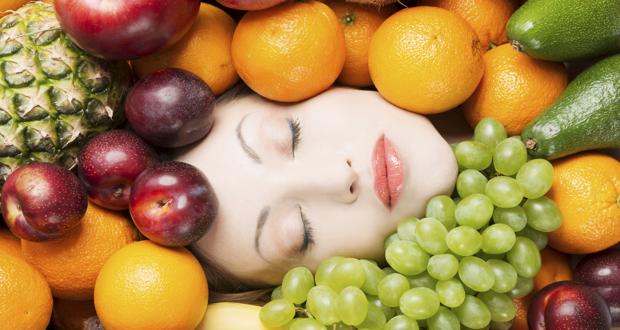 These gorgeous looking fruit juices are loaded with antioxidant, vitamin C and really delicious…Who said things that are good for you should taste awful? They are naturally sweet and keeps your skin clean and younger looking. These fruit juices are the best fruits for good skin.
A fruit mask is indeed the best way to get those nutrients quickly into the open pores, just cut them and place the cut parts on your face. You will be amazed at the smooth and fresh feeling this mask gives to your face. Consequently, these aids in removing wrinkles so you face can look youthful.
If your coriander looks like this, it means you are on your way to clean using fruits and vegetables that are good for skin. It has all your face needs to glow and look so beautiful. When you skin is beautiful and clean, it boosts your confidence, most of all there will be lots of compliments coming your way. So take my advice and use Fruits and vegetables for good skin. How could I forget the most important thing…….
Drink as much as you want, it helps to oxidize the blood and this increases the flow of blood to you face. You can make your own Detoxification water, with cucumber, lemon and mint leaves. Make it the night before and you can have it in the morning.
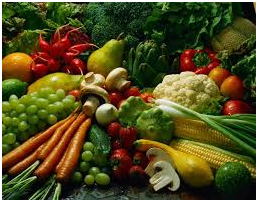
Vegetables good for Skin Repair.
No one who does not eat vegetables has beautiful skin; the maintenance of your skin should be top priority, it is dependent on the amount of servings of vegetables eaten. There are vegetables especially the brightly colored ones are for you beauty. Here are some vegetables good for skin repair….
Most beauty experts will say when your skin is dry you need a moisturizer, but eggs are perfect for dry skin, the components in eggs are naturally contributing for your face repair. Along with mayonnaise it can reduce dryness and blemishes by up to 90%. So the next time you see an egg remember it has the qualities to make your skin glow.
My skin is too dry. Then drink as much water as you can, the most hydrated you are, the moister your face will become. Paw-paw is also an excellent natural moisturizer for your skin, you can use a paste made from it.
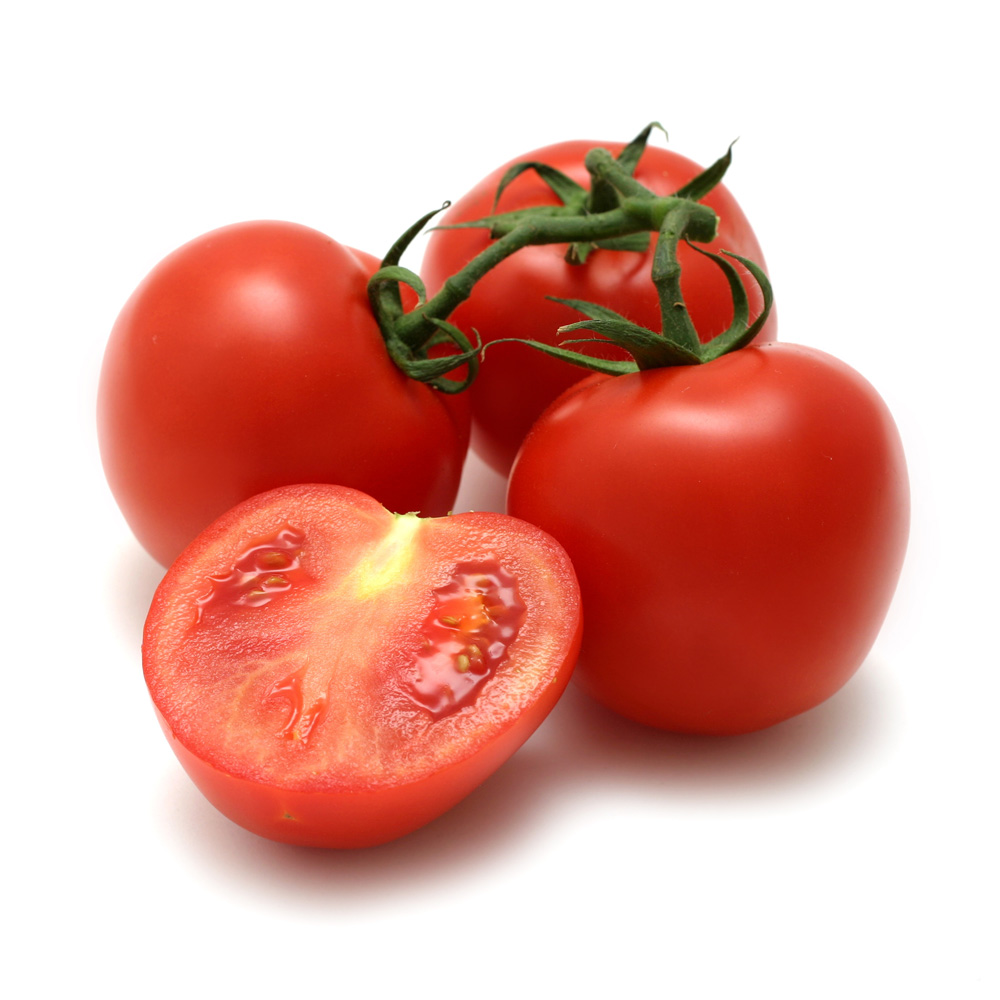
Tomatoes- An excellent antiseptic, it will help to remove bacteria lodged in the pores of your skin, along with lemon juices which supports the tightening and closing up of open pores.
All these beautiful colored vegetables are good for skin repair. There is no stipulated amount that you ought to use. It helps with deposits on your face and removes oily and dead skin from your face. Your skin will feel and look beautiful. They all include the minerals and nutrients needed for skin repair.
Oranges, grapefruits and shaddock are great inflammatory fighters in addition they are all loaded with Vitamin C.
Dark chocolate- Believe it or not dark chocolate is high in antioxidants, apart from this it helps with sun burns and removes the roughness from your skin.
Green Leafy Vegetables one of the 6 food groups are excellent for skin repair, infused with Vitamins A and K and iron, these green soldiers are ready to combat anything that is not suppose to be on your face. With their militant disposition they circulate in assisting to carry oxygenated air to a different region of the body.
Whole grains, nuts and seeds- Sunflower, almonds, pecan, and others are rich in Vitamin B this assist in the revitalization and hydrating of the skin. This is important because high intake of sugars can assists with fat deposits through our skin. Its purpose is to assist in the processing of fats in our diets. It’s highly advisable to desist from refined sugars since sugar spike in our blood is responsible for acne, blackheads and oily deposits.
Keeping your calm while you face is being cleaned from the inside and externally, is of high importance. Eating properly and maintaining a well balanced diet is best to help with such problems. Use the vegetables good for skin repair advice and you will not only see but feel the results of vegetable intake. You can wash face daily with lemons and baking soda; it helps with the inflammation and itchiness. For reddened face, keep fingers away, use aloes which is a good antiseptic and pores tightened. Wash your face and cut aloes and apply to your face, you will feel the skin tightening. Wash off after 25-30 minutes. Repeat daily for 7 days.
Best Vegetables for a Natural Skin Glow
For a brighter, healthier-looking complexion, focus on vegetables with deep orange, red, and dark green colors. Carrots, sweet potatoes, pumpkin, spinach, kale, and red bell peppers are especially useful because they contain beta-carotene and other plant pigments that support normal skin renewal. These vegetables do not bleach or instantly transform the skin, but when eaten regularly they help the body maintain smoother, more even-looking skin from within.
To get the most benefit, combine these vegetables with a small amount of healthy fat such as avocado, olive oil, nuts, or seeds. Many glow-supporting nutrients are fat-soluble, which means the body absorbs them better when the meal includes some fat. A simple plate of roasted sweet potato, steamed greens, tomato, and a drizzle of olive oil can be more helpful than relying on juice alone.
Vegetables That Support Hydrated, Calm Skin
Cucumber, celery, lettuce, zucchini, and tomatoes are naturally water-rich vegetables that can help support hydration as part of the whole diet. They are useful for people whose skin often looks tired, tight, or dull, especially when paired with enough plain water throughout the day. Cucumber slices may feel cooling on the face, but eating hydrating vegetables supports the skin more consistently than using them only as a mask.
Tomatoes and red peppers are also helpful because they provide vitamin C, which the body uses to support collagen formation. Collagen is important for firmness and bounce, so meals that include vitamin C-rich vegetables can complement a basic skincare routine. For sensitive skin, lemon juice and baking soda can be irritating when applied directly, so it is better to use these foods in meals and choose gentle skincare on the face.
How to Build a Skin-Friendly Vegetable Plate
A practical skin-supporting meal should include at least two colors of vegetables. Try leafy greens for vitamin K and folate, orange vegetables for beta-carotene, red vegetables for vitamin C and antioxidant compounds, and sulfur-rich vegetables like broccoli, cabbage, or cauliflower to support the body’s natural detoxification processes. Variety matters because no single vegetable supplies everything the skin needs.
Juices can be refreshing, but whole vegetables are usually better for daily skin health because they include fiber. Fiber supports digestion and helps keep meals balanced, which may matter for people who notice breakouts after frequent sugary foods. If you enjoy vegetable juice, keep it mostly vegetable-based, add cucumber or leafy greens, and avoid turning it into a high-sugar fruit drink.
For related advice, see [How To Lighten Tanned Skin Naturally and Permanently](/how-to-lighten-tanned-skin-naturally), [How To Make Your Skin Glow?](/how-to-make-your-skin-glow) and [How To Protect Your Skin From Sun](/how-to-protect-your-skin-from-sun).
Dermatologists commonly recommend supporting skin health with a balanced diet rich in colorful vegetables, adequate hydration, and gentle skincare rather than relying on one food or topical home remedy alone. Vegetables that provide vitamin C, beta-carotene, water, fiber, and antioxidants can complement a skincare routine by supporting the body’s normal repair and renewal processes from within.
Conclusion
The best vegetables good for skin are the colorful, water-rich, and leafy ones that provide beta-carotene, vitamin C, minerals, antioxidants, and hydration support. Cucumbers, tomatoes, carrots, sweet potatoes, spinach, kale, peppers, broccoli, and similar vegetables can all play a useful role in helping the skin look fresher and more balanced.
Vegetables work best when they are eaten regularly as part of a varied diet, not treated as a one-time cure. Pair them with enough water, healthy fats, whole grains, nuts, seeds, and gentle skincare habits, and they can support a clearer, softer, healthier-looking complexion over time.
Frequently Asked Questions
Last updated
This article is for informational purposes only and does not constitute medical advice. Consult a licensed dermatologist or healthcare provider before starting any new treatment.
Beauty & Hair Care Editor
Amanda Gurton is a beauty editor and researcher with a focus on translating dermatology and trichology insights into clear, actionable advice. She covers skincare routines, hair health, ingredient science, and everyday beauty habits.
Comments (0)
Be the first to comment.
Related Articles
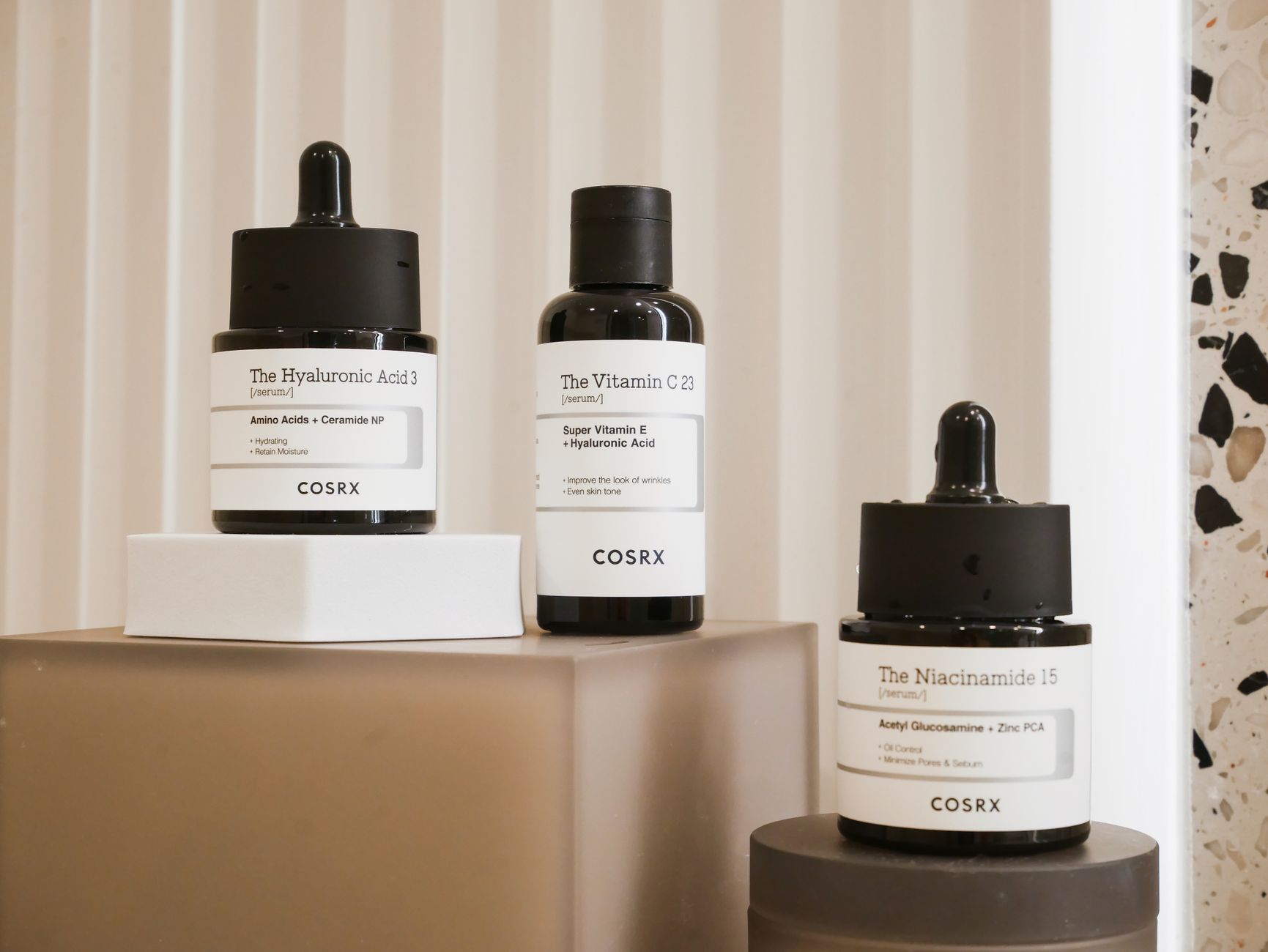
Vitamin C and Niacinamide: Can You Really Not Use Them Together?
Can you use vitamin C and niacinamide together? Learn what the science says about this popular skincare myth and how to layer them correctly.

Mineral vs. Chemical Sunscreen: Which Should You Choose?
Mineral vs chemical sunscreen: compare how each type works, safety, texture, and which is best for your skin type and lifestyle.

What Is Slugging? The Skincare Method Explained
Learn what slugging is, how this occlusive skincare method works, who should try it, and how to slug correctly without clogging pores.
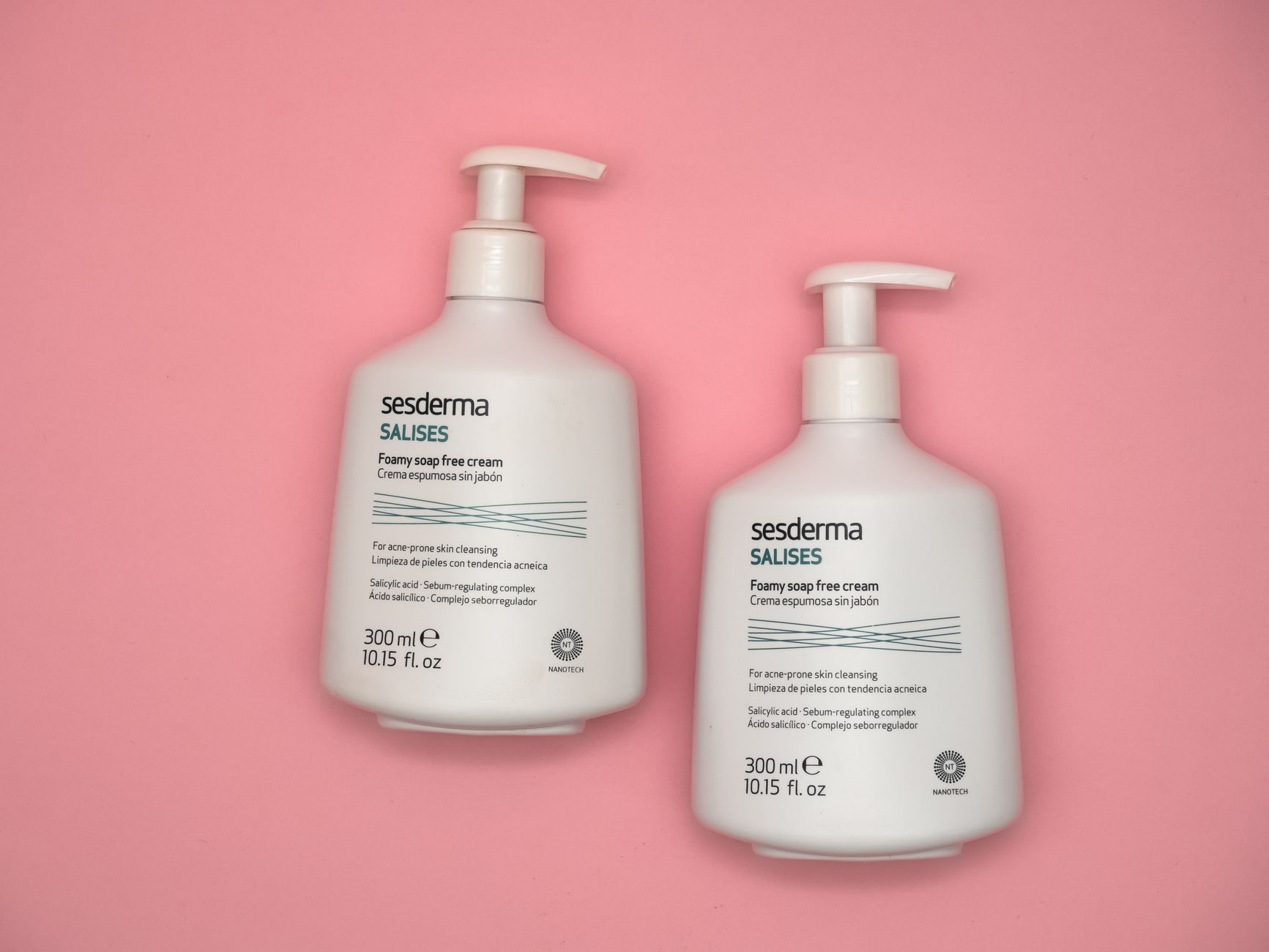
Building a Skincare Routine for Rosacea-Prone Skin
Learn how to build a gentle, effective skincare routine for rosacea-prone skin, including ingredients to use, ingredients to avoid, and trigger management.