 Funky Millions
Centella Asiatica for Skin: Healing and Calming Benefits
Discover centella asiatica benefits skin, from calming redness to supporting wound healing. Learn how to use it, what to avoid, and expert tips.
Quick summary
Key Takeaways
- Centella asiatica is a multi-tasking botanical extract rich in skin-soothing compounds that support repair, hydration, and barrier health.
- Centella asiatica benefits skin by calming inflammation, supporting healing, strengthening the barrier, hydrating, and helping with acne-related redness and marks.
If your skin feels reactive, stressed, or slow to heal after a breakout, centella asiatica may be the ingredient your routine is missing. Known as "cica" in Korean beauty and "gotu kola" in traditional medicine, centella asiatica is a leafy herb with a long history of calming irritated skin and helping it repair itself. In this guide, you’ll learn exactly how centella asiatica benefits skin, which skin types it suits best, and how to add it to your daily routine without overwhelming your face.
What Is Centella Asiatica?
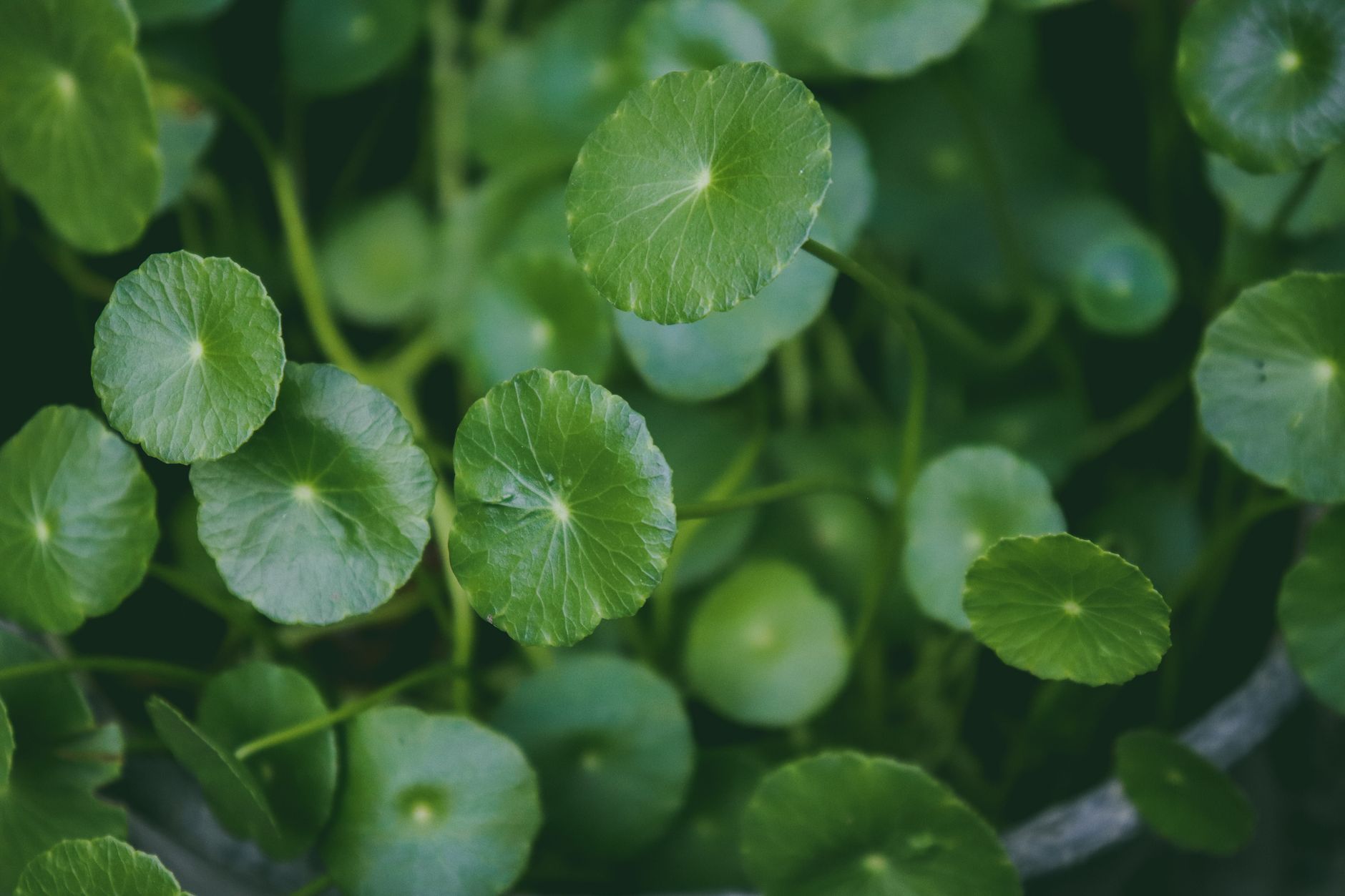
Centella asiatica is a small, herbaceous plant native to the wetlands of Asia. It has been used for centuries in Ayurvedic and Traditional Chinese Medicine to support wound healing and circulation. In modern skincare, the plant is prized for its four main bioactive compounds:
- Madecassoside
- Asiaticoside
- Asiatic acid
- Madecassic acid
These compounds are responsible for the plant’s anti-inflammatory, antioxidant, and collagen-supporting effects. You’ll often see centella asiatica listed on ingredient labels as "Centella Asiatica Extract," "Centella Asiatica Leaf Water," "Madecassoside," or simply "Cica."
How Centella Asiatica Works on Skin
Understanding the mechanism helps explain why centella asiatica is so well tolerated and effective. Research suggests it works in three main ways:
- Reduces inflammation. Centella asiatica helps lower levels of pro-inflammatory cytokines, which means less redness, swelling, and irritation.
- Supports collagen production. Triterpenoids like asiaticoside and madecassoside stimulate collagen types I and III, which are essential for wound repair and firm skin.
- Strengthens the skin barrier. By supporting ceramide production and reducing transepidermal water loss (TEWL), it helps skin retain moisture and defend itself against irritants.
Because it targets inflammation and repair at the same time, centella asiatica is especially useful for sensitive, acne-prone, and post-procedure skin.
Centella Asiatica Benefits for Skin
The popularity of cica isn’t just hype. Here are the science-backed reasons centella asiatica deserves a place in your skincare lineup.
Calms Redness and Irritation
Centella asiatica is best known for its soothing effect. Whether your redness comes from a compromised barrier, harsh weather, or a reaction to active ingredients, cica can help take the heat down. It inhibits inflammatory pathways and supports the skin’s natural calming response.
If you struggle with a reactive complexion, pairing cica with a gentle routine can make a noticeable difference.
Supports Wound Healing
One of the oldest documented uses of centella asiatica is wound care. Studies show that its active compounds promote fibroblast activity, collagen synthesis, and new blood vessel formation, all of which help skin heal faster and with less scarring.
This makes cica a smart addition after minor breakouts, skin procedures, or irritation from over-exfoliation.
Strengthens the Skin Barrier
A healthy barrier holds moisture in and keeps irritants out. Centella asiatica supports barrier lipids and reduces water loss, which helps skin feel softer, smoother, and less reactive over time.
Boosts Hydration
While cica is not a humectant like hyaluronic acid, it helps skin stay hydrated by improving barrier function and reducing moisture loss. Many cica products also contain glycerin, hyaluronic acid, or squalane, which add an extra layer of hydration.
Helps Acne-Prone Skin
Acne involves inflammation, bacteria, and a disrupted barrier. Centella asiatica addresses the inflammatory side of breakouts, helping reduce the redness and tenderness around active pimples. It also supports healing after a blemish has drained or been extracted.
For a complete acne-fighting approach, you can combine cica with other proven ingredients. Learn more in our guide to salicylic acid acne treatment.
Fades Post-Breakout Marks and Scars
Because cica stimulates collagen and supports tissue repair, it may help improve the appearance of fresh scars and post-inflammatory hyperpigmentation. It won’t erase deep scars overnight, but consistent use can make marks look less noticeable over time.
Soothes Sensitive and Rosacea-Prone Skin
If your skin flushes easily or reacts to fragrance, essential oils, or strong acids, centella asiatica can be a calming alternative. Its gentle, anti-inflammatory profile makes it suitable for skin conditions where barrier support and redness reduction matter.
Provides Antioxidant Protection
Centella asiatica contains antioxidants that help neutralize free radicals from UV exposure and pollution. While it is not a replacement for sunscreen, it adds an extra layer of environmental defense.
How to Use Centella Asiatica in Your Skincare Routine
One of the best things about cica is its versatility. It plays well with most ingredients and can be used both morning and night.
Step-by-Step AM Routine
- Cleanse with a gentle, pH-balanced cleanser.
- Tone with a centella asiatica toner or essence to prep the skin.
- Treat with a vitamin C or niacinamide serum if desired.
- Moisturize with a cica cream to seal in hydration.
- Apply sunscreen SPF 30 or higher.
Step-by-Step PM Routine
- Double cleanse if you wore sunscreen or makeup.
- Apply a cica serum or ampoule to damp skin.
- Use actives sparingly if your skin is sensitive. Retinol or acids can be used on alternate nights.
- Layer a centella moisturizer to support overnight repair.
- Optional: Use a cica sleeping mask 1–2 times per week for extra soothing.
Product Order Cheat Sheet
| Product Type | When to Use | What It Does |
|---|---|---|
| Cica toner/essence | After cleansing | Hydrates and pre-soothes skin |
| Cica serum/ampoule | Before moisturizer | Concentrated calming and repair |
| Cica cream | After serums | Seals moisture and supports barrier |
| Cica spot treatment | On active blemishes | Targets redness and healing locally |
| Cica sleeping mask | 1–2 nights per week | Intensive overnight soothing |
Centella Asiatica vs. Other Soothing Ingredients
Cica is not the only calming ingredient available. Here is how it compares to other popular options.
| Ingredient | Best For | Key Benefit | Works Well With Cica? |
|---|---|---|---|
| Centella asiatica | Redness, irritation, healing | Repairs barrier and calms inflammation | Yes |
| Aloe vera | Sunburn, mild irritation | Instant cooling and hydration | Yes |
| Niacinamide | Oil control, pore appearance, barrier | Regulates sebum and strengthens skin | Yes |
| Chamomile | Sensitive, reactive skin | Gentle anti-inflammatory | Yes |
| Colloidal oatmeal | Eczema-prone, itchy skin | Soothes itch and restores barrier | Yes |
Centella asiatica stands out because it combines calming effects with genuine wound-repair support, making it more than just a temporary soother.
Choosing the Right Centella Asiatica Product
Not all cica products are equal. Here is what to look for when shopping.
Check the Ingredient List
Look for centella asiatica extract, madecassoside, asiaticoside, or centella asiatica leaf water high on the label. If cica appears near the end, the concentration may be too low to deliver meaningful results.
Match the Texture to Your Skin Type
- Oily or acne-prone: Lightweight cica gel or essence
- Dry or mature: Rich cica cream or balm
- Combination: Cica serum layered under a light moisturizer
- Sensitive: Fragrance-free cica toner or cream
Avoid Unnecessary Irritants
Choose formulas free from denatured alcohol, synthetic fragrance, and essential oils if your skin is reactive. The goal is to calm, not add more potential triggers.
Pairing Tips
Centella asiatica works beautifully with:
- Hyaluronic acid
- Niacinamide
- Ceramides
- Peptides
- Sunscreen
Use caution when layering cica with strong acids or retinoids if you are new to actives. Introduce one active at a time and monitor your skin’s response.
Common Mistakes to Avoid
Even gentle ingredients can be misused. Avoid these pitfalls to get the most from centella asiatica.
Expecting Instant Results
Cica is effective, but it is not magic. Barrier repair and redness reduction usually take 2–6 weeks of consistent use.
Overloading Your Routine
Adding too many new products at once makes it impossible to tell what is helping. Start with one cica product and build from there.
Skipping Sunscreen
UV damage worsens inflammation, redness, and hyperpigmentation. No soothing ingredient can compensate for unprotected sun exposure.
Using Cica as a Standalone Acne Treatment
While cica helps with inflammation, it does not kill acne bacteria or regulate oil production on its own. Pair it with proven acne actives for best results.
Ignoring the Rest of the Formula
A high cica concentration won’t help if the product is loaded with fragrance, alcohol, or harsh preservatives. Read the full ingredient list.
Recommended Centella Asiatica Product Types
You don’t need every cica product on the shelf. One or two well-chosen items are enough for most routines.
- Cica toner or essence: Great for layering hydration and soothing sensitive skin.
- Cica serum: Ideal for targeting redness, post-breakout marks, and barrier repair.
- Cica cream or balm: Best for dry, compromised, or post-procedure skin.
- Cica spot treatment: Useful for calming individual blemishes without drying the surrounding skin.
- Cica sheet mask: A weekly treat to flood skin with hydration and calming extracts.
Who Should Use Centella Asiatica?
Centella asiatica is suitable for most skin types, but it is especially helpful if you have:
- Sensitive or reactive skin
- Redness or flushing
- Acne-prone skin
- A compromised moisture barrier
- Post-inflammatory marks
- Recently had a facial, peel, or laser treatment
If you have a known allergy to plants in the Apiaceae family, patch test carefully or consult a dermatologist before use.
Related FunkyMillions Articles
- Beauty Tips for Face at Home – Simple ways to keep your face looking fresh and radiant.
- How to Get Clear Skin – A practical guide to clearer, healthier-looking skin.
- How to Make Your Skin Glow – Lifestyle and skincare tips for a natural glow.
- Salicylic Acid Acne Treatment – How to pair acne actives with soothing ingredients like cica.
External Sources
- A Systematic Review of the Effect of Centella asiatica on Wound Healing - International Journal of Environmental Research and Public Health
- Centella asiatica and Its Metabolite Asiatic Acid: Wound Healing Effects and Therapeutic Potential - MDPI Metabolites
Here are practical ways to get the most out of centella asiatica.
- Use it after exfoliation. Apply a cica serum or cream after using acids or retinol to minimize irritation and support recovery.
- Layer from thinnest to thickest. This helps the active ingredients penetrate properly.
- Patch test new products. Even gentle botanicals can trigger reactions in very sensitive individuals.
- Be consistent. Daily use delivers better barrier and redness benefits than occasional application.
- Store properly. Keep products in a cool, dry place away from direct sunlight to preserve potency.
- Listen to your skin. If you notice increased irritation, reduce frequency or simplify your routine.
Conclusion
Centella asiatica is one of the most reliable botanicals for anyone dealing with redness, sensitivity, or slow-healing skin. Its ability to calm inflammation while supporting repair makes it a true multi-tasker, whether your goal is a stronger barrier, fewer post-breakout marks, or simply a more comfortable complexion.
Start with one well-formulated cica product, be patient, and protect your skin with sunscreen every day. Small, consistent steps are what transform irritated skin into resilient skin.
Enjoyed this article? Share it with a friend who is building a gentler skincare routine, and explore more of our skin care guides for ingredient breakdowns, routines, and expert tips.
Frequently Asked Questions
Last updated
This article is for informational purposes only and does not constitute medical advice. Consult a licensed dermatologist or healthcare provider before starting any new treatment.
Beauty & Hair Care Editor
Ilma is a beauty editor who specializes in breaking down cosmetic ingredients, skincare routines, and hair care practices. Her work focuses on evidence-based guidance readers can trust and apply.
Comments (0)
Be the first to comment.
Related Articles
Building a Skincare Routine for Rosacea-Prone Skin
Learn how to build a gentle, effective skincare routine for rosacea-prone skin, including ingredients to use, ingredients to avoid, and trigger management.

Snail Mucin Benefits for Skin: What Science Says
Discover the science-backed snail mucin benefits skin, from deep hydration to barrier repair. Learn how to use it, what to avoid, and expert tips.
How to Build a Skincare Routine for Sensitive Skin
Learn how to build a gentle skincare routine for sensitive skin with expert tips, soothing ingredients, common mistakes to avoid, and a step-by-step AM/PM guide.

Colloidal Oatmeal for Eczema and Irritated Skin
Discover how colloidal oatmeal for eczema calms itching, repairs the skin barrier, and reduces redness. Learn science-backed ways to use it safely at home.