 Funky Millions
AHA vs BHA vs PHA: A Complete Exfoliation Guide
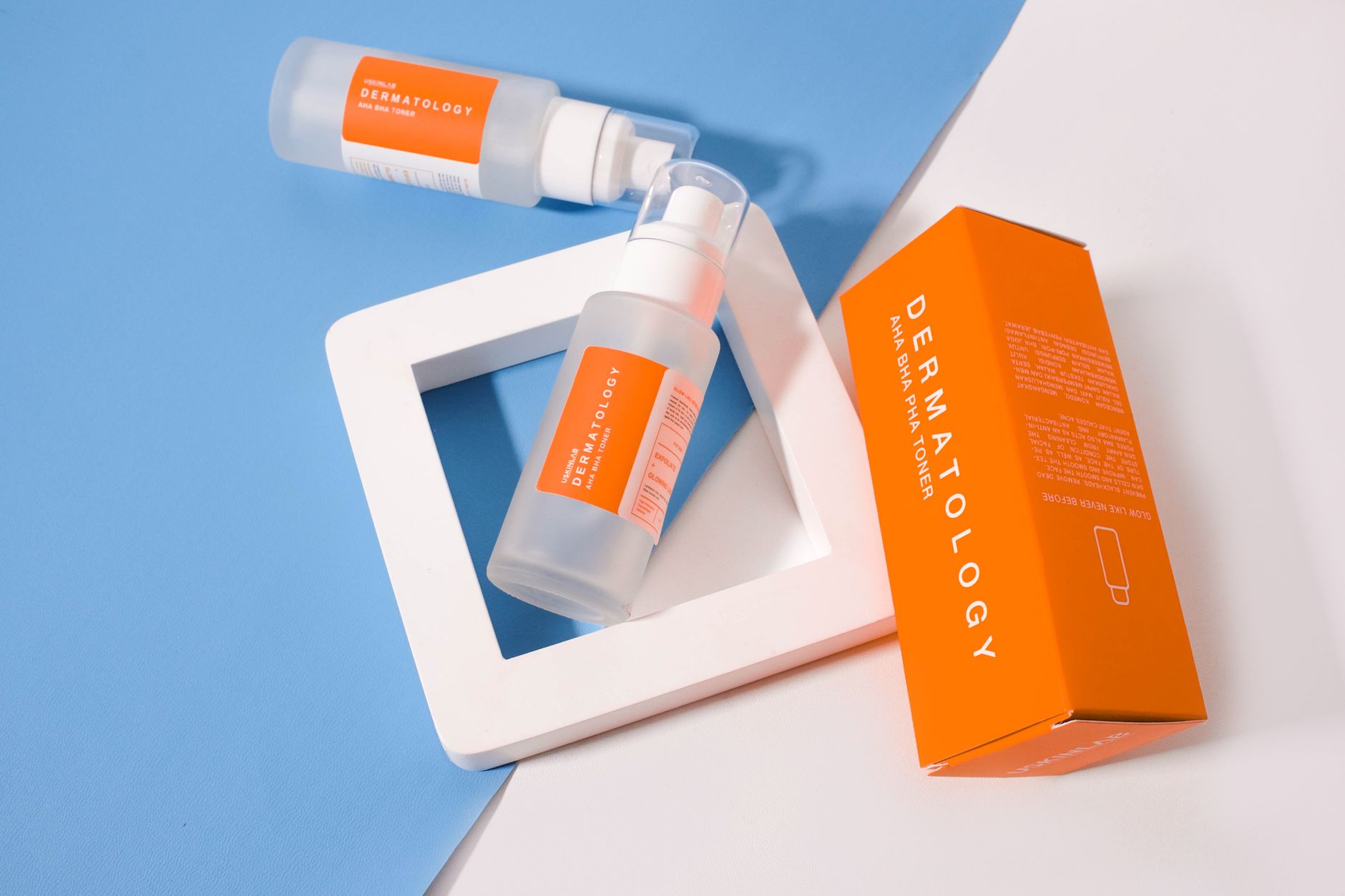
AHA vs BHA vs PHA explained: learn how each chemical exfoliant works, which is best for your skin type, and how to use them safely.
Quick summary
Key Takeaways
- AHAs are water-soluble, surface-acting acids best for texture, dullness, and tone concerns.
- BHA is oil-soluble and penetrates into pores, making it the top choice for oily and acne-prone skin.
- PHAs are the gentlest chemical exfoliants, ideal for sensitive skin or those unable to tolerate AHAs or BHAs.
- Choose AHA for tone and texture, BHA for oil and clogged pores, and PHA for sensitive or reactive skin.
- Combining acid types is possible but should be approached gradually, and PHAs are the safest acid to pair with others.
- Start with one acid, patch test, and increase frequency slowly based on your skin's response.
- Deeper skin tones benefit from prioritizing gentler acids like mandelic acid or PHA, and introducing stronger AHAs like glycolic acid more cautiously, to reduce the risk of post-inflammatory hyperpigmentation.
Chemical exfoliation has largely replaced harsh scrubs in modern skincare, but with three major categories of acids on the market, choosing the right one can feel overwhelming. Understanding AHA vs BHA vs PHA comes down to knowing how each type interacts with your skin, what concerns each is best suited for, and how to avoid over-exfoliating in the process.
This guide covers each acid category in detail, how they compare, and how to build a safe, effective exfoliation routine around them.
Why Chemical Exfoliation Matters
Chemical exfoliants dissolve the bonds holding dead skin cells together, allowing them to shed more evenly than physical scrubbing, which can cause micro-tears and irritation. Regular, appropriate exfoliation supports smoother texture, more even tone, better product absorption, and clearer pores. The key word is appropriate, since over-exfoliation is one of the most common ways people damage their skin barrier.
What Are AHAs?
Alpha hydroxy acids are water-soluble acids derived from fruit, milk, or sugarcane. Common types include:
- Glycolic acid (from sugarcane): smallest molecule, penetrates deepest, most potent
- Lactic acid (from milk): larger molecule, gentler, also hydrating
- Mandelic acid (from almonds): largest common AHA molecule, gentlest, good for sensitive and darker skin tones
AHAs work on the skin's surface, dissolving the bonds between dead skin cells to reveal smoother, brighter skin underneath. They are best suited for concerns related to texture, dullness, and uneven tone. Our guide on mandelic acid for sensitive skin covers the gentlest AHA option in more depth.
What Are BHAs?
Beta hydroxy acid, primarily represented by salicylic acid, is oil-soluble, which allows it to penetrate into the pore lining itself rather than working only on the surface. This makes BHA uniquely effective for oily and acne-prone skin, since it can dissolve the oil and debris that clog pores from within.
Salicylic acid also has natural anti-inflammatory properties, making it a good option for those dealing with both clogged pores and redness or irritation.
What Are PHAs?
Polyhydroxy acids, including gluconolactone and lactobionic acid, are the newest and gentlest category of chemical exfoliant. Their molecules are significantly larger than AHAs and BHAs, which means they cannot penetrate as deeply into the skin. This results in slower, more surface-level exfoliation with a much lower risk of irritation.
PHAs also have humectant properties, meaning they can attract and hold moisture in addition to their gentle exfoliating effect, and some have shown antioxidant benefits in early research.
AHA vs BHA vs PHA Comparison Table
| Feature | AHA | BHA | PHA |
|---|---|---|---|
| Solubility | Water-soluble | Oil-soluble | Water-soluble |
| Molecule size | Small to medium | Small | Large |
| Penetration depth | Surface layers | Into pores | Very surface-level |
| Best for | Texture, dullness, tone | Oily/acne-prone skin, clogged pores | Sensitive, reactive, or rosacea-prone skin |
| Irritation potential | Moderate to high (varies by type) | Moderate | Low |
| Added benefits | Some hydration (lactic acid) | Anti-inflammatory, oil control | Humectant, antioxidant properties |
| Common examples | Glycolic, lactic, mandelic acid | Salicylic acid | Gluconolactone, lactobionic acid |
Which Acid Is Right for Your Skin Type
| Skin Type | Recommended Acid | Why |
|---|---|---|
| Oily/acne-prone | BHA (salicylic acid) | Penetrates pores, controls oil, reduces inflammation |
| Dry/dehydrated | Lactic acid (AHA) | Exfoliates while adding hydration |
| Sensitive/rosacea-prone | PHA | Gentle, low irritation risk, added humectant benefit |
| Dull/uneven tone | Glycolic acid (AHA) | Deep, effective surface exfoliation for brightness |
| Darker skin tones prone to PIH | Mandelic acid (AHA) or PHA | Lower irritation reduces risk of post-inflammatory hyperpigmentation |
| Combination skin | BHA in oily zones, AHA or PHA elsewhere | Targeted approach for mixed needs |
Can You Use Multiple Acid Types Together?
Yes, but with caution. Combining AHA and BHA in the same product or routine (for example, a glycolic and salicylic acid toner) is common and can be effective for those with resilient, non-sensitive skin. PHAs can generally be layered more safely with either AHA or BHA due to their gentle nature, and are sometimes used specifically to buffer a stronger acid.
That said, using multiple strong acids on the same night, especially early in your exfoliation journey, significantly raises the risk of over-exfoliation. Many experienced users alternate rather than combine, using BHA one night and AHA another.
How Often to Exfoliate With Each Type
| Acid Type | Beginner Frequency | Experienced User Frequency |
|---|---|---|
| AHA | 1-2 times per week | 2-4 times per week |
| BHA | 2-3 times per week | Up to daily for very oily skin |
| PHA | 2-3 times per week | Can often be used daily due to gentleness |
Frequency should always be adjusted based on how your skin responds, not a fixed schedule. If you notice redness, tightness, or flaking, reduce frequency immediately.
How to Introduce Chemical Exfoliants Safely
Step 1: Choose One Acid to Start
Do not introduce multiple new acids at once. Pick the one that matches your primary skin concern.
Step 2: Patch Test First
Apply to a small area, like your jawline, for several days before using on your full face. Our guide on how to patch test skincare products explains the process in detail.
Step 3: Start With Low Frequency
Begin with once or twice a week regardless of acid type, even if the product label suggests daily use.
Step 4: Always Follow With Moisturizer and Sunscreen
Chemical exfoliants increase sun sensitivity and can temporarily compromise the barrier, making both steps essential.
Step 5: Increase Gradually
Add frequency only after several weeks of tolerance without irritation.
Signs of Over-Exfoliation
- Persistent redness or a shiny, "raw" appearance
- Stinging when applying normally tolerated products
- Increased breakouts despite consistent acid use
- Peeling or flaking that does not resolve with moisturizer
- Heightened sun sensitivity or unusual sunburn
If you notice these signs, stop all exfoliation immediately and follow a barrier-repair routine, such as the one outlined in our guide on repair damaged skin barrier.
Building a Weekly Exfoliation Schedule
Sample Beginner Schedule
- Monday: BHA or AHA (choose based on primary concern)
- Wednesday: Rest day, hydration-focused routine
- Friday: BHA or AHA
- Weekend: Rest days, gentle care only
Sample Experienced User Schedule (Combination Skin)
- Monday: BHA on oily zones
- Tuesday: PHA overall
- Thursday: AHA overall
- Saturday: PHA overall
- Sunday: Rest day
How Skin Tone Affects Acid Choice
Choosing between AHA, BHA, and PHA is not only about oiliness or sensitivity, skin tone is an important, often overlooked factor as well. Darker skin tones are more prone to post-inflammatory hyperpigmentation (PIH), meaning any irritation or inflammation from over-exfoliation is more likely to leave behind a visible dark mark that can take months to fade, even after the original irritation has resolved.
Because of this increased risk, gentler acids like mandelic acid (an AHA with a larger molecule size than glycolic acid) or PHA are frequently recommended as safer starting points for deeper skin tones, since they deliver meaningful exfoliation with a lower likelihood of triggering PIH. Glycolic acid is not off-limits, but it warrants a more cautious introduction, starting at lower concentrations and lower frequency than might be suggested for lighter skin tones with less PIH risk.
Salicylic acid (BHA) is generally considered safe across all skin tones for acne and clogged pores, since its anti-inflammatory properties can actually help reduce the redness that contributes to PIH risk in the first place, provided it is not used at a concentration or frequency that causes irritation.
Common Mistakes to Avoid
Using Physical Scrubs Alongside Chemical Exfoliants
Combining a gritty scrub with acids on the same day significantly increases irritation risk. Choose one exfoliation method per session.
Applying Acids Right Before Sun Exposure
Chemical exfoliants increase photosensitivity. Reserve stronger acids for nighttime and always wear sunscreen the following day.
Ignoring Concentration Percentages
A 10% glycolic acid and a 2% glycolic acid behave very differently. Start with lower concentrations regardless of acid type.
Exfoliating Broken or Actively Irritated Skin
Wait until any active irritation, sunburn, or breakout inflammation has calmed before resuming chemical exfoliation.
- Layer thinnest to thickest if combining an acid with other serums.
- Give your skin rest days, even if you tolerate exfoliants well, to avoid cumulative barrier stress.
- Match acid choice to concern, not trend. The most popular acid online is not necessarily right for your specific skin type.
- Reassess seasonally. Skin often tolerates more exfoliation in humid months and needs a lighter touch in dry winter conditions.
Conclusion
Understanding AHA vs BHA vs PHA allows you to choose exfoliation based on your actual skin concerns rather than trends. AHAs address texture and tone, BHA targets oil and clogged pores, and PHA offers the gentlest option for sensitive or reactive skin. Whichever type you choose, introducing it slowly, patch testing, and following with sunscreen will help you get the benefits of chemical exfoliation without the risks of over-exfoliating.
For more on choosing the right exfoliating acid for sensitive skin, see our guide on mandelic acid for sensitive skin.
Category: Skin Care
Tags: AHA, BHA, PHA, chemical exfoliation, salicylic acid, glycolic acid, lactic acid, exfoliating acids, skincare actives, acne treatment
Frequently Asked Questions
References
Last updated
This article is for informational purposes only and does not constitute medical advice. Consult a licensed dermatologist or healthcare provider before starting any new treatment.
Beauty & Hair Care Editor
Ilma is a beauty editor who specializes in breaking down cosmetic ingredients, skincare routines, and hair care practices. Her work focuses on evidence-based guidance readers can trust and apply.
Comments (0)
Be the first to comment.
Related Articles
Retinol vs. Retinal vs. Retinoid: Understanding the Differences
Confused by retinol vs retinal vs retinoid? Learn how each form of vitamin A works, which is strongest, and how to choose the right one for your skin.
How to Exfoliate Body Skin Without Irritation
Learn how to exfoliate body skin safely and effectively, including the best physical and chemical methods, frequency, and mistakes to avoid.
Mandelic Acid: The Best Acid for Sensitive Skin
Discover the top mandelic acid benefits for sensitive skin, how to use it safely, product tips, and expert advice for a smoother, brighter complexion.
Skincare Ingredients You Should Never Mix Together
Learn which skincare ingredient combinations to avoid, why they conflict, and how to layer active ingredients safely instead.