 Funky Millions
Retinol vs. Retinal vs. Retinoid: Understanding the Differences
Confused by retinol vs retinal vs retinoid? Learn how each form of vitamin A works, which is strongest, and how to choose the right one for your skin.
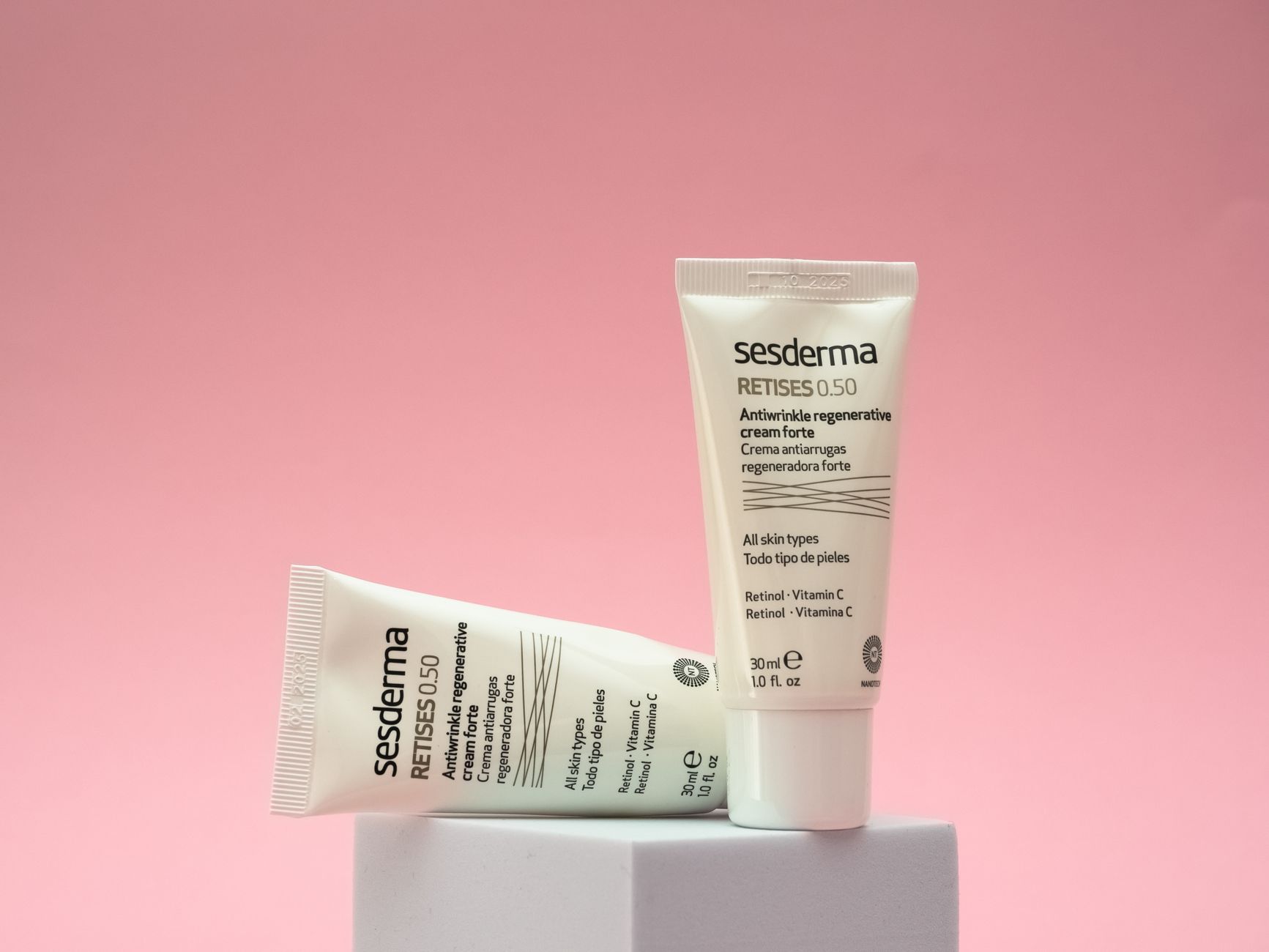
Quick summary
Key Takeaways
- Retinoid is a category, not a single ingredient. Retinol, retinal, and tretinoin are all types of retinoids at different strengths.
- Retinol requires two conversion steps, making it the gentlest, slowest-acting common retinoid.
- Retinal is one conversion step stronger than retinol, often delivering faster results with a moderate irritation profile.
- Tretinoin is the most potent, prescription-only form, requiring no conversion and delivering the fastest results alongside the highest irritation risk.
- Adapalene is a synthetic retinoid available over the counter, positioned primarily as an acne treatment.
- Strength generally increases as conversion steps decrease, with tretinoin as the most potent and retinol as the mildest.
- Regardless of which retinoid you choose, starting low, applying to dry skin, and prioritizing sun protection are universal rules.
- Moving to a stronger retinoid should be treated as a new adjustment period with reduced frequency, even if you have built tolerance to a milder form, since each step up the potency ladder changes how much active ingredient reaches the skin.
Walk down any skincare aisle and you will see "retinol," "retinal," and "retinoid" used almost interchangeably, but they are not the same thing. Understanding retinol vs retinal vs retinoid can help you choose a product that matches your skin's tolerance and your specific goals, whether that is preventing fine lines, treating acne, or easing into your first vitamin A product without unnecessary irritation.
This guide breaks down the vitamin A family, how each form converts in the skin, their relative strengths, and how to choose (and use) the right one.
What Is a Retinoid? The Umbrella Term
"Retinoid" is the umbrella term for all vitamin A derivatives used in skincare, including over-the-counter retinol and retinal, as well as prescription-strength tretinoin and adapalene. Every product in this family ultimately works by binding to retinoic acid receptors in skin cells, but they differ in how many conversion steps are required to reach that active form, which directly affects their strength and the speed at which they act.
The Vitamin A Conversion Pathway
Understanding the conversion pathway explains why some retinoids are stronger and faster-acting than others:
Retinol → Retinaldehyde (Retinal) → Retinoic Acid (Tretinoin)
Only retinoic acid can directly bind to skin cell receptors and trigger visible change. Retinol and retinal must first convert into retinoic acid inside the skin before they become active. Each conversion step reduces potency and slows the timeline for results, but also tends to reduce irritation, which is why milder over-the-counter options require more conversion steps than prescription-strength tretinoin.
What Is Retinol?
Retinol is the most common over-the-counter retinoid, found in a wide range of serums and creams. It requires two conversion steps (retinol to retinal, then retinal to retinoic acid) before it becomes active in the skin. This makes it gentler and slower-acting than retinal or tretinoin, which is why it is often recommended as a starting point for retinoid beginners.
Our detailed guide on retinol for beginners walks through how to introduce it into your routine without irritation.
What Is Retinal (Retinaldehyde)?
Retinal, also called retinaldehyde, is one conversion step closer to retinoic acid than retinol. Because it skips one conversion step, it tends to work faster and more potently than retinol at similar concentrations, while research suggests it may still be gentler than prescription tretinoin. Retinal has also shown some direct antimicrobial activity against acne-causing bacteria, which is not a documented property of retinol.
What Is Tretinoin (Prescription Retinoid)?
Tretinoin is retinoic acid itself, meaning it requires no conversion and binds directly to skin receptors. This makes it the most potent and fastest-acting option, but also the one most likely to cause redness, peeling, and irritation, especially in the first several weeks of use. It is available only by prescription in most countries and is FDA-approved for treating acne, with well-documented anti-aging benefits from decades of clinical research.
What Is Adapalene?
Adapalene is a synthetic retinoid, chemically distinct from the vitamin A derivatives above, though it works through the same receptor pathway. It was originally prescription-only but is now available over the counter at 0.1% strength in many countries. Adapalene is primarily studied and marketed for acne treatment rather than general anti-aging, though it does offer some of the same skin-renewing benefits.
Retinol vs. Retinal vs. Retinoid Comparison Table
| Type | Conversion Steps Needed | Relative Strength | Availability | Best For |
|---|---|---|---|---|
| Retinol | 2 | Mild | Over the counter | Beginners, anti-aging maintenance |
| Retinal (Retinaldehyde) | 1 | Moderate to strong | Over the counter (less common) | Faster results with moderate irritation tolerance |
| Adapalene | None (synthetic, direct receptor binding) | Strong | Over the counter (0.1%) or prescription (higher %) | Acne treatment |
| Tretinoin | None (is retinoic acid) | Strongest | Prescription only | Significant acne or anti-aging concerns under medical guidance |
Strength and Speed of Results
Retinol typically takes 8 to 12 weeks of consistent use to show visible improvements in texture, fine lines, and tone. Retinal often shows results slightly faster, sometimes within 4 to 8 weeks, due to its more direct conversion pathway. Tretinoin and adapalene, working closest to or directly as the active form, can show initial changes within 4 to 6 weeks, though full results for anti-aging concerns still typically take several months regardless of which retinoid is used.
Irritation Potential by Type
| Type | Typical Irritation Level | Common Side Effects |
|---|---|---|
| Retinol | Low to moderate | Mild dryness, occasional flaking |
| Retinal | Moderate | Dryness, redness, purging |
| Adapalene | Moderate to high | Dryness, redness, initial purging |
| Tretinoin | High (especially early on) | Significant peeling, redness, sensitivity |
Irritation is highly individual, some people tolerate tretinoin well while reacting strongly to retinol, but as a general pattern, irritation risk increases as conversion steps decrease.
How to Choose the Right One for You
- Complete beginners or those with sensitive skin should start with a low-concentration retinol (0.1% to 0.3%)
- Intermediate users wanting faster results with manageable irritation may consider retinal
- Those focused specifically on acne may benefit most from adapalene, which has strong clinical backing for that specific concern
- Those with significant acne or aging concerns who have built tolerance to over-the-counter options may want to discuss tretinoin with a dermatologist
If you are managing acne specifically, our guide on skincare routine for hormonal acne discusses how retinoids fit into a broader treatment plan.
How to Introduce Any Retinoid Safely
Step 1: Start Low and Slow
Begin with the lowest available concentration, used two to three nights per week.
Step 2: Apply to Fully Dry Skin
Wait at least 20 to 30 minutes after cleansing before applying any retinoid, since damp skin increases penetration and irritation risk.
Step 3: Follow With Moisturizer
Apply a gentle, fragrance-free moisturizer afterward, or consider the "sandwich method" of moisturizer, retinoid, moisturizer, for extra sensitive skin.
Step 4: Increase Frequency Gradually
Once your skin tolerates the initial frequency without excessive dryness or peeling, increase to every other night, then nightly if desired.
Step 5: Always Use Sunscreen
Retinoids increase sun sensitivity significantly. Daily broad-spectrum sunscreen is non-negotiable while using any product in this family.
How to Transition Between Retinoid Types
Many people do not stay with the same retinoid forever. As skin builds tolerance, some choose to move up the potency ladder, from retinol to retinal, or from over-the-counter options to a prescription retinoid, in search of faster or more dramatic results. Understanding how to make this transition safely helps avoid restarting the irritation cycle unnecessarily.
When moving from retinol to retinal, most people can transition directly without a break, though it is still wise to treat the first few weeks of retinal as a fresh adjustment period, using it two to three nights a week initially even if you had built up to nightly retinol use. This is because retinal, requiring one fewer conversion step, delivers more active retinoic acid to the skin at an equivalent percentage, which can surprise skin that has adapted to a milder product.
When moving from an over-the-counter retinoid to prescription tretinoin, a similar step-down in frequency is wise, and many dermatologists recommend starting at the lowest available prescription strength regardless of how well you tolerated over-the-counter options, since tretinoin's direct action on retinoic acid receptors, without any conversion step, produces a meaningfully different intensity of effect.
Conversely, if you experience persistent irritation on a stronger retinoid, stepping back down to a milder form, rather than stopping retinoid use altogether, often allows you to maintain benefits while giving your skin a chance to recover.
Common Mistakes to Avoid
Jumping Straight to the Strongest Option
Starting with tretinoin or a high-percentage adapalene without building tolerance often leads to severe irritation and early discontinuation.
Using a Retinoid Every Night From Day One
Nightly use before your skin has adjusted is one of the most common causes of retinoid-related irritation and abandonment.
Applying Under Eyes or Too Close to the Mouth
These areas are thinner and more prone to irritation. Apply retinoids to the central face first and expand outward as tolerance builds.
Skipping Sunscreen
Retinoid use without daily SPF significantly increases the risk of sunburn and can undermine any anti-aging benefits.
Mixing With Other Strong Actives Too Soon
Combining a new retinoid with strong acids or benzoyl peroxide before your skin has adjusted can compound irritation.
- Be patient. Visible results from any retinoid typically take 8 to 12 weeks of consistent use.
- Store retinoids away from light and heat, since many formulas degrade with UV or light exposure.
- Avoid layering with strong exfoliating acids on the same night when starting out.
- Consult a dermatologist if you are pregnant or breastfeeding, since most retinoids are not recommended during this time; our guide on pregnancy-safe skincare covers safer alternatives.
Conclusion
The retinol vs retinal vs retinoid question comes down to understanding where each option sits on the vitamin A conversion pathway. Retinol is the gentlest and most accessible starting point, retinal offers a faster-acting middle ground, and prescription options like tretinoin and higher-strength adapalene deliver the most potent results with the highest irritation potential. Choosing the right one depends on your skin's tolerance, your specific goals, and how much irritation you are willing to manage during the adjustment period.
For a deeper walkthrough on starting your first retinoid, see our guide on retinol for beginners.
Category: Skin Care
Tags: retinol, retinal, retinaldehyde, tretinoin, adapalene, retinoids, vitamin A, anti-aging, acne treatment, skincare actives
Frequently Asked Questions
References
Last updated
This article is for informational purposes only and does not constitute medical advice. Consult a licensed dermatologist or healthcare provider before starting any new treatment.
Beauty & Hair Care Editor
Amanda Gurton is a beauty editor and researcher with a focus on translating dermatology and trichology insights into clear, actionable advice. She covers skincare routines, hair health, ingredient science, and everyday beauty habits.
Comments (0)
Be the first to comment.
Related Articles
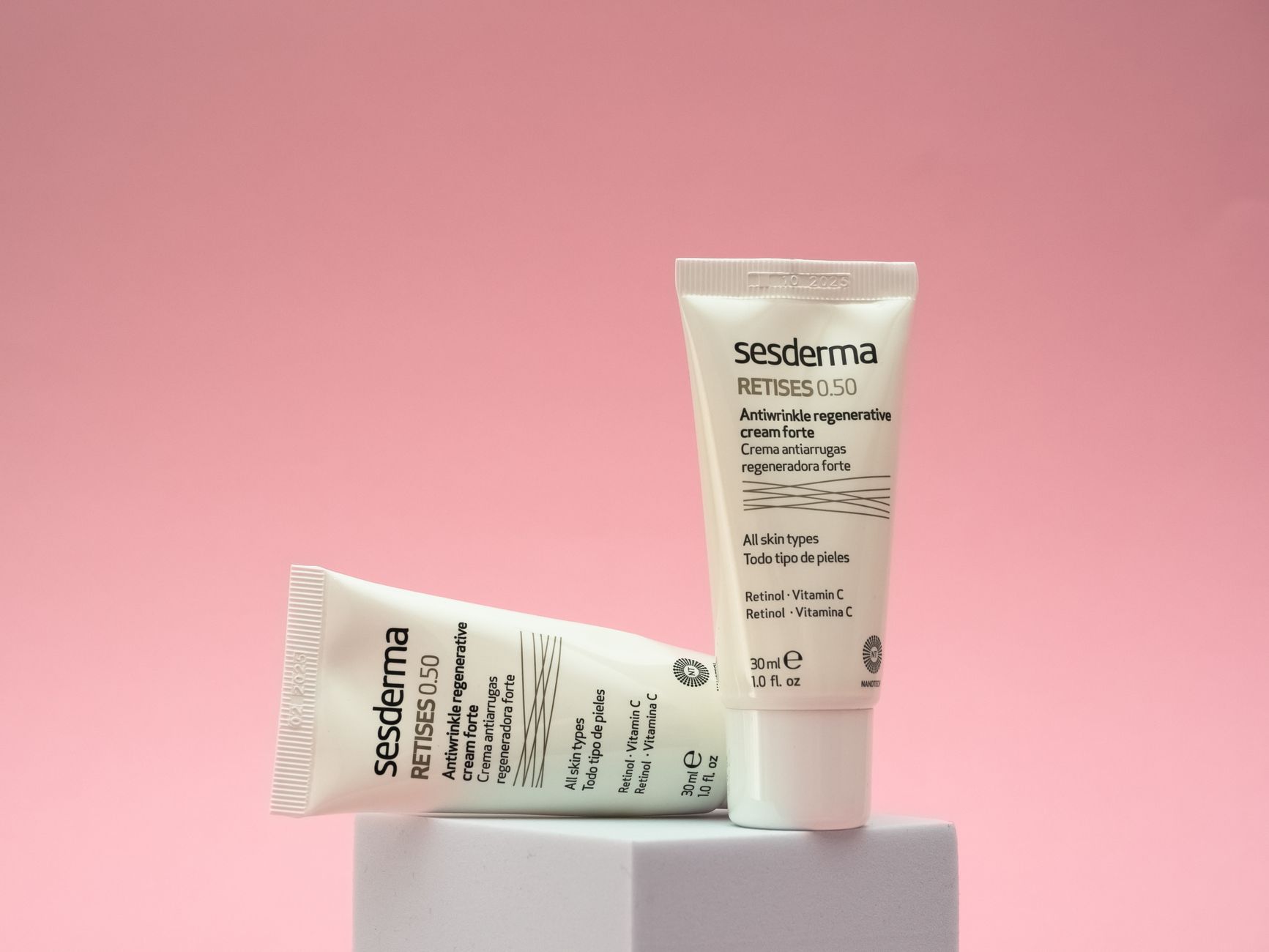
How Long Does Retinol Purging Last? A Realistic Timeline
How long does retinol purging last? Get a realistic week-by-week timeline, what's normal, and when to worry about your skin's reaction.
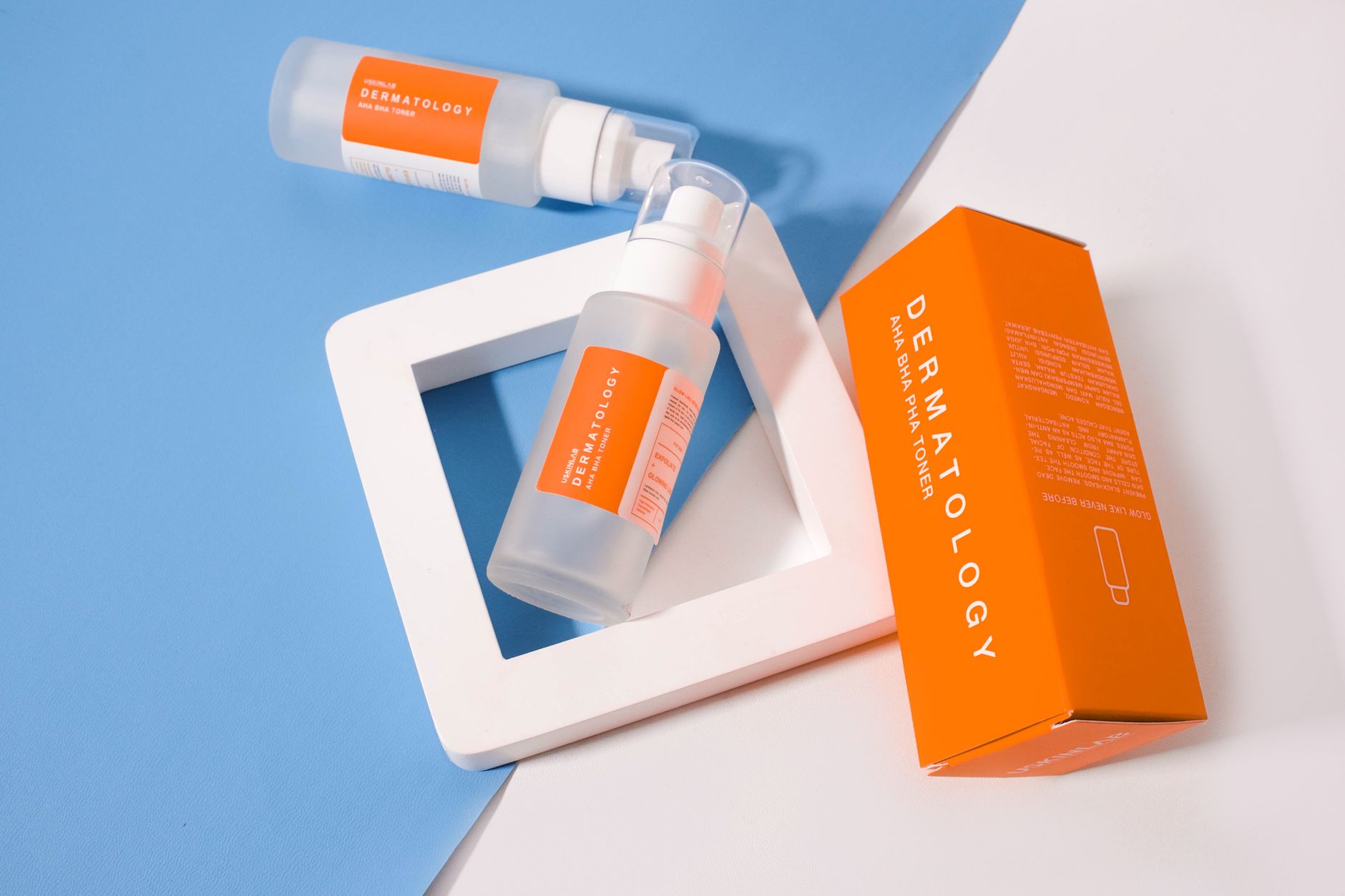
AHA vs BHA vs PHA: A Complete Exfoliation Guide
AHA vs BHA vs PHA explained: learn how each chemical exfoliant works, which is best for your skin type, and how to use them safely.

Skin Purging vs. Breaking Out: How to Tell the Difference
Is your skin purging or just breaking out? Learn the key differences, how long purging lasts, and when to stop a new skincare product.
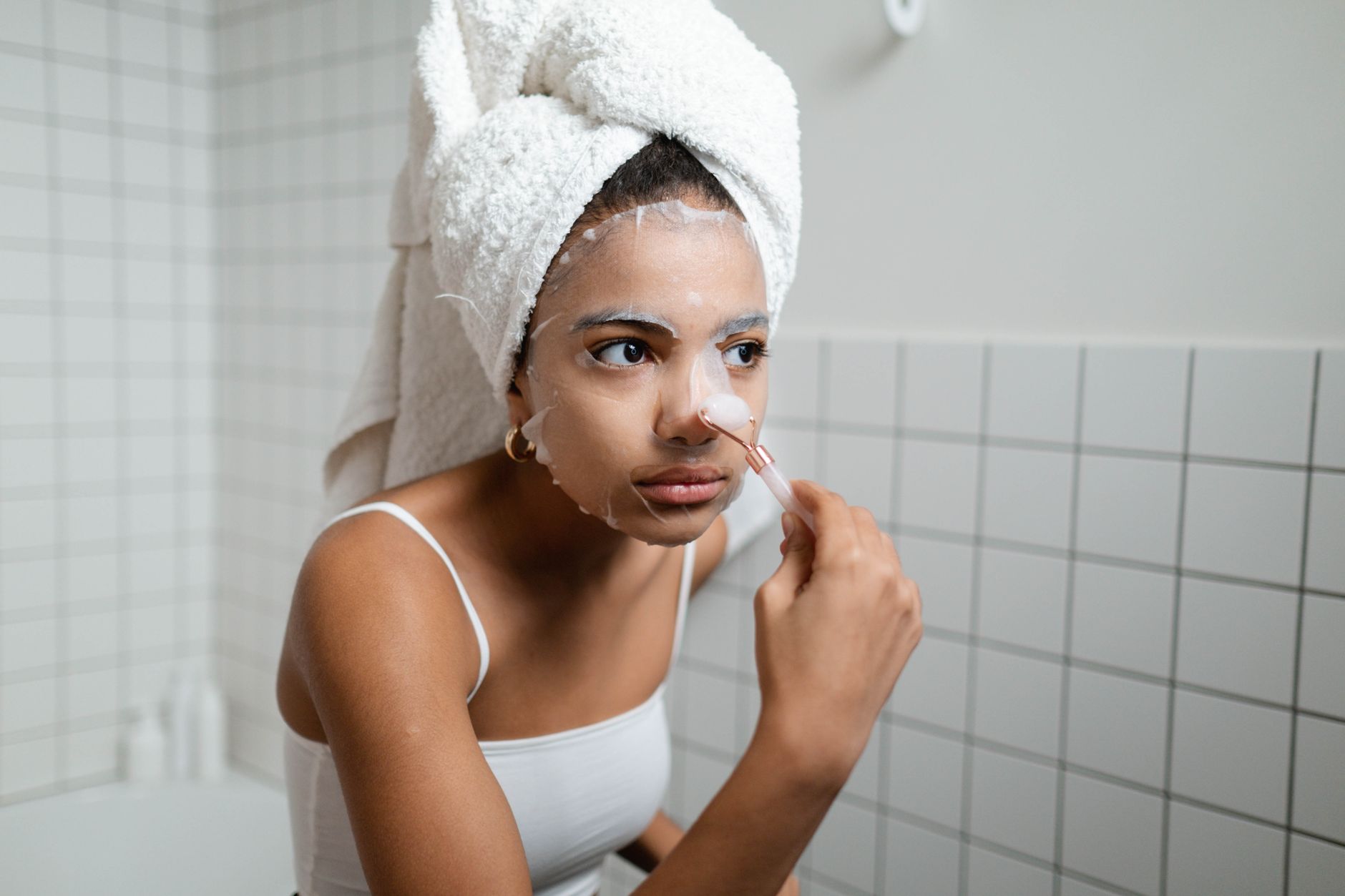
Skincare and Massage Tips for a More Defined Jawline
Explore realistic skincare, massage, and lifestyle techniques for a more defined jawline, plus what actually works versus common myths.