 Funky Millions
How to Exfoliate Body Skin Without Irritation
Learn how to exfoliate body skin safely and effectively, including the best physical and chemical methods, frequency, and mistakes to avoid.
Quick summary
Key Takeaways
- Body skin thickness varies by area, which means exfoliation intensity should be adjusted zone by zone rather than applied uniformly.
- Chemical exfoliation is generally gentler and more even, while physical exfoliation offers more immediate texture improvement but requires a lighter hand.
- Tougher areas like elbows and feet can tolerate more frequent exfoliation, while sensitive areas need a much lighter, less frequent approach.
- Warm, damp skin, gentle circular motions, and immediate moisturizing afterward form the foundation of a safe body exfoliation routine.
- Keratosis pilaris responds best to consistent chemical exfoliation with lactic or salicylic acid rather than physical scrubbing, with results typically visible after four to eight weeks.
- Exfoliating body skin thoroughly about 24 hours before self-tanner application, with extra attention to dry areas like elbows and knees, produces a more even, longer-lasting result.
- Lukewarm rather than hot water, paired with a tool matched to your skin's sensitivity level, reduces the irritation risk that comes with physical body exfoliation.
Body skin often gets far less exfoliation attention than the face, even though it deals with many of the same issues: dullness, rough texture, ingrown hairs, and dryness. Because body skin is thicker and more resilient than facial skin in some areas but thinner and more sensitive in others, exfoliating it safely requires a slightly different approach than a typical facial routine. This guide covers the best methods, ideal frequency, and how to avoid common irritation pitfalls.
Why Body Skin Needs Different Exfoliation Care
Body skin varies significantly in thickness and sensitivity across different areas. The skin on your elbows, knees, and feet is notably thicker and more prone to buildup, while skin on the inner arms, chest, and thighs is thinner and more reactive to aggressive exfoliation. A one-size-fits-all approach, using the same tool and pressure everywhere, often over-exfoliates delicate areas while under-treating tougher ones.
Physical vs. Chemical Exfoliation for the Body
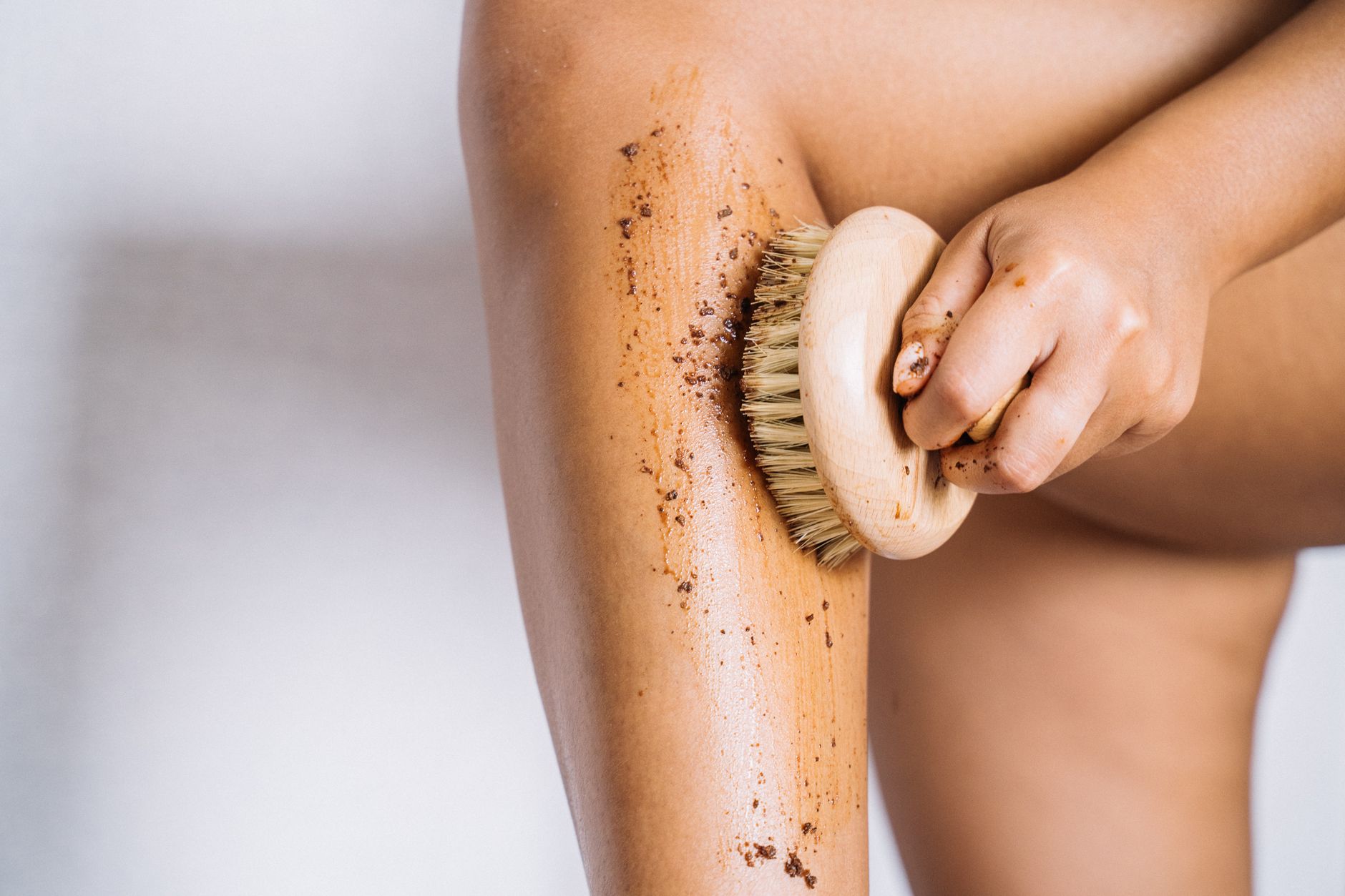
Physical exfoliation, using scrubs, brushes, or exfoliating gloves, works by mechanically sloughing off dead skin cells. It tends to be more affordable and provides immediate, visible smoothness, but carries a higher risk of micro-tears and irritation if used too aggressively.
Chemical exfoliation, using AHAs, BHA, or PHA in lotion or wash form, dissolves the bonds between dead skin cells more evenly and gently than physical scrubbing, with a lower risk of micro-tearing. Our guide on AHA vs BHA vs PHA explains how each acid type works in more depth, and the same principles apply to body skin as they do to the face.
Best Body Areas for Each Exfoliation Method
| Body Area | Recommended Method | Reason |
|---|---|---|
| Elbows, knees | Physical scrub or pumice, moderate pressure | Thicker skin tolerates more mechanical exfoliation |
| Legs (shins, thighs) | Physical scrub or chemical lotion | Both work well; alternate based on preference |
| Chest, back | Chemical exfoliant (often paired with acne/keratosis pilaris treatment) | Prone to clogged pores and body acne |
| Feet, heels | Pumice stone or foot file, physical | Very thick skin tolerates and benefits from stronger mechanical exfoliation |
| Inner arms, underarms | Gentle chemical exfoliant or very light physical touch | Thinner, more sensitive skin |
| Bikini area | Gentle chemical exfoliant only | Sensitive skin, high irritation risk with physical scrubs |
How Often to Exfoliate Body Skin
| Skin Area | Recommended Frequency |
|---|---|
| Elbows, knees, feet | 2-3 times per week |
| Legs, arms | 1-2 times per week |
| Chest, back | 2-3 times per week if acne-prone, otherwise 1-2 |
| Sensitive areas (bikini line, underarms) | Once per week or less |
Step-by-Step Body Exfoliation Routine
Step 1: Start With Damp, Warm Skin
Exfoliate in the shower after a few minutes of warm water, which softens skin and makes exfoliation more effective and less abrasive.
Step 2: Use Gentle, Circular Motions
Whether using a scrub, brush, or gloves, apply light to moderate pressure in circular motions, avoiding excessive scrubbing on any one area.
Step 3: Adjust Pressure by Zone
Use firmer pressure on thicker areas like elbows and heels, and much lighter pressure on thinner, more sensitive areas.
Step 4: Rinse Thoroughly
Ensure all exfoliating product is fully rinsed away to avoid residue that can clog pores or irritate skin.
Step 5: Moisturize Immediately
Apply a body moisturizer while skin is still slightly damp to lock in hydration after exfoliation.
Exfoliating Sensitive Body Areas
The bikini area, underarms, and inner thighs require the gentlest approach of any body zone. These areas have thinner skin, more friction from clothing, and are more prone to irritation, especially after shaving or waxing. A mild chemical exfoliant, such as a low-percentage lactic acid or salicylic acid lotion, applied no more than once a week, is generally safer than a physical scrub in these zones. Our guide on prevent razor bumps and ingrown hairs covers additional care for this specific area.
Body Exfoliation and Ingrown Hairs
Regular, gentle exfoliation is one of the most effective ways to prevent ingrown hairs, since it helps clear dead skin cells that can trap hair beneath the surface as it grows back after shaving or waxing. Chemical exfoliants containing salicylic acid are particularly effective for ingrown-hair-prone areas, since salicylic acid's oil solubility helps it work within the follicle itself, not just on the surface.
Comparison Table: Body Exfoliation Methods
| Method | Best For | Irritation Risk | Cost |
|---|---|---|---|
| Dry brushing | Circulation, light exfoliation | Low to moderate | Low |
| Exfoliating gloves/mitts | Deep physical exfoliation | Moderate | Low |
| Sugar/salt scrubs | General body smoothing | Moderate to high (if over-scrubbed) | Low to moderate |
| Chemical body lotion (AHA/BHA) | Even, gentle exfoliation, KP, body acne | Low to moderate | Moderate |
| Loofah/exfoliating sponge | General daily use | Low | Low |
Our guide on dry brushing benefits for skin covers one popular physical method in more detail.
Keratosis Pilaris and Body Exfoliation
Keratosis pilaris, the small, rough bumps commonly found on the backs of the arms and thighs, is one of the most common reasons people seek out body exfoliation specifically. This condition occurs when keratin builds up around hair follicles, creating a persistent, sandpaper-like texture that many people describe as "chicken skin." While it cannot be permanently cured, since it has a genetic component, consistent exfoliation is one of the most effective ways to manage its appearance.
Chemical exfoliants tend to outperform physical scrubs for keratosis pilaris specifically, since the goal is to dissolve the keratin plugs within the follicle rather than simply buff the surface. Lactic acid and salicylic acid are both commonly recommended, with lactic acid offering the added benefit of mild hydration alongside exfoliation, which helps offset the dryness that often accompanies keratosis pilaris-prone skin.
Results typically take four to eight weeks of consistent use to become noticeable, and many people find that keratosis pilaris improves in summer (with more humidity) and worsens in winter, meaning exfoliation frequency may need to increase somewhat during colder months to maintain the same level of improvement.
Body Exfoliation Before Self-Tanning
Exfoliation plays a uniquely important role for anyone using self-tanner, and the timing and thoroughness of this step directly affects how even and long-lasting a self-tan result will be. Dead skin cells on the surface absorb self-tanning product unevenly and shed faster than fresh skin underneath, which is the primary cause of the patchy, uneven fading that self-tanner users often struggle with, particularly around elbows, knees, and ankles.
For the smoothest self-tan application, exfoliate thoroughly 24 hours before applying self-tanner, rather than immediately beforehand, since freshly exfoliated skin can be slightly more porous and may absorb product unevenly if tanner is applied too soon after exfoliating. Pay particular attention to naturally drier, rougher areas like elbows, knees, ankles, and feet, which tend to absorb more product and develop the orange, patchy discoloration self-tanner is known for if not adequately prepped.
Post-Exfoliation Care
- Moisturize immediately after exfoliating while skin is still slightly damp
- Apply sunscreen to any exposed, exfoliated skin before sun exposure, since exfoliation increases sun sensitivity
- Avoid other actives (like a new self-tanner or fragranced product) immediately after exfoliating, since skin is more permeable and reactive right afterward
- Wait 24 hours before shaving freshly exfoliated, particularly sensitive, areas
Choosing Tools Based on Water Temperature and Skin Sensitivity
The temperature of the water you exfoliate in interacts with tool choice more than most people realize. Very hot water can feel satisfying but tends to strip natural oils and increase sensitivity, which means firmer tools like stiff-bristled brushes or coarse scrubs become more likely to cause micro-tears when combined with hot water's already-compromising effect on the skin's surface. Lukewarm water is generally the safer choice when using any physical exfoliation tool, since it softens skin enough for effective exfoliation without the additional stripping effect of high heat.
For those with naturally sensitive or reactive skin, choosing a softer tool, such as a silk or microfiber exfoliating cloth rather than a stiff loofah, can make the difference between a comfortable routine and one that leaves skin feeling raw. Testing a new tool on a small area first, particularly if you have a history of skin sensitivity, is a simple way to avoid an unpleasant surprise across a larger area of skin.
Common Mistakes to Avoid
Using the Same Intensity Everywhere
Applying the same firm pressure used on rough heels to sensitive inner arm skin is a common cause of unnecessary irritation.
Exfoliating Broken or Irritated Skin
Skip exfoliation entirely on areas with active irritation, razor burn, or broken skin until they have healed.
Over-Exfoliating in an Attempt to Speed Up Results
More frequent exfoliation does not equal faster results and often leads to irritation, redness, and a compromised skin barrier instead.
Skipping Moisturizer Afterward
Exfoliation without a follow-up moisturizer can leave skin more prone to dryness and irritation, undoing much of the treatment's benefit.
- Exfoliate before, not after, shaving to reduce the risk of irritation on freshly exfoliated skin.
- Alternate physical and chemical methods throughout the week rather than relying on one method daily.
- Focus extra attention on rough patches like elbows and knees, which tolerate more frequent, firmer exfoliation than the rest of the body.
- Pay attention to product buildup on the back and chest specifically, since these areas are prone to clogged pores and body breakouts.
Conclusion
Exfoliating body skin effectively requires adjusting your method, intensity, and frequency based on the specific area you are treating, since body skin thickness and sensitivity vary significantly from elbows to bikini line. A combination of physical and chemical methods, applied with appropriate pressure and followed by consistent moisturizing, can meaningfully improve texture, reduce ingrown hairs, and support overall skin health.
For more on preventing shaving-related irritation, see our guide on prevent razor bumps and ingrown hairs, and for a gentle physical exfoliation method, see dry brushing benefits for skin.
Category: Skin Care
Tags: body exfoliation, physical exfoliation, chemical exfoliation, ingrown hairs, body acne, dry brushing, body skincare, exfoliating scrub, salicylic acid, body care routine
Frequently Asked Questions
References
Last updated
This article is for informational purposes only and does not constitute medical advice. Consult a licensed dermatologist or healthcare provider before starting any new treatment.
Beauty & Hair Care Editor
Ilma is a beauty editor who specializes in breaking down cosmetic ingredients, skincare routines, and hair care practices. Her work focuses on evidence-based guidance readers can trust and apply.
Comments (0)
Be the first to comment.
Related Articles
AHA vs BHA vs PHA: A Complete Exfoliation Guide
AHA vs BHA vs PHA explained: learn how each chemical exfoliant works, which is best for your skin type, and how to use them safely.
How to Prevent Maskne (Mask-Related Acne)
Learn what causes maskne, how to prevent mask-related breakouts, and the best skincare routine and habits for anyone who wears a mask regularly.
Fungal Acne (Malassezia Folliculitis): Causes and Treatment
Learn what fungal acne (Malassezia folliculitis) really is, how it differs from regular acne, and the ingredients that actually treat it.
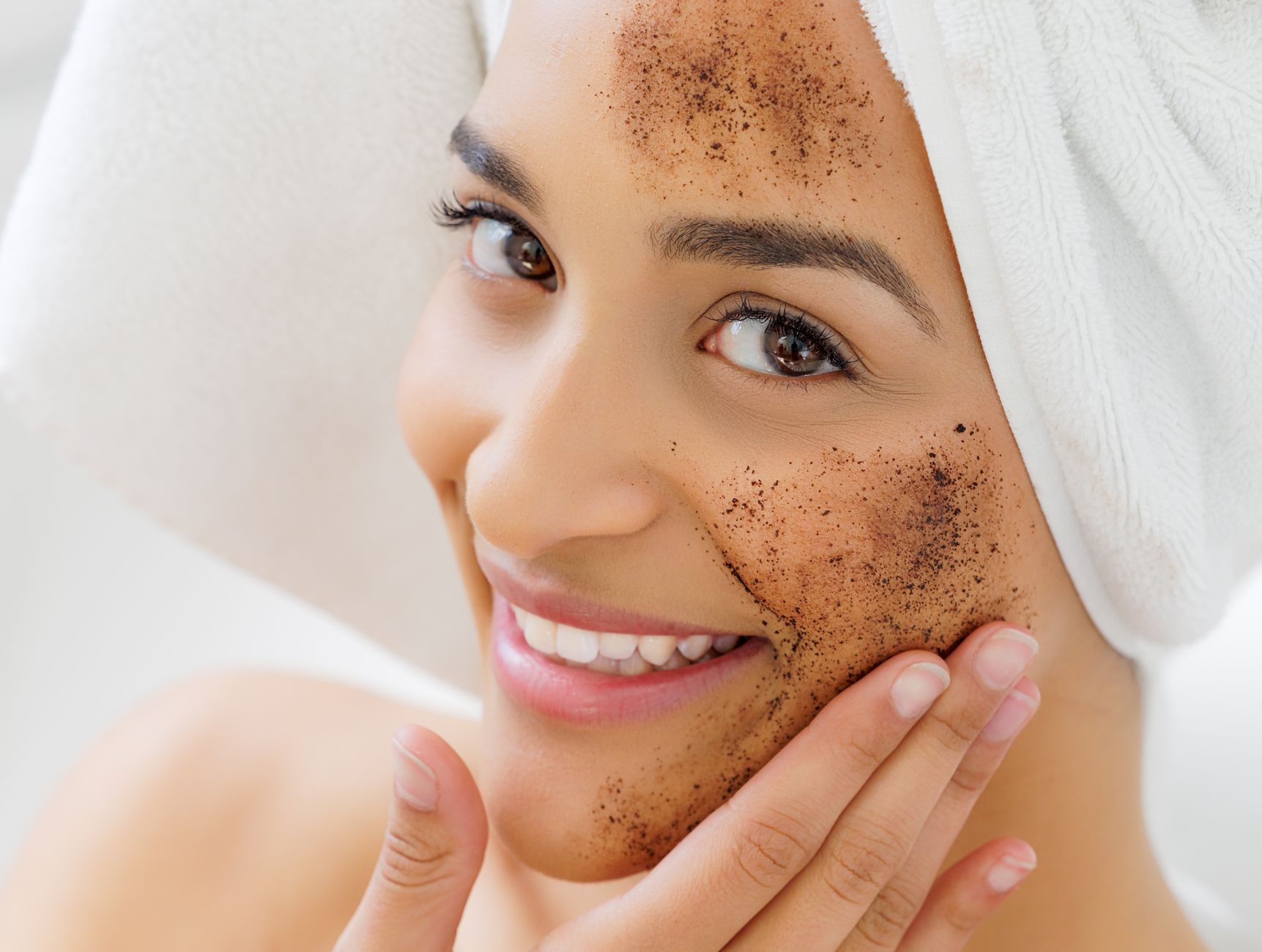
Exfoliating Toner vs. Physical Scrub: Which Is Gentler?
Exfoliating toner vs physical scrub: compare which method is gentler, more effective, and better suited to your skin type and concerns.