 Funky Millions
How to Prevent Maskne (Mask-Related Acne)
Learn what causes maskne, how to prevent mask-related breakouts, and the best skincare routine and habits for anyone who wears a mask regularly.
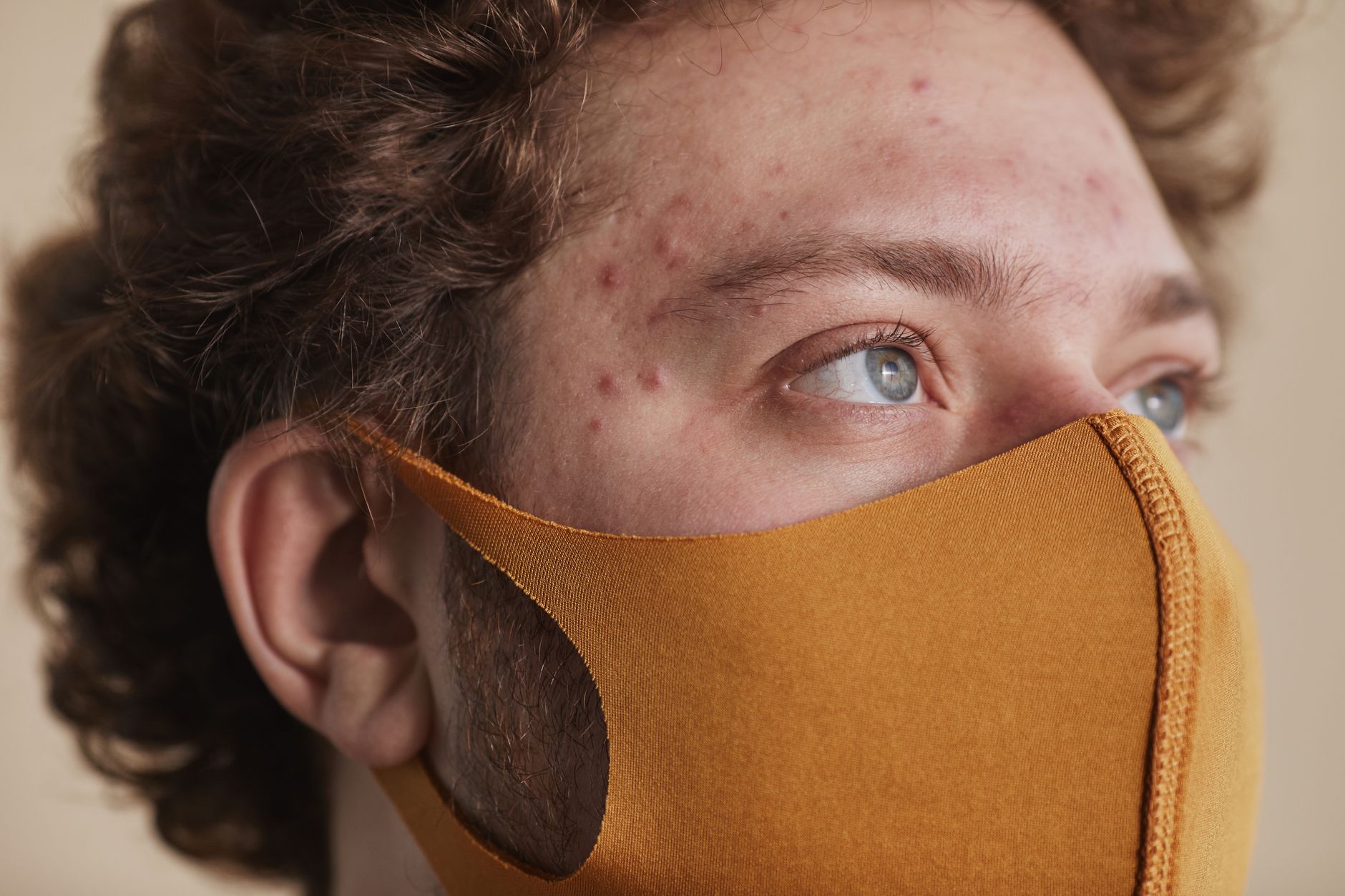
Quick summary
Key Takeaways
- Maskne is a form of acne mechanica caused by friction, heat, and trapped moisture, not a new or separate skin condition.
- Maskne results from a combination of heat, friction, occlusion, and pressure, not from any single cause.
- Maskne is specifically tied to the area and duration of mask coverage, which is the clearest way to distinguish it from unrelated acne.
- A lightweight, non-comedogenic routine before mask wear and a thorough cleanse afterward are the two most effective prevention habits.
- Clean, dry, well-fitted masks reduce the bacterial load and friction that drive maskne.
- The severity of maskne often correlates with shift length, mask type, and physical exertion, so tailoring your prevention routine to your specific work environment produces better results than a generic approach.
- Facial hair adds friction and trapped debris to the maskne equation, making regular, gentle beard cleansing and mindful shave timing useful additions to a standard maskne prevention routine.
- Treating maskne means addressing both the acne itself and the friction and occlusion that caused it.
If you wear a mask for work, whether in healthcare, food service, or any job requiring extended coverage, you have probably dealt with maskne, the breakouts, irritation, and redness that develop specifically where a mask sits against your skin. It is a real, well-documented phenomenon with clear physical causes, and thankfully, clear solutions too.
This guide covers exactly why maskne happens, how to prevent it, and how to treat it if it has already taken hold.
What Is Maskne?
Maskne, a blend of "mask" and "acne," refers to acne mechanica, breakouts caused or worsened by friction, heat, pressure, and moisture trapped against the skin by a face covering. It became widely recognized during periods of extended mask wearing, but the underlying mechanism, occlusion combined with friction, has been documented in dermatology long before that under the broader term acne mechanica, which also affects athletes who wear helmets or chin straps.
Why Masks Cause Breakouts
Several factors combine to create the ideal environment for breakouts under a mask:
- Trapped heat and humidity from breathing increase sweat and oil production in the covered area
- Friction from the mask fabric rubbing against skin irritates hair follicles and can worsen existing acne
- Occlusion prevents normal airflow, trapping sweat, oil, and bacteria against the skin
- Pressure points around the nose bridge and ears can cause irritation independent of acne
Who Is Most at Risk
People who wear masks for extended periods, generally more than four hours at a stretch, are at the highest risk. This includes healthcare workers, food service employees, and anyone in a role requiring continuous mask use. People with naturally oily or acne-prone skin, or those who already deal with rosacea, tend to notice more pronounced flare-ups since their skin is already more reactive to occlusion and friction.
Maskne vs. Regular Acne
| Feature | Maskne | Regular Acne |
|---|---|---|
| Location | Directly under mask coverage (nose, mouth, chin, cheeks) | Anywhere on the face |
| Primary cause | Friction, heat, occlusion | Hormones, genetics, oil production, bacteria |
| Onset | Appears or worsens during extended mask wear | Not tied to a specific trigger event |
| Texture | Often includes irritated bumps and redness, not just clogged pores | Whiteheads, blackheads, cysts |
| Resolution | Often improves significantly with reduced wear time and adjusted routine | Requires ongoing management regardless of mask use |
Skincare Routine to Prevent Maskne
Morning (Before Mask Wear)
- Cleanse gently with a mild, non-stripping cleanser
- Apply a lightweight, oil-free moisturizer to support the barrier without adding excess oil
- Skip heavy makeup under the mask area, or use minimal, non-comedogenic products
- Apply sunscreen to any exposed skin, since UV exposure still matters even with partial coverage
After Removing the Mask
- Cleanse again if you have been wearing the mask for several hours, to remove trapped sweat and oil
- Use a gentle exfoliant two to three times a week, such as a low-strength salicylic acid, to prevent clogged pores
- Apply a soothing, barrier-supportive moisturizer to calm any friction-related irritation
Our guide on double cleansing for clear skin can help if you are also removing makeup along with mask-related buildup.
Choosing the Right Mask Material
Not all mask fabrics affect skin the same way. Consider:
- Breathable, natural fibers like 100% cotton, which allow better airflow than synthetic blends
- Multiple masks in rotation so you can wash and dry each one thoroughly between uses
- Properly fitted masks that do not press too tightly, since increased friction and pressure at contact points worsens irritation
- Avoiding fragranced detergents when washing cloth masks, since fragrance residue against the skin can trigger sensitivity
Mask Hygiene Habits That Matter
- Wash cloth masks after every use with a fragrance-free detergent
- Replace disposable masks daily, and more often if they become damp
- Avoid touching the inside of your mask with unwashed hands
- Let your skin breathe during breaks when it is safe and appropriate to remove your mask
- Avoid reusing a mask that smells or feels damp, since this indicates bacterial buildup
Makeup and Maskne
Wearing heavy foundation, concealer, or powder underneath a mask increases the likelihood of clogged pores, since these products combine with sweat and oil in an already occlusive environment. If you need coverage:
- Choose non-comedogenic, oil-free formulas
- Apply minimally, focusing only on areas outside the mask zone when possible
- Consider skipping full coverage under the mask entirely and focusing makeup on the eye area instead
Maskne in Different Work Environments
The specific triggers and best prevention strategies for maskne can vary depending on your work environment, since not all mask-wearing situations create the same conditions.
Healthcare workers often face the toughest combination of factors: extended shift lengths, N95 or surgical masks with tighter seals, frequent hand sanitizer use near the face, and limited opportunities for breaks. For this group, prioritizing a truly minimal, non-comedogenic routine before shifts and keeping a travel-size gentle cleanser and moisturizer at work for post-shift care tends to make the biggest difference.
Food service and hospitality workers frequently combine mask wear with heat exposure from kitchens or physically demanding movement that increases sweating, compounding the moisture and friction factors that drive maskne. For this group, breathable mask materials and more frequent mask changes during a shift, when possible, can meaningfully reduce breakouts.
Office workers who wear masks intermittently, such as during commutes or client meetings, generally have the lowest maskne risk, since exposure time is shorter and skin has more recovery time between wears. Even so, the same core principles, non-comedogenic products, mask hygiene, and prompt cleansing after removal, still apply and can prevent occasional breakouts from becoming a recurring problem.
The Role of Facial Hair and Maskne
For people with facial hair, maskne can involve an additional layer of complexity that a standard skincare-only approach does not fully address. Beard hair traps sweat, oil, and skin cells against the skin in a way that can compound the occlusive effect already created by mask wear, and stubble or longer facial hair can increase friction against mask fabric with every movement of the jaw.
Regular beard washing with a gentle, dedicated beard cleanser, rather than relying solely on regular bar soap or shampoo, helps remove trapped debris without over-drying the skin underneath. Keeping facial hair well-groomed and at a consistent, manageable length can also reduce the friction against mask material compared to longer or unevenly maintained facial hair, which tends to catch and rub against fabric more during extended wear.
For those who shave regularly, timing matters as well. Shaving immediately before a long mask-wearing shift can leave freshly opened hair follicles more vulnerable to irritation from friction and trapped sweat. When possible, shaving the night before or earlier in the day, rather than right before mask wear, gives skin a small window to settle before facing hours of coverage.
Treating Existing Maskne
Step 1: Simplify Your Routine
Cut back to a gentle cleanser, lightweight moisturizer, and sunscreen while your skin recovers from irritation.
Step 2: Introduce a Gentle Exfoliant
A low-strength salicylic acid or azelaic acid can help address clogged pores without excessive irritation. Our guide on azelaic acid benefits covers how this gentle option works for both acne and redness.
Step 3: Reduce Mask Wear Time When Possible
Take breaks from mask wearing when your environment allows it safely, giving your skin time to breathe and recover.
Step 4: Address Friction Points Directly
For irritation specifically at contact points like the nose bridge, a thin layer of a barrier-repair balm can reduce friction-related breakdown.
Maskne Prevention Comparison Table
| Strategy | Purpose | Frequency |
|---|---|---|
| Gentle cleansing before and after mask wear | Removes trapped oil and sweat | Twice daily minimum |
| Lightweight, oil-free moisturizer | Prevents over-drying without clogging pores | Daily |
| Salicylic acid exfoliation | Clears clogged pores | 2 to 3 times weekly |
| Mask washing/replacement | Reduces bacterial buildup | Daily (disposable) or after each use (cloth) |
| Minimal makeup under mask | Reduces pore-clogging risk | As needed |
Common Mistakes to Avoid
Wearing the Same Cloth Mask Multiple Days Without Washing
This allows sweat, oil, and bacteria to build up, worsening irritation with each wear.
Over-Exfoliating to "Fix" Maskne Quickly
Aggressive exfoliation can worsen friction-related irritation. Stick to gentle, low-frequency exfoliation.
Applying Heavy, Occlusive Moisturizers Under a Mask
Rich creams can add to the occlusive environment already created by the mask itself. Choose lightweight formulas for the areas under mask coverage.
Ignoring Ear and Nose Bridge Irritation
Focusing only on acne while ignoring friction-related irritation at contact points leaves part of the problem unaddressed.
- Keep a rotation of at least five cloth masks so you always have a clean, dry option available.
- Apply a thin layer of petroleum jelly or a barrier balm to friction points like the nose bridge before extended wear.
- Avoid new skincare actives during high-mask-wear periods, since your skin is already under more stress than usual.
- Take mask breaks whenever safely possible, even five minutes at a time, to let your skin breathe.
Conclusion
Maskne is a well-understood, preventable form of acne mechanica caused by the friction, heat, and occlusion of extended mask wear. A simplified, non-comedogenic skincare routine, good mask hygiene, and attention to friction points can dramatically reduce breakouts, even for people who wear masks for hours at a time every day.
For more on managing breakouts and building a supportive skincare routine, see our guides on azelaic acid benefits and double cleansing for clear skin.
Category: Skin Care
Tags: maskne, acne mechanica, mask acne, friction acne, occlusion, healthcare worker skincare, oil-free moisturizer, salicylic acid, mask hygiene, breakout prevention
Frequently Asked Questions
References
Last updated
This article is for informational purposes only and does not constitute medical advice. Consult a licensed dermatologist or healthcare provider before starting any new treatment.
Beauty & Hair Care Editor
Ilma is a beauty editor who specializes in breaking down cosmetic ingredients, skincare routines, and hair care practices. Her work focuses on evidence-based guidance readers can trust and apply.
Comments (0)
Be the first to comment.
Related Articles
AHA vs BHA vs PHA: A Complete Exfoliation Guide
AHA vs BHA vs PHA explained: learn how each chemical exfoliant works, which is best for your skin type, and how to use them safely.
How to Exfoliate Body Skin Without Irritation
Learn how to exfoliate body skin safely and effectively, including the best physical and chemical methods, frequency, and mistakes to avoid.
Summer Skincare Routine for Oily Skin: A Complete Heat-Proof Guide
Build the perfect summer skincare routine for oily skin with this dermatologist-inspired guide. Control shine, prevent breakouts, and protect your skin all season.

Skincare Tips for Women in Their 20s: Build a Routine That Lasts
Discover the best skincare tips women 20s need for clear, healthy, glowing skin. Learn morning and evening routines, key ingredients, and mistakes to avoid.