 Funky Millions
The Ultimate Double Cleansing Guide for Clear Skin
Master the double cleansing guide for clear skin with this step-by-step routine, best oils, common mistakes, and expert tips for a healthier complexion.
Quick summary
Key Takeaways
- Double cleansing uses an oil cleanser first, then a water-based cleanser, to remove both oil-soluble and water-soluble impurities in one routine.
- A proper double cleanse clears away the daily buildup that can clog pores and dull your complexion, setting the stage for brighter, healthier skin.
- If you wear makeup or sunscreen, double cleansing is worth adding to your nighttime routine. If your skin is bare and sensitive, one gentle cleanse may be enough.
- Use dry hands and face for the oil cleanser, then follow with a water-based cleanser on damp skin for a complete clean.
- Match your cleansers to your skin type to avoid over-drying, residue, or irritation.
- Be gentle, rinse thoroughly, use lukewarm water, and reserve double cleansing for your evening routine.
- Slow, gentle cleansing with the right products gives better results than rushing with harsh formulas.
- Look for proven, skin-friendly ingredients and textures that match your skin type and makeup habits.
- Clean, comfortable skin that responds well to treatments is a sign that your double cleansing routine is working.
Introduction
If you have ever wondered how to get truly clean skin, this double cleansing guide is exactly what you need. Double cleansing is a two-step facial cleansing method that starts with an oil-based cleanser and follows with a water-based cleanser. It is one of the most effective ways to remove makeup, sunscreen, excess sebum, and daily impurities that a single cleanse can leave behind.
The technique originated in Korean and Japanese skincare routines and has become a global favorite among dermatologists and beauty experts. Whether you wear heavy makeup or just a layer of SPF, double cleansing helps your skin start fresh every evening. It also prepares your skin to absorb serums, moisturizers, and treatments more effectively.
In this guide, you will learn what double cleansing is, why it works, how to do it correctly based on your skin type, and which mistakes to avoid. You will also find product recommendations, comparison tables, and answers to the most common questions. By the end, you will know how to build a simple double cleansing routine that supports clear, balanced, and healthy-looking skin.
What Is Double Cleansing?
Double cleansing is a two-step evening cleansing method. The first step uses an oil-based cleanser to dissolve oil-soluble impurities such as makeup, sunscreen, sebum, and pollution. The second step uses a water-based cleanser to remove sweat, dirt, bacteria, and any remaining residue.
The principle behind double cleansing is rooted in basic chemistry: like dissolves like. Oil attracts oil, so an oil cleanser lifts away stubborn, water-resistant products without stripping the skin. The second cleanser then finishes the job with water-based ingredients.
This method is especially useful at night. In the morning, most people do not need a double cleanse unless they have very oily skin or applied heavy products overnight.
Why Double Cleansing Matters for Clear Skin
Clean skin is the foundation of any effective skincare routine. When makeup, sunscreen, and excess oil are left on the skin, they can mix with dead skin cells and bacteria. This combination can clog pores and contribute to breakouts, dullness, and uneven texture.
Double cleansing helps prevent this by removing layers of buildup in two gentle stages. It is less harsh than scrubbing aggressively with one strong cleanser, which can damage the skin barrier and cause more oil production.
Benefits of Double Cleansing
- Removes waterproof makeup and sunscreen more thoroughly than a single cleanse
- Reduces clogged pores by lifting excess sebum and daily grime
- Supports clearer skin by minimizing the debris that contributes to breakouts
- Prepares skin for treatments such as serums, retinoids, and moisturizers
- Balances oil production by cleansing without over-drying
- Improves skin texture by allowing active ingredients to penetrate better
- Gentle on the skin barrier when done with the right products
If your goal is clear skin, double cleansing pairs well with the tips in our article on how to get clear skin.
Who Should Double Cleanse?
Double cleansing is not required for everyone, but it benefits many skin types and lifestyles.
Best Candidates for Double Cleansing
- People who wear makeup, tinted sunscreen, or long-wear foundation
- Those who use water-resistant SPF
- Individuals with oily or combination skin prone to clogged pores
- Anyone living in a polluted urban environment
- People who use active ingredients like retinol, AHAs, or salicylic acid
When You May Not Need It
- You have very dry or sensitive skin and do not wear makeup
- Your morning routine is simple and your skin feels clean with one gentle cleanser
- You are using prescription treatments that already irritate your skin
Step-by-Step Double Cleansing Routine
A good double cleansing routine takes about two to three minutes and should be done as the first step of your evening skincare routine.
Step 1: Oil-Based Cleanser
Start with dry hands and a dry face. Apply a small amount of cleansing oil, balm, or micellar water formulated with oils.
- Warm the product between your palms.
- Massage it onto your dry face using gentle, circular motions.
- Pay attention to areas with heavy makeup, such as the eyes and lips.
- Continue for 30 to 60 seconds.
- Rinse with lukewarm water or remove with a soft, damp cloth.
Step 2: Water-Based Cleanser
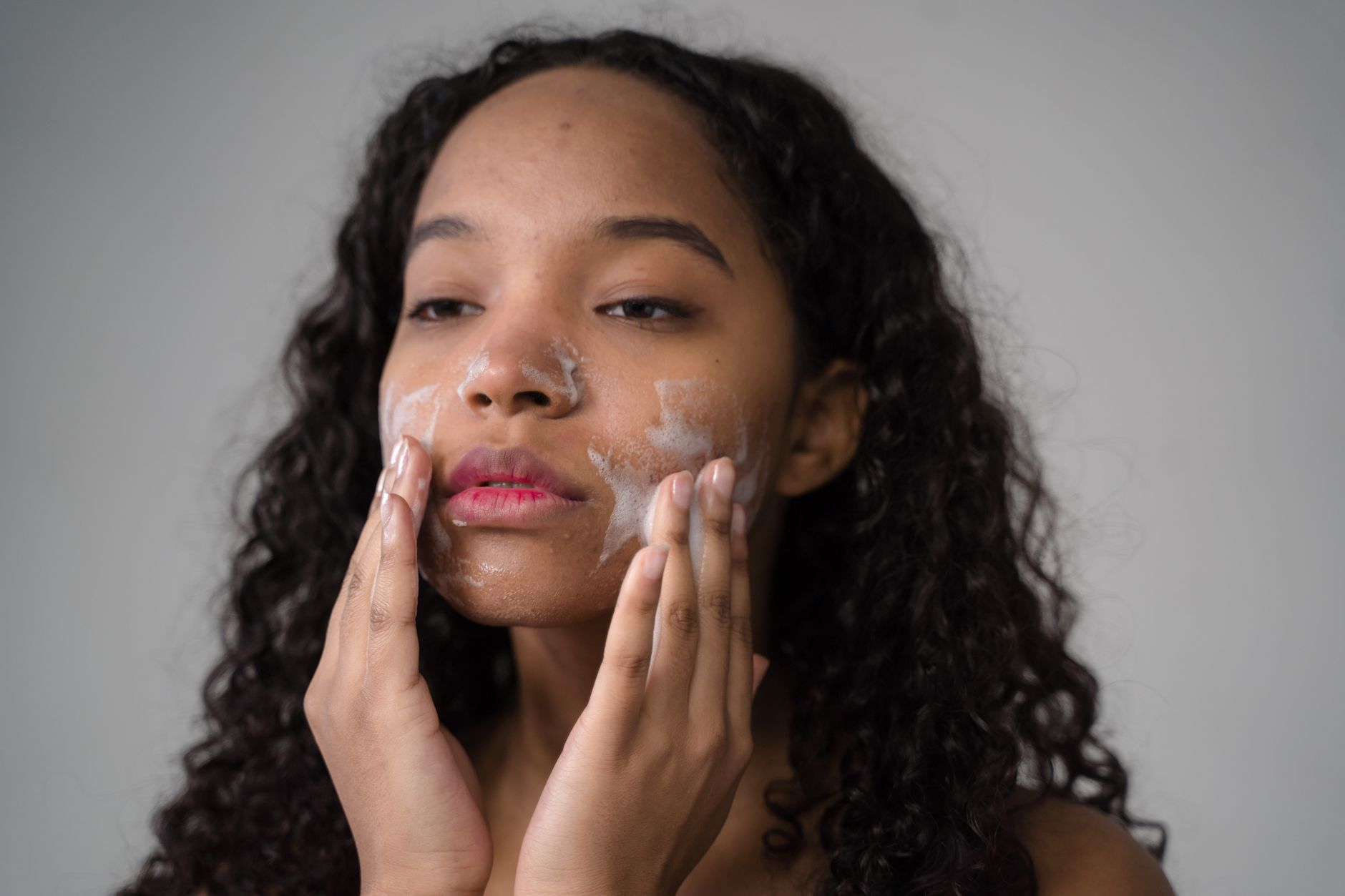
After rinsing off the oil cleanser, use a water-based gel, foam, or cream cleanser.
- Wet your face with lukewarm water.
- Apply the cleanser and massage for 30 to 60 seconds.
- Focus on the T-zone, jawline, and hairline where buildup often collects.
- Rinse thoroughly with lukewarm water.
- Pat your skin dry with a clean towel.
After cleansing, your skin is ready to absorb treatments like the ones discussed in our guide to salicylic acid acne treatment.
Choosing the Right Cleansers for Your Skin Type
The success of double cleansing depends on selecting products that suit your skin type. The wrong cleanser can leave residue, strip moisture, or trigger breakouts.
Oily and Acne-Prone Skin
Look for lightweight oil cleansers with non-comedogenic oils such as jojoba, grapeseed, or sunflower oil. For the second cleanse, choose a gel or foam cleanser with salicylic acid or tea tree oil.
Dry and Sensitive Skin
Choose a rich cleansing balm with shea butter, squalane, or camellia oil. Follow with a hydrating cream or milk cleanser that contains ceramides or glycerin.
Combination Skin
Use a balanced oil cleanser that removes makeup without heaviness. A gentle gel cleanser works well for the second step.
Normal Skin
Most formulas will work. A lightweight cleansing oil followed by a gentle foaming cleanser is a reliable choice.
| Skin Type | First Cleanse | Second Cleanse | Ingredients to Look For |
|---|---|---|---|
| Oily / Acne-Prone | Lightweight oil, micellar water | Gel or foam cleanser | Jojoba, salicylic acid, tea tree |
| Dry / Sensitive | Cleansing balm | Cream or milk cleanser | Squalane, shea butter, ceramides |
| Combination | Balancing oil cleanser | Gentle gel cleanser | Grapeseed, glycerin, niacinamide |
| Normal | Light cleansing oil | Mild foam cleanser | Camellia, hyaluronic acid |
For more personalized skincare advice, read our beauty tips for face at home.
Common Double Cleansing Mistakes to Avoid
Even a simple routine can go wrong if you are not careful. Avoid these common mistakes to get the most from your double cleanse.
Using the Wrong Oil Cleanser for Your Skin
Heavy oils like coconut oil or mineral oil can clog pores for some people. Choose non-comedogenic oils and avoid fragranced products if you are sensitive.
Over-Cleansing or Rubbing Too Hard
Two cleanses do not mean two minutes of scrubbing each. Gentle massage is enough. Aggressive rubbing damages the skin barrier and causes redness.
Skipping the Second Cleanse
The oil cleanser alone does not remove sweat, dirt, and water-based debris. The water-based cleanser is essential for a complete clean.
Using Water That Is Too Hot
Hot water strips natural oils and can cause irritation. Lukewarm water is best for both steps.
Double Cleansing Twice a Day
Most people only need to double cleanse at night. Morning cleansing usually requires just one gentle cleanser.
Not Rinsing Thoroughly
Leftover cleanser residue can clog pores and reduce the effectiveness of the rest of your routine. Rinse well, especially along the hairline and jaw.
Recommended Ingredients and Products
You do not need expensive products to double cleanse effectively. Focus on formulas with proven ingredients.
Oil Cleanser Ingredients to Consider
- Jojoba oil: Similar to human sebum, non-comedogenic
- Squalane: Lightweight and suitable for most skin types
- Grapeseed oil: Balancing for oily and combination skin
- Camellia oil: Nourishing and gentle
- Micellar technology: Removes makeup without rinsing
Water-Based Cleanser Ingredients to Consider
- Salicylic acid: Helps clear pores and prevent breakouts
- Glycerin: Hydrates while cleansing
- Niacinamide: Soothes and supports the skin barrier
- Ceramides: Help maintain moisture for dry skin
- Hyaluronic acid: Adds lightweight hydration
Product Texture Guide
| Texture | Best For | Notes |
|---|---|---|
| Cleansing oil | All skin types | Lightweight, easy to rinse |
| Cleansing balm | Dry or sensitive skin | Rich, melts makeup well |
| Micellar water | Light makeup, sensitive skin | No-rinse option |
| Gel cleanser | Oily or combination skin | Refreshing, deep clean |
| Cream cleanser | Dry or mature skin | Gentle and hydrating |
| Foam cleanser | Normal to oily skin | Removes residue effectively |
How to Tell If Double Cleansing Is Working
You should notice improvements within one to two weeks of consistent double cleansing. Signs that your routine is working include:
- Fewer clogged pores and blackheads
- Makeup and sunscreen remove more easily
- Skincare products absorb better
- Skin feels clean but not tight
- Fewer breakouts in areas like the chin and jawline
If your skin feels dry, irritated, or broken out after double cleansing, you may be using the wrong products or cleansing too often.
Dermatologists and estheticians often recommend these habits to maximize the benefits of double cleansing.
- Spend at least 60 seconds on each cleanse. This gives the ingredients time to break down makeup and impurities.
- Use a fresh washcloth each time if you prefer removing the oil cleanser with a cloth.
- Massage upward and outward to encourage circulation and lymphatic drainage.
- Double cleanse before active treatments like exfoliants or retinoids so they can absorb properly.
- Patch test new cleansers for a few days before making them part of your routine.
- Adjust seasonally. You may need a richer balm in winter and a lighter oil in summer.
You can also support your glow from the inside out by following the habits in our article on how to make your skin glow.
Conclusion
This double cleansing guide gives you everything you need to build an effective evening cleansing routine. By starting with an oil-based cleanser and finishing with a water-based cleanser, you remove makeup, sunscreen, sebum, and daily impurities more thoroughly than with a single wash.
The key is to choose products that match your skin type, be gentle, and avoid over-cleansing. With consistency, double cleansing can help reduce clogged pores, improve skin texture, and prepare your skin for the treatments that follow.
If you enjoyed this guide, share it with a friend who is trying to simplify their skincare routine. You may also like our articles on how to get clear skin, how to make your skin glow, and salicylic acid acne treatment.
Frequently Asked Questions
References
Last updated
This article is for informational purposes only and does not constitute medical advice. Consult a licensed dermatologist or healthcare provider before starting any new treatment.
Beauty & Hair Care Editor
Ilma is a beauty editor who specializes in breaking down cosmetic ingredients, skincare routines, and hair care practices. Her work focuses on evidence-based guidance readers can trust and apply.
Comments (0)
Be the first to comment.
Related Articles

Sleep and Skin Health: Why Beauty Sleep Is Real
Discover how sleep and skin health are connected. Learn the science behind beauty sleep, skin repair at night, and how to build a bedtime routine for glowing skin.

How Exercise Improves Skin Health: A Science-Backed Guide
Discover how exercise improves skin health. Learn the science behind sweat, circulation, collagen, and the best workout routine for a clearer, firmer, more radiant complexion.
Vitamin C and Niacinamide: Can You Really Not Use Them Together?
Can you use vitamin C and niacinamide together? Learn what the science says about this popular skincare myth and how to layer them correctly.
Skincare Ingredients You Should Never Mix Together
Learn which skincare ingredient combinations to avoid, why they conflict, and how to layer active ingredients safely instead.