 Funky Millions
How to Get Rid of Belly Fat
Quick summary
Key Takeaways
- Belly fat decreases through overall fat loss, not stomach exercises alone.
- Waist measurements are more useful than daily mirror checks for tracking belly fat changes.
- Protein, fiber-rich foods, portion control, and fewer sugary drinks help create the deficit needed for fat loss.
- Sleep, stress, age, hormones, and alcohol habits can all affect how stubborn belly fat feels.
Of all the health and fitness issues, how to get rid of belly fat must be among the more frustrating. Pounds left over after having a baby, beer belly beginning to show up, muffin top oozing over your jeans, whatever the reason, it just seems like you can’t quite get that extra flab off your stomach.
How to Get Rid of Belly Fat
Imagine…
- Having ab muscles you can actually see…
- Having no extra muffin pouring over your jeans Having confidence taking off your shirt
- Having confidence putting on your bikini
With the information on this site…
- You can have that experience
- You can drastically reduce the size of your belly
- You can feel good about your body again
- You can achieve a flatter stomach fast
Why do we get a fat belly?
Fat accumulates between your skin and your abdominal wall, this fat is called subcutaneous fat and is the visible palpable fat that shows up due to lack of exercise or poor dietary habits. Fat also accumulates behind your abdominal wall around your organs. This visceral fat is normal and needed for cushioning but can increase over the years because of obesity and/or heredity.
The most common causes of belly fat:
- Lack of exercise
- Poor diet
- Age
- Hormones
- Heredity
Why should you worry about belly fat?
Belly fat is linked to some very serious illness. It’s not merely an unsightly vanity issue. Therefore, if you have extra belly fat, then for your over health’s sake you should try to reduce your midsection fat.
Increased fat on your stomach has been linked to:
- Heart disease
- Breast cancer
- Diabetes
- Metabolic syndrome
- Gallbladder problems
- High blood pressure
- Colorectal cancer
How do you get rid of belly fat?
There are two main strategies to get rid of belly fat:
Fiber Pills for Weight Loss
Fiber has long been known to play a key role in weight management. Today’s modern nutritional technology allows you to be able to safely and effectively rid your body of fat.
Exercises to lose belly fat
Sick of doing sit-ups? That’s fine because the latest exercise physiology tells us that sit-ups are not the end all for a nice flat stomach.
Start by Separating Bloating From Belly Fat
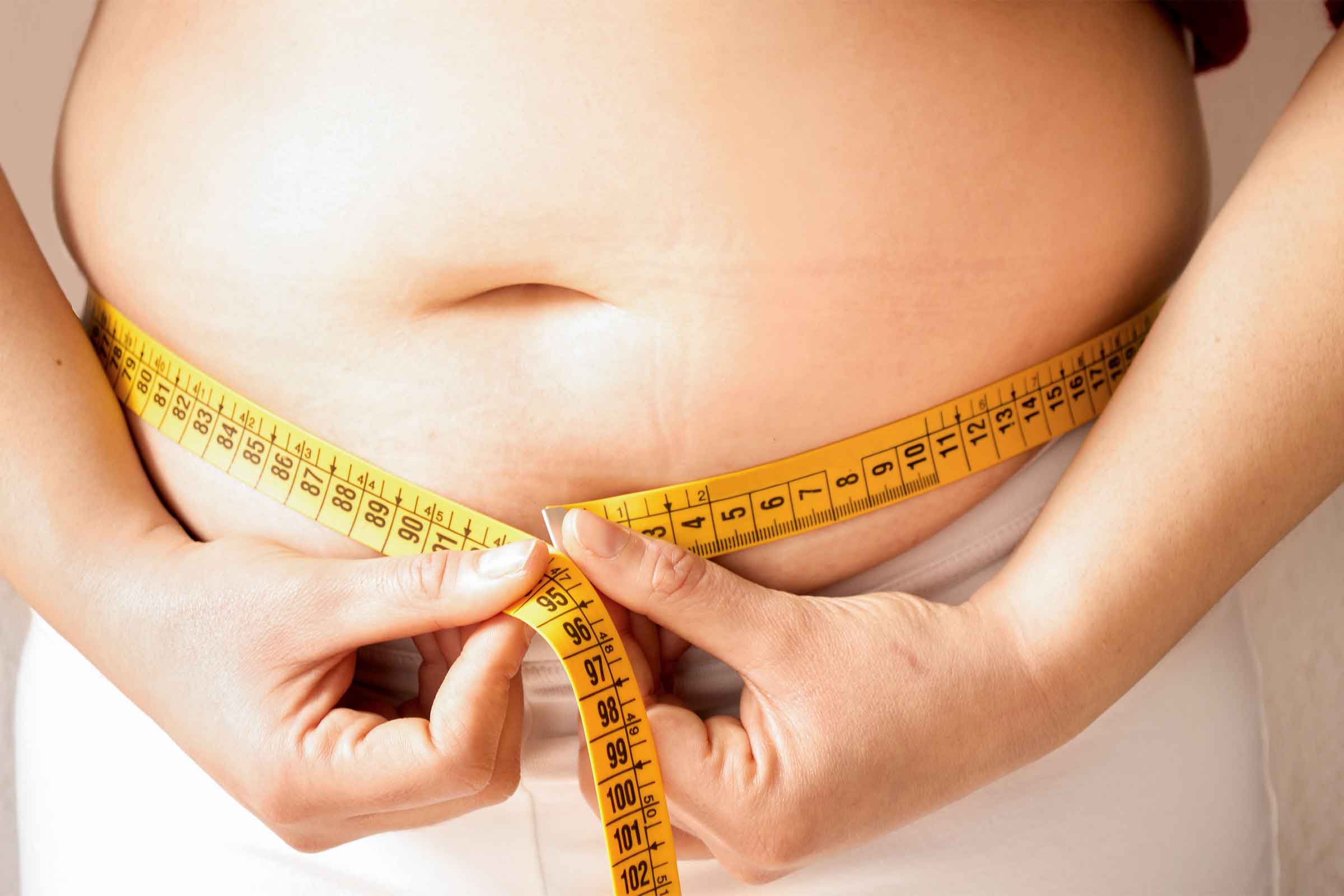
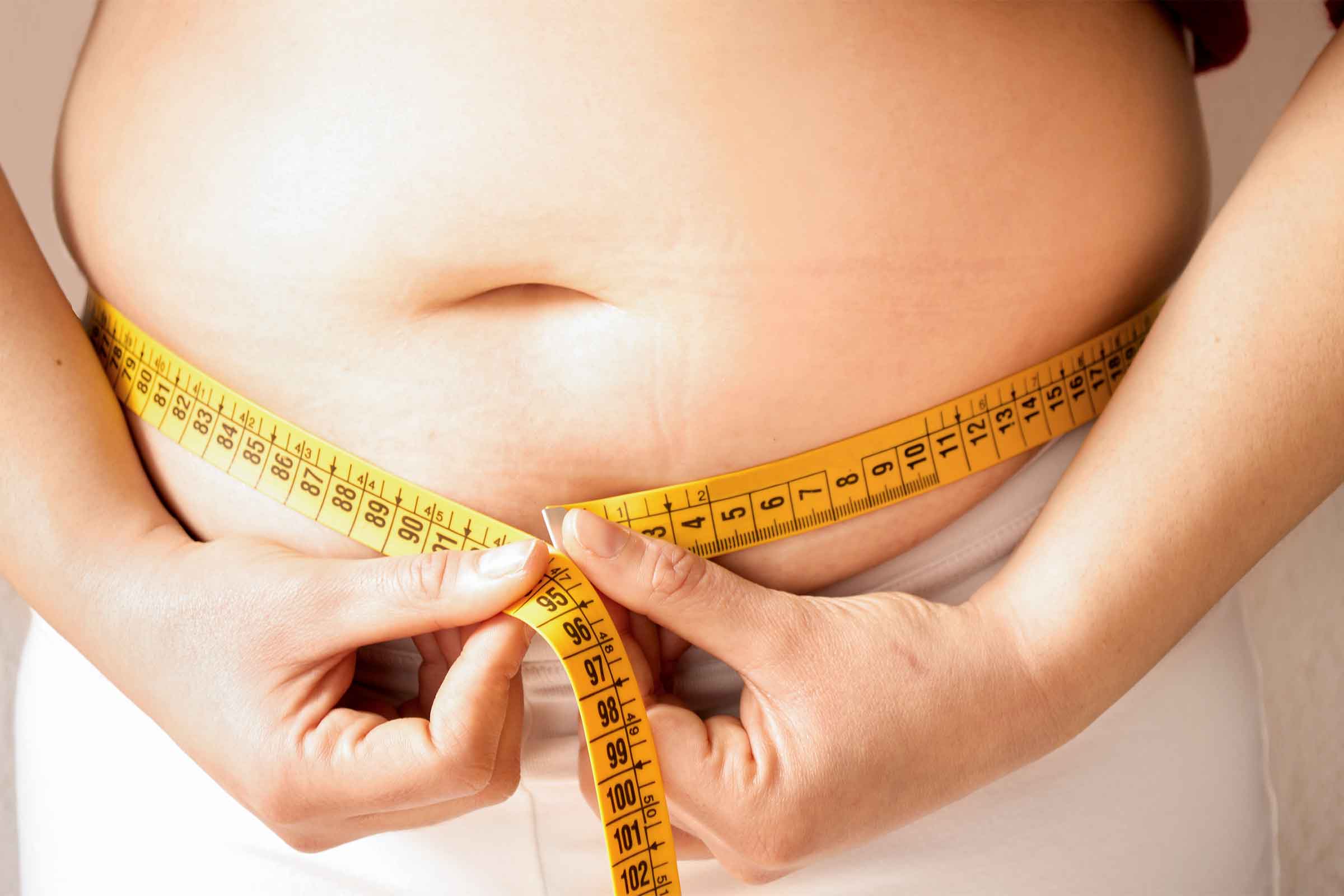
Before you decide how to get rid belly fat, it helps to know what you are actually seeing. A stomach that changes noticeably from morning to night is often influenced by bloating, digestion, salt intake, alcohol, carbonated drinks, constipation, or menstrual-cycle fluid shifts. True belly fat changes more slowly and is usually measured over weeks, not hours. Use a soft tape measure at the level of your belly button, after a normal exhale, and track that number once a week. This gives you a clearer picture than checking the mirror every day.
If your waist is increasing while your weight stays similar, you may be losing muscle and gaining abdominal fat. That is why the goal should not be simply to weigh less; it should be to reduce waist size, preserve muscle, improve food quality, and build a routine you can repeat.
Why Sit-Ups Alone Do Not Flatten the Stomach
Ab exercises can strengthen the muscles under your belly fat, improve posture, and make your midsection feel firmer, but they do not selectively burn fat from the stomach. The body pulls stored energy from many areas, and genetics partly decide where fat comes off first. This is why hundreds of crunches can leave you stronger without changing your waist much if your overall calorie intake, movement, sleep, and stress are unchanged.
A better approach is to pair core work with full-body training. Squats, lunges, rows, push-ups, loaded carries, planks, and dead-bug variations use more muscle and help preserve lean tissue while you lose fat. Add brisk walking, cycling, swimming, dancing, or intervals for aerobic work. The most effective exercise plan for belly fat is not the hardest one; it is the one you can keep doing three to five days a week.
Build Meals That Reduce Belly Fat Without Crash Dieting
Extreme diets often backfire because they increase hunger, lower energy, and make it harder to maintain muscle. For belly fat, the useful pattern is steady and simple: protein at each meal, high-fiber carbohydrates, colorful produce, and enough healthy fat to stay satisfied. Good choices include eggs, Greek yogurt, fish, poultry, tofu, lentils, beans, oats, berries, vegetables, avocado, nuts, olive oil, and whole grains.
Pay special attention to liquid calories and refined carbohydrates. Sweet drinks, large coffees with syrups, frequent alcohol, pastries, chips, white bread, and oversized portions can quietly push calories up without keeping you full. You do not have to ban every favorite food, but you do need a consistent calorie deficit. A practical plate is half vegetables, one quarter protein, and one quarter high-fiber starch, with sauces and oils measured instead of poured freely.
Use Fiber Carefully Instead of Relying on Fiber Pills
The original article mentions fiber pills, and fiber can support weight management because it slows digestion and helps you feel full. However, supplements are not a shortcut that melts belly fat. They work best when they fill a real gap in a diet that is already built around whole foods. If you use a fiber supplement, start with a small amount, drink plenty of water, and increase slowly to avoid gas, cramps, or constipation.
Food-based fiber usually gives better overall nutrition. Beans, lentils, chia seeds, ground flaxseed, oats, apples, berries, broccoli, greens, and whole grains provide fiber along with vitamins, minerals, and plant compounds. If you take medication or have digestive conditions, ask a qualified health professional before adding fiber pills because they can affect absorption or symptoms.
Sleep, Stress, Hormones, and Belly Fat
Belly fat is not only about willpower. Poor sleep, chronic stress, age-related muscle loss, pregnancy changes, menopause, insulin resistance, and some medications can all make the midsection harder to change. Short sleep can increase cravings and reduce workout recovery. Ongoing stress may lead to more snacking, more alcohol, and less consistent movement, even when motivation is high.
Set a realistic baseline: seven to nine hours of sleep when possible, a daily walk, strength training twice weekly, and regular meals that prevent late-night overeating. If your belly size is increasing quickly, comes with pain, severe bloating, missed periods, shortness of breath, or unexplained weight change, it is worth checking in with a medical professional rather than treating it as ordinary fat gain.
For related advice, see [How To Get Rid of Upper Back Fat](/how-to-get-rid-of-upper-back-fat), [How to Get Rid of Face Fat](/how-to-get-rid-of-face-fat) and [How to Get Rid of Lower Back Fat](/how-to-get-rid-of-lower-back-fat).
Health and fitness professionals commonly recommend treating belly fat as a whole-body metabolic issue rather than a cosmetic problem isolated to the stomach. The most sensible plan combines regular aerobic activity, two or more weekly strength sessions, a fiber-rich eating pattern, limited added sugar and alcohol, consistent sleep, and medical guidance when belly changes are sudden, painful, or unexplained.
Conclusion
Getting rid of belly fat requires more than targeting the stomach with sit-ups. The most reliable path is a combination of calorie control, higher-fiber meals, enough protein, regular aerobic movement, and strength training that protects muscle while your waist measurement gradually comes down.
Because belly fat can include deeper visceral fat around the organs, reducing it is not only about appearance. A flatter stomach is a welcome result, but better energy, steadier habits, and lower long-term health risk are the bigger wins.
Frequently Asked Questions
Last updated
This article is for informational purposes only and does not constitute medical advice. Consult a licensed dermatologist or healthcare provider before starting any new treatment.
Beauty & Hair Care Editor
Amanda Gurton is a beauty editor and researcher with a focus on translating dermatology and trichology insights into clear, actionable advice. She covers skincare routines, hair health, ingredient science, and everyday beauty habits.
Comments (0)
Be the first to comment.
Related Articles
Vitamin C and Niacinamide: Can You Really Not Use Them Together?
Can you use vitamin C and niacinamide together? Learn what the science says about this popular skincare myth and how to layer them correctly.
Mineral vs. Chemical Sunscreen: Which Should You Choose?
Mineral vs chemical sunscreen: compare how each type works, safety, texture, and which is best for your skin type and lifestyle.

What Is Slugging? The Skincare Method Explained
Learn what slugging is, how this occlusive skincare method works, who should try it, and how to slug correctly without clogging pores.
Building a Skincare Routine for Rosacea-Prone Skin
Learn how to build a gentle, effective skincare routine for rosacea-prone skin, including ingredients to use, ingredients to avoid, and trigger management.