 Funky Millions
How to Get Rid of Heat Rash
Quick summary
Key Takeaways
- Cooling the skin and reducing sweat are the most important first steps for heat rash relief.
- Loose, breathable clothing helps prevent friction and blocked sweat ducts.
- Avoid greasy ointments, fragranced products, and harsh scrubbing on heat rash.
- Seek medical advice if the rash worsens, lasts several days, or shows signs of infection.
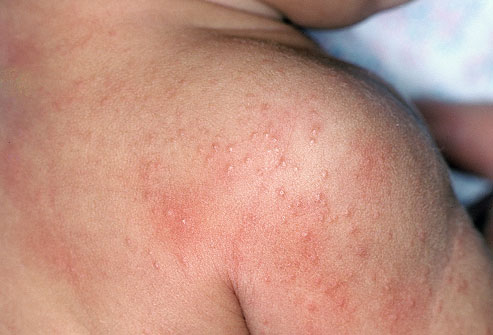
So how to get rid of heat rash? A heat rash is a red or pink mark resulted due to heat, it normally appears on the parts of the body covered by the clothes. The sweat ducts are blocked which leads to a heat rash. You may also witness swelling and itching on the affected area. A heat rash is most commonly seen in children, but it may also appear in adults in hot and humid conditions.
How to Get Rid of Heat Rash?
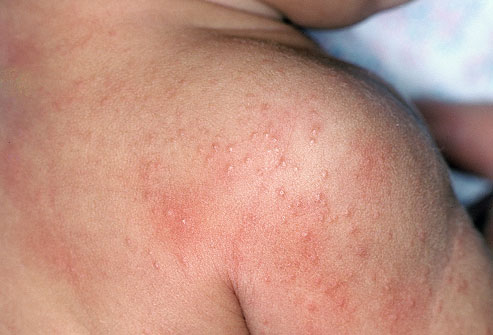
There are several measures that one can take to deal with a heat rash, I am going to share a few easy and simple remedies. Let’s start with the easiest ones.
1. Avoid Heat
Prevention is the best cure if you do not want to see a heat rash on your skin then the best way is to avoid heat in the first place. Take care of the babies who have this problem, do not let them out in the sun or places where you think that heat is above your baby’s tolerance level. The kitchen is one place where one can easily get a heat rash. So, keep away from the heat.
2. Try to use loose clothes
One big reason of heat rash is warm or fit clothing, as we see that a heat rash mostly appears on the skin below cloths. They rarely appear on top of one’s hands. Solution to this problem is to wear breathable clothes and also take into account the material. Do not use cotton or other such materials in temperature above 20 degrees Celsius. You can use the internet to see the latest fashion of loose clothes if you think that shifting from fit to lose is not that easy. For the babies, you do not really have to bother much if you want to shift from fit to lose clothes.
3. Check Your Physical Activities
Heat rashes mostly occur when you do a hard physical exercise, a run in hot and humid conditions. When your cloths are continuously rubbed against any particular part of the body, a heat rash appears. I am definitely not saying that stop doing exercises or stop morning run. What I am saying is that keep a keen eye on how much exercise you do and in what conditions. You can have a long morning run if the temperature in your area is below 15 degrees Celsius in the morning. You can work out for as long as one hour or more if your gem is properly air conditioned to keep the temperature low. The bottom line is to avoid excessive work out in unsuitable conditions. Indirectly you will be giving yourself a favor by avoiding the irritation of heat rashes.
4. Use soothing powders
Generally people use soothing powders on dry skin, and it is a satisfactory measure if you want to avoid heat rashes. A soothing powder is also helpful in providing relief is you already have a heat rash. Just through a little bit on the part of your skin affected by the heat rash and do not cover it with cloth for at least fifteen minutes. You can also wash it out later with cold water if necessary. Remember not to rub the affected area, it makes the conditions worst. Just apply the powder gently and wait for some time.
5. Take frequent baths
Taking a bath with cold water is a very good cure to a heat rash. All you have to do is take frequent baths and let your skin air dry rather than using a towel. The reason is the same as discussed in the previous point, rubbing the affected area worsens the conditions. You may not have a lot of time for yourself to take a bath and then let your skin air dry, but the babies have all the time in the world for this. As for yourself, you can do it after work, maybe once in the evening and twice before sleeping. That’s not so much to do in order to get rid of the irritating presence of a heat rash on your skin. Fresh air is one thing that your skin needs if you can let your skin dry in the fresh air it will be even better. If you cannot, at least let your skin have some fresh air once in during the day. You can go on a morning or evening walk with sleepers and shorts. Or you can use your own lawn or terrace to let your skin breath in the fresh air.
6. Use topical creams
There are cases where the heat rash simply would not go away. Well, you do not really have to worry in that case either, you can use topical creams or lotions to treat the rash immediately. There are several types and standards of such products available in the market. You can choose any of them but avoid the ones that contain petroleum or mineral oil as they can worsen the conditions by blocking sweat ducts which are the root cause of a heat rash. Products with perfumes in them are also not good for the heat rash, they may cause more irritation leading to an even worse condition. The rest of the products are fine, you can use them to get rid of heat rash. The easiest way is to use a toothpaste with peppermint in it. Apply it on the heat rash and leave it for as long as you feel its cooling effect. Then remove it with a smooth washcloth or tissue paper.
7. Lavender gel and Aloe Vera gel
Lavender has a soothing effect for the skin, you can use a product of lavender gel and apply it gently over the heat rash and leave it for five to ten minutes. The Lavender gel is particularly good if you also have heat burns. Aloe Vera gel, on the other hand, is effective to get rid of heat rash. It has the same soothing effect as a lavender gel has.
In the light of the above remedies, a heat rash is not such a difficult thing to deal with. Right?
How to Cool Heat Rash Quickly
The fastest way to get rid of heat rash is to stop the sweating cycle that caused it. Move into shade, air conditioning, or a well-ventilated room, then remove tight or sweaty clothing. A cool shower, damp compress, or air-drying the skin can calm the prickling feeling without rubbing the rash. Keep the area uncovered when possible so trapped sweat can evaporate.
What Not to Put on Heat Rash
Avoid heavy ointments, petroleum jelly, greasy body oils, and thick fragranced creams because they can block sweat ducts further. Strong scrubs, exfoliating acids, alcohol-based toners, and perfumed body sprays may also make itching and redness worse. If you use powder, apply a light layer only on clean, dry skin and avoid creating clumps in skin folds.
Heat Rash in Babies and Skin Folds
Babies often get heat rash around the neck, chest, diaper line, armpits, and folds where sweat collects. Dress them in one light layer, change damp clothing quickly, and avoid over-bundling during naps. For adults, common areas include under the breasts, groin, waistline, inner thighs, and anywhere workout clothing rubs. Keeping these areas dry and reducing friction is usually more helpful than applying many products.
When Heat Rash Needs Medical Attention
Most heat rash improves within a few days once the skin stays cool and dry. Get medical advice if the rash becomes increasingly painful, swollen, warm, or filled with pus, or if fever, chills, dizziness, or spreading redness appears. Babies, older adults, and anyone with a weakened immune system should be checked sooner if the rash is worsening or not improving.
For related advice, see [Back Acne Treatment. Get rid of back Acne](/back-acne-treatment-get-rid-of-back-acne), [Beauty Tips for Face at Home: Simple Remedies for a Radiant Glow](/beauty-tips-for-face-at-home-simple-remedies-for-a-radiant-glow) and [Best Vegetables Good for Skin](/best-vegetables-good-for-skin).
Dermatologists commonly recommend treating heat rash by cooling the skin, keeping the affected area dry, and avoiding heavy creams or ointments that can block sweat ducts. They also advise watching for signs of infection or heat illness, especially in babies, older adults, and people who cannot cool down easily.
Conclusion
To get rid of heat rash, focus first on cooling the skin, reducing sweat, and removing friction from tight clothes or heavy fabrics. Loose breathable clothing, cool baths, air-drying, and light powders can help the blocked sweat ducts settle down.
Heat rash is usually temporary, but it can become more irritated if the skin is rubbed, overheated, or covered with greasy products. If symptoms persist, worsen, or show signs of infection, it is best to seek medical guidance.
Frequently Asked Questions
Last updated
This article is for informational purposes only and does not constitute medical advice. Consult a licensed dermatologist or healthcare provider before starting any new treatment.
Beauty & Hair Care Editor
Amanda Gurton is a beauty editor and researcher with a focus on translating dermatology and trichology insights into clear, actionable advice. She covers skincare routines, hair health, ingredient science, and everyday beauty habits.
Comments (0)
Be the first to comment.
Related Articles
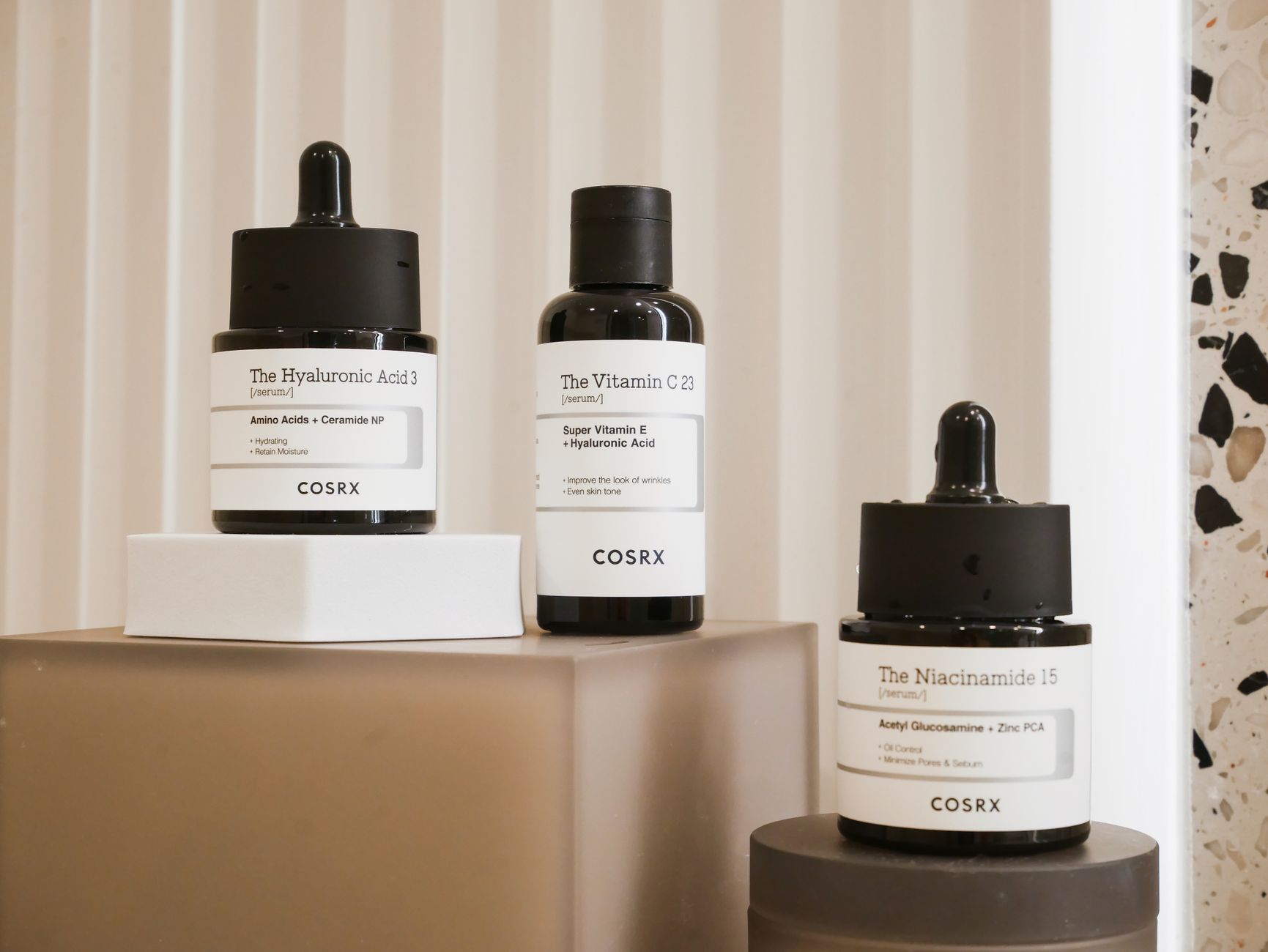
Vitamin C and Niacinamide: Can You Really Not Use Them Together?
Can you use vitamin C and niacinamide together? Learn what the science says about this popular skincare myth and how to layer them correctly.
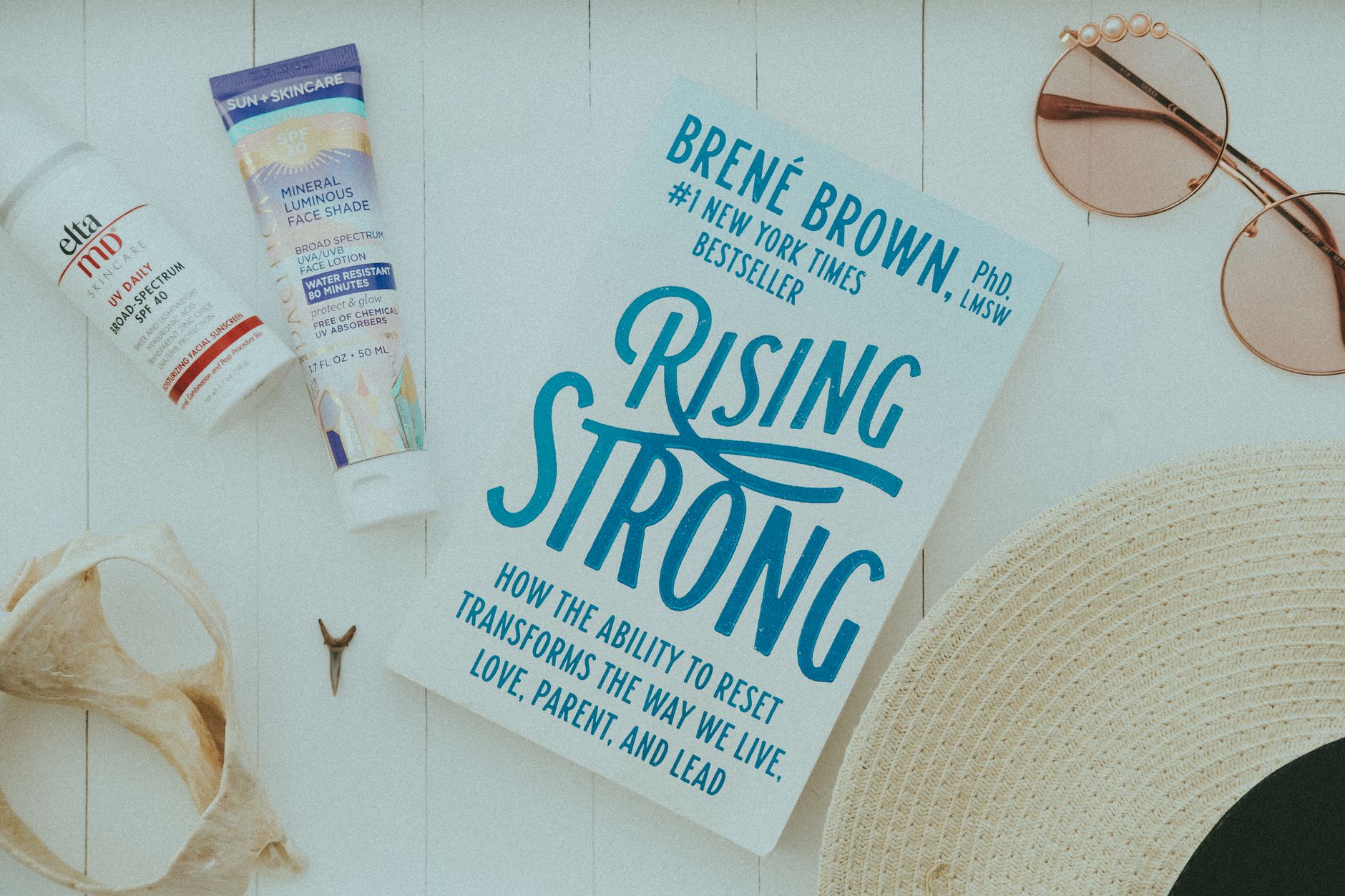
Mineral vs. Chemical Sunscreen: Which Should You Choose?
Mineral vs chemical sunscreen: compare how each type works, safety, texture, and which is best for your skin type and lifestyle.
What Is Slugging? The Skincare Method Explained
Learn what slugging is, how this occlusive skincare method works, who should try it, and how to slug correctly without clogging pores.
Building a Skincare Routine for Rosacea-Prone Skin
Learn how to build a gentle, effective skincare routine for rosacea-prone skin, including ingredients to use, ingredients to avoid, and trigger management.