 Funky Millions
How to Get Rid of Itchy Skin
Quick summary
Key Takeaways
- Keep baths short and lukewarm, then moisturize immediately to lock in hydration.
- Choose fragrance-free products and breathable fabrics to reduce irritation.
- Use colloidal oatmeal, aloe vera, and cool compresses for soothing relief.
- See a doctor if itching persists beyond two weeks or is accompanied by serious symptoms.
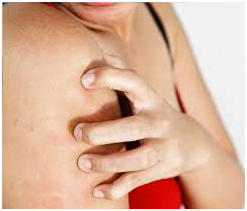
How to get rid of itchy skin? Itchy skin is also known as “pruritus” “dermatitis” and “Eczema”. Pruritis or itching basically is an irritating and uncontrollable sensation that makes one to scratch skin to relieve himself. This is very irritating and uncomfortable condition and it makes the person irritated of. In this condition person usually rubs or scratch his/her skin to get comfort. Scratching comforts skin temporary but later it leads to different infections and injuries which might be crucial later on.
Causes of Itchy skin:
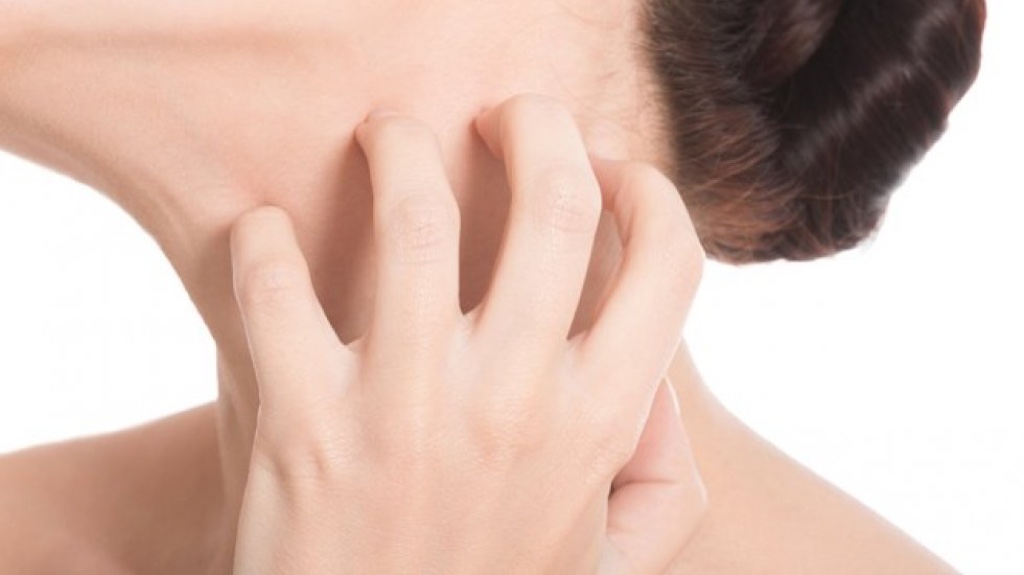
Itchy skin may be due to internal conditions such as kidney or liver dysfunction or hyperthyroidism, or it may be due to external factors involved such as allergy due to different animals like cat and dog allergy. Some people have itchy skin and blisters appear on their body due to use of certain foods, i-e people who are allergic to tomatoes. Itchy skin can be due to use of drugs, insects bite or it is common in certain female during pregnancy.
Contact dermatitis is a condition in which itching is so crucial that a person become an allergic event to soaps, detergents and WATER even. This is severe condition and it is usually common in kids. Proper medical care is necessary in contact eczema as it is harmful to body.
Symptoms of itchy skin:
Symptoms of itchy skin range from the redness of skin to the formation of blisters, patches on the skin, and urge to scratch that area of skin increase. If you see a redness, blisters, irritated skin or patches on your skin then rush to Doctor to seek medical care. There are several ways to get rid of the itchy skin. Certain home remedies are available as well for natural treatment of skin. Dermatologists usually prescribe certain anti-allergic medication to such patients who have itchy skin due to a specific type of allergy.
How to Get Rid of Itchy Skin:
1) Cleanliness:
Make cleanliness a habit and regularly wash your skin specially wash your hands before eating any food item, take extra care while eating market made items. Do wash your fruits before you eat them. Wash your hands before doing any household work and after completing your chores do wash your hands with soap.
2) Moisturize the skin:
Itchy skin may be developed due to dry weather, so try to keep your skin moisturize. Must apply the moisturizer on your hands, feet and other exposed body areas. Dry skin usually leads to a formation of blisters on the skin.
3) Baking soda:
Baking soda used in our homes for baking is an effective remedy to get rid of itchy skin. Take one cup of baking soda and put it in a bucket full of lukewarm water and use this water to take bath. Taking bath with this water usually sooth the skin and prevent itching.
Baking soda paste can also be used on skin to prevent itching. Take one tablespoon of baking soda and mix it in 2 tablespoon water and apply it on affected area.
Note: DO NOT use baking soda on open wounds or injured or irrupted skin.
4) Lemons:
Lemons are a natural remedy to sooth the itchy and rubbed skin. Take 2 to 3 lemons and squeeze out its juice and apply on the affected area of the skin. Let it dry and wash it with lukewarm water at the end. Lemons usually have a soothing effect and it prevents the burning of scratched area of skin.
5) Cold water:
Ice cold water is another home remedy that is used to get rid of itchy. Take bath with cold water 2 to 3 times a day to lessen the affect of scratching and to prevent the pain resulting from itchy skin. Because itchy skin leads to scratch that area and it later hurts and give pain. Cold water has a cooling affect on skin.
6) Basil leaves and Aloe Vera:
Basil leaves usually help prevent the itchy sensation of skin, for this soak few basil leaves in water and soak them overnight. Use this water to clean the skin and if itching is on whole body take bath with this basil leaves water to prevent itching sensation.
Aloe Vera extract or aloe Vera juice if applied on affected area of skin may help reduce the itchy sensation and reduces the itchy skin symptoms. It also reduces the redness of skin and give a cooling affect on skin.
7) Oatmeal:
In different parts of world, people use oatmeal to get rid of itchy skin symptoms and it is considered as an effective home remedy to prevent the skin scratches and itches. Take half bowl of oatmeal and put it in a water tub and left it for few minutes. Take bath with this water or make a past of oatmeal and water and apply on affected skin.
8) Avoid scratching:
Avoid scratching even if urge to scratch is its peak. Because it is harmful to skin. Keep your fingernails short so to keep your skin away from injuries.
Next time, if you ever feel any itching or burning sensation of skin, try these effective home remedies rather scratching your skin like crazy!
IF the itching and scratching continues and home remedy do not work and redness of skin or patches or blisters formation persists then consult a physician for further treatment, dermatologist are there to treat such itchy skin types and different allergies of skin.
Medication commonly used to get rid of itchy skin:
Different medicines are used to get rid of itchy skin, like Anti itch creams and lotions. These creams and lotions contain certain chemicals like camphor, menthol, phenol, promoxine, like Caladryl and Tronoline. Diphenhynedramine as Benadryl, or benzocaine can also bring relief from itchy skin and may reduce the blisters formation and scratch on skin. Redness is also reduced due to use of these medicines. BUT, these medicines usually have side effects on people who are already allergic to drugs so in that case home remedies are employed to soothe the skin and to get rid of this itchy skin sensation.
Read also Itchy scalp remedy. How to get rid of Itchy scalp.
When to Seek Medical Help for Itchy Skin
Most cases of itchy skin respond to gentle home care within a few days, but some symptoms signal that it is time to see a clinician. If itching lasts longer than two weeks, disrupts sleep, or covers large areas of the body, a medical evaluation can uncover underlying causes such as thyroid imbalance, liver or kidney issues, or medication reactions. Sudden swelling of the face or tongue, difficulty breathing, or widespread hives require urgent care because they may indicate a serious allergic reaction.
Daily Skincare Habits That Reduce Itching
Small changes in your daily routine can stop the itch-scratch cycle before it starts. Bathe or shower in lukewarm water for no more than ten minutes, since hot water strips natural oils and worsens dryness. Pat skin dry gently with a soft towel, leaving it slightly damp, then apply a fragrance-free moisturizer within three minutes to seal in moisture. Choose creamy cleansers over deodorant or antibacterial soaps, which often contain harsh surfactants that irritate sensitive skin.
Fabrics and Environmental Triggers to Avoid
What touches your skin matters as much as what you put on it. Rough fabrics such as wool and synthetic blends can trap heat and friction, making itching worse. Opt for loose, breathable cotton or bamboo clothing, especially in warm weather or at night. Wash new clothes before wearing them to remove residual dyes and finishing chemicals, and switch to fragrance-free, dye-free laundry detergent. Keep indoor humidity around 40–50 percent in dry seasons so the air does not pull moisture from your skin.
Ingredients to Look for in Anti-Itch Products
Over-the-counter moisturizers and anti-itch lotions are most helpful when they contain the right ingredients. Colloidal oatmeal, shea butter, glycerin, and ceramides restore the skin barrier and calm irritation. For short-term relief, products with calamine, pramoxine, or menthol can temporarily numb the sensation to scratch. Avoid topical antihistamines such as diphenhydramine on large areas, and do not apply alcohol-based products to already inflamed skin, because these can worsen irritation.
For related advice, see [Best Vegetables Good for Skin](/best-vegetables-good-for-skin), [How To Lighten Tanned Skin Naturally and Permanently](/how-to-lighten-tanned-skin-naturally) and [How To Make Your Skin Glow?](/how-to-make-your-skin-glow).
Dermatologists commonly recommend a gentle, barrier-repair approach for itchy skin. This means using mild cleansers, applying moisturizers several times a day, avoiding hot showers, and protecting skin from harsh fabrics and environmental irritants. When basic care is not enough, they may suggest targeted over-the-counter products or prescription treatments based on the specific cause of the itching.
Conclusion
Itchy skin can be uncomfortable and frustrating, but a combination of gentle cleansing, regular moisturizing, and targeted home remedies often brings real relief. Simple habits like keeping baths short, wearing breathable fabrics, and avoiding known triggers help protect the skin barrier and reduce the urge to scratch.
If itching persists, spreads, or comes with swelling, breathing difficulty, or signs of infection, consult a healthcare professional. Addressing the underlying cause-whether it is dryness, an allergy, or a medical condition-is the most reliable way to get rid of itchy skin for good.
Frequently Asked Questions
Last updated
This article is for informational purposes only and does not constitute medical advice. Consult a licensed dermatologist or healthcare provider before starting any new treatment.
Beauty & Hair Care Editor
Amanda Gurton is a beauty editor and researcher with a focus on translating dermatology and trichology insights into clear, actionable advice. She covers skincare routines, hair health, ingredient science, and everyday beauty habits.
Comments (0)
Be the first to comment.
Related Articles
Vitamin C and Niacinamide: Can You Really Not Use Them Together?
Can you use vitamin C and niacinamide together? Learn what the science says about this popular skincare myth and how to layer them correctly.
Mineral vs. Chemical Sunscreen: Which Should You Choose?
Mineral vs chemical sunscreen: compare how each type works, safety, texture, and which is best for your skin type and lifestyle.
What Is Slugging? The Skincare Method Explained
Learn what slugging is, how this occlusive skincare method works, who should try it, and how to slug correctly without clogging pores.
Building a Skincare Routine for Rosacea-Prone Skin
Learn how to build a gentle, effective skincare routine for rosacea-prone skin, including ingredients to use, ingredients to avoid, and trigger management.