 Funky Millions
How to Get Rid of Keloids
Quick summary
Key Takeaways
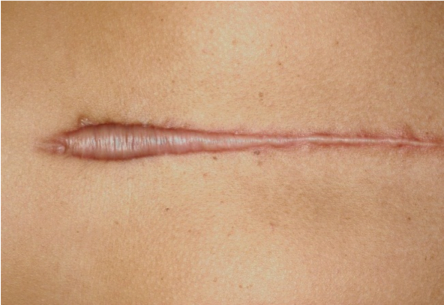
- Keloids extend beyond the edges of the original wound and differ from hypertrophic scars, which stay within the injury boundary.
- Early treatment is important because newer, smaller keloids respond better to therapy than large, long-standing ones.
- Common medical treatments include surgery, cryotherapy, steroid injections, radiation, laser therapy, and silicone dressings, often used together.
- Daily prevention strategies such as sun protection, avoiding unnecessary piercings and tattoos, and minimizing skin tension can reduce keloid formation.
The skin is considered to be most delicate organ of human body. Every person dreams to have scar free skin but this is not possible for everyone. Majority of the people have some scars on their skin which may appear due to disturbances of the skin cells because of application of skin care products. First of all one needs to define what a scar is?
How to Get Rid of Keloids
“The appearance of mark on the wounded skin when it undergoes a healing process is called a scar”.
Some time is required to have re-appearance of normal skin in replacement of scar. The time it takes to grow normal skin in place of a scar normally depends on the type of scar. So how do you get rid of keloids?
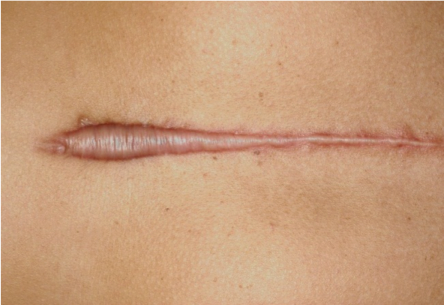
The most common types of scars are: Hypertrophic and Keloids. Both of these appear with the bundled growth of excessive stiff collagen overextending the tissue.
One must not be confused between both types of scars.
-
Hypertrophic Scar
A slight raise of scar from the normal skin level is generally known as hypertrophic scar. This type of scar will never try to grow from its original wound. They may be pink to flesh colored and normally appear in shoulders, neck, ankle and knees.
-
Keloid Scar
It is almost similar to hypertrophic scars but the major difference is that it starts growing beyond the edges of the wound or incision. It normally appears in red or darker color. They mostly appear on the skin in the following areas of the body: chest, shoulders, earlobes, upper arms, cheeks, palm, eyelids etc.
It would not be wrong to say that keloids are the chronicle form of scars. The following discussion will be done with reference to keloid scars only.
Keloid scars generally start appearing at the ages between the ages of 10 to 30 years. African, American and Asian people generally get keloid scars.
Infected areas of skin by keloids
There is no defined area of skin where keloid scars generally start appearing. Mostly the skin around chest, shoulders, earlobes, eyelids, ankle, feet and cheeks etc is infected.
It is formed within a scar tissue caused by burn, surgical incision, chemical injuries, insect bites, pimples, skin wounds, accident, body piercing and acne. It doesn’t appear suddenly on the skin, but mostly appears due to irritation or itching on the skin.
This can be transferred genetically between families, so this can be called a contagious disease. Doctors are still trying to find the exact reason of its wide spread in humans.
Symptoms
The following symptoms are helpful to ascertain the presence of keloid scars in your skin. These are:
-
- Itching or paining on skin.
- Appearance of rubbery or doughy scars.
- A wound that is not healed up from a long period of time.
- Changing of skin tone to pink, purple or brown.
- A scar that starts extending beyond its injured area.
- Appearance of lumpy or rigid scars on skin.
If any of the above mentioned symptoms appear on the skin of the patient, then he/ she must seek dermatological advice and should undertake the prescribed treatment.
Keloids can appear in both sexes, however the tendency of growth is higher in women than men.
Causes
There is no well-defined reason for the existence of keloid scars on skin. Generally, it starts appearing after skin injuries such as:
-
- Surgical or shaving cuts
- Skin tanning or sun burn
- Body piercing e.g. ear and nose piercing
- Changing of skin tone to pink, purple or brown.
- Chicken pox
- Vaccination sites
- Puncturing of skin like tattoos
Normally, it may grow slowly for weeks, months or years. However, proper treatment can stop it from extending over the skin. A patient may have to undergo multiple surgical procedures for its cure. But it is not always guaranteed that it may be fully recovered or removed.
Exam and test
A doctor will normally refer a patient to have skin test called biopsy which is used to analyze the infected skin area and the treatment will be done accordingly.
Treatments
-
- As keloid is considered to be a chronic disease of skin, so it can’t be fully recovered. The patient must start its treatment as soon as it starts appearing on the skin.
Some common treatment options are as follows:
-
-
- Conventional surgery
-
Keloid can be cured through surgical procedures. Most probably, it may reappear after being removed through surgery or appear larger than the original one.
-
-
- Liquid nitrogen
-
In this method of treatment liquid nitrogen (which has a very low boiling point) is used for freezing benign growth, pre- cancers, or skin cancers. This is generally called cyrotherapy.
-
-
- Steroid injections
-
In this treatment, the patient is injected with triamcinolone injections containing acetonide or costerized medicine. This may be helpful in reducing the size and irritation of keloid scars.
-
-
- Radiation therapy
-
This is one of the popular treatments that are used to remove or reduce keloid scars but this may increase the chances of skin cancer.
-
-
- Skin laser therapy
-
Scars may be treated with a variety of laser treatments. Laser treatment may be used to smoothen a scar, remove the abnormal color of scar or to flatten the scar.
-
-
- Special dressing and bandages
-
Silicone gel sheets are used for moist wound covering. This is a painless and safe method.
Special bandages or tapes can be applied to the infected area. It reduces the size of keloid scars. “Zimmer splint” is useful for ear piercing.
Apart from the above medical treatments, some natural and homemade treatments can be beneficial for patients having stubborn scars. These are:
-
- Onion extracts
- Vitamin E
- Scar removal ointments
Prevention
A famous proverb is that “prevention is better than cure”. By adopting the following preventive measures, one can have scar free skin.
- Don’t expose keloid scars to sun
- Don’t wound skin with piercing or tattoos
- Use an elastic tape after skin operation
- Use corticosteroid injections after skin treatment
- Don’t stretch or pull the skin that is infected by keloid scars
How to Know a Scar Is Turning Into a Keloid
Not every raised scar becomes a keloid. The earliest clue is growth that continues after the wound itself has closed. If a scar keeps rising, widening, or itching for weeks or months, it may be developing into a keloid. Watch for color changes too: keloids often turn pink, purple, or darker than the surrounding skin. A soft, flat scar that slowly becomes firm, rubbery, or doughy is another warning sign. Catching this early matters because smaller, newer keloids tend to respond better to treatment than large, established ones.
Why Keloids Often Return After Treatment
Keloids are caused by an overactive healing response, not by leftover scar tissue. Because the skin’s collagen production stays in overdrive, removing a keloid surgically can sometimes trigger the body to build an even larger one. This is why dermatologists often pair treatments. Surgery may be followed by steroid injections, silicone sheets, or radiation to lower the chance of recurrence. Cryotherapy and laser therapy can shrink the keloid, but they also work best as part of a broader plan. Patients should expect a long-term management approach rather than a single cure.
Daily Skin Care Habits for Keloid-Prone Skin
People who develop keloids should treat their skin gently every day. Clean new wounds with mild soap and water, then cover them with a silicone gel sheet or silicone-based dressing for several weeks. Keep healing skin out of the sun, since UV exposure can darken scars and make them more noticeable. Avoid unnecessary piercings, tattoos, and elective cosmetic procedures on areas where keloids have formed before. If a blemish, insect bite, or acne spot becomes irritated, resist scratching or picking, because repeated inflammation can encourage keloid growth.
For related advice, see [Back Acne Treatment. Get rid of back Acne](/back-acne-treatment-get-rid-of-back-acne), [Beauty Tips for Face at Home: Simple Remedies for a Radiant Glow](/beauty-tips-for-face-at-home-simple-remedies-for-a-radiant-glow) and [Best Vegetables Good for Skin](/best-vegetables-good-for-skin).
Dermatologists commonly recommend treating keloids as early as possible with a combination approach rather than relying on a single method. Because keloids frequently recur after surgical removal, experts often pair excision with steroid injections, silicone sheets, or pressure therapy to improve long-term results. They also emphasize prevention in people with a known tendency to form keloids, advising against elective piercings, tattoos, and other unnecessary skin trauma.
Conclusion
Keloids are stubborn scars that grow beyond the original injury and can be difficult to remove completely. Understanding the difference between hypertrophic scars and true keloids helps set realistic expectations for treatment. Options ranging from surgery and cryotherapy to steroid injections, laser therapy, and silicone dressings can reduce size, flatten texture, and ease itching, but recurrence is common without ongoing care.
The best outcomes usually come from early intervention and a combination approach. People with darker skin tones, a family history of keloids, or previous keloid formation should be especially careful with piercings, tattoos, and elective skin procedures. By protecting healing skin, avoiding unnecessary irritation, and consulting a dermatologist promptly, you can manage keloids more effectively and keep new ones from forming.
Frequently Asked Questions
Last updated
This article is for informational purposes only and does not constitute medical advice. Consult a licensed dermatologist or healthcare provider before starting any new treatment.
Beauty & Hair Care Editor
Amanda Gurton is a beauty editor and researcher with a focus on translating dermatology and trichology insights into clear, actionable advice. She covers skincare routines, hair health, ingredient science, and everyday beauty habits.
Comments (0)
Be the first to comment.
Related Articles
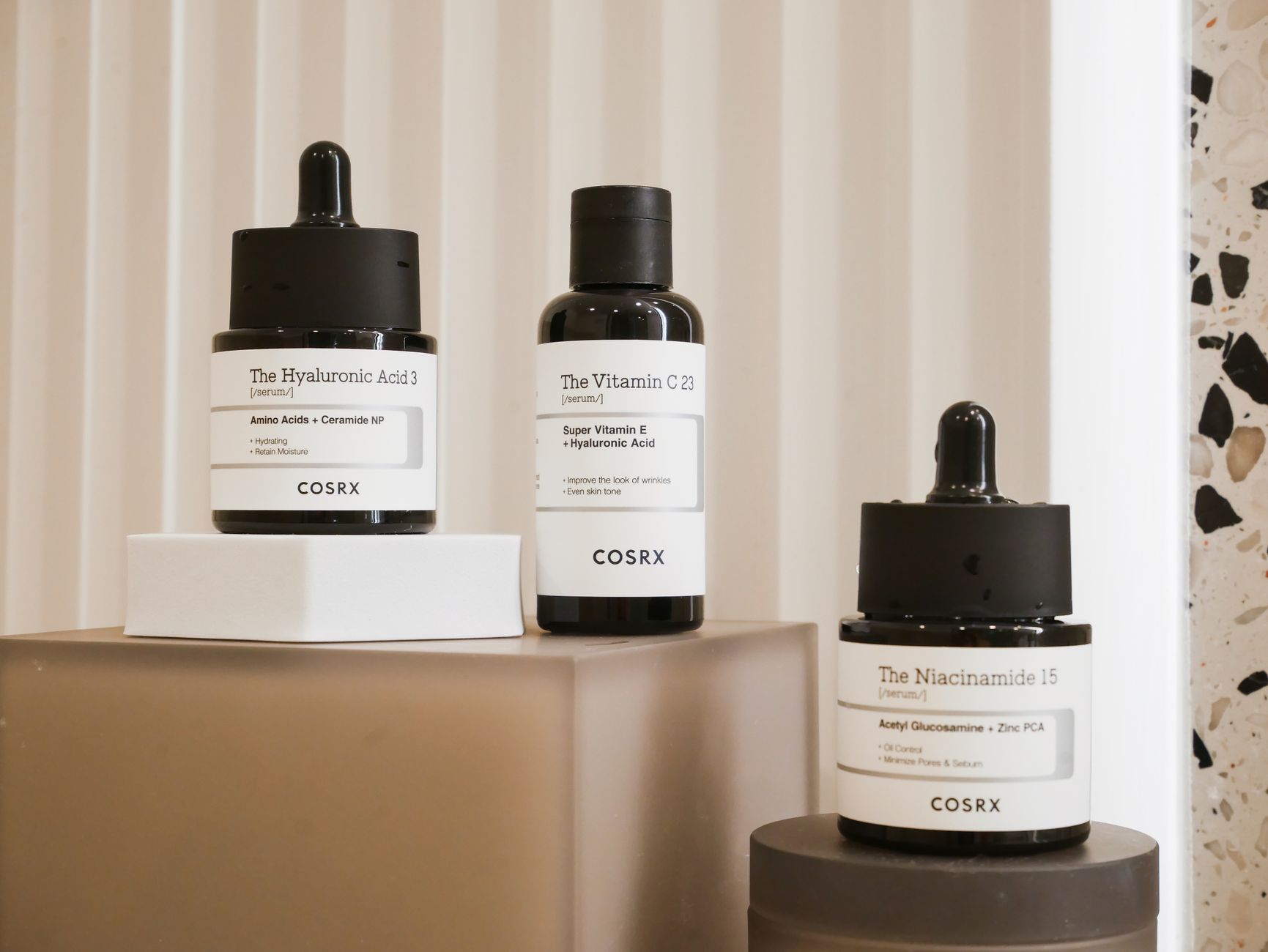
Vitamin C and Niacinamide: Can You Really Not Use Them Together?
Can you use vitamin C and niacinamide together? Learn what the science says about this popular skincare myth and how to layer them correctly.
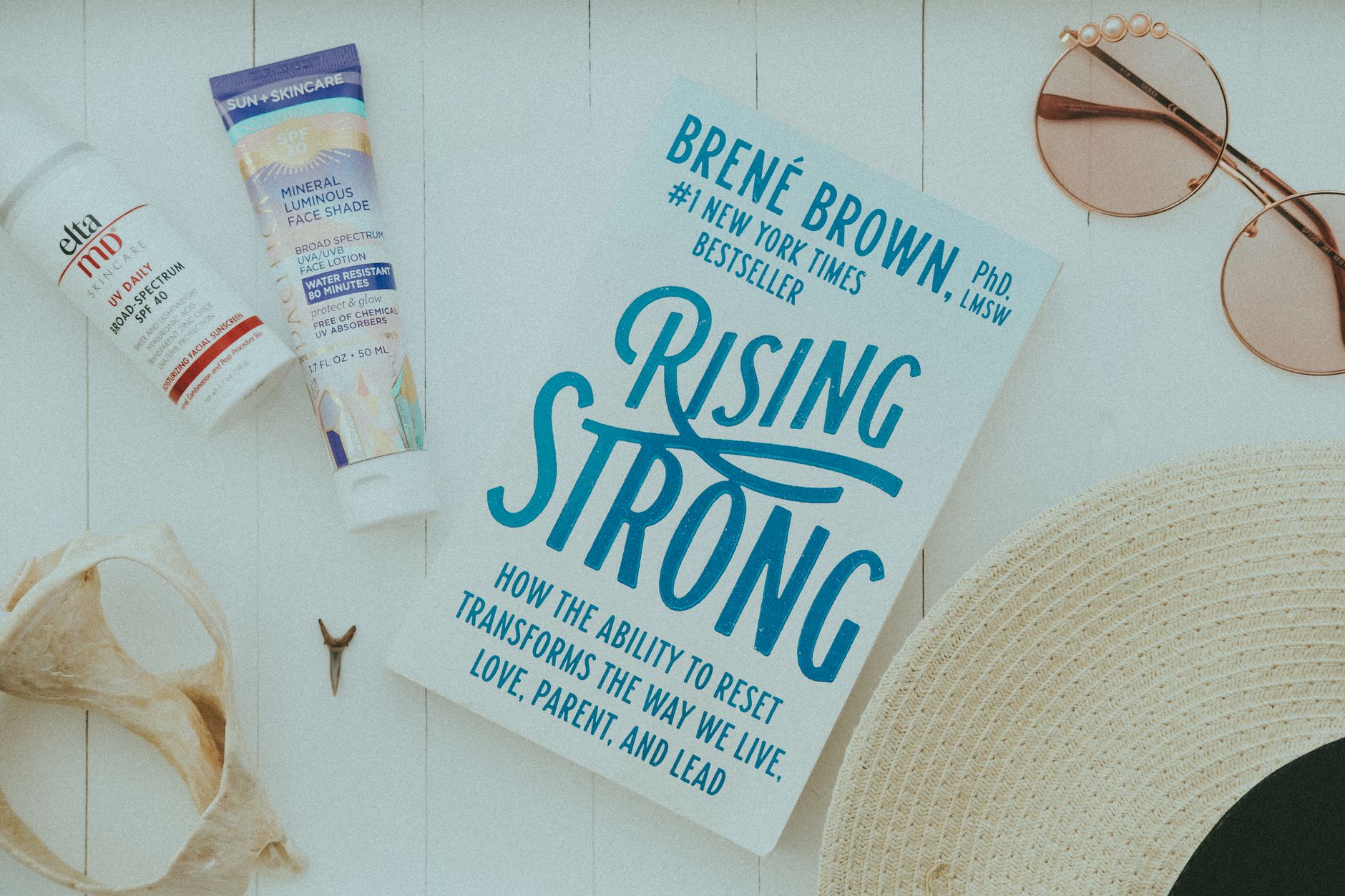
Mineral vs. Chemical Sunscreen: Which Should You Choose?
Mineral vs chemical sunscreen: compare how each type works, safety, texture, and which is best for your skin type and lifestyle.
What Is Slugging? The Skincare Method Explained
Learn what slugging is, how this occlusive skincare method works, who should try it, and how to slug correctly without clogging pores.
Building a Skincare Routine for Rosacea-Prone Skin
Learn how to build a gentle, effective skincare routine for rosacea-prone skin, including ingredients to use, ingredients to avoid, and trigger management.