 Funky Millions
How to Get Rid of Red Eyes
Quick summary
Key Takeaways
- Red eyes are commonly triggered by screen strain, lack of sleep, contact lens misuse, allergies, or dry environments.
- Lubricating artificial tears and the 20-20-20 rule are safer long-term strategies than frequent redness-relief drops.
- Eye drops that contain decongestants should only be used for a few days to avoid rebound redness.
- Persistent redness, pain, vision changes, or thick discharge are signs that you should see an eye-care professional.
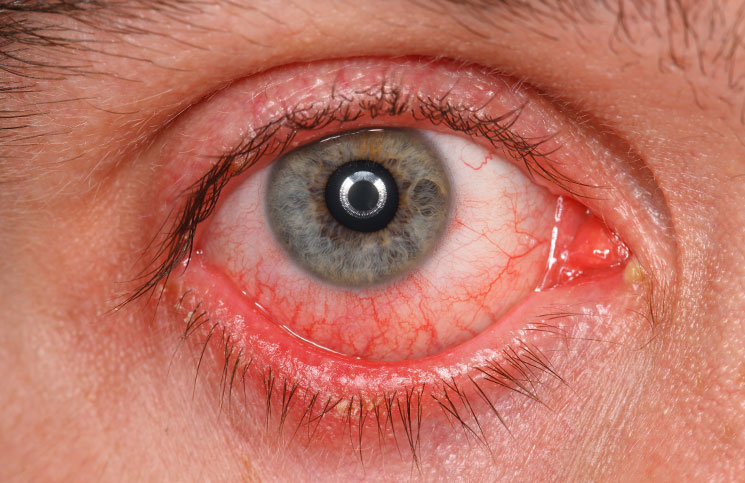
So how to get rid of red eyes? It happens that you look into a mirror, and you find out that your eyes are red. Another term for red eyes is “bloodshot eyes”. The word “bloodshot” sounds creepy, so we’ll just keep to the term “red eyes” for this article. A long list of factors can cause red eyes. If you have been in front of the television for too long or have been consistently using your computer for the past few hours, you’ll notice that your eyes get red because of such long exposure. In some cases, if this red eye condition is not treated well, it can get severe and cause irritation that it may not happen in the early stages. This red eye condition can also lead to swelling which can result to be relatively a lot painful than the previous stages. Too much or too less sleep can also cause red eyes. Thus, doctors advise people to maintain their time of sleep and their duration of sleep so that these anomalous medical conditions don’t affect our normal way of life. Those people who wear glasses also suffer from this condition. Too much usage of contact lenses can also cause this situation. For this purpose, eye drops are available that keep the eye moist and prevent any rashes or irritation. Variation in weather patterns also causes this condition. Other factors include eyestrain from too much exposure to anything that can harm your eyes. Too much rubbing of your eyes can also cause eyestrain leading to red eyes. Anything that causes dryness in your eyes can lead to redness such as less amount of production of tears.
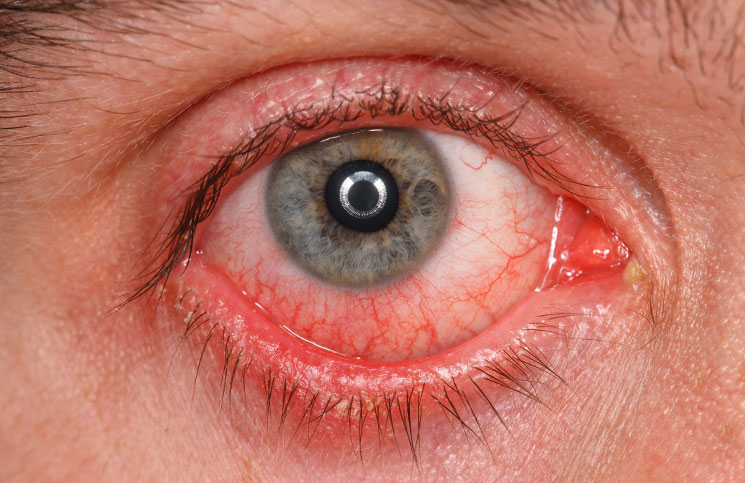 There are an enormous number of medical conditions that can potentially cause red eyes and produce irritation in your eyes. Some simple medical conditions include Mild coughs or maybe fever, throat infections. These are only a few of the simplest conditions that affect normal people. But even if these factors seem insignificant, they can potentially cause red eyes. An advanced form of red eyes is the “pink eye”. If proper care is not taken the pink eye or the Conjunctivitis, can be a more alarming condition. An eye infection, known as Blepharitis, is also another potential factor that leads to red eyes and in this condition, layers of crust are formed over the eyes.
How to Get Rid of Red Eyes
Self healing
If the red eyes are caused by simple factors such as the simple flu or a cough or maybe because of a small duration of sleep, it can heal by itself.
Washing with clean water
It is still better even in worst these cases to rinse your eyes with clean water. Washing with water can produce a soothing effect when you feel that your eyes are sore or tired after long hours of work.
A small nap
Another possible remedy if you feel that being tired is the cause of your red eyes, you can always take a small nap. That will give enough rest to your eyes and they eventually feel better. But if it is because of a more serious medical condition then there are some ways in which they can be treated.
Eye drops
If you want to go for household medication, nonprescription eye drops can be useful. These aren’t household, but they are still medication that you can apply on your own without any required prescription from the doctor. But if you have a particular medical condition then it would be better to ask or consult your doctor so that matters do not get even worse. Eye drops mostly possess decongestants. These decongestants are used to constrict blood vessel that have swollen and to make them relax. The eye washes that are readily available have boric powder or boric acid and even saline solutions. All of them are helpful.
Doctors Consultancy
But it should be considered that prescription from the doctor should be the priority because some eyedrops can sometimes make the matter worse and increase redness. These eyedrops may result in further irritation and infections.
Precautions while using contact lenses
Our eyes have built-in moisturizing capabilities. We have tear ducts that produce tears. These tears are natural moisturizers and are also antibacterial. They provide a soothing effect when the eyes get dry. Over-the-counter eye drops may also provide a soothing effect, but if the redness pertains for some days, then you need to have expert’s advice. Those who regularly use contact lenses need to be pretty careful so as to use only high-quality lenses. Only those eye drops should be used with these lenses prescribed by eye-care specialist.
Precautions while using eye drops
All the liquids that you pour in your eye when in need should be bought at a drugstore because your eyes are one of the most sensitive organs, and should be sterile. But in case any toxic chemical or fiery liquid enter your eyes, the first aid should be to wash your eyes with enough water and then seek professional help. There can be people who are fighting eye allergies. These allergies can also cause red eyes. Antihistamines can assist in fighting eye allergies. For allergies, your doctor will also recommend you antibiotics. There are people who have allergic reactions to some of the chemicals in eye drops such as preservatives.
Some facts about subconjunctival hemorrhage
There is another case that sounds a bit too creepy. Sometimes when you sneeze too hard, maybe rub your eyes too hard or vigorously, it can happen that you might accidentally seed a blood capillary in your eyes to burst! This condition is called, “subconjunctival hemorrhage.” Surprisingly the subject will not feel pain. The vessel can heal all by itself naturally. But it will take some time. This condition may also occur if you’re doing some heavy lifting, or you are engaged in some activity that causes blood to be directed toward your head a lot.
Conclusion
Even if you are suffering from long term disease such as diabetes or you are a patient of heart diseases or any other disease that can potentially affect your blood pressure. If any of this occurs a lot in a short amount of time, you should consult your doctor immediately for proper medication.
How to Soothe Red Eyes from Screen Strain
Long hours in front of a computer, phone, or television are one of the most common modern triggers for red eyes. The original article already notes that prolonged screen exposure can leave eyes bloodshot and irritated. To counter this, follow the 20-20-20 rule: every 20 minutes, look at something 20 feet away for at least 20 seconds. Blinking more often also helps, since people tend to blink less while staring at screens, which dries the tear film and worsens redness. Lowering screen brightness, increasing text size, and positioning the monitor slightly below eye level can further reduce strain.
Choosing and Using Eye Drops Safely
Over-the-counter eye drops can shrink swollen blood vessels and provide quick relief, but they are not all the same. Drops marketed for redness relief often contain decongestants that should not be used for more than a few days, because rebound redness can make the problem worse. Lubricating artificial tears, on the other hand, are generally safe for frequent use and help when dryness is the main culprit. If you wear contact lenses, only use drops labeled as safe for contacts, and never rinse lenses with tap water or saliva.
When Red Eyes Signal Something More Serious
Most red eyes improve with rest, water rinses, or lubricating drops, but some symptoms require prompt medical attention. Seek an eye-care professional if redness is accompanied by severe pain, sudden vision changes, intense light sensitivity, thick discharge, or swelling around the eye. These can indicate infections such as conjunctivitis or blepharitis, corneal injury, uveitis, or a significant subconjunctival hemorrhage. People with diabetes, high blood pressure, or heart disease should be especially vigilant, since systemic conditions can sometimes show up in the eyes first.
Simple Daily Habits to Prevent Red Eyes
Prevention is easier than treatment. Aim for 7 to 9 hours of quality sleep, stay well hydrated, and keep indoor air from becoming too dry with a humidifier during winter or air-conditioned months. If allergies are a trigger, reduce exposure to pollen, dust, and pet dander, and talk to a doctor about antihistamines. Remove contact lenses before sleeping, and replace lens cases every three months. Sunglasses that block UV rays and wind can also protect the eyes outdoors and reduce the dryness that leads to redness.
For related advice, see [Back Acne Treatment. Get rid of back Acne](/back-acne-treatment-get-rid-of-back-acne), [Beauty Tips for Face at Home: Simple Remedies for a Radiant Glow](/beauty-tips-for-face-at-home-simple-remedies-for-a-radiant-glow) and [Best Vegetables Good for Skin](/best-vegetables-good-for-skin).
Eye-care specialists commonly recommend starting with the gentlest remedies first-rest, hydration, and lubricating artificial tears-before turning to medicated drops. They also stress that contact lens wearers should never sleep in lenses and should replace cases regularly, since poor lens hygiene is a leading preventable cause of red, irritated eyes. When redness is accompanied by pain, light sensitivity, or any change in vision, professional evaluation is advised to rule out infection or inflammation rather than masking symptoms with over-the-counter products.
Conclusion
Red eyes are usually a short-lived nuisance caused by everyday habits such as screen time, poor sleep, contact lens wear, or dry environments. Simple steps like rinsing with clean water, taking breaks from screens, using lubricating drops, and getting enough rest can calm most cases quickly.
However, redness that persists, worsens, or comes with pain or vision changes should never be ignored. Listening to your symptoms and knowing when to consult an eye-care professional is the best way to protect both your comfort and your long-term eye health.
Frequently Asked Questions
Last updated
This article is for informational purposes only and does not constitute medical advice. Consult a licensed dermatologist or healthcare provider before starting any new treatment.
Beauty & Hair Care Editor
Amanda Gurton is a beauty editor and researcher with a focus on translating dermatology and trichology insights into clear, actionable advice. She covers skincare routines, hair health, ingredient science, and everyday beauty habits.
Comments (0)
Be the first to comment.
Related Articles
Vitamin C and Niacinamide: Can You Really Not Use Them Together?
Can you use vitamin C and niacinamide together? Learn what the science says about this popular skincare myth and how to layer them correctly.

Mineral vs. Chemical Sunscreen: Which Should You Choose?
Mineral vs chemical sunscreen: compare how each type works, safety, texture, and which is best for your skin type and lifestyle.
What Is Slugging? The Skincare Method Explained
Learn what slugging is, how this occlusive skincare method works, who should try it, and how to slug correctly without clogging pores.

Building a Skincare Routine for Rosacea-Prone Skin
Learn how to build a gentle, effective skincare routine for rosacea-prone skin, including ingredients to use, ingredients to avoid, and trigger management.