 Funky Millions
How to Get Rid of Visceral Fat
Quick summary
Key Takeaways
- Visceral fat sits deep inside the abdominal cavity around organs, making it more dangerous than visible belly fat.
- A combination of aerobic exercise, resistance training, and daily movement is more effective than spot training alone.
- Reducing trans fats, excess fructose, and alcohol while prioritizing protein and fiber helps lower visceral fat stores.
- Sleep, stress management, and consistency matter as much as diet and exercise for long-term visceral fat reduction.
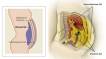
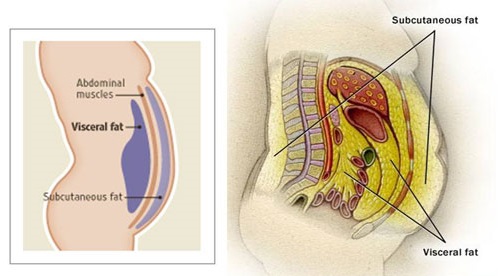
How to get rid of visceral fat? Visceral fats are the types of fats that we cannot see on the outside of our bodies, unlike our belly fat. The belly fat is one of the fats that we can see bulging out of our bodies in a hideous manner. Because of this, we get the humility to get rid of this fat because it does not look good and also because it can lead to some severe medical conditions. But visceral fat lies inside the body that we are not able to see. It gets stored inside the cavity of the abdomen. Since it is inside the abdominal cavity, it is stored around some of the most important organs found in the body. Such as the intestines, the pancreas and even the liver.Since we cannot see the fat on the outside that is it isn’t apparently visible to us unlike the belly fat, we don’t realize the need to remove it unless certain medical conditions arise. We can also refer them as “Active fat”. Research has proven that this fat plays an important role, in a dangerous sense, in affecting our hormonal functions. This condition can also lead to some diseases such as type 2 diabetes.
How to Get Rid of Visceral Fat
To check whether you are gaining visceral fats is to get an MRI scan. Since MRI scans are not cheap, therefore, they’re not recommended. Some students at Harvard proposed that almost 10% of our total fat is likely to be stored as visceral fat. Thus, we can make precise approximations.
Below are some of the effective steps with which you can easily reduce your visceral fat.
Regular exercise:
Regular exercise can potentially help you get rid of your fat on your belly for sure. Exercising vigorously for almost 30 to 45 minutes trims your fat that includes your subcutaneous fat and even your visceral fat. Simply walking can do you good if you do it regularly, at least six days a week for about 30 to 45 minutes. You can also include jogging in it. The aim should increase the heart rate for about 30 to 45 minutes daily to get rid of visceral fat.
Lifting weights or resistance training can be an important part of your exercise routine. Strength training or weight lifting includes push ups isometric exercises.Only spot training will not help you get rid of visceral fat, you need to perform exercises including crunches or maybe planks to assist the reduction of visceral fats.
If you don’t like lifting weights, then try something different. Something different might include taking dance classes or maybe indulging in a team sport. It may help you in overusing your muscles or over training. You can also try outdoor activities such as hiking or biking or skating, and you can try even kayaking.
Controlled diet
You should know what kinds of foods you should avoid to get rid of visceral fats. There should be a proper diet plan ready with you. For example, you can consume eggs in place of your oatmeals or cereals in your breakfast. For snacks, you can have vegetables or maybe fish such as tuna. In lunch, you can use chicken with some green salad instead of sandwiches or other junk food that you normally consume. For dinner, you can use protein, more vegetables but you should keep starch intake in control.
You should avoid fructose. Visceral fat can be build up frequently by consuming too much fructose. High fructose containing stuff such as syrups, sodas, energy drinks, sports drinks should be avoided. But you can, however, consume naturally fructose containing fruits.
Foods that contain trans fats should be avoided.
Trans fat can play an immense role in increasing your body fat including visceral fats. These foods can increase your body fat even when you are not consuming enough calories. Thus when you are trying to lose weight, it is always a good idea to avoid bakery items such as pies, cakes, cookies, and other foods like hot dogs, desserts, hamburgers. It may be hard to digest, but fast food also comes from trans fat. Thus, it should also be avoided.
Limiting alcohol intake:
Those who drinks alcohol regularly, here’s a bad news for them. Alcohol consumption can increase visceral fat. Alcohol intake should be reduced if you honestly care about yourself and want to reduce the pounds that you have gained.
Quality sleep:
A normal adult needs at least 6 hours of sleep daily. This sleep can help you keep your fat in check. An interesting fact is that if a person sleeps for 7 hours or more, this can help him gain weight that is what most people don’t want. So keeping your sleep in check is also what you need to keep in mind.
Stress Alleviation:
Stress is always a potential factor for severe medical conditions. Stress also has a say in the case of body weight. If you do not keep your stress under control, it will make you fat. It does sound absurd, but it is, in fact, true. When you are stressful, cortisol gets released from your body. This cortisol has a connection that is direct with visceral fat inside your belly. It sounds absurd, but it is true. It means that even though you don’t look fat on the outside, doesn’t mean that there isn’t any fat accumulating on the inside.
Supplement with Fucoxanthin:
There is a brown seaweed known as wakame that is found in Japan. Fucoxanthin is extracted from wakame. At the Hokkaido University in Japan, studies show that fucoxanthin promotes the burning of fats inside the fat cells in animals. Fucoxanthin attacks the fat in two ways; firstly it increases protein action that can cause the oxidation of fat which can be helpful in burning visceral fats. Secondly, fucoxanthin increases the production of DHA in the liver. Increased amount of DHA, which is an Omega 3 type fatty acid, can assist you in reducing bad cholesterol or LDL. This supplement with fucoxanthin can help you get rid of dangerous visceral fats.
How Visceral Fat Differs From Belly Fat
Although people often use the terms interchangeably, visceral fat and belly fat are not the same thing. The pinchable layer you can grab at your waistline is mostly subcutaneous fat, which sits just beneath the skin. Visceral fat, by contrast, hides deeper inside the abdominal cavity and wraps around organs such as the liver, pancreas, and intestines. Because it is not visible, it is easy to ignore, yet it is far more metabolically active and releases inflammatory compounds that can affect insulin sensitivity, blood pressure, and cholesterol levels.
Tracking Progress Without an MRI
Since MRI scans are expensive and impractical for routine monitoring, most people rely on simpler indicators. Measuring your waist circumference at the level of your belly button can reveal trends over time; a gradual decrease usually signals that visceral fat is dropping, even when the scale moves slowly. Progress photos, how your clothes fit, and improvements in energy, blood pressure, or fasting glucose can also confirm that your efforts are working. The key is to track the same metric consistently rather than chasing daily fluctuations.
Why Protein and Fiber Matter for Visceral Fat Loss
While cutting trans fats and fructose is essential, what you add to your plate matters just as much. Protein helps preserve lean muscle during weight loss and keeps you full between meals, making it easier to maintain a calorie deficit without constant hunger. Fiber, especially from vegetables, legumes, and whole grains, slows digestion and supports gut health, which in turn can reduce the accumulation of visceral fat. Building meals around a palm-sized portion of protein and a large serving of colorful vegetables is one of the most reliable ways to shift body composition over time.
For related advice, see [How To Get Rid of Upper Back Fat](/how-to-get-rid-of-upper-back-fat), [How to Get Rid of Belly Fat](/how-to-get-rid-of-belly-fat) and [How to Get Rid of Face Fat](/how-to-get-rid-of-face-fat).
Health professionals commonly recommend addressing visceral fat through sustained lifestyle changes rather than isolated interventions. They emphasize that combining regular physical activity with a nutrient-dense diet, adequate sleep, and stress reduction produces the most reliable improvements in waist circumference and metabolic health.
Conclusion
Getting rid of visceral fat requires a consistent, whole-body approach rather than a single quick fix. Regular exercise, a diet low in trans fats and added fructose, limited alcohol, adequate sleep, and stress management all work together to reduce the dangerous fat stored around your organs. Small changes maintained over months will outperform extreme short-term diets every time.
Stay patient and focus on habits you can sustain. Visceral fat responds to the same fundamentals that support overall health, so every step you take toward better movement, nutrition, sleep, and stress control is also a step toward lowering your long-term health risks.
Frequently Asked Questions
Last updated
This article is for informational purposes only and does not constitute medical advice. Consult a licensed dermatologist or healthcare provider before starting any new treatment.
Beauty & Hair Care Editor
Amanda Gurton is a beauty editor and researcher with a focus on translating dermatology and trichology insights into clear, actionable advice. She covers skincare routines, hair health, ingredient science, and everyday beauty habits.
Comments (0)
Be the first to comment.
Related Articles
Vitamin C and Niacinamide: Can You Really Not Use Them Together?
Can you use vitamin C and niacinamide together? Learn what the science says about this popular skincare myth and how to layer them correctly.
Mineral vs. Chemical Sunscreen: Which Should You Choose?
Mineral vs chemical sunscreen: compare how each type works, safety, texture, and which is best for your skin type and lifestyle.

What Is Slugging? The Skincare Method Explained
Learn what slugging is, how this occlusive skincare method works, who should try it, and how to slug correctly without clogging pores.
Building a Skincare Routine for Rosacea-Prone Skin
Learn how to build a gentle, effective skincare routine for rosacea-prone skin, including ingredients to use, ingredients to avoid, and trigger management.