 Funky Millions
How To Lighten Tanned Skin Naturally and Permanently
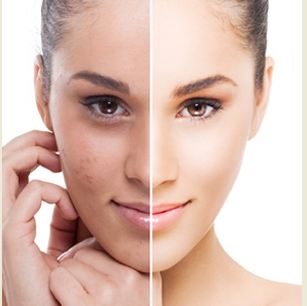
Quick summary
Key Takeaways
- Natural tan-lightening remedies work gradually by supporting the skin's renewal process and calming sun-induced inflammation.
- Consistent nighttime application combined with daily SPF protection is the most effective way to achieve lasting results.
- Lemon, potato, papaya, aloe vera, coconut water, and milk with turmeric are gentle, low-cost options for fading tanned skin.
- Always patch test new ingredients and avoid sun exposure immediately after using citrus-based treatments.
During summer hanging out with friends on the beach having fun is good, but due harsh sun rays you will suffer from tanned skin which will not easily fade out. Skin tanning occurs due to exposure of your body directly to sun rays which contain excessive Ultra violet rays. So how to lighten tanned skin naturally and permanently? Is this possible? Yes, it using sun screen cream and other body lotions may help you to have better results but the chemicals are always chemicals it may cause minor or major side effects and the results will be temporary. So what is the solution? It’s simple there are many home remedies to get rid of tanned skin naturally and the results will also be permanent. Patience is the key for natural remedies. Because natural may take long time but the results will phenomenal. Major natural methods followed to lighten tanned skin naturally.
How to Lighten Tanned Skin Naturally and Permanently
Lemon Juice
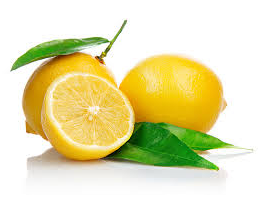
Lemon juice basically provides a lot of benefits to skin. Lemon juice mostly used to remove acne scars on face, but we can also use it for lightening the tanned skin without making skin dry. So start the process 10-15 minutes before you hit the bath. Take a lemon and extract the juice from. Apply it on affected part and leave it for minutes (10-15). Then wash it up or take bath. Follow this regularly for two to three months you can see the results visibly you can rub Fresh Aloe Vera to the infected area to lighten the skin tone. Apply gel to affected area at late night and rinse with fresh water in early morning. This leads to cleansing and nourish the skin.
Aloe Vera
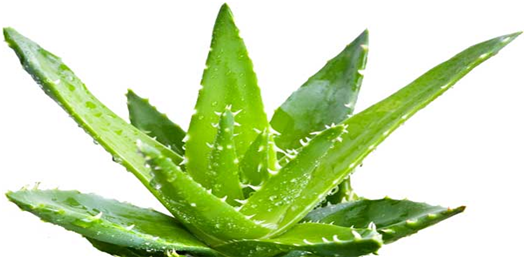
Fresh Aloe Vera gel naturally used to nourish and moisturize. It is effective in skin rejuvenation and curing tanned skin. It can help you, it can help to remove any dark patches and normalize skin.
Extract the gel substance for the Aloe Vera leaves and apply it on tanned body parts before going to bed. Wash off thoroughly in the morning. Follow this for some days you will definitely experience better results.
Aloe Vera provides you more benefits when combined with Multani Mitti or Masoordaal can remove extreme tanning of the skin. Aloe Vera is free from side effects. Using Aloe Vera for the treatment of Tanned skin is a technique used from ancient days.
Papaya
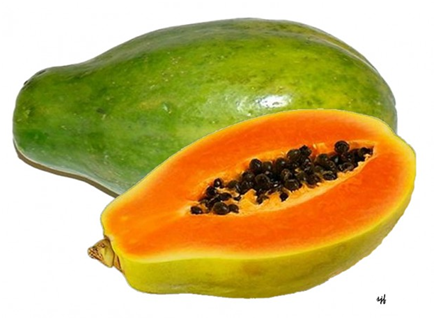
Papaya pulp for lighten the tanned skin. Make juice of papaya pulp and apply it just like a mask on tanned skin and slightly do massage on the applied region. Allow drying for 10 to 20 minutes. Then rinse with cold water, follow this for four to six weeks to get rid of tanned skin. Using Papaya pulp is considered as one of the best home remedies to lighten tanned skin. Papaya contains the nutrients and vitamins which can help you to reduce the dark spots caused by sun tan. Papaya also benefits more when combined with honey.
Coconut Water
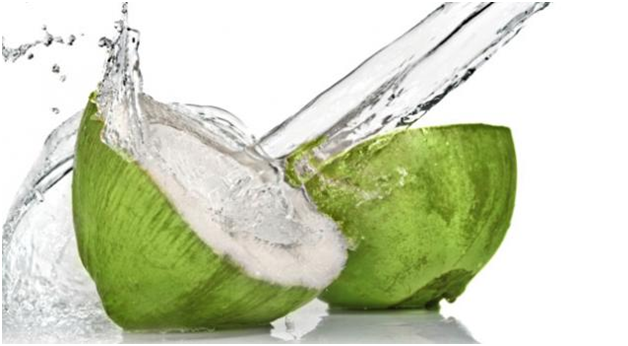
Coconut water is a rich source of minerals. Coconut water for tanned skin considered as very cheap and effective method to get rid tanned skin permanent and naturally. Dip cotton into coconut water and apply it on the sun tanned skin and leave it for some time. If you wish you can rinse it otherwise leaves as it is. Coconut water has many medical properties especially in hydration. Drinking coconut water will help in hydrating your body and skin; this will also help in curing tanned skin.
Coconut water along with sandal wood powder, not only will the restore and clean your skin, but it is wonderful in the removal of sunburn . This is a natural way to remove it.
Potato

Potato can give you mild bleach and clean the skin. With its natural skin lightener Potato is rich in vitamins, minerals, protein and fibers. A raw potato has natural bleaching properties that help in curing tanned skin in short term period. Potato contains high quantities of vitamin C. Vitamin C is one of the major ingredient used in skin care products. Have one or two medium size potatoes according to your need. Smash it and make a paste. Now apply the paste gently on tanned skin area and then leave it for half an hour, then wash it with cold water. This works with repetition. You will see the results in time.
You can also add a table spoon of lemon juice with potato paste; it will provide you more benefits like helping in treating skin aging, blemishes and sun burn.
Milk and Turmeric Powder
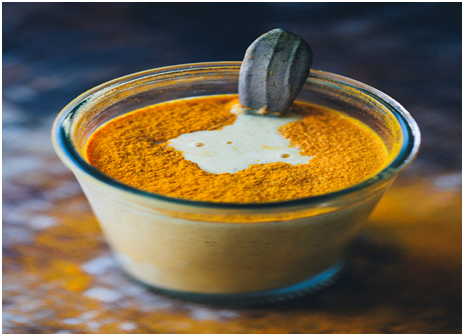
Raw milk is very effective for skin health. Raw milk improves complexion and also excellent cleanser. Raw milk has great effect on skin in smoothening of lines and wrinkles. It also helps in shrinking pores and removing dead cells. It acts as good moisturizer.
Turmeric is also as prior as milk in skin benefits. Very low cost, but the most effective one in treating skin aging. From ancient days mostly Indian women use to apply turmeric on face to remove facial hair and also to prevent re-growth of facial hair. It also provides great in curing wrinkles and acne scars.
Take a bowl of milk and along with a little bit of turmeric powder and mix well… when you have finish mixing, sparingly apply the mixture on tanned skin using a cotton ball. Leave it until it dries out completely. Wash it with cold water and repeat this remedy regularly to obtain clean clear and healthy tan proof skin. You skin will not only receive a natural tan but it will be nourished while you tan.
**Try to follow suitable one among these procedures in order to lighten tanned skin naturally and permanently without having any harmful side effects. Duration for better results varies from to another. For best results keep following the procedure.
How Natural Tan-Lightening Remedies Work on the Skin
A sun tan forms when ultraviolet (UV) rays trigger melanin production in the deeper layers of the skin. Natural lightening ingredients do not bleach skin instantly; instead, they help lift excess pigment, support healthy cell turnover, and calm inflammation caused by sun exposure. Lemon juice, potato, and papaya contain enzymes or mild acids that gradually loosen tanned surface cells, while aloe vera, coconut water, and milk soothe the skin so it can repair itself without irritation. Because this process depends on the skin's natural renewal cycle, consistent application over several weeks is what produces a visibly brighter, more even tone.
The Best Daily Routine to Prevent New Tanning
Even the most effective remedy will struggle if the skin is re-exposed to strong sun every day. Apply a broad-spectrum sunscreen with at least SPF 30 to all exposed areas 20 minutes before stepping outside, and reapply every two hours if you are swimming or sweating. Wear a wide-brimmed hat, sunglasses, and lightweight long sleeves during peak hours, usually between 10 a.m. and 4 p.m. At night, cleanse away sunscreen, sweat, and pollution, then apply one of the natural treatments mentioned above so the skin can absorb it while you sleep. This combination of daytime protection and nighttime repair is the most reliable path to long-lasting results.
Safety Tips and What to Avoid
Natural does not always mean risk-free. Citrus ingredients like lemon can cause phytophotodermatitis, a reaction that darkens skin when followed by sun exposure, so always rinse lemon treatments thoroughly and use them in the evening. Turmeric can temporarily stain the skin yellow, and milk may irritate anyone with dairy sensitivity. Perform a small patch test on the inner arm before applying any remedy to the face or larger body areas. Avoid harsh physical scrubs, undiluted vinegar, or over-washing, all of which can damage the skin barrier and make tanning worse.
For related advice, see [Best Vegetables Good for Skin](/best-vegetables-good-for-skin), [How To Make Your Skin Glow?](/how-to-make-your-skin-glow) and [How To Protect Your Skin From Sun](/how-to-protect-your-skin-from-sun).
Dermatologists commonly recommend a two-part approach for anyone looking to fade a tan: gentle topical ingredients that support skin turnover, combined with rigorous daily sun protection. They note that while natural remedies like aloe vera, vitamin C-rich potato, and exfoliating papaya can help brighten the complexion over time, no topical treatment can override repeated unprotected sun exposure. Professionals also advise against aggressive scrubbing or strong acids at home, since damaging the skin barrier can lead to more pigmentation rather than less. For persistent or uneven pigmentation, a dermatologist can offer additional guidance tailored to your skin type.
Conclusion
Lightening tanned skin naturally and permanently is possible when you combine the right home remedies with patience and daily sun protection. Ingredients such as lemon juice, aloe vera, papaya, coconut water, potato, and milk with turmeric each offer gentle ways to fade tan, nourish the skin, and restore a more even complexion over time. The key is to choose a method that suits your skin type and stick with it consistently for several weeks.
Remember that natural remedies work gradually because they support the skin's own renewal process rather than forcing rapid bleaching. Protect your skin from further UV damage, stay hydrated, and be gentle with your routine. With steady care, you can reduce tan lines, brighten your skin tone, and keep your complexion healthy without relying on harsh chemicals.
Frequently Asked Questions
Last updated
This article is for informational purposes only and does not constitute medical advice. Consult a licensed dermatologist or healthcare provider before starting any new treatment.
Beauty & Hair Care Editor
Amanda Gurton is a beauty editor and researcher with a focus on translating dermatology and trichology insights into clear, actionable advice. She covers skincare routines, hair health, ingredient science, and everyday beauty habits.
Comments (0)
Be the first to comment.
Related Articles
Vitamin C and Niacinamide: Can You Really Not Use Them Together?
Can you use vitamin C and niacinamide together? Learn what the science says about this popular skincare myth and how to layer them correctly.
Mineral vs. Chemical Sunscreen: Which Should You Choose?
Mineral vs chemical sunscreen: compare how each type works, safety, texture, and which is best for your skin type and lifestyle.
What Is Slugging? The Skincare Method Explained
Learn what slugging is, how this occlusive skincare method works, who should try it, and how to slug correctly without clogging pores.
Building a Skincare Routine for Rosacea-Prone Skin
Learn how to build a gentle, effective skincare routine for rosacea-prone skin, including ingredients to use, ingredients to avoid, and trigger management.