 Funky Millions
Mature Skin Care Over 50: A Complete Guide
Discover the best mature skin care over 50 routine. Learn gentle cleansing, hydration, sunscreen, retinoids, and expert tips for radiant, healthy skin.
Quick summary
Key Takeaways
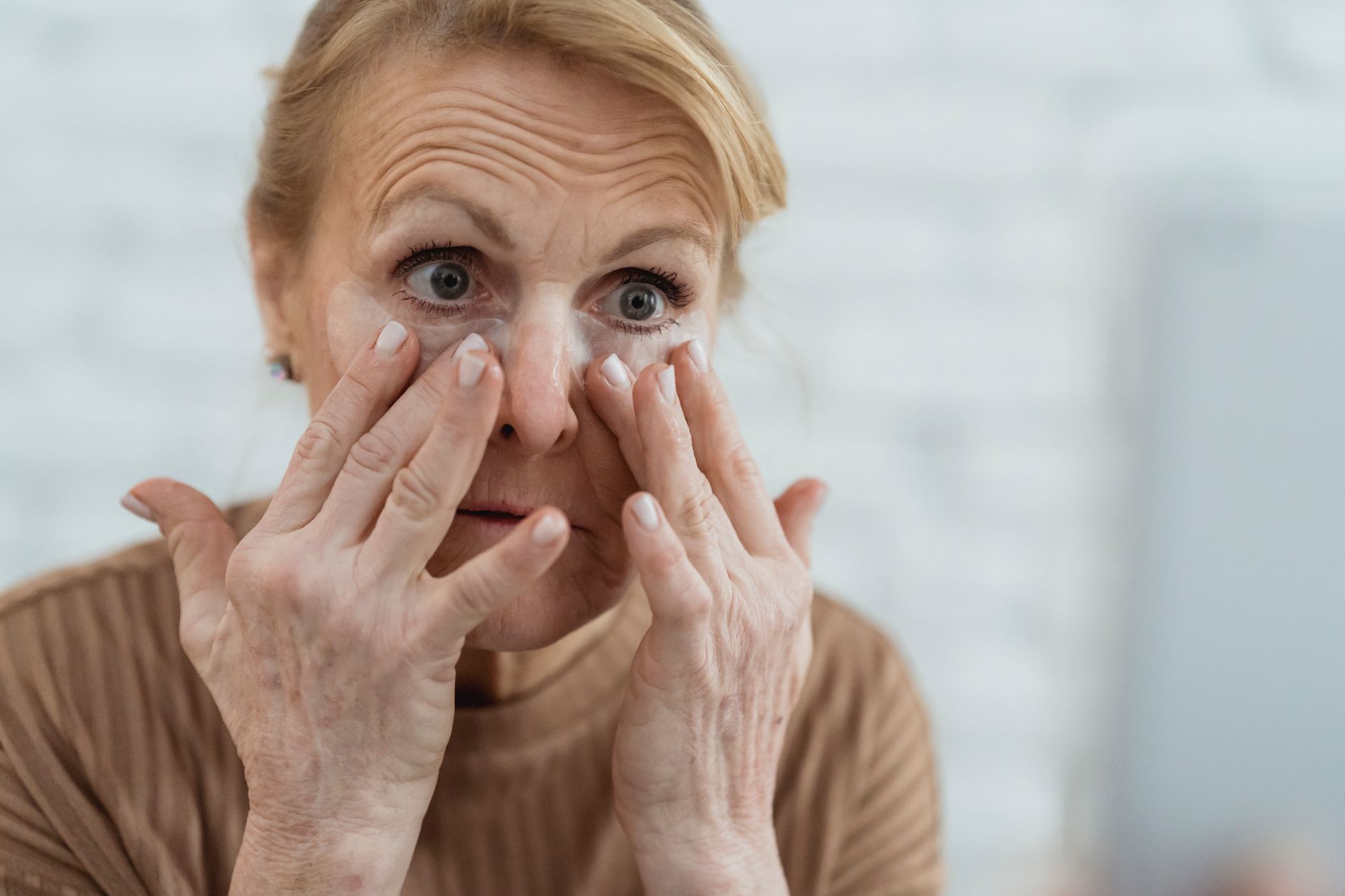
- Mature skin after 50 is drier, thinner, and slower to renew itself. A supportive routine should focus on hydration, barrier repair, sun protection, and gentle stimulation of collagen.
- Morning care is about protection and hydration: gentle cleanse, antioxidant serum, moisturizer, and SPF 30+.
- Evening care is about repair: remove makeup, apply a targeted serum like retinol or peptides, moisturize richly, and consider a facial oil for extra dryness.
- Focus on hydrators (hyaluronic acid, squalane), barrier builders (ceramides, niacinamide), collagen supporters (retinol, peptides), antioxidants (vitamin C), and daily sunscreen.
- Less is often more. Be gentle, consistent, and protective rather than aggressive.
- Healthy skin after 50 depends on what you put on your face *and* how you live: eat well, hydrate, sleep, move, and manage stress.
Turning 50 is a milestone, and your skin tells part of that story. If you have noticed more dryness, fine lines, or a slightly thinner texture, you are not alone. Mature skin care over 50 is about working with your skin’s changing biology rather than fighting it. The goal is not to look 25 again-it is to keep your skin barrier strong, hydrated, comfortable, and glowing at every age.
In this guide, you will learn exactly what happens to skin after 50, why a targeted routine matters, and how to build a simple, effective regimen for morning and night. We will also cover the best ingredients, common mistakes, expert tips, lifestyle habits, and answer the most frequently asked questions. Whether you are updating an existing routine or starting fresh, these steps are designed to be realistic and gentle on aging skin.
What Is Mature Skin and How Does It Change After 50?
Mature skin is generally defined as skin that shows visible signs of aging: decreased elasticity, slower cell turnover, increased dryness, and a thinner epidermis. After 50, these shifts accelerate due to hormonal changes-especially the drop in estrogen during menopause-and a natural decline in collagen and elastin production.
Key Biological Changes
- Collagen loss: Collagen production drops by roughly 1% per year after age 20, and the decline speeds up after menopause. By your 50s, skin may have significantly less collagen, leading to sagging and wrinkles.
- Slower cell turnover: New skin cells rise to the surface more slowly, which can make the complexion look dull or uneven.
- Reduced oil production: Sebaceous glands become less active, so skin often feels drier and more fragile.
- Thinner skin: The epidermis and dermis lose thickness, making blood vessels and bruising more visible.
- Weakened barrier function: A compromised barrier can lead to increased sensitivity, irritation, and moisture loss.
Why Mature Skin Care Over 50 Matters
Aging is natural, but the right skin care can help you feel comfortable and confident in your skin. A dedicated routine for mature skin care over 50 does more than soften wrinkles-it protects the skin barrier, prevents irritation, supports even tone, and reduces the risk of age-related skin conditions.
Benefits of a Targeted Routine
- Improved hydration: Richer moisturizers and humectants restore the water content that aging skin loses.
- Stronger barrier: Ceramides, fatty acids, and cholesterol help rebuild the lipid layer that keeps irritants out.
- Brighter tone: Gentle exfoliation removes dull, dead cells without stripping the skin.
- Fewer sensitivity flare-ups: Fragrance-free, pH-balanced products reduce redness and reactivity.
- Better protection: Daily sunscreen lowers the risk of photoaging and skin cancer, which becomes more important with age.
Step-by-Step Morning Routine for Mature Skin
A simple morning routine protects your skin from environmental stressors and locks in hydration. Keep it gentle-over-cleansing is a common mistake at this stage.
Step 1: Cleanse Gently
Use a hydrating, non-foaming cleanser. Cream, milk, or oil-based cleansers remove overnight products without stripping natural oils. Avoid harsh sulfates and astringents.
Step 2: Apply a Hydrating Toner or Essence (Optional)
If you enjoy toners, choose an alcohol-free formula with hyaluronic acid, glycerin, or rose water. This adds a light layer of hydration before serums.
Step 3: Use an Antioxidant Serum
A vitamin C serum in the morning helps neutralize free radicals from UV and pollution. It can also support brighter skin and more even tone. If vitamin C irritates you, try niacinamide or green tea extract.
Step 4: Moisturize
Choose a moisturizer formulated for mature skin-look for ceramides, peptides, squalane, or shea butter. Apply it to slightly damp skin to seal in moisture.
Step 5: Apply Sunscreen
This is the most important step. Use a broad-spectrum SPF 30 or higher every day, even when it is cloudy. Mineral sunscreens with zinc oxide or titanium dioxide are often well tolerated by sensitive mature skin.
Step-by-Step Evening Routine for Mature Skin
Nighttime is when skin repairs itself, so your evening routine should focus on nourishment, active ingredients, and barrier support.
Step 1: Remove Makeup and Sunscreen
Use a cleansing balm or micellar water to dissolve makeup and SPF. Double cleansing-oil cleanser followed by a cream cleanser-works well without being harsh.
Step 2: Cleanse Again (If Needed)
If your first cleanse left residue, follow with a gentle cream cleanser. Otherwise, one thorough cleanse may be enough.
Step 3: Apply a Targeted Serum
At night, you can use ingredients that may increase sun sensitivity:
- Retinoids: Support collagen production and cell turnover. Start with a low-strength retinol or a gentler retinaldehyde.
- Peptides: Signal the skin to produce more collagen with little irritation.
- Niacinamide: Helps improve barrier function, even tone, and fine lines.
Introduce one active ingredient at a time to avoid irritation.
Step 4: Eye Cream
The eye area is often the first to show age. A peptide or hyaluronic acid eye cream can help with puffiness, dryness, and crow’s feet.
Step 5: Moisturize or Use a Night Cream
Night creams are usually richer and may contain occlusives like petrolatum, dimethicone, or plant butters. These prevent water loss while you sleep.
Step 6: Optional Facial Oil
If your skin is very dry, a few drops of facial oil-such as rosehip, squalane, or argan-applied over moisturizer can provide extra nourishment.
Best Ingredients for Mature Skin Care Over 50
Not every ingredient suits aging skin. Prioritize those that hydrate, repair, protect, and gently stimulate renewal. The table below compares the most effective options.
| Ingredient | Primary Benefit | Best For | How to Use |
|---|---|---|---|
| Hyaluronic Acid | Draws moisture into the skin | Dryness, plumping | Apply to damp skin, morning or night |
| Ceramides | Repair the skin barrier | Sensitivity, dryness, thinning | Use in moisturizer, twice daily |
| Retinoids / Retinol | Boost collagen and cell turnover | Fine lines, uneven tone | Night only; start 1–2 times per week |
| Niacinamide | Strengthens barrier, evens tone | Redness, large pores, dullness | Morning or night, well tolerated |
| Peptides | Support collagen signaling | Sagging, wrinkles | Use in serums or creams, twice daily |
| Vitamin C | Antioxidant brightening | Dullness, sun damage | Morning, before sunscreen |
| Glycolic / Lactic Acid | Gentle exfoliation | Rough texture, dullness | 1–2 times per week; start low |
| Squalane | Moisture barrier support | Dry, fragile skin | Use as a moisturizer or oil layer |
| Sunscreen (Zinc/Titanium) | UV protection | Preventing photoaging | Every morning, reapply every 2 hours outdoors |
Common Mistakes to Avoid
Even with good intentions, some habits can make mature skin worse. Avoid these common pitfalls.
1. Over-Exfoliating
Strong scrubs and daily acid peels can thin the barrier further. Stick to gentle chemical exfoliation once or twice a week.
2. Skipping Sunscreen
UV damage is responsible for up to 90% of visible skin aging. Daily SPF is non-negotiable, even indoors near windows.
3. Using Too Many Active Ingredients
Layering strong actives like retinol, acids, and vitamin C can cause redness and peeling. Introduce one new product at a time.
4. Ignoring the Neck and Hands
These areas show age quickly but are often skipped. Extend your moisturizer and sunscreen down to your neck, chest, and hands.
5. Choosing Fragrance-Heavy Products
Fragrance is a leading cause of contact dermatitis. Fragrance-free formulas are safer for thinning, reactive skin.
6. Neglecting Hydration From Within
Even the best cream cannot compensate for chronic dehydration. Drink water regularly and eat water-rich foods.
Lifestyle Habits That Support Healthy Skin After 50
Skin care products are only part of the equation. Your daily habits have a measurable impact on how your skin looks and feels.
Nutrition
Eat plenty of antioxidant-rich foods such as berries, leafy greens, nuts, and fatty fish. Omega-3 fatty acids help maintain the skin’s lipid barrier, while vitamin C supports collagen synthesis.
Hydration
Aim for adequate water intake throughout the day. Herbal teas and water-rich fruits also count. Limit alcohol and excessive caffeine, which can dehydrate skin.
Sleep
During deep sleep, blood flow to the skin increases and cellular repair accelerates. Poor sleep can lead to dullness, puffiness, and more pronounced wrinkles.
Exercise
Regular movement improves circulation, delivering oxygen and nutrients to the skin. It also supports lymphatic drainage, which can reduce puffiness.
Stress Management
Chronic stress contributes to inflammation and premature aging. Practices like walking, meditation, journaling, or gentle yoga can help keep stress hormones in check.
These practical tips can help you get the most from your routine without adding complexity.
- Pat, do not rub: Apply products with gentle tapping motions to reduce tugging on delicate skin.
- Use lukewarm water: Hot water strips natural oils and worsens dryness.
- Layer from thinnest to thickest: Start with watery serums and finish with creams or oils.
- Wait between actives: If using retinol and acids, alternate nights to reduce irritation.
- Don’t forget sleep: Skin repairs overnight, so aim for 7–9 hours of quality sleep.
- Manage stress: Chronic stress raises cortisol, which can accelerate collagen breakdown.
- Patch test new products: Mature skin can become more reactive. Test on your inner arm or behind the ear first.
- See a dermatologist: A professional can recommend prescription retinoids, laser treatments, or medical-grade procedures if needed.
Conclusion
Mature skin care over 50 is not about reversing time-it is about giving your skin the support it needs to stay healthy, comfortable, and radiant. With a gentle cleanser, hydrating ingredients, barrier-repairing ceramides, collagen-supporting actives, and daily sunscreen, you can build a routine that works with your skin rather than against it.
Small, consistent habits-good sleep, hydration, nutrition, and stress management-make a noticeable difference too. Start with the basics, introduce actives slowly, and adjust based on how your skin responds.
Enjoyed this guide? Share it with a friend, leave a comment with your favorite anti-aging tip, and explore more of our skin care articles on FunkyMillions.com.
Tags: mature skin care over 50, anti-aging skin care, skin care routine for women over 50, best moisturizer for mature skin, retinol over 50, hydration for aging skin, dermatologist tips for mature skin
Categories: Skin Care
Frequently Asked Questions
Last updated
This article is for informational purposes only and does not constitute medical advice. Consult a licensed dermatologist or healthcare provider before starting any new treatment.
Beauty & Hair Care Editor
Amanda Gurton is a beauty editor and researcher with a focus on translating dermatology and trichology insights into clear, actionable advice. She covers skincare routines, hair health, ingredient science, and everyday beauty habits.
Comments (0)
Be the first to comment.
Related Articles
Squalane Oil Benefits and How to Use It
Discover the top squalane oil benefits for every skin type, plus how to use it in your routine. Hydrating, non-comedogenic, and beginner-friendly.
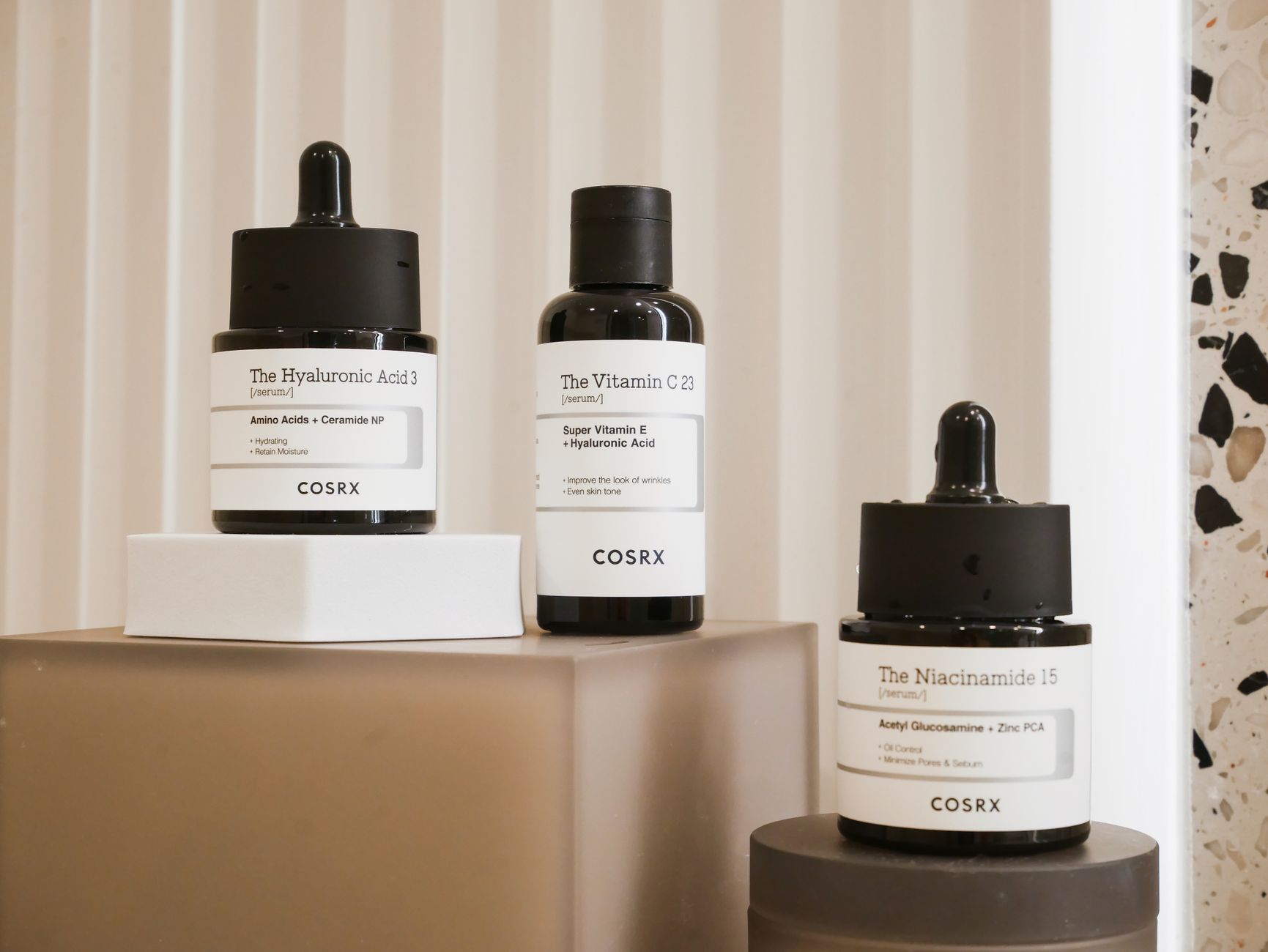
Vitamin C and Niacinamide: Can You Really Not Use Them Together?
Can you use vitamin C and niacinamide together? Learn what the science says about this popular skincare myth and how to layer them correctly.
Mineral vs. Chemical Sunscreen: Which Should You Choose?
Mineral vs chemical sunscreen: compare how each type works, safety, texture, and which is best for your skin type and lifestyle.
What Is Slugging? The Skincare Method Explained
Learn what slugging is, how this occlusive skincare method works, who should try it, and how to slug correctly without clogging pores.