 Funky Millions
Skin Tags vs. Milia vs. Warts: How to Tell Them Apart
Skin tags vs milia vs warts: learn how to identify each small skin bump, what causes them, and safe treatment or removal options.
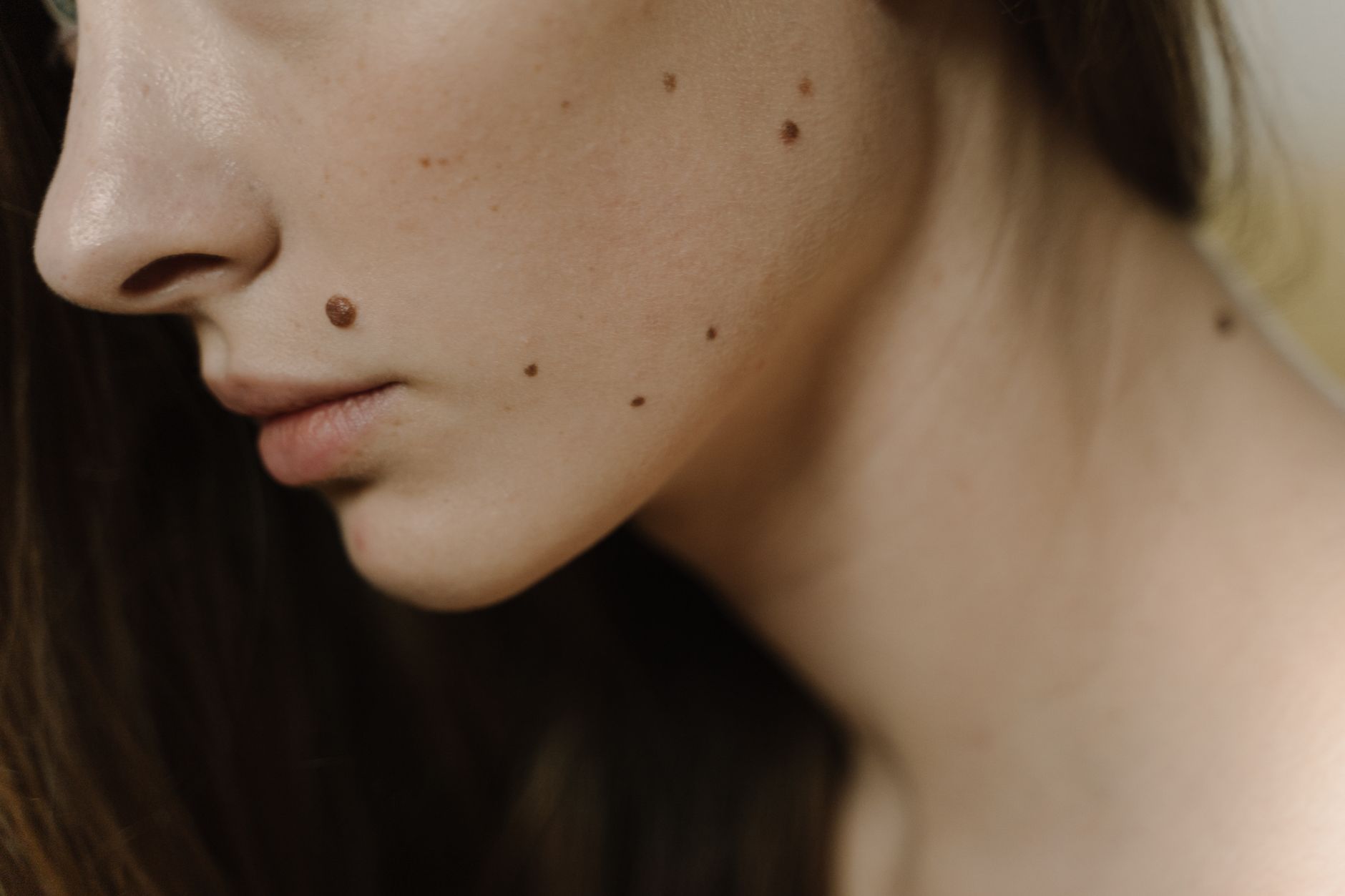
Quick summary
Key Takeaways
- Despite looking similar in size, skin tags, milia, and warts have completely different causes and require different treatment approaches.
- Skin tags are soft, stalked growths of extra skin tissue that commonly appear in areas of friction.
- Milia are small, firm, trapped keratin cysts that appear flush with the skin, most commonly around the eyes and cheeks.
- Warts are caused by a viral infection (HPV), are contagious, and typically have a rough, textured surface unlike the smooth appearance of skin tags or milia.
- Texture and contagion risk are the two clearest distinguishing factors: skin tags are soft, milia are firm, and warts are rough and contagious.
- Milia are most common and typically self-resolving in infants, warts are most prevalent in children and teens due to developing immunity and communal exposure, and skin tags become increasingly common with age due to cumulative friction and metabolic changes.
Small bumps on the skin can be confusing to identify, and mistaking one type for another can lead to the wrong treatment approach entirely. Understanding skin tags vs milia vs warts helps you recognize which small growth you are actually dealing with, since each has a different cause, a different level of medical concern, and different safe removal options.
Why These Three Get Confused
Skin tags, milia, and warts are all small, raised skin growths that can appear on the face and body, and at a glance, particularly for smaller examples, they can look surprisingly similar. However, they have entirely different underlying causes: skin tags are benign growths of extra skin tissue, milia are trapped keratin cysts, and warts are caused by a viral infection. Because the causes differ so much, safe treatment approaches vary significantly, and self-treating the wrong type of growth can cause unnecessary irritation or delay appropriate care.
What Are Skin Tags?
Skin tags, medically called acrochordons, are small, soft, benign growths of skin that often hang off the surface on a thin stalk (peduncle). They commonly appear in areas of friction, such as the neck, armpits, under the breasts, and eyelids, and tend to be skin-colored or slightly darker than surrounding skin. Skin tags are extremely common, affecting a large percentage of adults, and become more frequent with age, weight gain, and during pregnancy.
What Is Milia?
Milia are small, firm, white or yellowish bumps that form when keratin becomes trapped beneath the skin's surface, creating a tiny cyst. Unlike skin tags, milia are hard to the touch and do not hang off a stalk, they sit flush with or just slightly raised above the skin. Milia commonly appear around the eyes, cheeks, and nose, and are especially common in newborns, though they also appear in adults, particularly after sun damage or the use of heavy, occlusive skincare products.
What Are Warts?
Warts are caused by infection with human papillomavirus (HPV), which triggers rapid growth of skin cells, creating a rough, raised bump. Unlike skin tags and milia, warts are contagious and can spread to other areas of your own body or to other people through direct contact or shared surfaces. Common warts often have a rough, textured surface, sometimes with small black dots (clotted blood vessels) visible within them, and they can appear anywhere on the body, though hands, feet, and fingers are especially common locations.
Skin Tags vs. Milia vs. Warts Comparison Table
| Feature | Skin Tags | Milia | Warts |
|---|---|---|---|
| Cause | Extra skin tissue growth | Trapped keratin | HPV viral infection |
| Texture | Soft | Firm, hard | Rough, textured |
| Attachment | Often on a thin stalk | Flush with skin | Flush or slightly raised |
| Color | Skin-colored to brown | White to yellow | Skin-colored to gray-brown |
| Contagious | No | No | Yes |
| Common locations | Neck, armpits, eyelids, groin | Around eyes, cheeks, nose | Hands, feet, fingers |
| Typical size | 2mm to 5cm | 1-2mm | Varies, often 1mm-1cm |
How to Tell Them Apart Visually
- If it's soft, hangs slightly, and moves when touched: likely a skin tag
- If it's small, hard, white or yellow, and flush with the skin: likely milia
- If it's rough-textured, possibly with tiny black dots, and appears on hands or feet: likely a wart
- If it's spreading to nearby skin or appeared after contact with someone else's wart: almost certainly a wart, given the contagious nature of HPV
If you are ever unsure, particularly with any growth that changes rapidly, bleeds, or looks unusual in color, a dermatologist visit is the safest way to get an accurate diagnosis.
What Causes Each Type
Skin tags form due to friction between skin folds, and risk factors include obesity, insulin resistance, pregnancy hormones, and genetics. They are not caused by poor hygiene or any specific product.
Milia form when dead skin cells or keratin become trapped beneath the surface rather than shedding normally. Common triggers in adults include sun damage, use of very heavy or occlusive skincare products, and skin trauma such as blistering or burns during the healing process.
Warts are caused by one of over 100 strains of HPV, transmitted through direct skin contact or contact with contaminated surfaces, such as pool decks or shared towels. A break in the skin's surface makes infection more likely, which is why warts are common on hands with small cuts or on feet exposed to damp communal surfaces.
Safe Removal Options for Skin Tags
Skin tags are generally harmless and do not require removal unless they are cosmetically bothersome or repeatedly irritated by clothing or jewelry. Safe removal methods include:
- Professional removal by a dermatologist using cauterization, cryotherapy (freezing), or simple excision
- At-home ligation kits, which cut off blood supply to the tag, though these carry more risk of improper use than professional removal
- Avoid cutting or tying off skin tags yourself with non-medical tools, since this can lead to infection or excessive bleeding
Safe Removal Options for Milia
Milia often resolve on their own over weeks to months, particularly in infants. In adults, options include:
- Gentle chemical exfoliation with an AHA or retinoid to encourage normal skin cell turnover, which can help prevent new milia from forming
- Professional extraction by a dermatologist or esthetician using a sterile lancet, which is the safest way to remove existing milia
- Avoid attempting to pop or extract milia at home, since the skin over milia is intact (unlike a pimple) and forcing it open increases infection and scarring risk
Safe Removal Options for Warts
- Over-the-counter salicylic acid treatments, applied consistently over several weeks, which gradually break down the wart tissue
- Cryotherapy (freezing), available both as an over-the-counter kit and, more effectively, through a dermatologist
- Professional treatments, including stronger prescription options, laser treatment, or minor surgical removal for stubborn or larger warts
- Avoid attempting to cut, burn, or otherwise physically remove a wart at home, since this can spread the virus to surrounding skin or cause infection
How Age and Life Stage Affect Which Growth You're Likely to See
The likelihood of developing skin tags, milia, or warts shifts considerably across different life stages, which can be a useful piece of context when trying to identify an unfamiliar growth.
Newborns and infants very commonly develop milia, appearing as tiny white bumps across the nose and cheeks within the first few weeks of life. This is considered a normal, temporary part of skin development in this age group and almost always resolves on its own within a few weeks without any treatment, unlike adult-onset milia, which tends to be more persistent and benefits from active management.
Children and teenagers are the age group most likely to develop common warts, particularly on the hands and feet, since developing immune systems have not yet built up resistance to the many HPV strains responsible for warts, and close physical contact during play and sports increases transmission opportunities. Plantar warts on the feet are especially common in this age group due to shared locker rooms, pool decks, and communal showers.
Adults, particularly from midlife onward, see a sharp rise in skin tag development, driven by cumulative friction at skin folds over decades, along with the hormonal and metabolic changes, including insulin resistance and weight changes, that become more common with age. This is why skin tags are relatively rare in children but increasingly common as adults move through their 40s, 50s, and beyond.
When to See a Dermatologist
See a dermatologist if:
- A growth changes size, shape, or color rapidly
- A growth bleeds, itches persistently, or is painful
- You are unsure whether a growth is a skin tag, milia, wart, or something else entirely, such as a mole that needs evaluation
- Warts are spreading, painful, or located in sensitive areas like the face or genitals
- Milia are widespread and not improving with gentle exfoliation over several months
A dermatologist can also offer faster, more effective removal for any of these growths than at-home methods typically provide.
Common Mistakes to Avoid
Attempting to Pop or Extract Milia Like a Pimple
Milia sit beneath intact skin, unlike a typical pimple, and forcing them open can cause scarring or infection without any actual removal, since the trapped keratin is not accessible the way it would be in a standard blemish.
Using Wart Removal Products on Skin Tags
Salicylic acid wart treatments are formulated for the viral, rough tissue of warts and are not appropriate or effective for the soft tissue of skin tags.
Ignoring Contagious Risk With Warts
Sharing towels, razors, or nail tools while you have an active wart can spread HPV to other parts of your body or to other people. Treat warts as contagious until fully resolved.
Assuming All Small Bumps Are Harmless
While skin tags, milia, and common warts are generally benign, any growth that changes rapidly or looks unusual should be evaluated by a professional rather than assumed to be one of these common, harmless types.
- Photograph any new growth when you first notice it, so you can track whether it is changing over time.
- Avoid DIY removal methods you find online that involve tying off, cutting, or burning any of these growths at home without medical guidance.
- Use gentle exfoliation preventively if you are prone to milia, since supporting normal skin cell turnover can reduce how often new ones form.
- Cover active warts with a bandage during activities like swimming to reduce the risk of spreading the virus to others.
Conclusion
Understanding skin tags vs milia vs warts helps you avoid mistreating a small skin growth or missing something that actually needs medical attention. Skin tags are soft, benign tissue growths, milia are trapped keratin cysts, and warts are a contagious viral infection, each requiring a different, appropriate treatment approach. When in doubt, particularly with any growth that changes or looks unusual, a dermatologist visit offers the safest, most accurate path to treatment.
For related skin concerns, see our guide on how to patch test skincare products to help identify whether a new bump could be a reaction to a product rather than one of these common growth types.
Category: Skin Care
Tags: skin tags, milia, warts, HPV, skin growths, dermatology, skin bumps, acrochordons, wart removal, skin care basics
Frequently Asked Questions
References
Last updated
This article is for informational purposes only and does not constitute medical advice. Consult a licensed dermatologist or healthcare provider before starting any new treatment.
Beauty & Hair Care Editor
Ilma is a beauty editor who specializes in breaking down cosmetic ingredients, skincare routines, and hair care practices. Her work focuses on evidence-based guidance readers can trust and apply.
Comments (0)
Be the first to comment.
Related Articles
Vitamin C and Niacinamide: Can You Really Not Use Them Together?
Can you use vitamin C and niacinamide together? Learn what the science says about this popular skincare myth and how to layer them correctly.
Mineral vs. Chemical Sunscreen: Which Should You Choose?
Mineral vs chemical sunscreen: compare how each type works, safety, texture, and which is best for your skin type and lifestyle.
What Is Slugging? The Skincare Method Explained
Learn what slugging is, how this occlusive skincare method works, who should try it, and how to slug correctly without clogging pores.
Building a Skincare Routine for Rosacea-Prone Skin
Learn how to build a gentle, effective skincare routine for rosacea-prone skin, including ingredients to use, ingredients to avoid, and trigger management.