 Funky Millions
What Skincare Product is right for You
Quick summary
Key Takeaways
- Match your skincare products to your skin type, age, and local climate rather than following trends.
- A simple routine with cleanser, treatment, moisturizer, and sunscreen is enough for most people.
- Introduce new products one at a time and allow several weeks before judging results.
- Consistency and patience matter more than the number of products in your routine.
Skincare is often ignored as less important for your overall well being. Taking care of your skin is very important no matter what your age or where you live. Different age requires different type of skincare products and different geographical regions with different climates add more requirements on top of that.
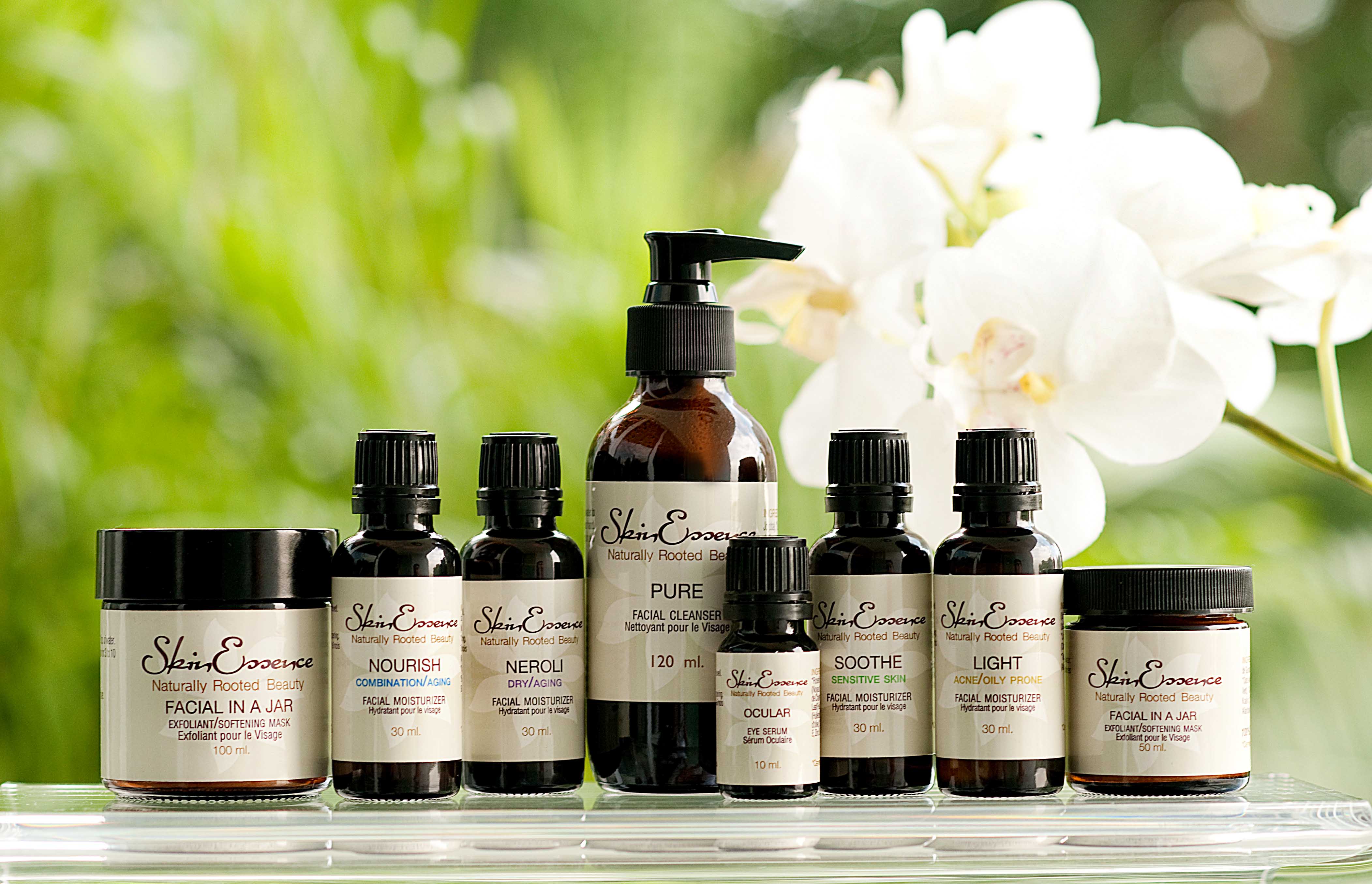
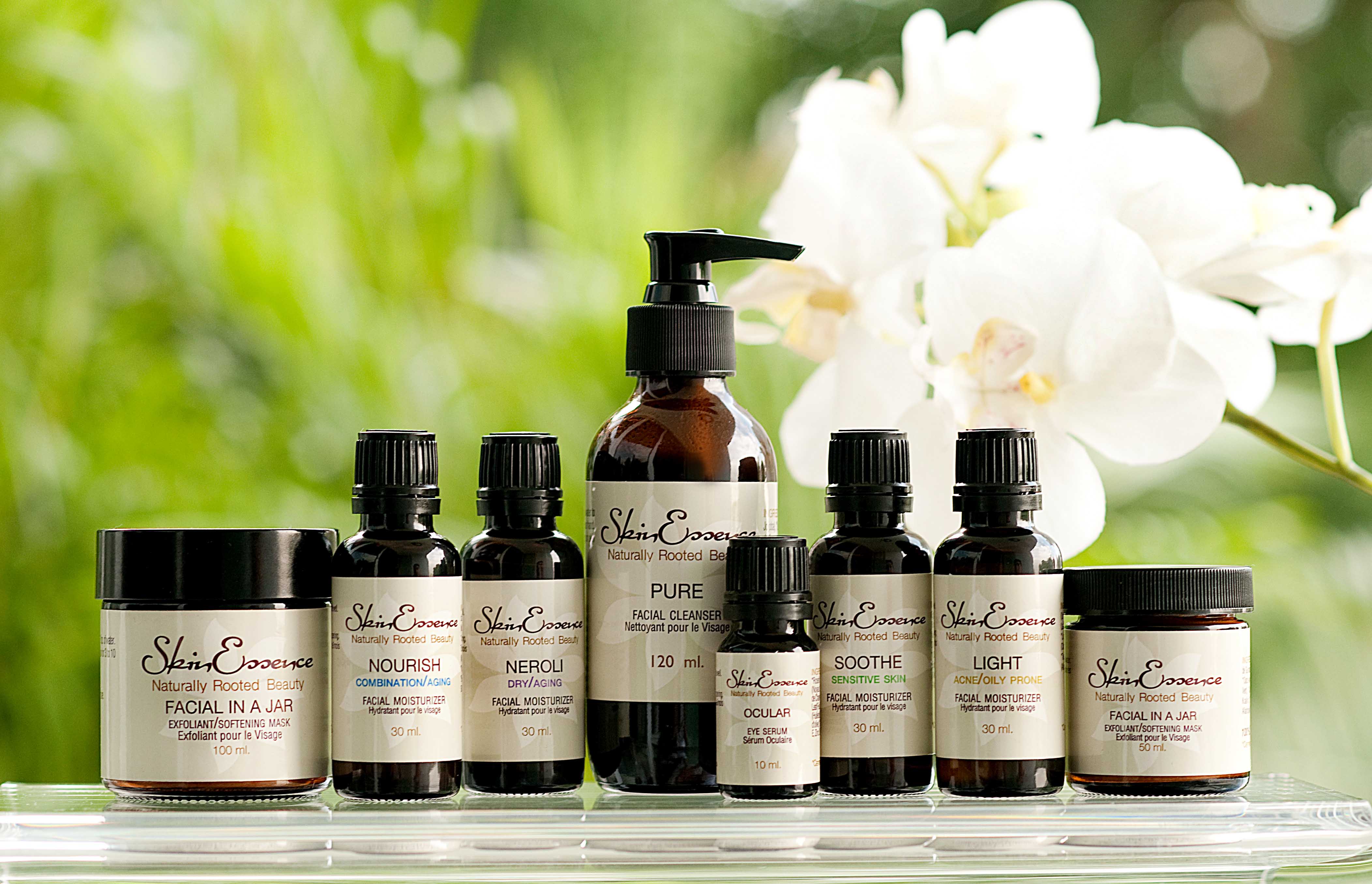 Today ou can find skincare for all types of skin from dry skin to oily skin and anything in between that you can think of. You can find skincare for sensitive skin, acne prone skin, and of course aging skin – starting for skin of people in their upper 20s. So, it’s extremely important to know what’s available and what skincare product choose in what situation. The following list provides input for the most common skin types:
Oily Skin – Skincare for oily skin is usually geared toward those “problem” faces that are prone to acne breakouts. You should look for a skincare product line that also contains a non-oil based moisturizer.
Dry Skin – Skincare for dry skin is usually very rich/creamy and thick. Often you find 2 flavors for the same product. There is usually a day lotion and a stronger, thicker night regime. In both cases, the formulations will not strip your skin of important needed natural oil.
Combination Skin – Skincare products for combination skin takes care of the oily parts as well as the dry parts of your face. It’s like the Jack of all Trades skincare.
Aging Skin – This is probably the most difficult product to choose from. Skincare for aging skin is ever-evolving. Some of the newest ingredients actually soften and plump wrinkles so much that they hardly show – but what works for one person, might not work at all for somebody else.
For each type of skin, there are several products available for use. Usually included are:
- Cleanser
- Toner
- Day moisturizer
- Day eye cream
- Night moisturizer
- Night eye cream
- Gentle scrub
- Mask
It most often makes sense to stick to one brand or skincare product series and buy the matching products as needed. This way you also avoid problems of 2 different products reacting with each other and eventully causing your skin to suffer – the opposite of what you were trying to achieve in the first place.
How Your Age Shapes the Skincare Product You Need
A teenager struggling with excess oil and occasional breakouts needs a very different routine from someone in their forties noticing fine lines and loss of firmness. In your twenties, the focus is usually prevention and balance: a gentle cleanser, a lightweight moisturizer, and daily sunscreen are often enough. As you move into your thirties, cell turnover begins to slow, so introducing a mild retinol or an antioxidant serum can help maintain clarity and brightness. By your forties and fifties, the skin barrier becomes less efficient at retaining moisture, which means richer creams, peptides, and ceramides become more valuable. Understanding where you are in life is one of the fastest ways to narrow down what skincare product is right for you.
Why Climate and Geography Affect Product Choice
The environment you live in changes what your skin tolerates. Humid coastal air can make oily skin feel greasier and increase the risk of clogged pores, so gel-based or oil-free formulas usually work better. Cold, dry winters or high-altitude locations strip moisture from the surface, meaning thicker creams and occlusive ingredients such as shea butter or squalane become more important. Urban settings with pollution may call for antioxidant protection and thorough evening cleansing. If you travel frequently or experience seasonal swings, you may need to keep two routines: a lighter one for summer and a more nourishing one for winter. Matching your product to your climate stops your skin from working harder than it needs to.
Decoding Product Labels for Your Skin Type
Once you know your skin type, labels become much easier to read. For oily or acne-prone skin, look for terms like non-comedogenic, oil-free, salicylic acid, and niacinamide. Dry skin responds well to labels that mention hyaluronic acid, glycerin, ceramides, and rich emollients. If you have combination skin, seek balanced formulas that hydrate without heavy oils, such as gel-cream moisturizers. Sensitive skin benefits from short ingredient lists, fragrance-free claims, and soothing agents like allantoin or centella asiatica. Aging skin often requires actives like retinoids, peptides, vitamin C, and alpha hydroxy acids. Reading the label with your specific needs in mind saves money and reduces trial and error.
Building a Simple but Complete Routine
You do not need a dozen products to see results. A sensible routine starts with a cleanser suited to your skin type, followed by a toner or essence if your skin tolerates it, then a treatment product such as a serum, and finally a moisturizer to seal everything in. In the morning, sunscreen is non-negotiable for every skin type because UV damage underlies most visible aging and uneven tone. At night, you can use richer or more active products while the skin repairs itself. Introduce new products one at a time and wait at least a week before adding another so you can identify what is helping or irritating. Sticking with one well-matched line often reduces the risk of conflicting formulas.
Common Mistakes When Choosing Skincare Products
One of the biggest mistakes is buying products based on trends rather than on what your skin actually needs. Another is layering too many active ingredients at once, which can damage the skin barrier and cause redness, peeling, or sensitivity. Many people also skip patch testing and then wonder why a new serum caused a reaction. Using a heavy night cream on oily skin or an astringent toner on dry skin are other mismatches that create new problems. Finally, expecting overnight results leads to abandoning good products too soon. Most skincare takes four to eight weeks to show visible improvement, so patience and consistency are as important as the formula itself.
Patch test new products before full use
Even the best-reviewed skincare product can cause a reaction on your unique skin. Before applying a new serum, moisturizer, or treatment to your whole face, test a small amount on the inside of your wrist or behind your ear for twenty-four hours. If no redness, itching, or stinging appears, try a thin layer along your jawline for another day or two. This simple step is especially important for retinoids, acids, essential oils, and fragrance-heavy formulas. A patch test takes little time but can prevent days of irritation and help you build a routine your skin actually tolerates.
For related advice, see [Back Acne Treatment. Get rid of back Acne](/back-acne-treatment-get-rid-of-back-acne), [Beauty Tips for Face at Home: Simple Remedies for a Radiant Glow](/beauty-tips-for-face-at-home-simple-remedies-for-a-radiant-glow) and [Best Vegetables Good for Skin](/best-vegetables-good-for-skin).
Dermatologists commonly recommend starting any skincare journey with the basics: a gentle cleanser, a suitable moisturizer, and daily broad-spectrum sunscreen. They emphasize that understanding your skin type and introducing active ingredients gradually is more effective than using a long list of trendy products. For concerns that persist, such as severe acne, persistent redness, or signs of aging, consulting a skin professional can help you choose targeted ingredients safely.
Conclusion
Choosing the right skincare product comes down to understanding your skin type, your age, and the environment you live in. A well-matched routine does not need to be expensive or complicated; it simply needs to respect what your skin is asking for each day. By reading labels carefully, introducing products slowly, and staying consistent, you give your skin the best chance to look and feel balanced.
Whether your concern is oiliness, dryness, sensitivity, combination skin, or the first signs of aging, there is a product category designed to support you. Start with the basics, listen to how your skin responds, and adjust as the seasons and years change. The right skincare product is the one that fits your life, not just your shelf.
Frequently Asked Questions
Last updated
This article is for informational purposes only and does not constitute medical advice. Consult a licensed dermatologist or healthcare provider before starting any new treatment.
Beauty & Hair Care Editor
Amanda Gurton is a beauty editor and researcher with a focus on translating dermatology and trichology insights into clear, actionable advice. She covers skincare routines, hair health, ingredient science, and everyday beauty habits.
Comments (0)
Be the first to comment.
Related Articles
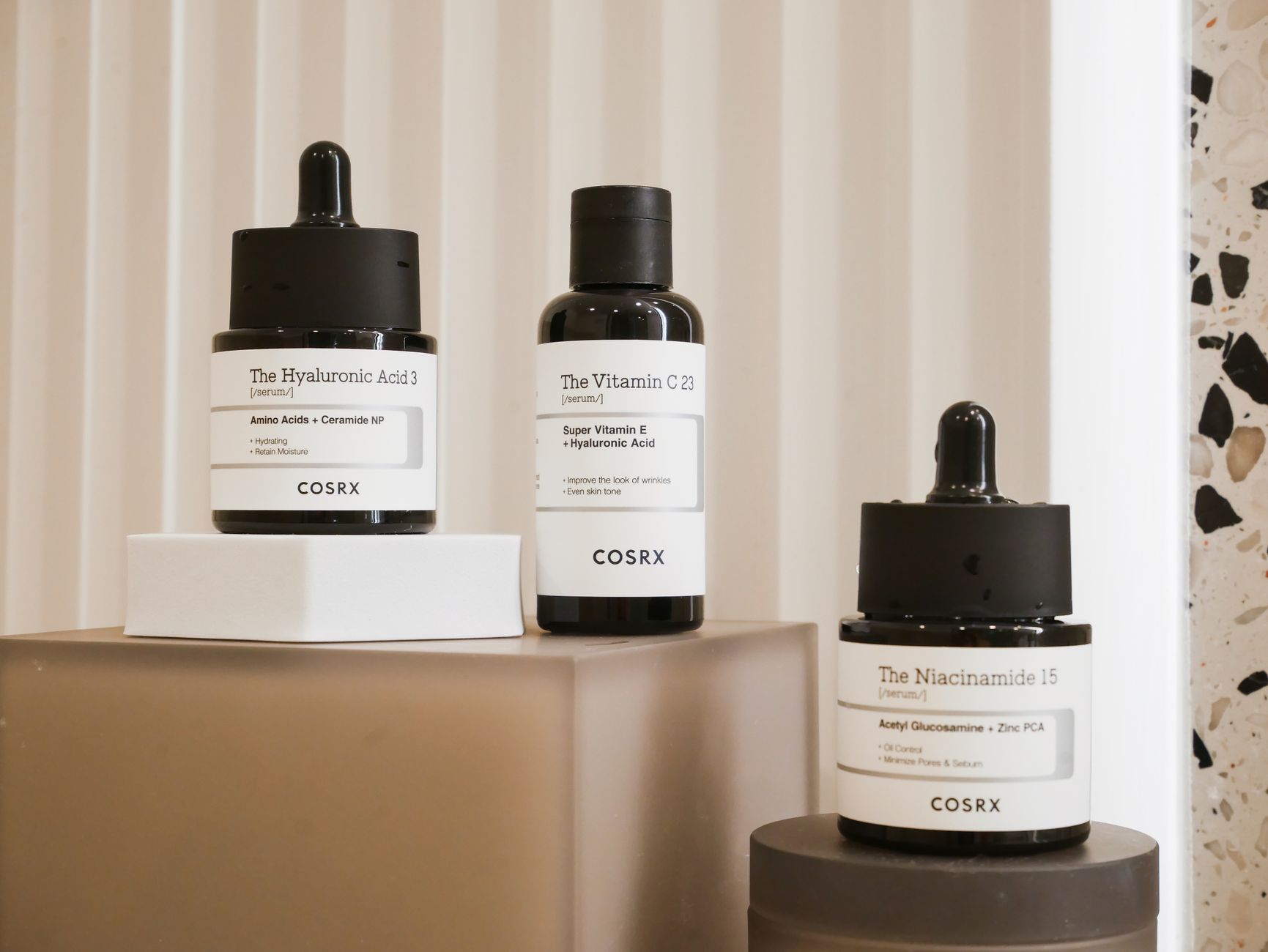
Vitamin C and Niacinamide: Can You Really Not Use Them Together?
Can you use vitamin C and niacinamide together? Learn what the science says about this popular skincare myth and how to layer them correctly.
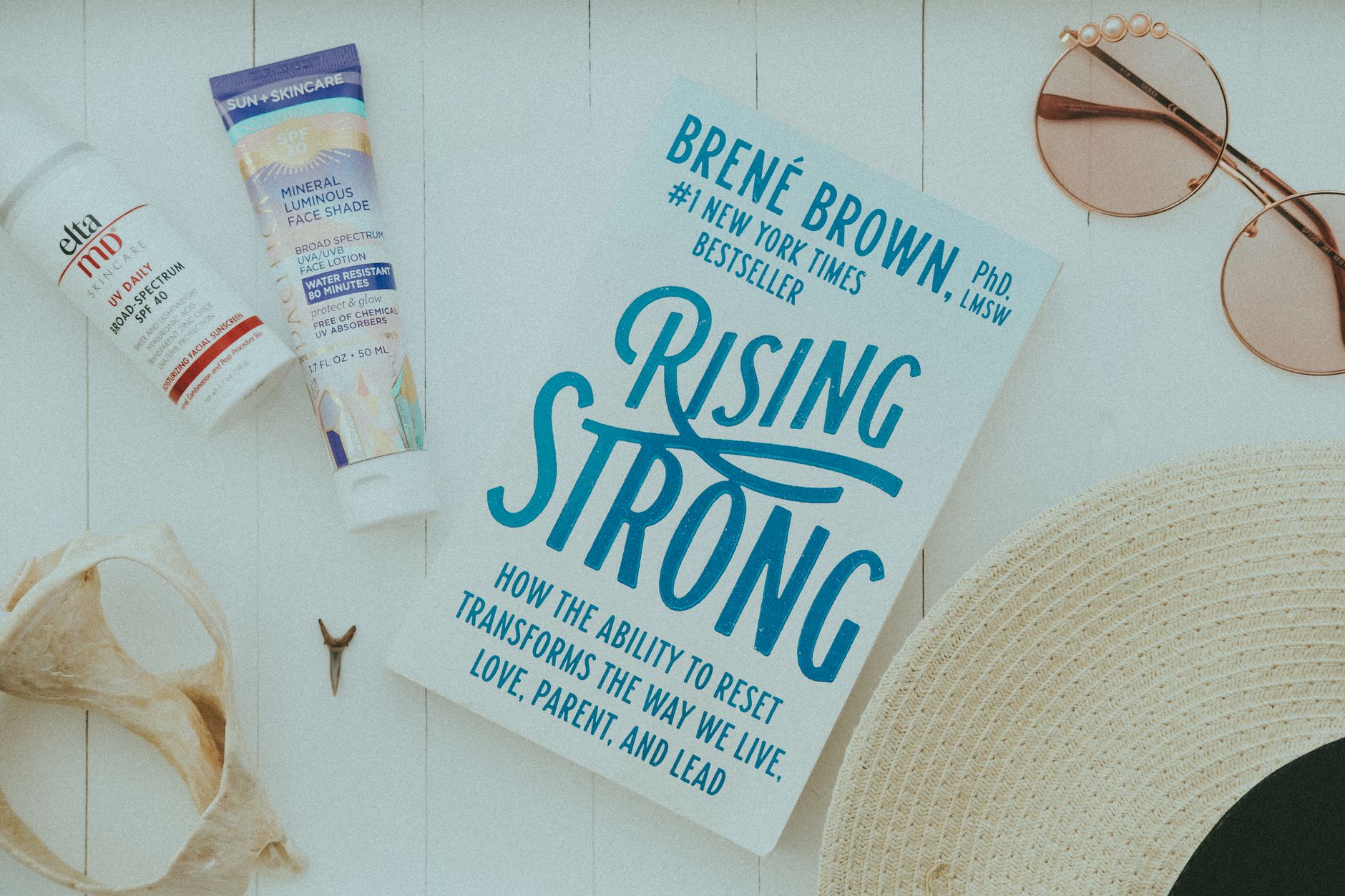
Mineral vs. Chemical Sunscreen: Which Should You Choose?
Mineral vs chemical sunscreen: compare how each type works, safety, texture, and which is best for your skin type and lifestyle.
What Is Slugging? The Skincare Method Explained
Learn what slugging is, how this occlusive skincare method works, who should try it, and how to slug correctly without clogging pores.
Building a Skincare Routine for Rosacea-Prone Skin
Learn how to build a gentle, effective skincare routine for rosacea-prone skin, including ingredients to use, ingredients to avoid, and trigger management.