 Funky Millions
Foods That Cause Premature Aging: What to Avoid
Discover the top foods that cause premature aging, how they damage your skin, and expert-backed swaps to keep your complexion youthful and healthy.

Quick summary
Key Takeaways
- Foods that cause premature aging mainly damage skin through glycation, oxidative stress, inflammation, collagen breakdown, and dehydration. Limiting these foods gives your skin a chance to repair and rebuild.
- You do not have to eliminate every treat. Swapping the worst foods that cause premature aging for nutrient-dense alternatives most of the time can noticeably improve your skin over time.
Your skin is a living record of what you eat. While genetics and sun exposure play major roles, the foods that cause premature aging can speed up wrinkles, dullness, sagging, and uneven tone faster than you might expect. Every meal is either fueling repair or triggering inflammation, glycation, and collagen breakdown.
The good news? You do not need a perfect diet to see results. Cutting back on the worst offenders and replacing them with nutrient-dense alternatives can help your skin look fresher, firmer, and more radiant within weeks. In this guide, you will learn exactly which foods accelerate aging, the science behind the damage, and simple steps to build an anti-aging eating routine that fits real life.
What Is Premature Aging, and How Do Foods Trigger It?
Premature aging happens when your skin, body, and cells show signs of aging earlier than expected. On the face, that means fine lines, deep wrinkles, loss of elasticity, age spots, dryness, and a tired or puffy appearance.
Aging itself is natural. The problem begins when lifestyle factors speed it up. Foods that cause premature aging typically damage skin through four main pathways:
- Glycation: Sugar molecules attach to collagen and elastin, making them stiff and fragile.
- Oxidative stress: Free radicals attack skin cells and break down supporting proteins.
- Chronic inflammation: Low-grade inflammation keeps the immune system on high alert, accelerating tissue damage.
- Dehydration and nutrient depletion: Salty, sugary, and highly processed foods rob your skin of water and the vitamins it needs to repair itself.
When these processes happen repeatedly, your skin’s repair systems cannot keep up. The result is visible aging that shows up years before it should.
Why What You Eat Matters for Your Skin
Your skin is built from the nutrients you consume. Collagen, elastin, hyaluronic acid, ceramides, and antioxidants all rely on vitamins, minerals, healthy fats, and amino acids from food. When your diet is rich in these building blocks, your skin has the raw materials it needs to stay plump and resilient.
On the flip side, a diet heavy in foods that cause premature aging starves your skin while flooding it with compounds that break it down. Processed foods, added sugars, and unhealthy fats do not just affect your waistline. They also:
- Increase blood sugar spikes that trigger insulin and inflammation.
- Reduce blood flow and oxygen delivery to skin cells.
- Damage the skin barrier, leading to dryness and sensitivity.
- Interfere with sleep and hydration, both essential for overnight repair.
The American Academy of Dermatology notes that a healthy diet, along with sun protection and a consistent skincare routine, can help support skin health and slow visible aging. For more ways to care for your skin, see our guide on how to make your skin glow.
The Top Foods That Cause Premature Aging
Below are the most common dietary culprits linked to faster skin aging. Use this list as a practical roadmap, not a reason to obsess over every bite. Progress matters more than perfection.
1. Refined Sugar and High-Glycemic Carbohydrates
White bread, pastries, candy, breakfast cereals, and sweetened snacks rank among the strongest foods that cause premature aging. They spike blood sugar quickly, which triggers a process called glycation. During glycation, sugar molecules bind to proteins like collagen and elastin, forming advanced glycation end products (AGEs). These AGEs make collagen stiff and brittle, leading to sagging and wrinkles.
High-glycemic carbs also promote insulin spikes, which can increase oil production and inflammation. Over time, this combination dulls your complexion and deepens expression lines.
Skin-friendly swap: Choose whole grains such as quinoa, oats, brown rice, and sprouted grain bread. Pair carbs with protein or healthy fat to slow absorption.
2. Processed and Fried Foods
French fries, chips, fast food, and packaged snacks are loaded with unhealthy fats, refined carbs, and sodium. Deep-frying also creates advanced glycation end products directly in the food itself. When you eat these foods regularly, you are essentially adding extra AGEs to your body on top of the ones your cells already produce.
Processed foods are also low in antioxidants, so they offer little protection against the oxidative stress they create.
Skin-friendly swap: Bake or air-fry potatoes and vegetables at home. Keep raw nuts, fresh fruit, and hummus on hand for convenient snacks.
3. Excess Alcohol
Alcohol is a double threat. First, it dehydrates your entire body, including your skin. Dehydrated skin looks dull, feels tight, and shows fine lines more easily. Second, alcohol generates free radicals and inflammation, which break down collagen over time.
Drinking too often can also disrupt sleep, reduce liver detoxification efficiency, and deplete B vitamins and zinc, all of which your skin needs to repair itself.
Skin-friendly swap: Limit alcohol to occasional servings, alternate each drink with water, and choose antioxidant-rich options like red wine in moderation if you drink.
4. Processed Meats
Bacon, sausage, deli meats, and hot dogs are high in sodium, preservatives like nitrates, and saturated fats. These meats are also linked to higher levels of inflammation in the body. Chronic inflammation is one of the key drivers of premature skin aging.
Processed meats are also low in the collagen-supporting nutrients found in fresh poultry, fish, and plant proteins.
Skin-friendly swap: Choose fresh, minimally cooked proteins such as grilled chicken, wild salmon, lentils, beans, and tofu.
5. Trans Fats and Industrial Seed Oils
Trans fats and heavily processed oils like soybean, corn, and sunflower oil are high in omega-6 fatty acids. While omega-6s are essential, the modern diet contains far more omega-6 than omega-3, creating an inflammatory imbalance.
Trans fats not only raise inflammation but also reduce skin flexibility and circulation. Poor circulation means fewer nutrients reach your skin cells, slowing repair and renewal.
Skin-friendly swap: Cook with extra-virgin olive oil or avocado oil. Add omega-3-rich foods like walnuts, flaxseeds, chia seeds, and fatty fish to your meals.
6. Excess Sodium
Salty snacks, canned soups, frozen meals, and restaurant dishes can pack far more sodium than you realize. Too much sodium causes your body to retain water, leading to puffiness, under-eye bags, and a swollen appearance. Over time, chronic high sodium intake may also affect blood vessel function and reduce the flow of nutrients to your skin.
Skin-friendly swap: Flavor food with herbs, lemon juice, garlic, and spices instead of salt. Read labels and aim for whole, minimally processed meals.
7. Sugary Beverages
Soda, sweetened iced tea, energy drinks, and flavored coffees deliver a concentrated dose of sugar without any fiber to slow absorption. These drinks cause rapid blood sugar spikes, fuel glycation, and contribute to the breakdown of collagen.
Sugary drinks also displace water, leaving your skin dehydrated and less able to flush out toxins.
Skin-friendly swap: Drink water, sparkling water with lemon, green tea, or herbal tea. Green tea is especially helpful because it contains catechins, powerful antioxidants that protect against oxidative damage.
8. Ultra-Processed Dairy and Sweetened Yogurts
Dairy can be a healthy source of protein and calcium, but flavored yogurts, sweetened coffee creamers, and processed cheese products often come with added sugars, artificial flavors, and preservatives. Some people also find that dairy triggers inflammation or acne, which can leave marks and contribute to uneven texture over time.
Skin-friendly swap: Choose plain Greek yogurt, unsweetened plant-based yogurts, or small amounts of high-quality cheese. Pair yogurt with berries for an antioxidant boost.
How These Foods Damage Your Skin: The Science
Understanding the mechanisms behind foods that cause premature aging makes it easier to stay motivated. Here is a simple breakdown of what happens inside your body.
Glycation and AGEs
When blood sugar is high, sugar molecules attach to proteins and fats in a process called glycation. The result is advanced glycation end products, or AGEs. Collagen and elastin are especially vulnerable. Once these proteins become glycated, they lose flexibility, and the skin becomes more prone to wrinkles and sagging.
Oxidative Stress
Free radicals are unstable molecules produced by metabolism, pollution, UV rays, and unhealthy foods. Antioxidants neutralize them. When your diet is low in antioxidants and high in pro-oxidant foods, free radicals damage cell membranes, DNA, and collagen fibers.
Chronic Inflammation
Processed foods, sugar, and unhealthy fats can keep your immune system in a low-grade state of alert. Inflammation breaks down collagen, weakens the skin barrier, and delays healing. It also worsens conditions like acne, rosacea, and eczema.
Collagen Breakdown
Collagen gives skin its structure. Foods that spike blood sugar, increase inflammation, and create oxidative stress all accelerate collagen breakdown. Without enough vitamin C, zinc, and amino acids from your diet, your body cannot rebuild collagen efficiently.
Dehydration
Alcohol, caffeine, sodium, and sugar all pull water from your tissues. Dehydrated skin has less volume, so wrinkles appear deeper. It also becomes more vulnerable to irritation and barrier damage.
Step-by-Step Anti-Aging Eating Routine
You do not need a complicated meal plan. Follow these five steps to reduce foods that cause premature aging and support your skin from the inside out.
Step 1: Build Every Meal Around Whole Foods
Start with vegetables, lean protein, healthy fats, and fiber-rich carbohydrates. A simple plate formula is half non-starchy vegetables, one-quarter protein, and one-quarter whole grains or starchy vegetables.
Step 2: Read Labels for Hidden Sugars
Sugar hides under many names, including cane juice, maltose, dextrose, corn syrup, and fruit juice concentrate. If a packaged food lists sugar among the first three ingredients, treat it as an occasional food, not a daily staple.
Step 3: Prioritize Antioxidant-Rich Produce
Colorful fruits and vegetables deliver vitamins A, C, and E, plus polyphenols that protect against oxidative stress. Berries, leafy greens, tomatoes, bell peppers, carrots, and citrus fruits are excellent choices.
Step 4: Add Healthy Fats Daily
Omega-3 fatty acids help maintain the skin barrier and reduce inflammation. Include fatty fish, walnuts, chia seeds, flaxseeds, hemp hearts, olives, and avocados regularly.
Step 5: Hydrate Consistently
Aim for clear or light-yellow urine as a sign of good hydration. Start your day with water, keep a reusable bottle nearby, and drink herbal tea or infused water if plain water feels boring.
Common Mistakes to Avoid
Even with good intentions, it is easy to fall into habits that sabotage your skin. Watch out for these pitfalls.
- Relying on supplements instead of food: No pill can fully replace a nutrient-dense diet. Supplements work best as add-ons, not replacements.
- Cutting out entire food groups without reason: Avoiding all carbs or all fats can leave you deficient in fiber, vitamins, or essential fatty acids.
- Ignoring portion sizes: Even healthy foods like nuts, olive oil, and dark chocolate are calorie-dense. Enjoy them in moderation.
- Drinking calories: Smoothies, juices, and coffee drinks can deliver as much sugar as soda. Choose whole fruit over juice when possible.
- Being too restrictive: Stress and guilt around food can raise cortisol, which also ages skin. Aim for balance, not perfection.
For more everyday skin-care advice, check out our post on beauty tips without makeup.
Foods to Limit vs. Skin-Friendly Swaps: Quick Comparison
| Foods That Cause Premature Aging | Better Alternatives | Why It Helps |
|---|---|---|
| White bread and pastries | Sprouted grain bread, oats, quinoa | Lower glycemic impact reduces glycation |
| Sugary soda and energy drinks | Water, sparkling water, green tea | Avoids sugar spikes and adds antioxidants |
| French fries and fried snacks | Baked sweet potato wedges, air-popped popcorn | Fewer AGEs and less inflammatory fat |
| Processed meats | Grilled chicken, salmon, lentils | Less sodium, fewer preservatives, more nutrients |
| Margarine and shortening | Avocado, olive oil, nut butters | Provides healthy fats that support the skin barrier |
| Candy and milk chocolate | Dark chocolate (70%+), fresh berries | Less sugar, more polyphenols |
| Flavored yogurt | Plain Greek yogurt with berries | Cuts added sugar while adding antioxidants |
| Excess alcohol | Herbal mocktails, infused water | Reduces dehydration and free-radical damage |
Small, consistent changes often outperform extreme diets. Try these expert-backed tips.
- Eat vitamin C at every meal: Vitamin C is essential for collagen synthesis. Add citrus, kiwi, strawberries, bell peppers, or broccoli.
- Include collagen-supporting nutrients: Copper, zinc, and amino acids from eggs, shellfish, legumes, and seeds help your body build collagen.
- Cook low and slow: Grilling and frying at high heat create more AGEs. Steaming, stewing, and poaching are gentler on your skin.
- Add herbs and spices: Turmeric, ginger, cinnamon, rosemary, and oregano provide antioxidants and anti-inflammatory compounds.
- Time your treats: If you enjoy dessert, have it right after a balanced meal rather than on an empty stomach. The protein, fat, and fiber blunt the sugar spike.
- Protect your skin externally too: Diet works best alongside sunscreen, gentle cleansing, and adequate sleep. Learn more in our guide on how to get clear skin.
Conclusion
The foods that cause premature aging are not mysterious. They are the same highly processed, sugary, fried, and sodium-laden options that show up in convenience meals and snacks. By reducing these foods and filling your plate with whole, colorful, nutrient-dense ingredients, you give your skin the tools it needs to stay strong, smooth, and glowing.
You do not need to change everything overnight. Start with one or two swaps this week, add more vegetables to your plate, and drink an extra glass of water each day. Small habits compound into visible results.
If you found this guide helpful, share it with a friend who is also interested in healthy, youthful skin. Then explore more of our beauty and wellness content, including 10 beauty tips for women, how to get rid of dry lips, and home remedies for acne scars.
Frequently Asked Questions
References
Last updated
This article is for informational purposes only and does not constitute medical advice. Consult a licensed dermatologist or healthcare provider before starting any new treatment.
Beauty & Hair Care Editor
Amanda Gurton is a beauty editor and researcher with a focus on translating dermatology and trichology insights into clear, actionable advice. She covers skincare routines, hair health, ingredient science, and everyday beauty habits.
Comments (0)
Be the first to comment.
Related Articles

Sleep and Skin Health: Why Beauty Sleep Is Real
Discover how sleep and skin health are connected. Learn the science behind beauty sleep, skin repair at night, and how to build a bedtime routine for glowing skin.
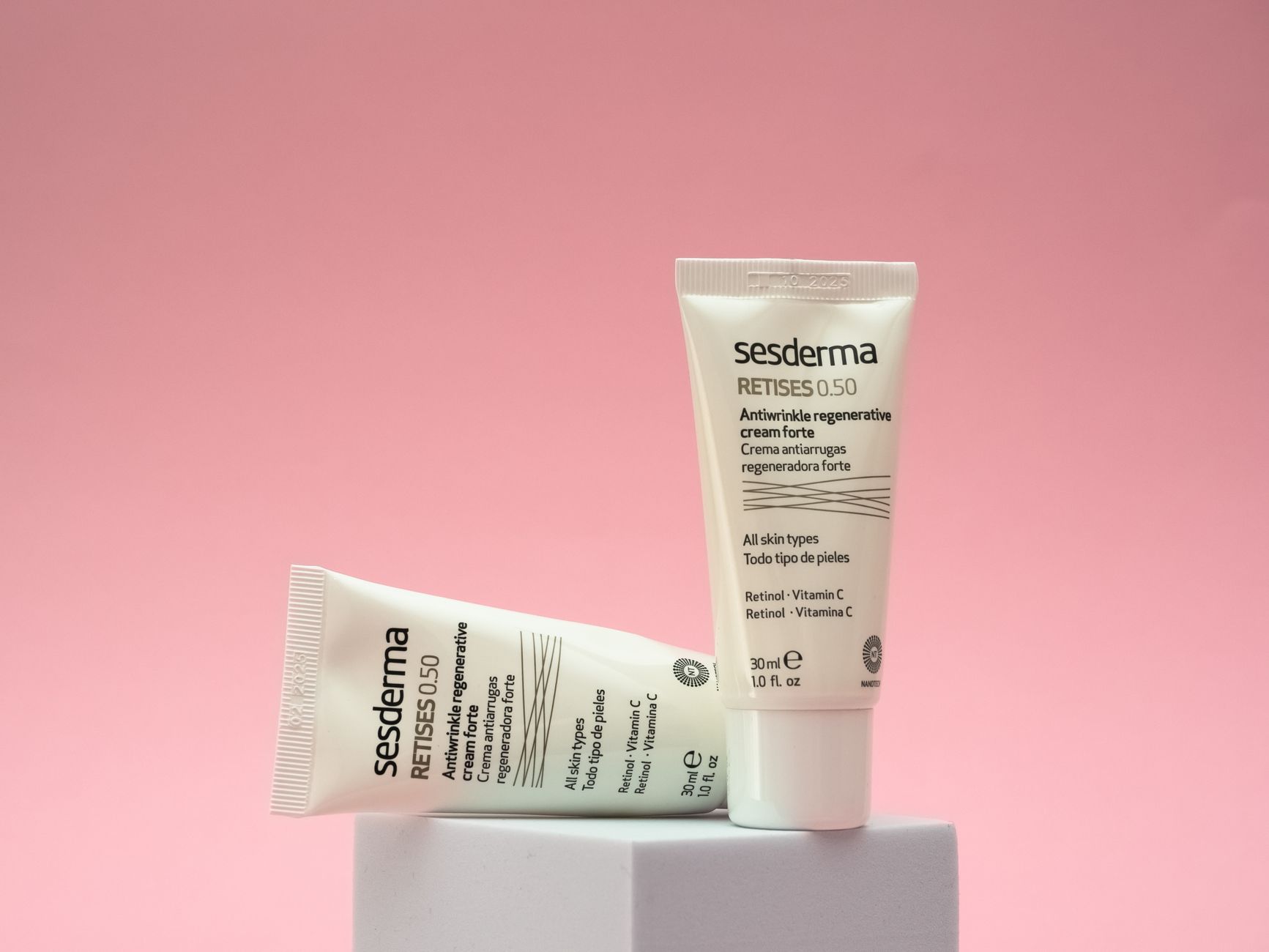
Anti-Aging Skincare Routine in Your 30s: A Science-Backed Guide
Build an effective anti aging skincare routine 30s with proven ingredients, step-by-step routines, and expert tips to reduce fine lines and keep skin glowing.
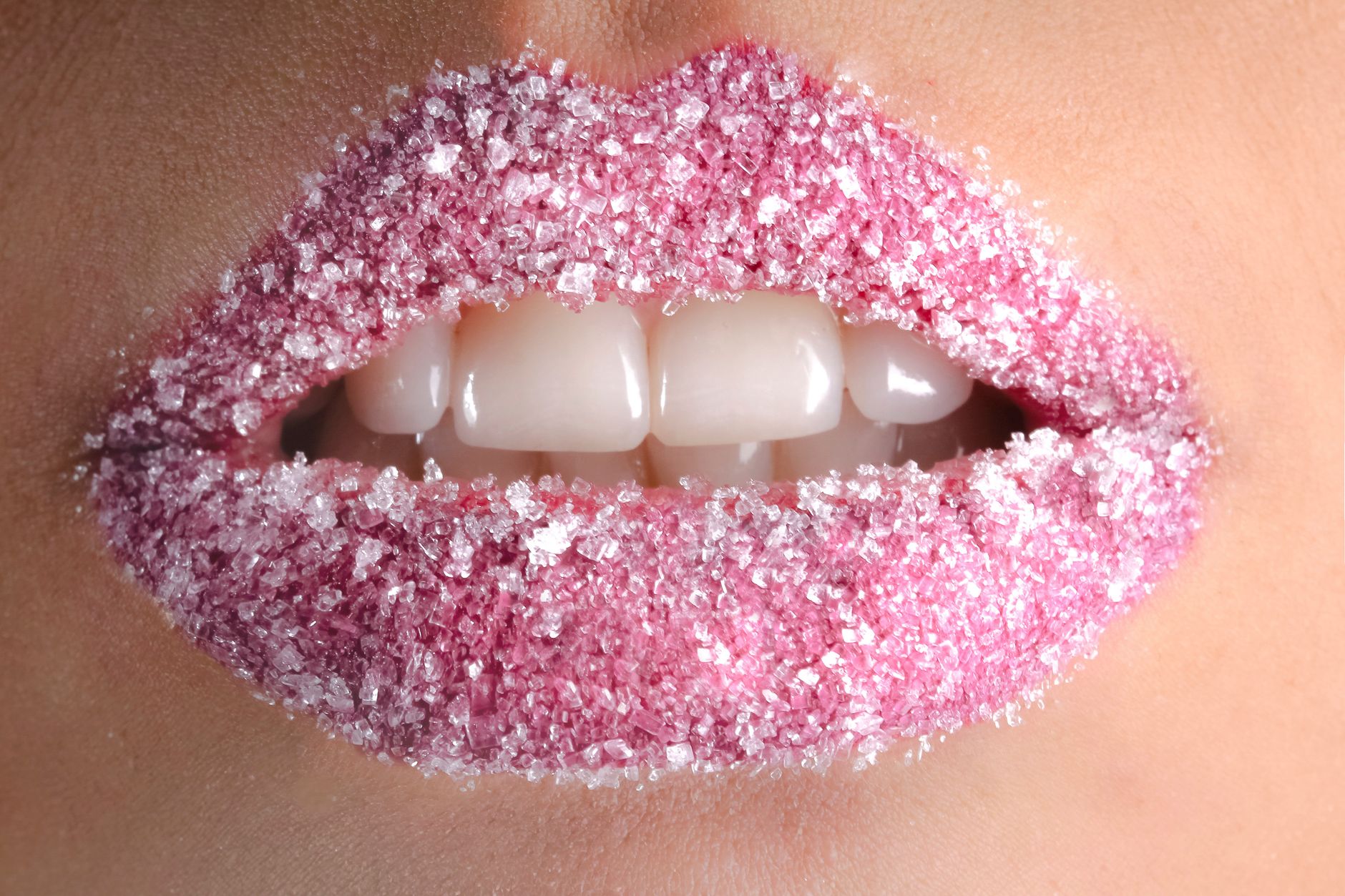
How Sugar Affects Your Skin and Hair
Discover how sugar affects skin and hair through glycation, inflammation, and insulin spikes. Learn science-backed ways to cut back and protect your glow.
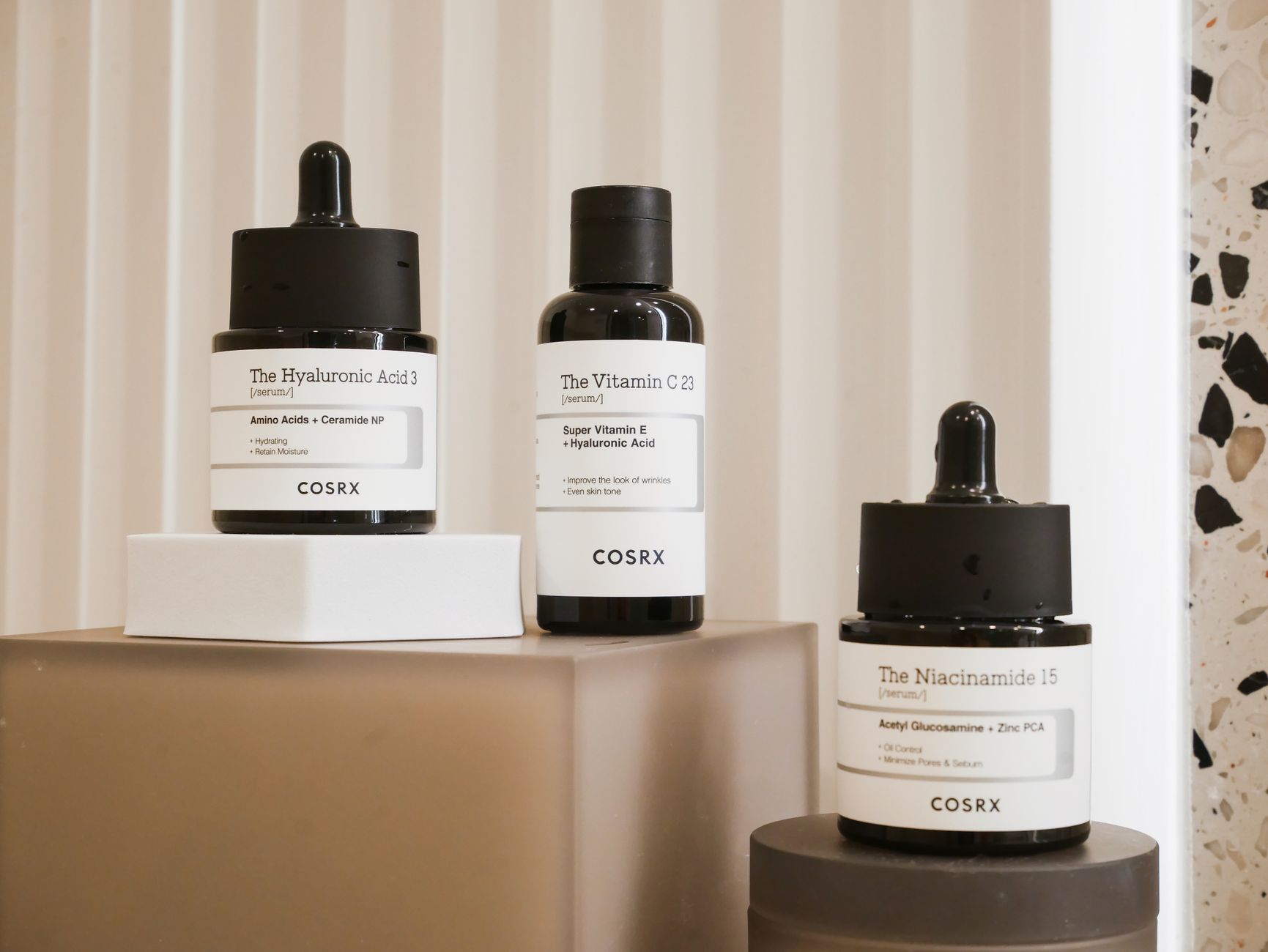
Vitamin C and Niacinamide: Can You Really Not Use Them Together?
Can you use vitamin C and niacinamide together? Learn what the science says about this popular skincare myth and how to layer them correctly.