 Funky Millions
How Sugar Affects Your Skin and Hair
Discover how sugar affects skin and hair through glycation, inflammation, and insulin spikes. Learn science-backed ways to cut back and protect your glow.
Quick summary
Key Takeaways
- Sugar harms skin and hair mainly through three mechanisms: insulin spikes, glycation (AGE formation), and chronic inflammation. Controlling these pathways is the goal of any low-sugar beauty plan.
- Sugar can worsen acne, accelerate wrinkles, dull your complexion, dehydrate skin, and trigger puffiness. Reducing added sugar supports every goal from clear skin to anti-aging.
- Sugar contributes to hair thinning, dandruff, brittleness, and slower growth by altering hormones, increasing scalp inflammation, and damaging hair proteins.
- A 7-day reset works best when you remove liquid sugar, balance every meal with protein and fiber, and replace refined snacks with whole foods that support collagen and keratin.
- Avoid extremes, read labels, and remember that refined carbohydrates act like sugar in your body. Consistency beats perfection.
- Combine a low-sugar diet with barrier-repairing skincare and follicle-supporting hair ingredients for the fastest, most visible results.
If you have a persistent breakout, dull skin, or hair that seems to shed more than usual, your sweet tooth may be part of the story. Research shows that sugar affects skin and hair in ways that go far beyond calories. Every sugary drink, pastry, or refined-carb meal can trigger a chain reaction inside your body that shows up on your face and scalp.
The good news? You do not need to live without dessert forever. Small, consistent changes to how you eat can calm inflammation, slow glycation, and support the clear skin and strong hair you want. In this article, you will learn the science behind sugar’s impact, the visible signs to watch for, and a practical 7-day reset to help you feel and look better.
What Happens When You Eat Too Much Sugar?
Sugar is not just an empty calorie. When you eat more added sugar and refined carbohydrates than your body can use quickly, several biological processes kick in.
Blood Sugar Spikes and Insulin
Simple sugars and refined carbs digest rapidly, causing blood glucose to rise. Your pancreas releases insulin to move that glucose into cells. Repeated spikes can lead to insulin resistance over time, a condition linked to acne, unwanted hair growth in some areas, and hair thinning in others.
Glycation and AGEs
High blood sugar allows sugar molecules to attach to proteins and fats in a process called glycation. This forms advanced glycation end products (AGEs). Collagen and elastin-two proteins that keep skin firm and smooth-are especially vulnerable. Once glycated, collagen becomes stiff, brittle, and more prone to breaking down.
Inflammation and Oxidative Stress
Excess sugar also promotes low-grade inflammation and oxidative stress. Inflammatory cytokines rise, blood vessels may function less efficiently, and the skin’s barrier can weaken. This makes breakouts, redness, and sensitivity more likely.
How Sugar Affects Your Skin
The connection between diet and skin is stronger than many people realize. Here is how a high-sugar eating pattern can show up on your face.
Acne and Breakouts
Foods with a high glycemic load raise insulin and insulin-like growth factor 1 (IGF-1). These hormones stimulate oil glands and increase androgen activity, which can clog pores and trigger acne. If you are working toward a clear, balanced complexion, lowering sugar is one of the most effective first steps.
Premature Aging and Wrinkles
AGEs accumulate in the dermis, cross-linking collagen and elastin fibers. The result is skin that looks less plump, more lined, and less able to bounce back. This process begins in your twenties and accelerates with sun exposure and smoking.
Dull, Yellowish Tone
Glycated collagen can give skin a sallow or dull appearance. At the same time, inflammation and poor microcirculation reduce the healthy pink glow associated with youthful skin. For a natural glow, cutting back on sugar often works faster than topical products alone.
Dehydration and Sensitivity
High-sugar diets may increase transepidermal water loss, leaving skin dry and less resilient. A weakened barrier also means irritants and allergens penetrate more easily, which can worsen redness and reactivity.
Puffiness and Fluid Retention
Rapid blood sugar swings can affect fluid balance. Many people notice puffy eyelids or a swollen face after a day of heavy sweets and refined carbs.
How Sugar Affects Your Hair
Your hair follicles are highly sensitive to hormones, blood flow, and inflammation. Because of that, sugar affects hair growth and quality more directly than most people expect.
Thinning and Increased Shedding
Insulin resistance and high androgen levels are linked to pattern hair thinning in women and men. When insulin stays elevated, the body may produce more dihydrotestosterone (DHT), a hormone that miniaturizes hair follicles. If you are concerned about thinning, our guide on causes of hair loss in women explains the hormonal connections in more detail.
Scalp Inflammation and Dandruff
A sugary diet can increase sebum production and scalp inflammation. That creates an environment where yeast like Malassezia thrive, which may worsen dandruff and seborrheic dermatitis. Many readers find that reducing sugar helps their dandruff clear more naturally.
Dry, Brittle Strands
Glycation does not stop at your skin. It can affect the proteins in your hair shaft and the blood vessels that feed your follicles. The result is hair that feels dry, breaks easily, and grows more slowly. Pair a low-sugar diet with the habits in our how to grow your hair faster article for best results.
Delayed Growth Cycles
Chronic inflammation and nutrient depletion from a high-sugar diet can push more follicles into the resting (telogen) phase at once. This leads to a noticeable increase in shedding a few months after a period of poor eating.
Sugar and Your Skin/Hair: A Quick Comparison
| Diet Pattern | Typical Blood Sugar Effect | Common Skin Impact | Common Hair Impact |
|---|---|---|---|
| High added sugar, refined carbs | Frequent spikes and crashes | More breakouts, dull tone, faster wrinkles | Increased shedding, oily scalp, brittle strands |
| Moderate sugar, whole-food carbs | Steadier glucose levels | Fewer flare-ups, more even tone | Normal growth cycle, stronger strands |
| Low added sugar, low-glycemic foods | Minimal spikes | Clearer, firmer, more hydrated skin | Healthier scalp, reduced shedding |
Use this table as a quick reference when deciding whether a meal or snack is likely to help or hurt your beauty goals.
7-Day Low-Sugar Reset for Clearer Skin and Stronger Hair
This reset is not a crash diet. It is a structured way to lower added sugar, stabilize blood sugar, and give your skin and hair a break from glycation and inflammation.
Day 1: Audit Your Pantry
Read every label in your kitchen. Look for added sugar under names like sucrose, high-fructose corn syrup, cane juice, maltose, dextrose, and anything ending in “-ose.” Toss or donate the biggest offenders: sugary cereals, soda, candy, sweetened yogurt, and flavored coffee creamers.
Day 2: Hydrate First
Start each morning with a large glass of water. Dehydration makes sugar cravings worse and reduces skin plumpness. Aim for at least 8 cups of water spread throughout the day.
Day 3: Build a Balanced Plate
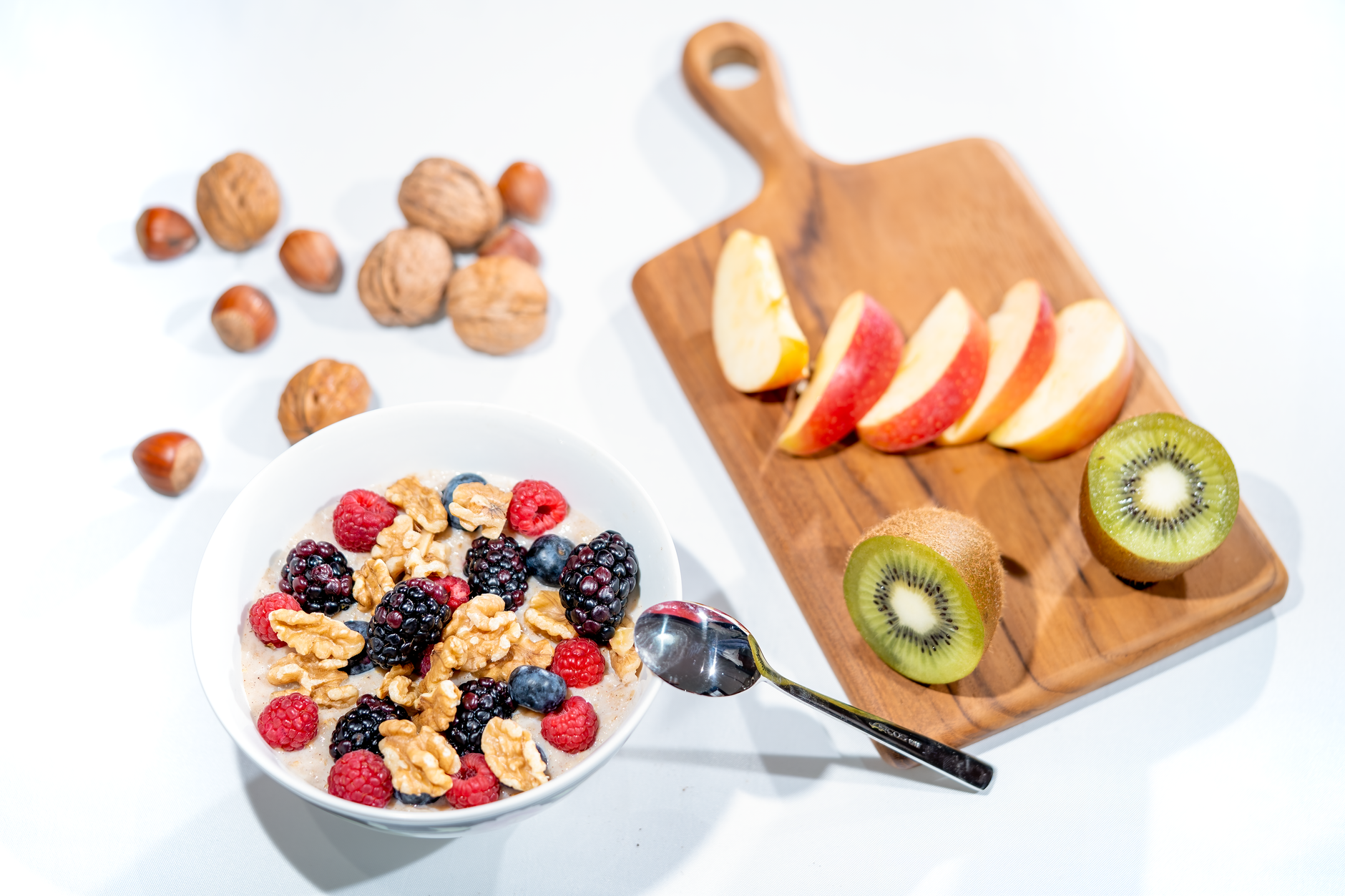
At every meal, combine protein, healthy fat, and fiber with any carbohydrates. For example, pair oatmeal with walnuts and berries, or rice with salmon and broccoli. This slows glucose absorption and keeps insulin steadier.
Day 4: Ditch Liquid Sugar
Replace soda, sweetened teas, energy drinks, and fruit juice with water, sparkling water, unsweetened tea, or black coffee. Liquid sugar spikes blood glucose faster than almost any food.
Day 5: Plan a Smart Treat
Complete deprivation usually backfires. Choose one small treat you truly enjoy, eat it mindfully after a balanced meal, and skip the guilt. A square of dark chocolate or a small serving of berries with yogurt works well.
Day 6: Add Collagen-Supporting Foods
Include foods rich in vitamin C, zinc, copper, and amino acids. Good options are citrus fruits, bell peppers, pumpkin seeds, eggs, fish, and legumes. These nutrients help your body rebuild collagen and keratin.
Day 7: Track Your Skin and Hair
Take photos of your skin and note how your scalp and hair feel. Many people see less puffiness, fewer breakouts, and less oil within one to two weeks. Hair changes take longer-usually two to three months-so be patient.
Common Mistakes to Avoid
Even with the best intentions, it is easy to stumble. Watch out for these pitfalls.
- Going cold turkey. Cutting out every gram of sugar can cause headaches, irritability, and intense cravings. Gradual reduction is more sustainable.
- Ignoring hidden sugars. Sauces, salad dressings, bread, and “healthy” snack bars often contain surprising amounts of added sugar.
- Relying on artificial sweeteners. Some sugar substitutes can still affect gut bacteria and insulin response. Use them sparingly.
- Drinking fruit juice instead of soda. Juice lacks fiber and can spike blood sugar almost as quickly as soft drinks.
- Skipping meals. Long gaps between meals can trigger blood sugar crashes and sugar cravings later.
- Focusing only on desserts. White bread, white rice, and refined pasta break down into sugar quickly too.
- Expecting overnight results. Skin may improve in days, but hair growth cycles require several weeks to show real change.
Smart Swaps and Product/Ingredient Recommendations
Reducing sugar does not mean bland meals. Here are easy swaps and science-backed ingredients to support your skin and hair.
Kitchen Swaps
| Instead Of | Try This | Why It Helps |
|---|---|---|
| White sugar in coffee | Cinnamon or a splash of vanilla extract | Adds flavor without glucose spikes |
| Sugary cereal | Plain Greek yogurt with chia seeds and berries | Higher protein and fiber |
| Soda | Sparkling water with lemon or lime | No added sugar, better hydration |
| Candy | A small handful of almonds and dark chocolate | Healthy fats and magnesium |
| White bread | Sprouted-grain or sourdough bread | Lower glycemic impact |
Skin-Supporting Ingredients
- Niacinamide: Helps regulate oil production, strengthen the barrier, and calm redness.
- Vitamin C: An antioxidant that supports collagen synthesis and brightens tone.
- Retinoids: Boost cell turnover and collagen production, helping offset sugar-related aging.
- Hyaluronic acid: Draws moisture into the skin to counter dehydration.
- Peptides: Signal the skin to produce more collagen and elastin.
Hair-Supporting Ingredients
- Biotin and B vitamins: Support keratin infrastructure.
- Caffeine: May stimulate hair follicles when applied to the scalp.
- Zinc: Important for hair growth and scalp health.
- Omega-3 fatty acids: Reduce inflammation and support healthy sebum.
Recommended External Resources
For more authoritative information on sugar, inflammation, and skin health, visit:
- Cleveland Clinic: How Sugar Affects Your Skin
- American Academy of Dermatology: Can the Right Diet Get Rid of Acne?
Once your reset ends, use these habits to keep sugar from sabotaging your skin and hair.
- Follow the 80/20 rule. Eat low-sugar, whole foods 80 percent of the time and leave 20 percent for flexibility.
- Pair carbs with protein or fat. This simple habit blunts glucose spikes and keeps insulin lower.
- Choose low-glycemic carbs. Swap white rice for quinoa, white bread for sprouted grain, and instant oats for steel-cut oats.
- Prioritize sleep. Poor sleep raises cortisol and sugar cravings. Aim for 7 to 9 hours each night.
- Manage stress. High cortisol drives sugar cravings and inflammation. Try walking, yoga, journaling, or deep breathing.
- Move your body. A post-meal walk helps muscles absorb glucose and reduces blood sugar spikes.
- Support your skin barrier. Use a gentle cleanser, moisturizer, and daily sunscreen. If breakouts are an issue, ingredients like salicylic acid can help; our article on salicylic acid acne treatment covers how to use it safely.
- Nourish your hair. For damage repair, see our guide on how to repair damaged hair for routines that complement a low-sugar diet.
Conclusion
Understanding how sugar affects skin and hair gives you a powerful tool for improving your appearance from the inside out. You do not need to eliminate every sweet thing forever. Focus on reducing added sugars, balancing your meals, and staying consistent. Your skin and hair will thank you over time.
If you found this article helpful, share it with a friend who is trying to eat better for their beauty goals. Then explore more of our guides, such as simple beauty remedies at home and 10 beauty tips for women, to keep your routine simple and effective.
Tags: sugar and skin, sugar and hair, glycation, acne diet, anti-aging diet, hair shedding, low-glycemic diet, skin inflammation, healthy hair, clear skin
Category: General Information
Frequently Asked Questions
Last updated
This article is for informational purposes only and does not constitute medical advice. Consult a licensed dermatologist or healthcare provider before starting any new treatment.
Beauty & Hair Care Editor
Ilma is a beauty editor who specializes in breaking down cosmetic ingredients, skincare routines, and hair care practices. Her work focuses on evidence-based guidance readers can trust and apply.
Comments (0)
Be the first to comment.
Related Articles

Foods That Cause Premature Aging: What to Avoid
Discover the top foods that cause premature aging, how they damage your skin, and expert-backed swaps to keep your complexion youthful and healthy.
The Hair Growth Cycle Explained: Anagen, Catagen, Telogen
Learn how the hair growth cycle works, including the anagen, catagen, and telogen phases, and what disrupts normal hair growth patterns.
Hair Breakage vs. Shedding: How to Tell the Difference
Hair breakage vs shedding: learn how to identify each one, what causes them, and the different solutions each problem requires.

How to Deal with Frizzy Hair in Humidity: A Complete Guide
Tired of frizzy hair in humidity? Learn proven tips, products, routines, and expert hacks to keep hair smooth, sleek, and manageable on humid days.