 Funky Millions
How to Prevent Razor Bumps and Ingrown Hairs: A Complete Shaving Guide
Learn how to prevent razor bumps and ingrown hairs with proven shaving tips, skin-prep routines, and expert aftercare advice for smoother, clearer skin.
Quick summary
Key Takeaways
- Razor bumps and ingrown hairs are closely related. Both happen when hair cannot exit the skin properly. Prevention focuses on improving hair growth direction, reducing irritation, and keeping pores clear.
- A few simple changes to your shaving routine can improve comfort, appearance, and long-term skin health.
- Soft hair, clean skin, and gentle exfoliation are the foundation of a bump-free shave.
- Shaving with the grain, using light pressure, and keeping your blade sharp are the most important steps to prevent razor bumps and ingrown hairs.
- Cooling, moisturizing, and gentle exfoliation after shaving help hair exit the skin properly.
- Small habits-like using a sharp blade, moisturizing, and wearing loose clothing-make a big difference in preventing razor bumps and ingrown hairs.
- Expert prevention combines the right tools, smart technique, and consistent skin care.
- Look for soothing, alcohol-free, non-comedogenic products and add a gentle chemical exfoliant to your routine.
- Natural remedies can soothe skin, but prevention with proper shaving technique is the best long-term solution.
- Adjust your technique based on the area you are shaving to reduce irritation and ingrown hairs.
Introduction
If you shave, wax, or tweeze, you have probably dealt with angry red bumps, itching, or tiny trapped hairs curling back into your skin. Learning how to prevent razor bumps and ingrown hairs can save you days of discomfort and help your skin look smoother and healthier.
Razor bumps (pseudofolliculitis barbae) and ingrown hairs are two of the most common complaints after hair removal. They are especially common on the face, neck, underarms, bikini line, and legs. The good news? Most cases are preventable with the right technique, tools, and aftercare.
In this guide, you will learn exactly what causes razor bumps and ingrown hairs, why prevention matters, and a step-by-step routine you can use before, during, and after every shave. We will also cover common mistakes, expert tips, product recommendations, and answers to the most frequently asked questions. Whether you shave daily or only on special occasions, these tips will help you protect your skin and get a closer, safer shave.
What Are Razor Bumps and Ingrown Hairs?
Razor Bumps
Razor bumps are small, inflamed bumps that form after shaving. They develop when shaved hairs grow back and curve into the skin instead of rising out of the hair follicle. Your immune system sees the embedded hair as a foreign object, causing redness, swelling, and sometimes pus-filled bumps.
Men most often get razor bumps on the beard area and neck, while women commonly see them on the legs, underarms, and bikini line. People with curly or coarse hair are more prone to razor bumps because the hair naturally curls back toward the skin.
Ingrown Hairs
An ingrown hair happens when a hair that has been cut, shaved, tweezed, or waxed grows sideways or downward back into the skin. This causes a raised bump that may look like a pimple and can be painful or itchy. Sometimes you can see the dark hair trapped beneath the surface.
Ingrown hairs can happen anywhere hair grows, but they are most common in areas where the hair is coarse or where friction from clothing occurs, such as the bikini area, thighs, and beard.
The Key Difference
| Feature | Razor Bumps | Ingrown Hairs |
|---|---|---|
| Cause | Hair re-enters the skin after shaving | Hair grows sideways or back into skin |
| Timing | Usually appears within 1–3 days after shaving | Can appear after shaving, waxing, or tweezing |
| Appearance | Cluster of red, inflamed bumps | Single raised bump with a visible trapped hair |
| Common Areas | Beard, neck, bikini line | Bikini line, legs, underarms, beard |
Why It Matters: Benefits of Preventing Razor Bumps and Ingrown Hairs
Preventing razor bumps and ingrown hairs is not just about looks. It is also about skin health, comfort, and confidence.
1. Smoother, More Even Skin
When you prevent irritation, your skin stays smoother. You will not have to deal with red dots, rough patches, or dark marks caused by repeated inflammation.
2. Less Pain and Itching
Razor bumps and ingrown hairs can be itchy, tender, and even painful. A good prevention routine reduces friction and inflammation so shaving feels comfortable.
3. Lower Risk of Infection
Picking at bumps or using dirty razors can introduce bacteria, leading to infections or even permanent scarring. Prevention protects your skin barrier.
4. Fewer Dark Spots and Scars
Repeated razor bumps can leave behind post-inflammatory hyperpigmentation, especially on darker skin tones. Preventing bumps means fewer dark marks over time.
5. Better Shaving Results
When your skin is healthy and prepared, you get a closer, cleaner shave with less pulling and tugging.
What Causes Razor Bumps and Ingrown Hairs?
Understanding the cause helps you avoid the problem. Here are the most common triggers:
- Shaving too closely: Cutting hair below the skin surface makes it easier for the hair to grow sideways.
- Pulling skin while shaving: Stretching the skin can make hair retract below the surface after the blade passes.
- Using dull razors: A dull blade tugs hair and causes micro-tears, leading to inflammation.
- Shaving against the grain: Going against hair growth increases the chance of hair curling back into the skin.
- Curly or coarse hair: Naturally curly hair is more likely to bend back into the follicle.
- Lack of exfoliation: Dead skin cells can block the hair from reaching the surface.
- Dry shaving: Shaving without water or lubricant increases friction and irritation.
- Tight clothing: Friction from tight clothes can push hairs back into the skin, especially after bikini or leg shaving.
Step-by-Step Routine to Prevent Razor Bumps and Ingrown Hairs
Before You Shave
1. Soften Hair and Open Pores
Always shave after a warm shower or apply a warm, damp towel to the area for 2–3 minutes. Warm water softens the hair and opens the pores, making shaving easier and less irritating.
2. Cleanse the Skin
Use a gentle, fragrance-free cleanser to remove oil, sweat, and bacteria. Clean skin reduces the chance of infection and helps the razor glide smoothly.
3. Exfoliate Gently
Use a mild chemical exfoliant or a soft washcloth 24–48 hours before shaving. Exfoliation removes dead skin cells that can trap hairs. Avoid harsh scrubs right before shaving, which can cause micro-tears.
During Your Shave
4. Use a Quality Shaving Cream or Gel
Apply a generous layer of shaving cream or gel. Look for products with soothing ingredients like aloe vera, glycerin, or shea butter. Do not use bar soap, which dries out skin and increases friction.
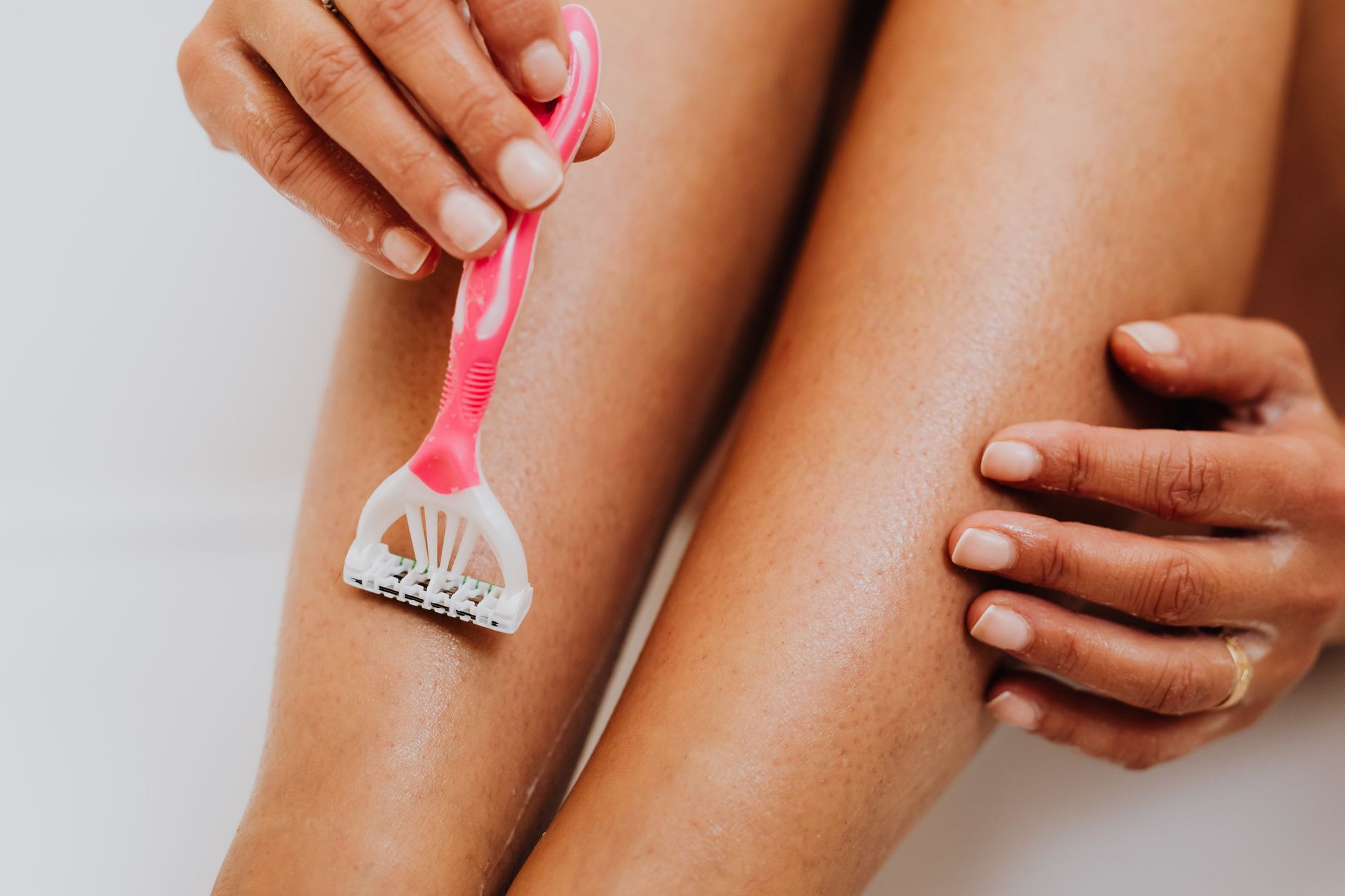
5. Shave in the Direction of Hair Growth
Shave with the grain, not against it. This reduces how closely the hair is cut and lowers the risk of it growing back into the skin. If you need a closer shave, reapply shaving cream and do a second pass across the grain, not against it.
6. Use Light Pressure and Short Strokes
Let the razor do the work. Pressing too hard irritates the skin and increases the chance of cuts and bumps. Use short, controlled strokes and rinse the blade often.
7. Do Not Pull or Stretch the Skin
Avoid stretching the skin tight while shaving. When you release the skin, the hair can snap back below the surface and become ingrown.
8. Change Blades Regularly
Use a sharp, clean blade. A dull blade drags and causes irritation. Replace disposable razors after 5–10 uses, or sooner if you notice tugging.
After You Shave
9. Rinse with Cool Water
After shaving, splash the area with cool water. This helps close the pores and soothe the skin.
10. Pat Dry-Do Not Rub
Use a clean towel and gently pat the skin dry. Rubbing can irritate freshly shaved skin.
11. Apply a Soothing Aftershave or Moisturizer
Use an alcohol-free aftershave, lightweight moisturizer, or aloe vera gel. Look for ingredients like:
- Aloe vera
- Chamomile
- Witch hazel (alcohol-free)
- Hyaluronic acid
- Glycerin
Avoid products with alcohol or heavy fragrances, which can sting and dry out the skin.
12. Exfoliate Regularly Between Shaves
Exfoliate 2–3 times per week between shaves to keep dead skin cells from blocking hair growth. A gentle chemical exfoliant with salicylic acid or glycolic acid works well.
13. Wear Loose Clothing
After shaving your legs, bikini area, or underarms, wear loose, breathable clothing for at least a few hours. Tight clothes cause friction and trap heat, which can trigger ingrown hairs.
Common Mistakes to Avoid
Even with good intentions, many people make shaving mistakes that lead to bumps and ingrown hairs. Here is what to avoid:
1. Dry Shaving
Shaving without water or lubricant causes major irritation. Always use a shaving cream, gel, or conditioner.
2. Shaving Against the Grain
Going against hair growth may give a closer shave, but it greatly increases irritation and ingrown hair risk.
3. Using a Dull Razor
A dull blade does not cut cleanly. It pulls hair and damages the skin. Replace blades regularly.
4. Pressing Too Hard
More pressure does not mean a closer shave. It causes razor burn, cuts, and inflammation.
5. Skipping Moisturizer
Dry skin is more likely to trap hairs. Always moisturize after shaving.
6. Picking at Bumps
Picking or squeezing ingrown hairs can cause infection and scarring. Let them heal or see a dermatologist.
7. Wearing Tight Clothes Right After Shaving
Tight jeans, leggings, or synthetic fabrics can push hairs back into the skin.
8. Sharing Razors
Sharing razors spreads bacteria and increases infection risk. Always use your own clean razor.
Product and Ingredient Recommendations
Choosing the right products can help you prevent razor bumps and ingrown hairs. Look for these ingredients and product types:
Soothing Ingredients
- Aloe vera: Calms redness and hydrates skin.
- Tea tree oil: Has natural antibacterial properties.
- Chamomile: Reduces inflammation.
- Allantoin: Soothes irritated skin.
Exfoliating Ingredients
- Salicylic acid: A beta hydroxy acid (BHA) that clears pores and removes dead skin cells.
- Glycolic acid: An alpha hydroxy acid (AHA) that promotes cell turnover.
- Lactic acid: A gentle AHA suitable for sensitive skin.
Product Types to Use
- Gentle, fragrance-free cleanser
- Hydrating shaving cream or gel
- Alcohol-free aftershave balm
- Lightweight, non-comedogenic moisturizer
- Chemical exfoliant (2–3 times per week)
Product Types to Avoid
- Alcohol-heavy aftershaves
- Heavy, pore-clogging lotions
- Harsh physical scrubs used right before shaving
- Fragranced products if you have sensitive skin
If you are building a complete skin routine, our guide to how to make your skin glow offers helpful tips on choosing products for healthy, radiant skin.
Home Remedies and Natural Options
If you prefer natural solutions, these home remedies can help soothe skin and prevent razor bumps:
Aloe Vera Gel
Pure aloe vera gel calms inflammation and hydrates freshly shaved skin. Apply a thin layer after shaving.
Warm Compress
A warm compress softens the skin and can help trapped hairs rise to the surface. Use it before shaving or on early ingrown hairs.
Tea Tree Oil
Diluted tea tree oil has antibacterial properties. Apply sparingly to affected areas to reduce infection risk.
Oatmeal Paste
Colloidal oatmeal can soothe itchy, irritated skin. Mix with water to create a gentle paste.
Honey
Raw honey has natural antibacterial and healing properties. Apply a small amount to irritated areas.
Razor Bump Prevention by Body Area
Different areas need slightly different care. Here is how to prevent razor bumps and ingrown hairs on the most common zones:
Face and Neck
- Soften beard hair with warm water.
- Shave with the grain using a sharp blade.
- Avoid pulling the skin tight.
- Use an alcohol-free aftershave balm.
Underarms
- Exfoliate gently before shaving.
- Shave in the direction hair grows.
- Avoid deodorant immediately after shaving.
- Wear breathable fabrics.
Bikini Area
- Trim hair before shaving if it is long.
- Use a bikini-specific razor or trimmer.
- Shave with the grain.
- Wear loose cotton underwear after shaving.
Legs
- Shave at the end of a warm shower.
- Use a moisturizing shaving cream.
- Shave from ankle to knee, following hair growth.
- Moisturize immediately after drying.
When to See a Dermatologist
Most razor bumps and ingrown hairs improve with home care. However, you should see a dermatologist if:
- Bumps become very painful, swollen, or filled with pus.
- You notice signs of infection, such as spreading redness or warmth.
- Ingrown hairs keep returning despite good prevention habits.
- You develop dark marks or scars.
- You have severe razor bumps that affect your daily life.
A dermatologist may recommend prescription treatments, laser hair removal, or other medical options.
These dermatologist-backed tips can take your shaving routine to the next level:
Tip 1: Consider Chemical Exfoliants
Products with salicylic acid or glycolic acid help dissolve dead skin cells and keep pores clear. This is especially helpful for people prone to ingrown hairs. You can learn more about the benefits of exfoliating acids in our guide to salicylic acid acne treatment.
Tip 2: Try a Safety Razor or Electric Trimmer
Safety razors with a single blade cut hair at the surface, reducing the chance of hair retracting below the skin. Electric trimmers that leave hair slightly longer can also reduce ingrown hairs.
Tip 3: Shave Less Often
If possible, give your skin breaks between shaves. Shaving every day increases irritation. Try shaving every other day or using longer hair-removal intervals.
Tip 4: Use a Pre-Shave Oil
A pre-shave oil adds a protective layer between your skin and the razor. It helps the blade glide smoothly and reduces friction.
Tip 5: Treat Bumps Early
If you notice a bump forming, apply a warm compress and a mild exfoliant. Do not pick at it. If it does not improve in a few days, consult a dermatologist.
Tip 6: Choose the Right Razor Type
Razor Type Best For Ingrown Hair Risk Single-blade safety razor Curly/coarse hair, sensitive skin Lower Multi-blade cartridge Quick, close shave Higher Electric foil shaver Daily use, sensitive areas Moderate Electric trimmer Longer hair, avoiding close cuts Lower Tip 7: Stay Consistent With Skincare
Healthy skin is less likely to develop bumps and ingrown hairs. Build a simple skincare routine that includes cleansing, moisturizing, and sun protection. For more advice, check out our article on how to get clear skin.
Tip 8: Do Not Forget Sunscreen
Freshly shaved skin is more sensitive to the sun. Apply a broad-spectrum SPF 30 or higher to prevent dark spots and irritation.
Conclusion
Knowing how to prevent razor bumps and ingrown hairs comes down to preparation, technique, and aftercare. Start by softening your hair and exfoliating gently. Use a sharp razor, shave with the grain, and never skip the moisturizer. Between shaves, keep skin hydrated and exfoliated, and wear breathable clothing to reduce friction.
If you still struggle with bumps or ingrown hairs after improving your routine, a dermatologist can help with stronger treatments or long-term hair-removal options. For more beauty and skincare advice, explore our guides on beauty tips without makeup and 10 beauty tips for women.
If you found this guide helpful, share it with a friend, and let us know your favorite shaving tip in the comments!
Frequently Asked Questions
References
Last updated
This article is for informational purposes only and does not constitute medical advice. Consult a licensed dermatologist or healthcare provider before starting any new treatment.
Beauty & Hair Care Editor
Ilma is a beauty editor who specializes in breaking down cosmetic ingredients, skincare routines, and hair care practices. Her work focuses on evidence-based guidance readers can trust and apply.
Comments (0)
Be the first to comment.
Related Articles

Dry Brushing Benefits Skin: A Complete Beginner’s Guide
Discover the dry brushing benefits skin experts talk about: gentle exfoliation, improved circulation, lymphatic support, and smoother texture. Learn how to do it safely.
Vitamin C and Niacinamide: Can You Really Not Use Them Together?
Can you use vitamin C and niacinamide together? Learn what the science says about this popular skincare myth and how to layer them correctly.

Skincare Ingredients You Should Never Mix Together
Learn which skincare ingredient combinations to avoid, why they conflict, and how to layer active ingredients safely instead.

Skin Cycling vs. Skin Stacking: Which Method Fits Your Skin?
Skin cycling vs skin stacking: compare these two popular active ingredient routines and learn which approach suits your skin type and goals.