 Funky Millions
Dry Brushing Benefits Skin: A Complete Beginner’s Guide
Discover the dry brushing benefits skin experts talk about: gentle exfoliation, improved circulation, lymphatic support, and smoother texture. Learn how to do it safely.
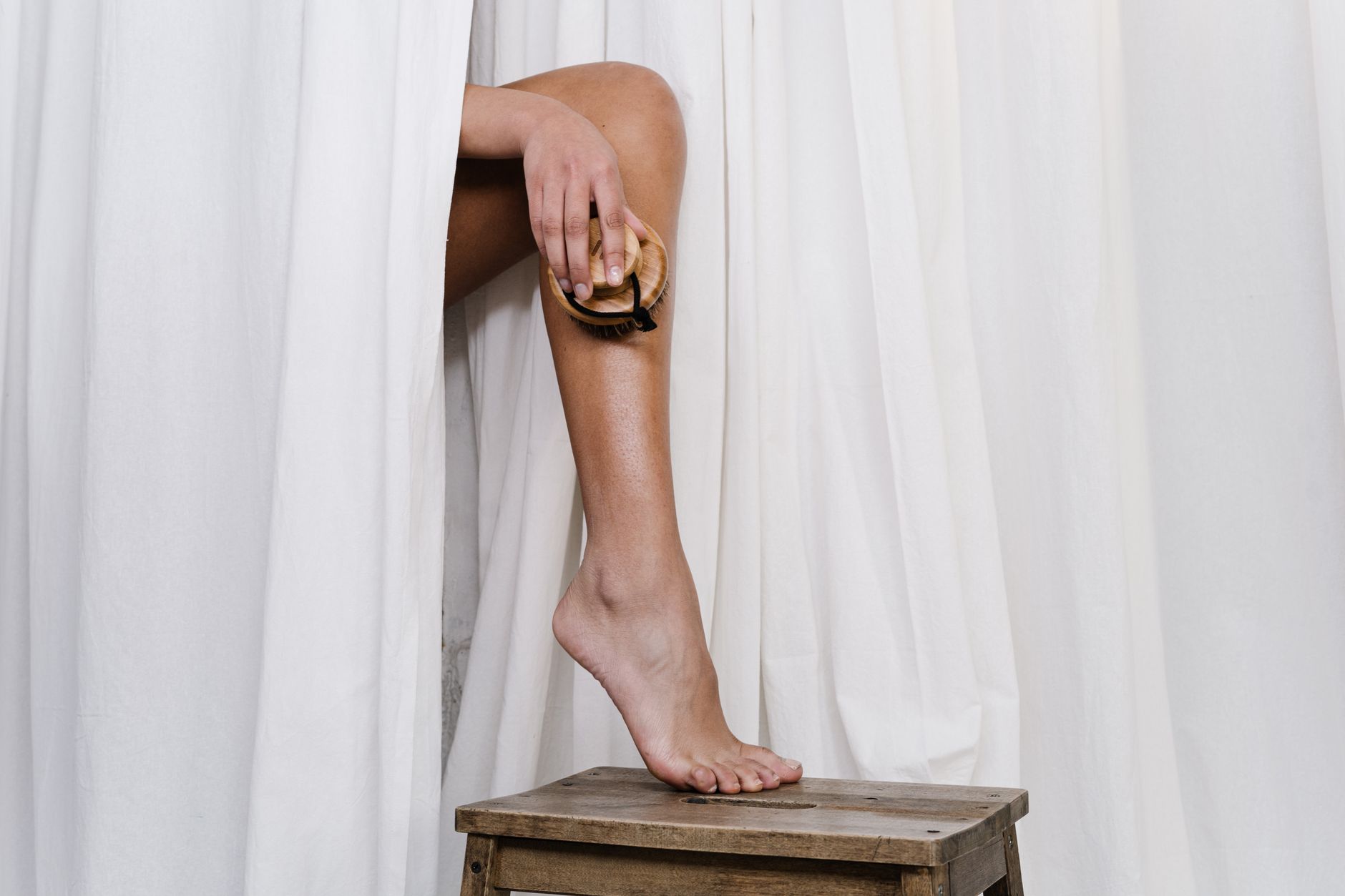
Quick summary
Key Takeaways
- Dry brushing is a pre-shower exfoliation ritual that uses a dry, natural-bristle brush to sweep dead cells from the skin’s surface.
- Dry brushing works by physically exfoliating dead skin, increasing surface blood flow, and encouraging lymph movement toward the heart.
- Brush dry skin in long, upward strokes toward the heart, then shower and moisturize to protect the freshly exfoliated barrier.
If you’re looking for a simple, low-cost way to upgrade your body-care routine, dry brushing is worth a closer look. The practice of sweeping a firm, natural-bristle brush across bare skin has gained popularity on social media and in spas, but it is far from a modern fad. Dry brushing benefits skin by physically lifting away dead cells, stimulating blood flow, and encouraging lymphatic movement before you even step into the shower.
In this guide, you’ll learn exactly what dry brushing is, how it works, what it can realistically do for your skin, and how to do it without irritation. We’ll also cover the most common mistakes, expert tips for getting the best results, and answers to the questions people ask most often.
Whether you want smoother legs, a brighter-looking chest and arms, or just a few minutes of mindful self-care, this article will help you build a dry brushing habit that fits your routine.
What Is Dry Brushing?
Dry brushing is a manual exfoliation technique. You use a dry brush with stiff but flexible bristles to gently stroke your bare, dry skin. The goal is to remove dead skin cells from the surface, increase local circulation, and support the movement of lymph fluid beneath the skin.
Most people dry brush before bathing because the removed dead skin is rinsed away in the shower, and moisturizer can be applied afterward to lock in hydration.
The tools are simple: a brush with a long handle for reaching the back and feet, or a smaller handheld brush for arms, legs, and the abdomen. Brushes with natural plant-based bristles, such as cactus or sisal, are the most common choice because they are firm enough to exfoliate without feeling scratchy when used correctly.
Why Dry Brushing Benefits Skin
The benefits of dry brushing are mostly mechanical. Unlike chemical exfoliants that dissolve the bonds between dead skin cells, dry brushing physically buffs them away. Here are the most well-supported ways dry brushing benefits skin.
1. Gentle Exfoliation
The most immediate and noticeable effect of dry brushing is smoother skin. The bristles lift and sweep away the top layer of dead skin cells, which can make arms, legs, and the torso feel softer and look brighter. Regular exfoliation also helps body lotions and oils absorb more effectively because they no longer sit on a layer of rough, dry cells.
If you are working toward how to make your skin glow, pairing dry brushing with a good moisturizer can support that goal.
2. Improved Circulation
The repetitive strokes of dry brushing create friction against the skin. That friction causes small blood vessels near the surface to dilate temporarily, which can give skin a healthy-looking flush and a warm sensation. Better local circulation may also help deliver oxygen and nutrients to skin tissue.
3. Lymphatic Support
The lymphatic system relies on muscle movement and manual pressure to move lymph fluid through vessels and nodes. Many dry brushing routines follow the direction of lymph flow, starting at the extremities and moving toward the heart. This may help encourage lymphatic drainage, although the scientific evidence specific to dry brushing is limited.
4. Smoother-Looking Skin Texture
People who dry brush regularly often report that rough patches, such as those on elbows, knees, and heels, feel softer. Keratosis pilaris, the tiny bumps that commonly appear on the backs of arms, may also appear less noticeable over time because the bristles help keep follicles clear of dead skin buildup.
If body bumps are a concern, you may also want to read about salicylic acid acne treatment for a chemical-exfoliation approach.
5. Temporary Cellulite Smoothing
Dry brushing will not remove cellulite or break up fat deposits. However, the increased blood flow and temporary plumping of the skin can make cellulite dimples look less pronounced for a short period. This is a cosmetic, short-lived effect, not a structural change.
6. Stress Relief and Mindful Routine
Beyond the physical effects, dry brushing can function as a calming ritual. The repetitive motions, the focus on the body, and the brief pause before the shower can reduce stress and set a mindful tone for the day. Many people find that the practice becomes a short form of self-care rather than just another skincare step.
How Dry Brushing Works: The Mechanisms
Understanding the mechanisms behind dry brushing helps set realistic expectations. The three main actions are exfoliation, vasodilation, and lymphatic stimulation.
Physical Exfoliation
The outermost layer of the skin, the stratum corneum, is made up of dead cells that shed naturally. As you age or during colder months, this shedding process slows down, leading to a rough, dull surface. Dry brushing accelerates this natural turnover by mechanically removing some of those dead cells.
Vasodilation
When bristles glide across the skin, they create mild friction. This signals blood vessels near the surface to widen, increasing local blood flow. The result is temporary warmth and a rosy tone, similar to the effect of a brisk massage.
Lymphatic Stimulation
Lymph vessels sit just below the skin and run toward lymph nodes and the heart. Long, sweeping strokes in the right direction may encourage lymph to move through these vessels. This is why dry brushing routines usually instruct you to brush upward on the legs and arms, and toward the heart on the torso.
How to Dry Brush Your Skin: Step-by-Step
The technique matters more than the tool. Follow these steps to get the benefits without damaging your skin barrier.
What You Need
- A natural-bristle dry brush with a handle or strap
- A clean, dry body
- A moisturizer or body oil for after your shower
Step 1: Start on Dry Skin
Dry brushing is done before showering, on completely dry skin. Wet skin makes the bristles softer and less effective, and water can encourage bacterial growth on the brush if it is stored damp.
Step 2: Begin at Your Feet
Stand or sit comfortably. Start with the soles of your feet and brush in short, upward strokes toward the ankles. Use light to medium pressure. The skin on your feet is thicker, so it can tolerate firmer strokes.
Step 3: Move Up the Legs
Continue long, upward strokes from the ankles toward the knees, and then from the knees toward the hips. Always brush toward the heart to support circulation and lymphatic flow.
Step 4: Brush the Arms
Start at the backs of the hands and brush up the forearms toward the elbows, then from the elbows toward the shoulders. Use lighter pressure on the inner arms where skin is thinner.
Step 5: Handle the Torso and Back
For the stomach and chest, use gentle, circular or sweeping motions toward the heart. Use a long-handled brush to reach the back, moving from the lower back up toward the shoulders.
Step 6: Be Gentle on Sensitive Areas
Avoid the face, neck, chest directly over the heart, breasts, genitals, and any area with broken skin, eczema, psoriasis, or active sunburn. The skin in these areas is too delicate for firm bristles.
Step 7: Shower and Moisturize
After brushing, rinse off the dead skin cells in a lukewarm shower. Pat skin dry and apply a moisturizer or body oil while skin is still slightly damp to seal in hydration.
For more ways to care for your skin at home, see our guide to beauty tips for face at home.
Dry Brushing Routine: Frequency and Timing
Most people benefit from dry brushing two to three times per week. Daily dry brushing is possible if your skin tolerates it, but it is not necessary and can lead to irritation if your skin barrier is sensitive.
Best Time to Dry Brush
The most popular time is in the morning before a shower. The brisk strokes can feel energizing and help wake up the body. However, you can dry brush at night if you prefer a wind-down ritual, as long as you moisturize afterward.
How Long Should It Take?
A full-body dry brushing session should take about three to five minutes. Spending longer does not increase the benefits and may increase the risk of over-exfoliation.
Adjust for Seasons
In winter, when skin tends to be drier and more fragile, reduce frequency to once or twice a week. In summer, you may be able to dry brush more often, but always be cautious after sun exposure.
Common Mistakes to Avoid
Dry brushing is simple, but a few mistakes can turn it from a soothing ritual into a source of irritation.
Using Too Much Pressure
You do not need to scrub hard. The bristles should glide, not scrape. Red, stinging skin after brushing is a sign that you used too much pressure or stayed too long in one area.
Brushing Wet Skin
Wet skin reduces exfoliation and can cause bristles to clump. It also makes it harder to clean and dry the brush properly, which can lead to mildew.
Dry Brushing a Sunburn or Rash
Never dry brush irritated, inflamed, or freshly sunburned skin. Doing so can worsen inflammation, delay healing, and increase the risk of infection.
Sharing Your Brush
Dry brushes collect dead skin cells and oils. Sharing a brush can transfer bacteria. Keep your brush personal and clean it regularly.
Forgetting to Moisturize
Exfoliation removes the protective outer layer of skin. If you skip moisturizer, your skin may feel tighter and drier than before. Apply lotion or oil within a few minutes of showering.
Ignoring Brush Hygiene
A dirty brush can reintroduce bacteria to your skin. Once every week or two, wash the bristles with mild soap and warm water, rinse thoroughly, and let the brush dry completely bristle-side down.
Choosing the Right Dry Brush
Not every dry brush is the same. Here is what to look for when buying one.
Bristle Type
Natural plant fibers are the standard for body dry brushing. Cactus bristles are firm and durable, while sisal bristles are slightly softer. Boar bristles are also common, but vegan alternatives are widely available.
Handle Style
A long handle with a removable strap helps you reach your back and the backs of your legs. A palm-sized brush offers more control for arms, stomach, and chest. Some sets include both.
Firmness Level
Beginners should start with medium-firm bristles. Very stiff brushes may be too aggressive for sensitive skin. You can always upgrade to a firmer brush once your skin adapts.
Sustainability
Look for brushes with sustainably sourced wood handles and replaceable heads. This reduces waste and keeps your tool hygienic over time.
Dry Brushing vs. Other Exfoliation Methods
Dry brushing is not the only way to exfoliate. Here is how it compares to other popular methods.
| Method | Best For | How It Works | Frequency | Notes |
|---|---|---|---|---|
| Dry Brushing | Body, circulation, quick pre-shower prep | Physical friction from bristles | 2–3 times per week | Avoid on sensitive or broken skin |
| Body Scrub | Smoothing elbows, knees, heels | Physical exfoliation with grains or sugar | 1–2 times per week | Often mixed with oil for hydration |
| Chemical Exfoliant (AHA/BHA) | Rough texture, keratosis pilaris, dullness | Dissolves bonds between dead cells | 1–3 times per week | May increase sun sensitivity |
| Exfoliating Glove | Budget-friendly full-body exfoliation | Textured fabric rubs off dead skin | 1–2 times per week | Can be gentler than a stiff brush |
| Dry Exfoliating Towel | Back and hard-to-reach areas | Woven texture buffs skin | 1–2 times per week | Popular in Korean bath routines |
Dry brushing is a good fit if you want a tool-based ritual that also supports circulation and lymphatic flow. For more targeted skin concerns, chemical exfoliation may be more effective.
If dry lips are one of your concerns, our guide on how to get rid of dry lips explains gentle exfoliation for that delicate area.
Who Should Avoid Dry Brushing?
Dry brushing is generally safe for healthy skin, but it is not right for everyone. Avoid or ask a dermatologist first if you have:
- Eczema, psoriasis, or rosacea
- Active acne, rashes, or open wounds
- Varicose veins or fragile capillaries
- A tendency toward keloid scarring
- Recent sunburn or tanning-bed exposure
- Diabetes with neuropathy or poor wound healing
- Blood-clotting disorders or are on blood thinners
If you are unsure whether dry brushing is appropriate for your skin, a board-certified dermatologist can give personalized guidance.
These practical tips can help you get the most from your dry brushing routine.
- Choose natural bristles: Synthetic bristles can be too stiff or too slippery. Plant-based bristles like cactus or sisal offer the right balance.
- Keep strokes long and purposeful: Short, choppy strokes are less effective for lymphatic support. Long, continuous strokes toward the heart work best.
- Start slowly: If you are new to dry brushing, begin with once a week and gradually increase as your skin adjusts.
- Use a smaller brush for detail work: A handheld brush gives you better control on the arms, stomach, and feet.
- Follow with hydration: Body oils with jojoba, almond, or coconut oil can soothe freshly exfoliated skin.
- Listen to your skin: If you notice redness, itching, or flaking that lasts more than a few hours, reduce frequency or stop.
For additional advice on keeping your complexion clear, check out how to get clear skin.
Conclusion
Dry brushing benefits skin by offering a simple, low-cost way to exfoliate, support circulation, and build a mindful self-care habit. It is not a cure for cellulite, acne, or skin conditions, but when done correctly, it can leave your body looking smoother and feeling refreshed.
Start slowly, use light pressure, brush toward the heart, and always follow with moisturizer. If your skin is sensitive or you have a medical condition, check with a dermatologist before adding dry brushing to your routine.
Have you tried dry brushing? Share your experience in the comments, and don’t forget to explore more of our skincare guides for tips on how to make your skin glow, how to get clear skin, and beauty tips for face at home.
Frequently Asked Questions
References
Last updated
This article is for informational purposes only and does not constitute medical advice. Consult a licensed dermatologist or healthcare provider before starting any new treatment.
Beauty & Hair Care Editor
Amanda Gurton is a beauty editor and researcher with a focus on translating dermatology and trichology insights into clear, actionable advice. She covers skincare routines, hair health, ingredient science, and everyday beauty habits.
Comments (0)
Be the first to comment.
Related Articles
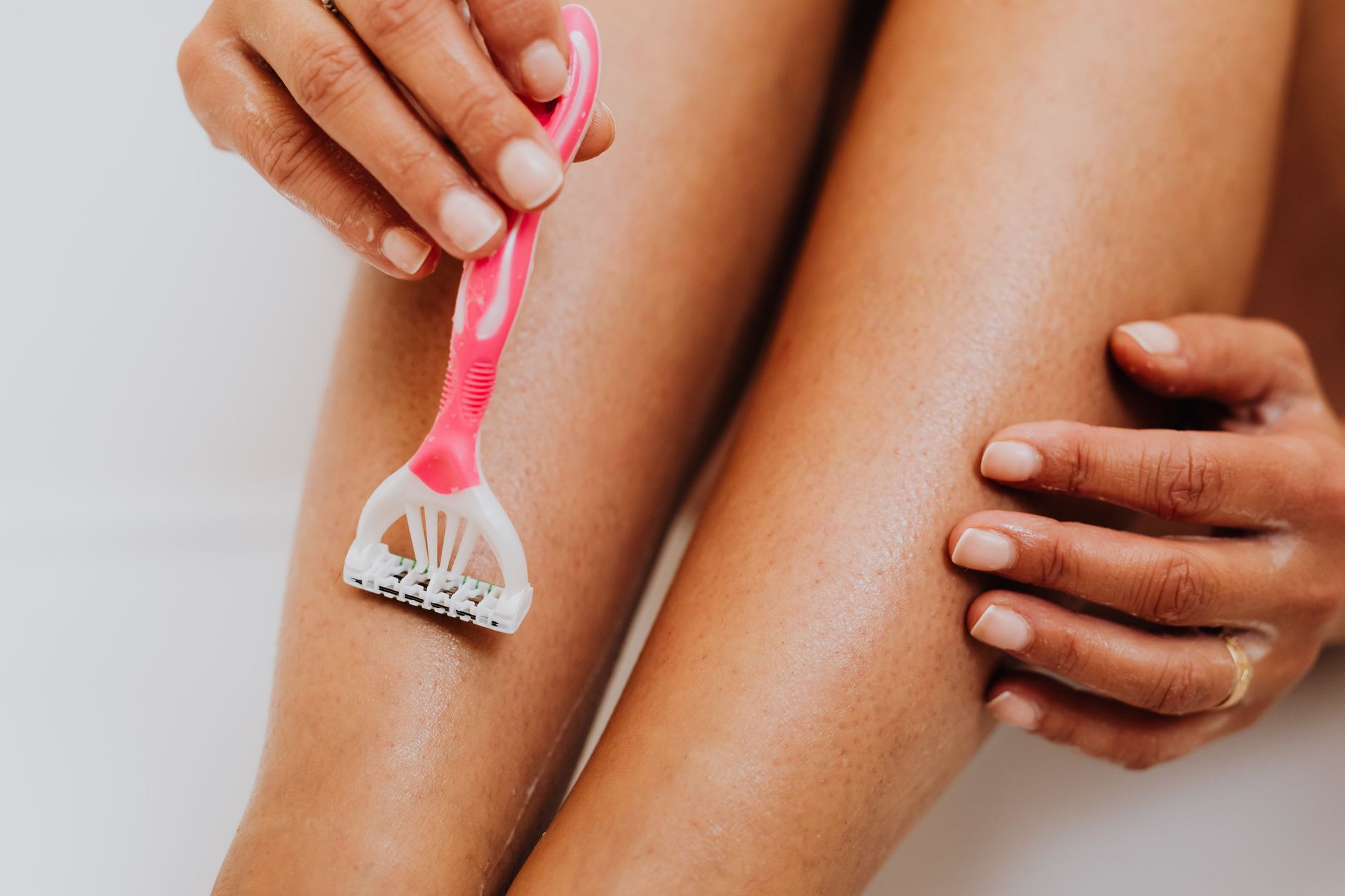
How to Prevent Razor Bumps and Ingrown Hairs: A Complete Shaving Guide
Learn how to prevent razor bumps and ingrown hairs with proven shaving tips, skin-prep routines, and expert aftercare advice for smoother, clearer skin.

How to Transition Your Skincare Routine Between Seasons
Learn how to transition your skincare routine between seasons, including what to swap, when to change products, and common mistakes to avoid.
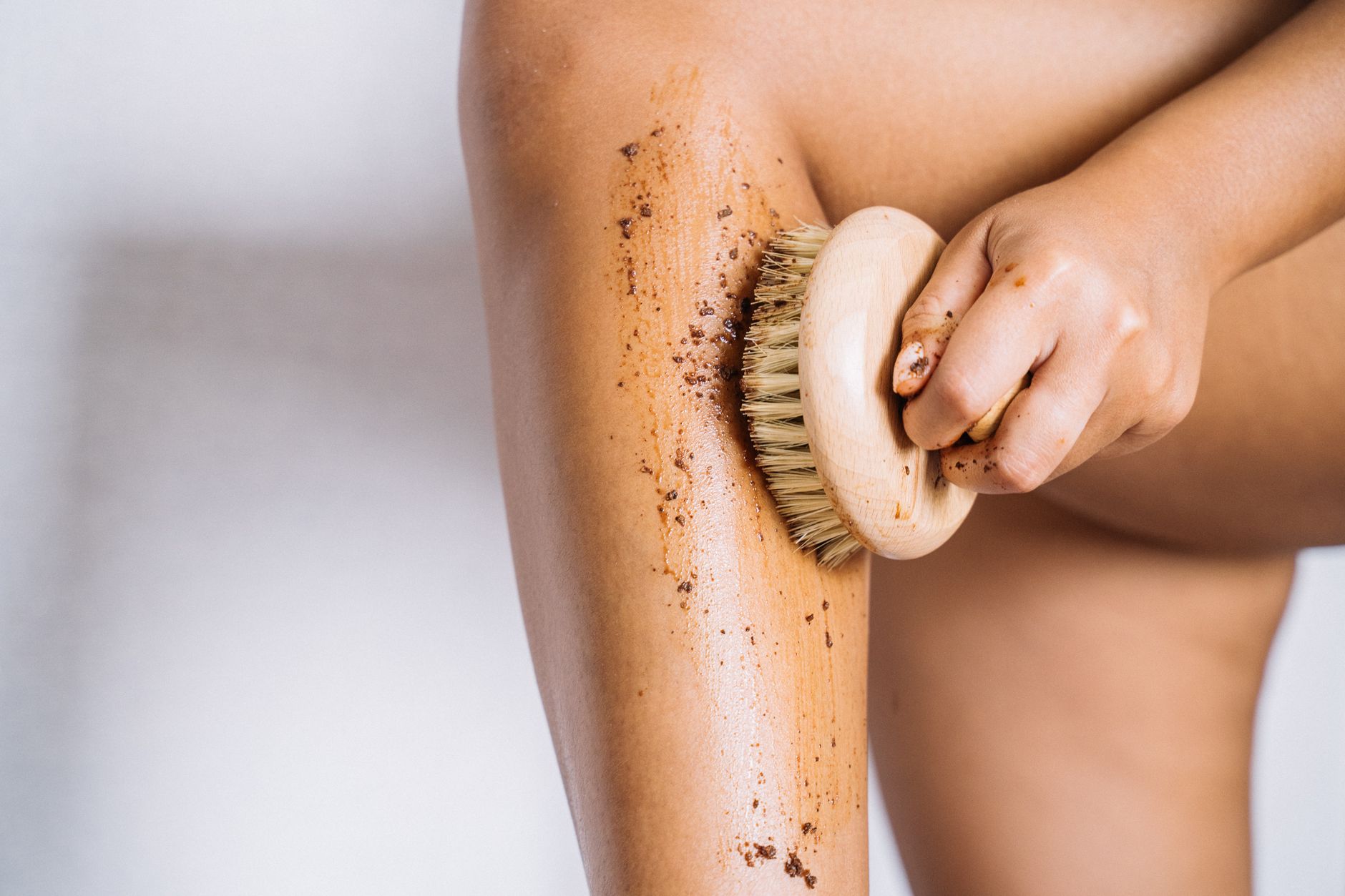
How to Exfoliate Body Skin Without Irritation
Learn how to exfoliate body skin safely and effectively, including the best physical and chemical methods, frequency, and mistakes to avoid.
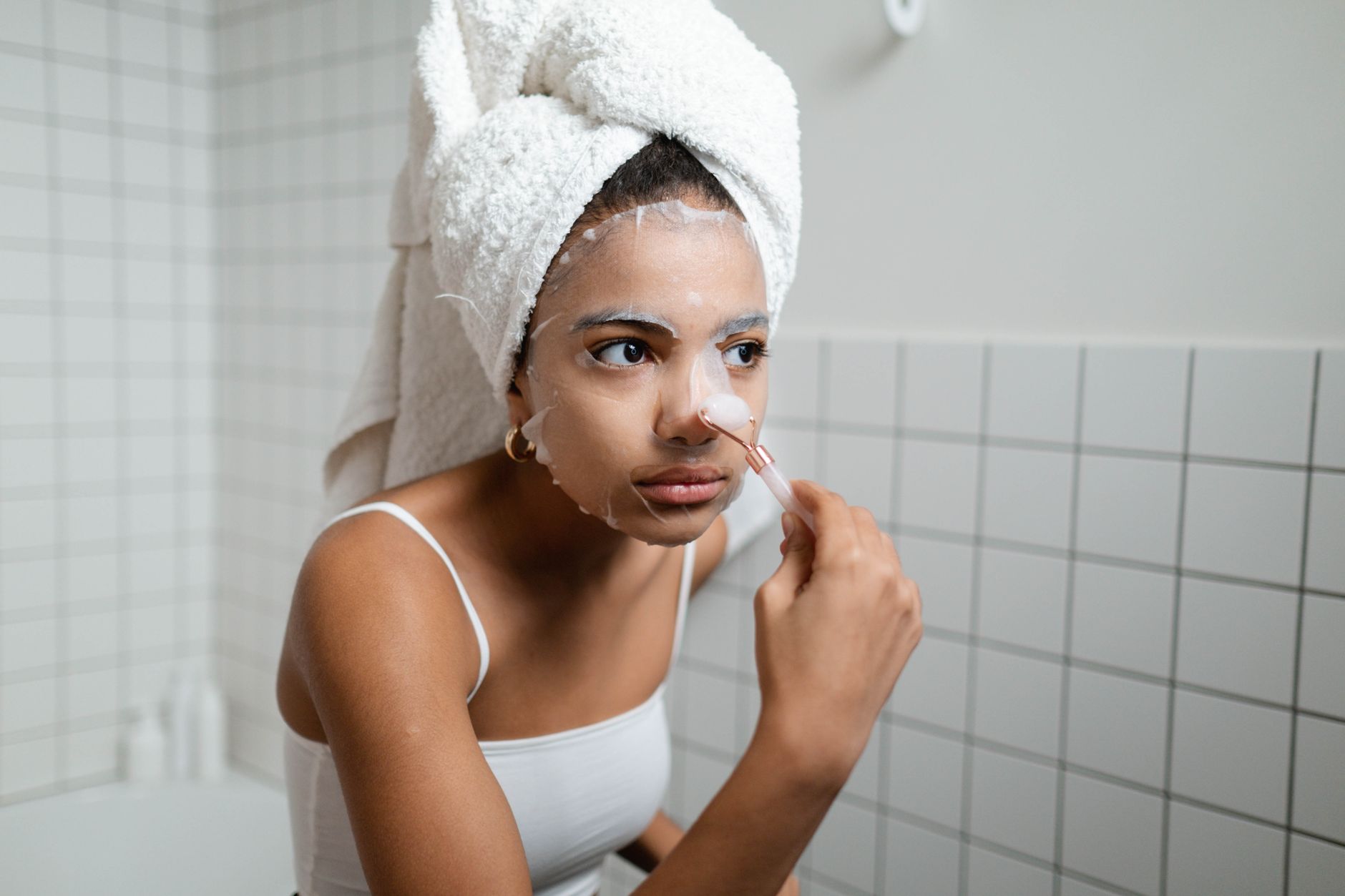
Skincare and Massage Tips for a More Defined Jawline
Explore realistic skincare, massage, and lifestyle techniques for a more defined jawline, plus what actually works versus common myths.