 Funky Millions
How to Do a Relaxing Bath Ritual at Home
Discover how to do a relaxing bath ritual at home with step-by-step tips, soothing ingredients, and expert advice for stress relief and better sleep.
Quick summary
Key Takeaways
- > - A bath ritual is intentional self-care, not just a way to get clean.
- > - Warm baths may lower cortisol and activate the parasympathetic nervous system.
- > - Plan your time, supplies, and mood before turning on the water.
- > - Avoid hot water and long soaks to protect your skin.
A long day can leave your muscles tight, your mind racing, and your skin feeling dull. One of the simplest ways to reset is to learn how to do a relaxing bath ritual at home. It is more than just filling the tub. A true bath ritual turns ordinary soaking into an intentional self-care experience that calms your nervous system, softens your skin, and prepares your body for deep sleep. You do not need a fancy spa budget or a giant tub. With a few smart choices about water temperature, lighting, scents, and post-bath skincare, you can build a ritual that feels like a retreat in your own bathroom.
In this guide, you will find a clear definition, science-backed benefits, a complete step-by-step routine, common mistakes to avoid, expert tips, product recommendations, and a FAQ section. Whether you are new to self-soaking or want to level up your Sunday-night unwind, these tips will help you create a relaxing bath ritual at home that your mind and body genuinely look forward to.
What Is a Relaxing Bath Ritual?
A relaxing bath ritual is a purposeful routine built around a warm soak. Unlike a quick shower meant for hygiene, a bath ritual focuses on slowing down. It usually includes warm water, soothing add-ins such as Epsom salt or essential oils, soft lighting, calming music or silence, gentle skincare, and a clear ending such as moisturizing or slipping into comfortable clothes.
The "at home" part matters because it lets you control the environment. You choose the temperature, the scents, the products, and the duration. That control is part of why a relaxing bath ritual at home can be so effective for stress relief. You are not rushing. You are signaling to your brain that it is safe to switch from "doing" mode to "being" mode.
- It combines warm water, soothing ingredients, sensory cues, and aftercare.
- Doing it at home gives you full control over the mood and products.
Benefits of a Relaxing Bath Ritual at Home
A warm bath does more than feel nice. When done with intention, it can support your mental health, sleep quality, muscle recovery, and skin barrier.
1. Stress and Anxiety Relief
Submerging in warm water activates the parasympathetic nervous system, also called the "rest and digest" system. This lowers heart rate, slows breathing, and reduces levels of cortisol, the body's main stress hormone. Adding scents like lavender or chamomile can strengthen this effect through aromatherapy.
According to the Cleveland Clinic, taking a warm bath can help the body relax and may reduce tension after a stressful day. The heat and quiet environment together create a calm-down cue for your brain.
2. Better Sleep
A warm bath 1 to 2 hours before bed can improve sleep onset. Here is why: warm water raises your core body temperature slightly. When you step out, your temperature drops. That decline mimics the body's natural evening cooldown and can make you feel drowsy.
3. Muscle and Joint Comfort
Warm water increases blood flow to muscles and joints. This can ease stiffness from exercise, long hours at a desk, or physical tension. Adding magnesium-rich Epsom salt is a popular choice for soothing sore muscles.
4. Skin Hydration and Softness
Bath oils, oatmeal, and milk can help hydrate the skin while you soak. The key is to follow up with a moisturizer within a few minutes after drying off. This seals in the water your skin has absorbed.
5. Mental Clarity and Mindfulness
A bath ritual gives you a screen-free window of time. Without notifications, you can focus on your breath, your senses, or simply doing nothing. That break from constant input supports mental clarity.
- Bathing before bed can improve sleep by supporting the body's natural temperature drop.
- Proper add-ins hydrate skin and soothe sore muscles.
How to Create a Relaxing Bath Ritual at Home: Step-by-Step
Follow these steps the first time, then adjust them to fit your space, schedule, and skin needs. Consistency matters more than perfection.
Step 1: Pick the Right Time
Choose a window when you will not be interrupted. Many people prefer evenings, but a weekend afternoon also works well. Aim for at least 30 to 45 minutes total, including setup, soaking, and aftercare.
Step 2: Gather Your Supplies
Having everything within reach prevents you from hopping out mid-soak. Collect:
- Bath add-ins: Epsom salt, bath oil, oatmeal, bubble bath, or bath bombs
- A clean towel and robe
- A water bottle or herbal tea
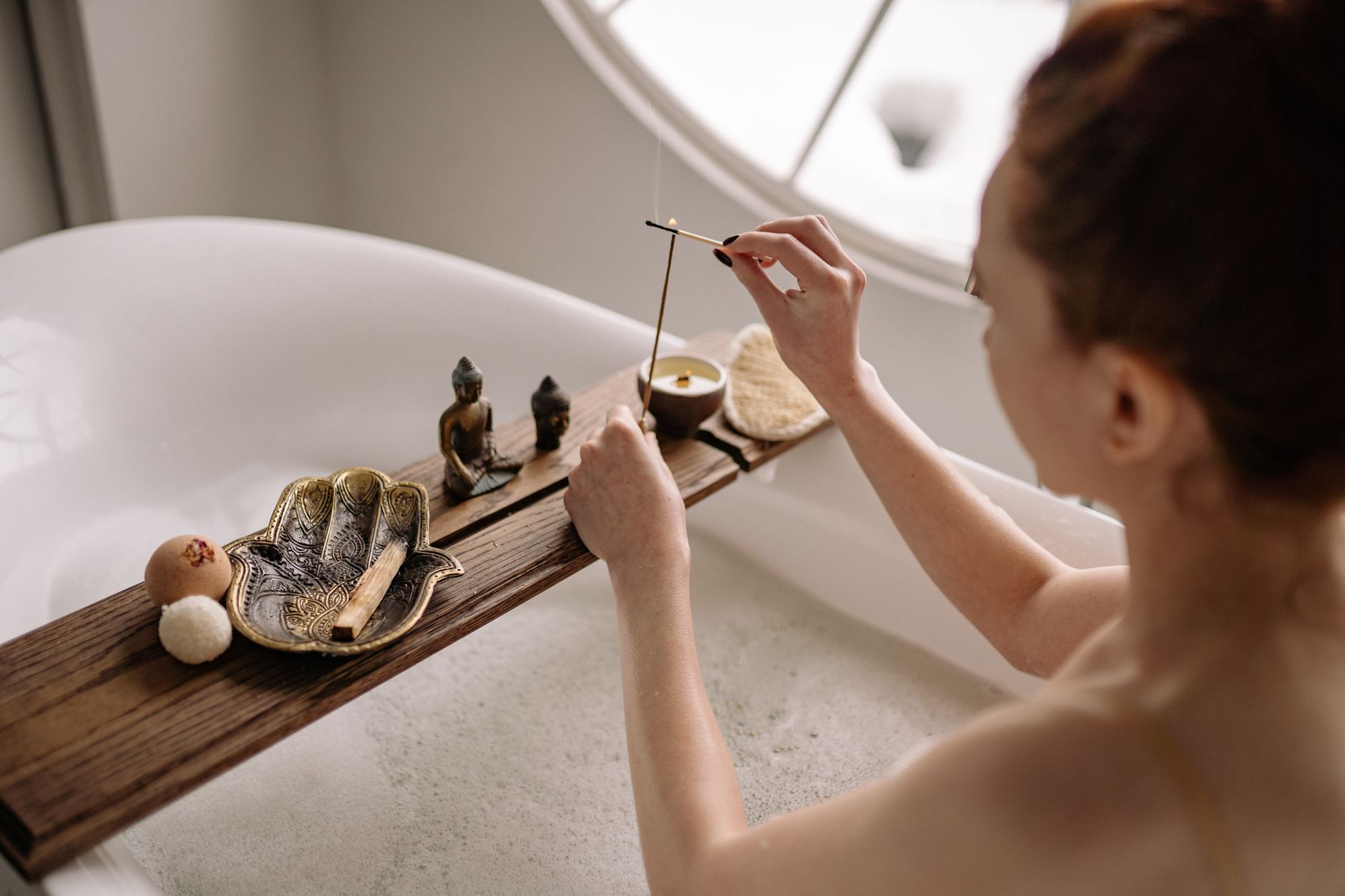
- Candles or a dimmable lamp
- A bath pillow or rolled towel for neck support
- Skincare products for after the bath
- A playlist, audiobook, or nothing at all
Step 3: Set the Mood
Dim the lights. Light one or two candles. Turn on soft music or nature sounds. If you use essential oils, add them to a diffuser or mix them with a carrier oil before adding them to the water. Never drop undiluted essential oils directly into the bath; they can irritate skin.
Step 4: Run the Water at the Right Temperature
The ideal bath temperature is between 92°F and 100°F (33°C to 38°C). Water that is too hot can strip natural oils, cause dizziness, and dry out skin. Test the water with your wrist or elbow before stepping in.
Step 5: Add Your Bath Ingredients
Pour in your chosen add-ins while the water is running. This helps them dissolve and distribute evenly. Here are some options:
| Add-In | Best For | How to Use | Notes |
|---|---|---|---|
| Epsom salt | Sore muscles, relaxation | 1 to 2 cups per full tub | Dissolves easily; choose plain or lightly scented |
| Colloidal oatmeal | Sensitive, itchy skin | 1 cup under running water | Soothes irritation; good for eczema-prone skin |
| Bath oils | Dry skin, luxury feel | 1 tablespoon mixed with water | Use caution; tub may become slippery |
| Essential oils | Aromatherapy, mood | 3 to 5 drops mixed with carrier oil | Never apply directly to bathwater undiluted |
| Milk or honey | Softening, gentle exfoliation | 1 to 2 cups milk or 2 tbsp honey | Rinse tub afterward to avoid residue |
| Bubble bath | Fun, light fragrance | Follow product label | Choose sulfate-free formulas for sensitive skin |
Step 6: Dry Brush or Rinse First (Optional)
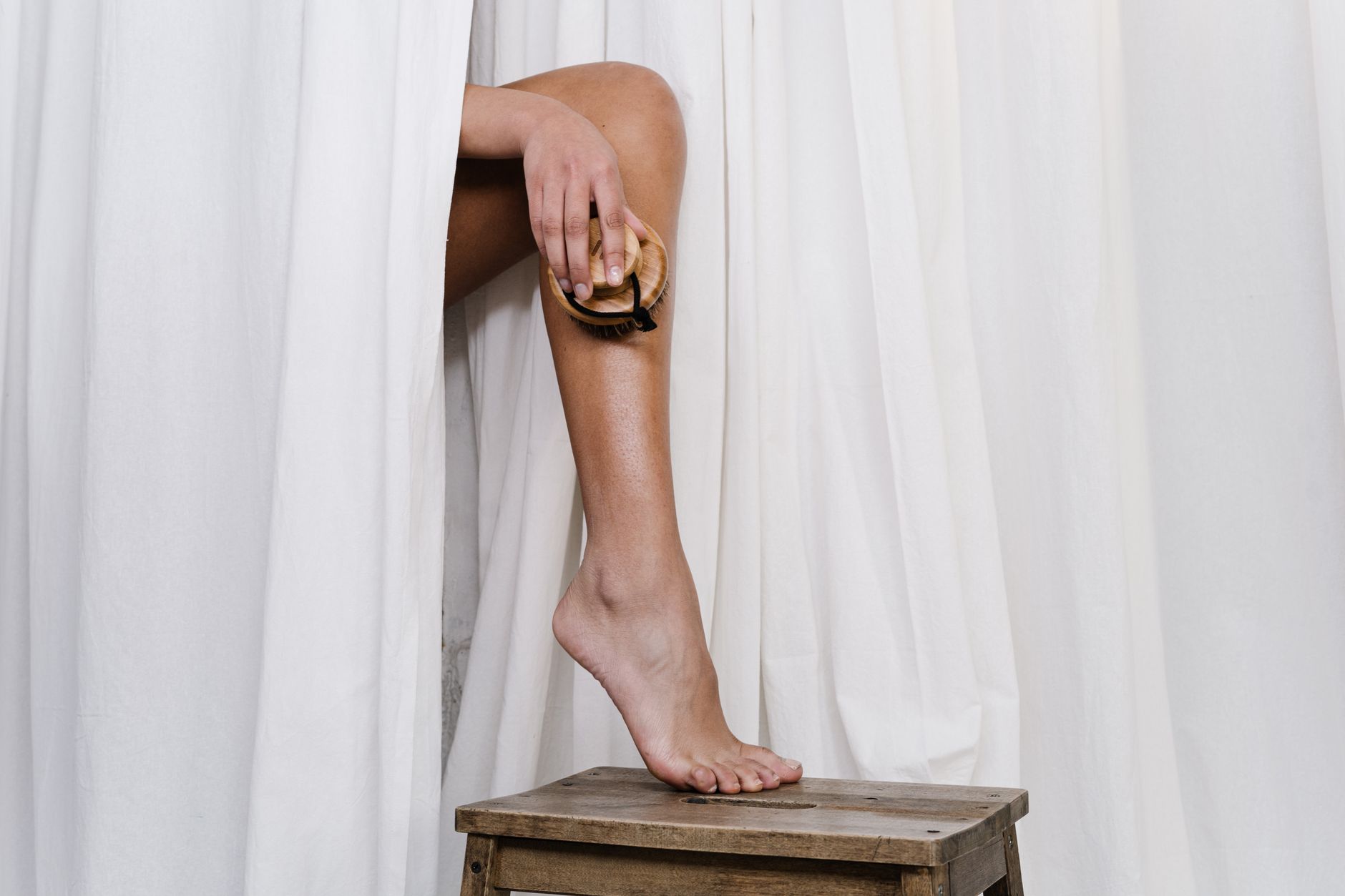
Some people like to dry brush before a bath to boost circulation and exfoliate. Use a natural-bristle brush and gentle strokes toward the heart. If you have sensitive skin, skip this step.
Step 7: Soak with Intention
Step into the tub and settle in. Close your eyes. Take slow breaths. Aim to soak for 15 to 20 minutes. Longer soaks can dry out skin or make you feel lightheaded. If your mind wanders, focus on the sensation of the water or the scent in the air.
Step 8: Rinse and Dry Gently
When you are done, stand up slowly. Rinse off under warm water if you used oils or salts. Pat your skin dry with a soft towel instead of rubbing. Leave skin slightly damp.
Step 9: Moisturize Immediately
Apply a body lotion, body oil, or cream within 3 minutes of getting out. This locks in the moisture your skin absorbed during the bath. Pay extra attention to elbows, knees, and heels.
Step 10: Extend the Calm
Slip into loose pajamas or a robe. Drink water or herbal tea. Avoid jumping straight back into work or screens. Even five minutes of quiet can help your nervous system stay in rest mode.
- Keep bath temperature between 92°F and 100°F and soak for 15 to 20 minutes.
- Moisturize within three minutes of drying off to seal in hydration.
Common Mistakes to Avoid
Even a simple bath can go wrong. Here are the most common errors people make when trying a relaxing bath ritual at home.
Using Water That Is Too Hot
Hot water feels soothing at first, but it strips the skin's protective barrier and can cause redness, itching, and dizziness. Stick to warm, not scalding.
Soaking for Too Long
More is not always better. Staying in the tub for over 30 minutes can lead to dry, wrinkled skin and dehydration. Set a timer if you tend to lose track of time.
Adding Essential Oils Directly to Water
Undiluted essential oils can float on top of the water and irritate sensitive areas. Always dilute them in a carrier oil, bath salt, or liquid soap first.
Ignoring Post-Bath Moisturizing
Skipping lotion is one of the fastest ways to end up with tight, dry skin after a bath. Moisturizing while skin is still damp makes a real difference.
Using Your Phone
A bath ritual is meant to be screen-free. Scrolling undermines the calming effect and can extend your bedtime. Leave your phone in another room or on airplane mode.
Forgetting to Hydrate Internally
Warm water makes you sweat slightly, even if you do not notice. Drink water before and after your bath to stay hydrated.
- Always dilute essential oils and moisturize right after bathing.
- Keep screens out of the bathroom to protect the relaxing atmosphere.
Product and Ingredient Recommendations
You do not need many products. Focus on quality basics that match your skin type and goals.
Epsom Salt
Plain Epsom salt is affordable and widely available. It contains magnesium sulfate, which many people use to ease muscle tension. Look for unscented versions if you have sensitive skin.
Colloidal Oatmeal
This finely ground oatmeal is excellent for itchy or eczema-prone skin. It creates a milky bath that soothes without clogging drains.
Natural Carrier Oils
Jojoba oil, sweet almond oil, and coconut oil are great for adding moisture to bathwater. If you are curious about other ways to use oils for self-care, our guide to coconut oil hair treatment explains how to use coconut oil from head to toe.
Gentle Body Cleanser
If you wash during your bath, choose a sulfate-free body wash with a pH close to skin's natural level, around 5.5.
Fragrance-Free Moisturizer
A simple, fragrance-free lotion or cream applied after the bath will lock in moisture without irritating skin.
Bath Pillow and Tub Tray
These small accessories make long soaks more comfortable and keep your book, tea, or candle safely within reach.
Small upgrades can turn a basic soak into a spa-like experience. Try these expert-approved tips.
- Layer your scents. Use a matching scented candle, bath oil, and body lotion to create a consistent aromatherapy experience.
- Use a bath pillow. Neck support helps you relax more fully without straining.
- Try a warm towel prep. Place your towel and robe in the dryer for a few minutes before the bath so they feel cozy afterward.
- Add a guided meditation. A five-minute breathing exercise during your soak can deepen relaxation.
- Exfoliate once a week. A gentle body scrub during your ritual keeps skin smooth and helps moisturizers absorb better.
- Protect your hair. Tie hair up or use a shower cap if you are using oils or fragranced products that could weigh hair down.
- Make it weekly. A consistent weekly ritual trains your brain to associate the routine with rest.
Conclusion
A relaxing bath ritual at home is one of the easiest and most rewarding forms of self-care. With the right temperature, a few soothing add-ins, soft lighting, and a simple aftercare routine, you can turn your bathroom into a calm retreat. The goal is not perfection. It is creating a small pocket of time where your body can soften and your mind can slow down.
Start tonight. Light a candle, run warm water, choose one add-in you love, and soak for fifteen minutes. Notice how you feel afterward. If you found this guide helpful, share it with a friend who needs a little calm, and explore more of our self-care and skincare articles like beauty tips for face at home and how to get clear skin. Your next relaxing evening is only a bath away.
Frequently Asked Questions
Last updated
This article is for informational purposes only and does not constitute medical advice. Consult a licensed dermatologist or healthcare provider before starting any new treatment.
Beauty & Hair Care Editor
Ilma is a beauty editor who specializes in breaking down cosmetic ingredients, skincare routines, and hair care practices. Her work focuses on evidence-based guidance readers can trust and apply.
Comments (0)
Be the first to comment.
Related Articles
Aromatherapy for Stress Relief and Better Sleep
Discover how aromatherapy for stress relief and sleep uses essential oils to calm your mind, ease tension, and improve rest naturally.
Hyaluronic Acid vs. Glycerin: Which Is Better?
Wondering about hyaluronic acid vs glycerin? Discover which humectant suits your skin, how they work, and how to layer them for maximum hydration.

How Hydration Affects Your Skin: A Complete Guide
Learn how hydration affects skin health, elasticity, and glow. Discover expert tips, routines, and product advice to keep your skin hydrated from the inside out.
Dry Brushing Benefits Skin: A Complete Beginner’s Guide
Discover the dry brushing benefits skin experts talk about: gentle exfoliation, improved circulation, lymphatic support, and smoother texture. Learn how to do it safely.