 Funky Millions
Stress and Acne: How to Manage Breakouts
Discover how stress and acne are connected and learn proven ways to manage breakouts. Get expert tips, skincare routines, and stress-relief strategies for clearer skin.
Quick summary
Key Takeaways
- Stress acne is not a separate type of acne, but a stress-driven worsening of clogged pores, inflammation, and oil production.
- Stress affects acne through hormones, inflammation, barrier damage, and lifestyle habits like sleep and diet.
- Keep your routine gentle, consistent, and focused on reducing inflammation while treating clogged pores.
- Managing stress through sleep, movement, mindfulness, and nutrition directly supports clearer, calmer skin.
- Look for non-comedogenic products with proven ingredients like salicylic acid, niacinamide, and benzoyl peroxide.
- Avoid harsh over-treatment, picking, and neglecting stress or sun protection.
- Small, consistent habits combined with stress care create the best long-term results for stress acne.
Introduction
If you have ever noticed a fresh pimple right before a big presentation, exam, or stressful life event, you are not imagining things. Stress and acne are closely linked, and understanding this connection can help you take control of your skin. When your body feels overwhelmed, it releases hormones that can increase oil production, trigger inflammation, and make existing breakouts worse. This article explains exactly how stress affects your skin and what you can do to manage stress-related breakouts effectively.
Managing stress acne requires more than just a good face wash. It involves calming your skin from the outside while supporting your body from the inside. You will learn the science behind stress-induced breakouts, practical steps to reduce flare-ups, common mistakes to avoid, and expert-approved tips for keeping your complexion clearer during demanding times. Whether your breakouts appear occasionally or return every time life gets hectic, this guide gives you a realistic, actionable plan.
What Is Stress Acne?
Stress acne refers to breakouts that appear or worsen in response to psychological or physical stress. While acne has many causes, including genetics, hormones, diet, and skincare habits, stress is a well-documented trigger that can make existing acne more severe and harder to treat.
When you experience stress, your body produces cortisol and other androgens. These hormones stimulate the sebaceous glands to produce more sebum, the oily substance that can clog pores. At the same time, stress can weaken your skin barrier, slow wound healing, and increase inflammation, all of which contribute to red, painful, and persistent pimples.
Why Stress and Acne Matter
Understanding the relationship between stress and acne matters because treating breakouts without addressing stress often leads to frustration. You can use the right cleansers and treatments, yet continue breaking out if your stress levels remain high. By targeting both the skin and the stress response, you create a more complete and lasting solution.
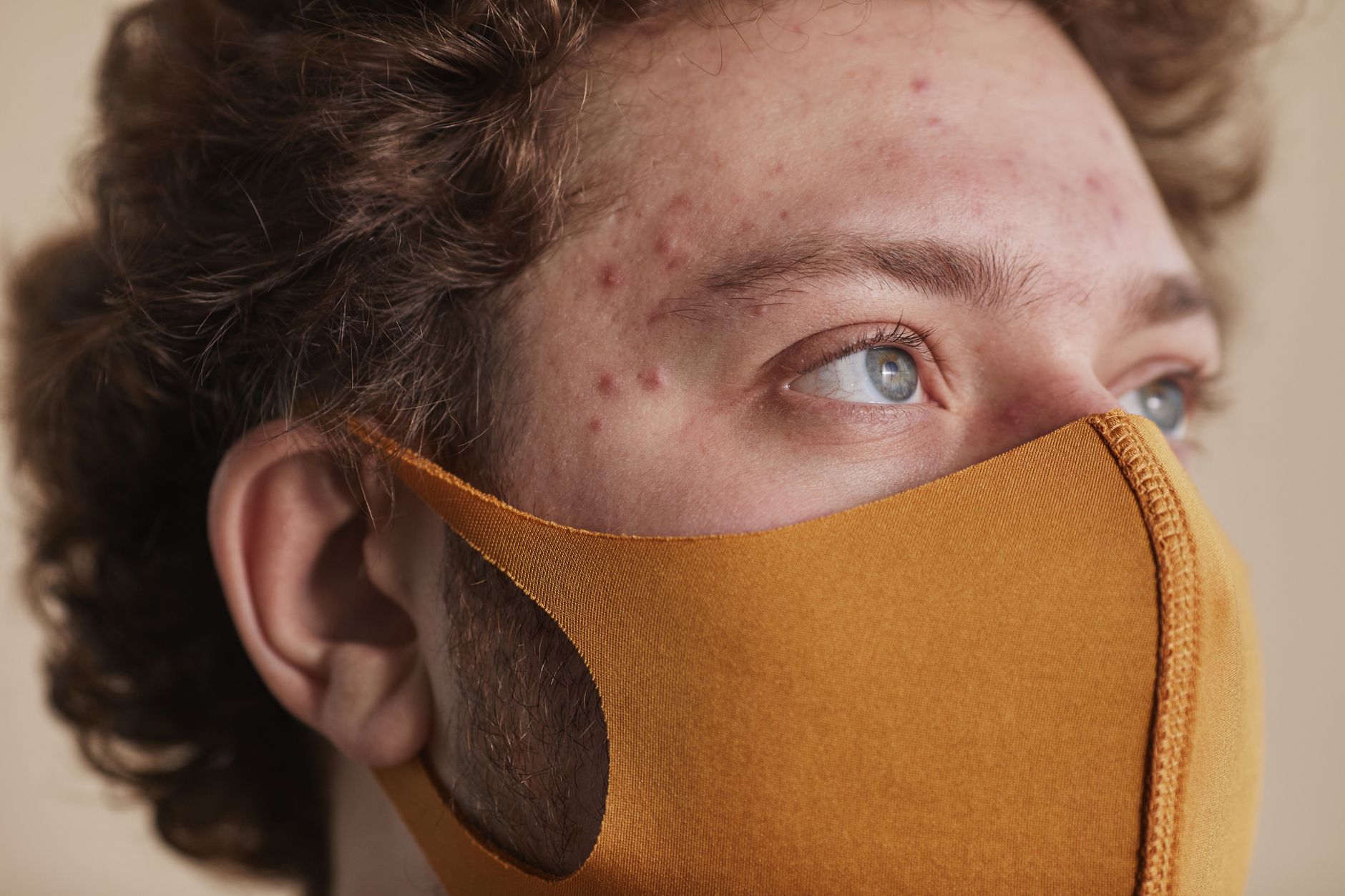
Stress acne commonly appears on the:
- Jawline and chin
- Cheeks
- Forehead
- Around the mouth
These areas are particularly sensitive to hormonal fluctuations, which is why stress-related breakouts often look like deep, cystic bumps rather than small surface pimples.
The Science Behind Stress and Acne
How Cortisol Triggers Breakouts
Cortisol is your body's main stress hormone. When levels rise, it signals the skin to produce more oil. Excess sebum mixes with dead skin cells and bacteria, leading to clogged pores and inflammation. This process is why you may see new pimples form within days of a stressful period.
Inflammation and Skin Barrier Damage
Chronic stress increases inflammatory markers throughout the body. For your skin, this means more redness, swelling, and sensitivity. A weakened skin barrier also loses moisture more easily, which can cause your skin to overcompensate by producing even more oil.
Stress Can Disrupt Sleep and Diet
Stress often leads to poor sleep, skipped meals, or cravings for sugary and processed foods. These habits can further increase cortisol, spike blood sugar, and promote inflammation, creating a cycle that makes acne worse.
How to Identify Stress-Related Breakouts
Not every pimple is caused by stress. Here is how to tell if stress is likely the trigger:
- Breakouts appear suddenly during stressful periods.
- Pimples are deep, tender, and cystic, especially along the jawline.
- Your usual skincare routine no longer seems effective.
- You notice more redness and sensitivity than usual.
- Your sleep, appetite, or mood has changed recently.
If these signs sound familiar, it is worth focusing on stress management alongside your regular acne care.
Step-by-Step Skincare Routine for Stress Acne
A consistent, gentle routine is essential for managing stress and acne without irritating your skin further.
Morning Routine
- Cleanse gently. Use a mild, non-stripping cleanser to remove oil without damaging the barrier.
- Apply a targeted treatment. A salicylic acid or benzoyl peroxide product can help clear pores and reduce bacteria.
- Moisturize. Even oily, acne-prone skin needs hydration. Choose a lightweight, non-comedogenic moisturizer.
- Use sunscreen. Stress already weakens the skin barrier, so UV protection is essential to prevent further damage and dark marks.
For more guidance on building a face care routine at home, see our post on beauty tips for face at home simple remedies for a radiant glow.
Evening Routine
- Double cleanse if needed. If you wear makeup or sunscreen, start with an oil cleanser, then follow with a gentle water-based cleanser.
- Treat active breakouts. Use a spot treatment with benzoyl peroxide, salicylic acid, or sulfur.
- Support repair. Apply a niacinamide or ceramide moisturizer to calm inflammation and strengthen the barrier.
- Get enough sleep. Your skin repairs itself overnight, making rest a key part of the routine.
If you are dealing with active pimples, our guide on how to get rid of pimples offers more targeted advice.
Stress Management Strategies for Clearer Skin
Because stress and acne are so closely tied, reducing stress is one of the most effective ways to prevent flare-ups.
Practice Mindfulness or Meditation
Even five to ten minutes of daily mindfulness can lower cortisol levels. Apps, guided breathing exercises, or simple quiet time can help you reset during busy days.
Move Your Body Regularly
Exercise reduces stress hormones and improves circulation, which supports skin health. Aim for at least 20 to 30 minutes of movement most days. Be sure to cleanse your face after sweating to avoid additional breakouts.
Prioritize Sleep
Poor sleep raises cortisol and increases inflammation. Aim for seven to nine hours of quality sleep each night. A consistent bedtime and limited screen time before bed can make a noticeable difference.
Eat for Skin Health
Focus on whole foods, lean proteins, vegetables, fruits, and omega-3-rich options like salmon and walnuts. Limit refined sugar, dairy if it triggers you, and processed snacks that can spike blood sugar.
Stay Hydrated
Dehydration can stress your body and dull your skin. Drink water throughout the day and limit excess caffeine, which can worsen anxiety and sleep problems.
Product and Ingredient Recommendations
Choosing the right ingredients can make a big difference when managing stress acne.
| Ingredient | Benefit | Best For |
|---|---|---|
| Salicylic acid | Unclogs pores and reduces oil | Blackheads, whiteheads, oily areas |
| Benzoyl peroxide | Kills acne-causing bacteria | Inflamed pimples and cysts |
| Niacinamide | Calms redness and strengthens barrier | Sensitive, stressed skin |
| Ceramides | Repair the skin barrier | Dryness, irritation, barrier damage |
| Tea tree oil | Natural antibacterial option | Mild breakouts, spot treatment |
| Retinoids | Speed cell turnover and prevent clogs | Recurring acne, texture issues |
If you want to learn more about how salicylic acid works, read our detailed article on salicylic acid acne treatment.
Common Mistakes to Avoid
When dealing with stress and acne, it is easy to make choices that backfire. Here are the most common mistakes and how to avoid them.
Overwashing Your Face
Washing too often or using harsh cleansers can strip your skin and trigger more oil production. Stick to cleansing twice daily unless you have been sweating heavily.
Popping Pimples
Picking at breakouts increases inflammation, spreads bacteria, and raises the risk of scarring. It can also slow healing and cause dark spots.
Using Too Many Active Ingredients at Once
Layering multiple strong products can damage your barrier and make stress acne worse. Introduce one active ingredient at a time and give your skin time to adjust.
Ignoring Stress
If you only treat the skin and ignore the stress, breakouts are likely to return. Make stress management a regular part of your routine.
Skipping Moisturizer and Sunscreen
Many people with acne skip these steps, but dehydration and sun damage can worsen inflammation and delay healing. Choose lightweight, non-comedogenic formulas.
Here are additional expert-backed tips to help you manage stress-related breakouts more effectively.
- Stick to a routine. Consistency is more important than using the strongest products.
- Change pillowcases regularly. Bacteria, oil, and product buildup can transfer to your skin while you sleep.
- Manage screen time. Blue light and late-night scrolling can disrupt sleep and increase stress.
- Keep a skin journal. Track breakouts, stress levels, sleep, and diet to identify patterns.
- Be patient. It can take six to eight weeks to see real improvement from a new routine.
- Consult a dermatologist. If breakouts are severe, painful, or leaving scars, professional treatment may be needed.
For advice on achieving overall healthier skin, check out our guide on how to get clear skin.
Conclusion
Stress and acne are deeply connected, but you do not have to let stress control your skin. By combining a gentle, consistent skincare routine with real stress management habits, you can reduce breakouts and help your skin recover faster. Remember, clearer skin comes from caring for both your face and your overall well-being.
If you found this article helpful, share it with a friend who might be dealing with stress breakouts. Explore more of our skincare guides, including how to make your skin glow, and take the next step toward healthier, happier skin.
Frequently Asked Questions
References
Last updated
This article is for informational purposes only and does not constitute medical advice. Consult a licensed dermatologist or healthcare provider before starting any new treatment.
Beauty & Hair Care Editor
Amanda Gurton is a beauty editor and researcher with a focus on translating dermatology and trichology insights into clear, actionable advice. She covers skincare routines, hair health, ingredient science, and everyday beauty habits.
Comments (0)
Be the first to comment.
Related Articles
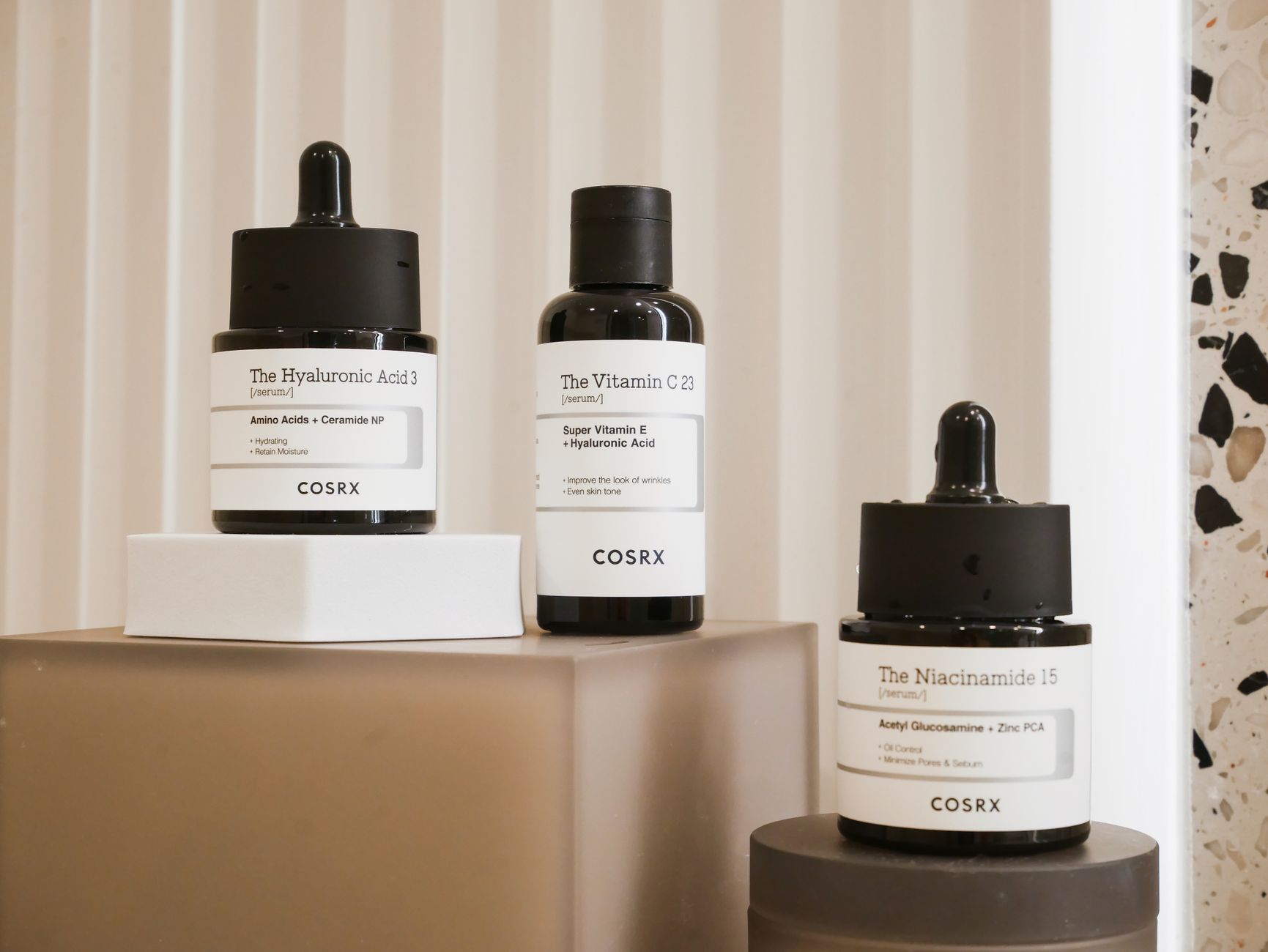
Vitamin C and Niacinamide: Can You Really Not Use Them Together?
Can you use vitamin C and niacinamide together? Learn what the science says about this popular skincare myth and how to layer them correctly.
Skincare Ingredients You Should Never Mix Together
Learn which skincare ingredient combinations to avoid, why they conflict, and how to layer active ingredients safely instead.
Skin Cycling vs. Skin Stacking: Which Method Fits Your Skin?
Skin cycling vs skin stacking: compare these two popular active ingredient routines and learn which approach suits your skin type and goals.
Face Mapping for Acne: What Breakout Location Really Means
Learn what face mapping for acne claims about breakout locations, what's backed by science, and how to actually treat problem areas.