 Funky Millions
Co-Washing for Curly Hair: A Beginner's Guide
Learn what co-washing is, whether it's right for your curly hair, and how to co-wash correctly without buildup or scalp issues.
Quick summary
Key Takeaways
- Co-washing uses conditioner or a cleansing conditioner to cleanse hair more gently than traditional shampoo, preserving more natural oil and moisture.
- Curly hair's naturally drier tendency makes it more prone to benefit from co-washing's gentler cleansing approach compared to straighter hair types.
- Co-washing trades thorough cleansing power for gentleness, which suits dry, curly hair but requires more careful management to avoid buildup.
- Co-washing is not universally suitable, oily scalps and heavy product users generally need the more thorough cleansing traditional shampoo provides, at least periodically.
- Focus application on the scalp and rinse thoroughly to minimize the buildup risk that comes with using a conditioning product as a cleanser.
- A hybrid approach, co-washing most days with periodic traditional or clarifying shampoo, tends to work better than co-washing exclusively for most people.
- Both low and high porosity curly hair can benefit meaningfully from co-washing, but each requires particular attention to a consistent clarifying schedule to manage the buildup risk specific to their porosity type.
- Co-washing originated within African American hair care traditions as a practical solution for coily hair's specific moisture needs, later expanding into a broader, mainstream curly hair care practice supported by dedicated commercial products.
Co-washing, cleansing hair with conditioner instead of traditional shampoo, has become a popular method within the curly hair community, promising to cleanse without stripping the natural oils that curly hair depends on for definition and moisture. This guide covers what co-washing actually involves, who benefits most, and how to do it correctly without running into common pitfalls like buildup or an unbalanced scalp.
What Is Co-Washing?
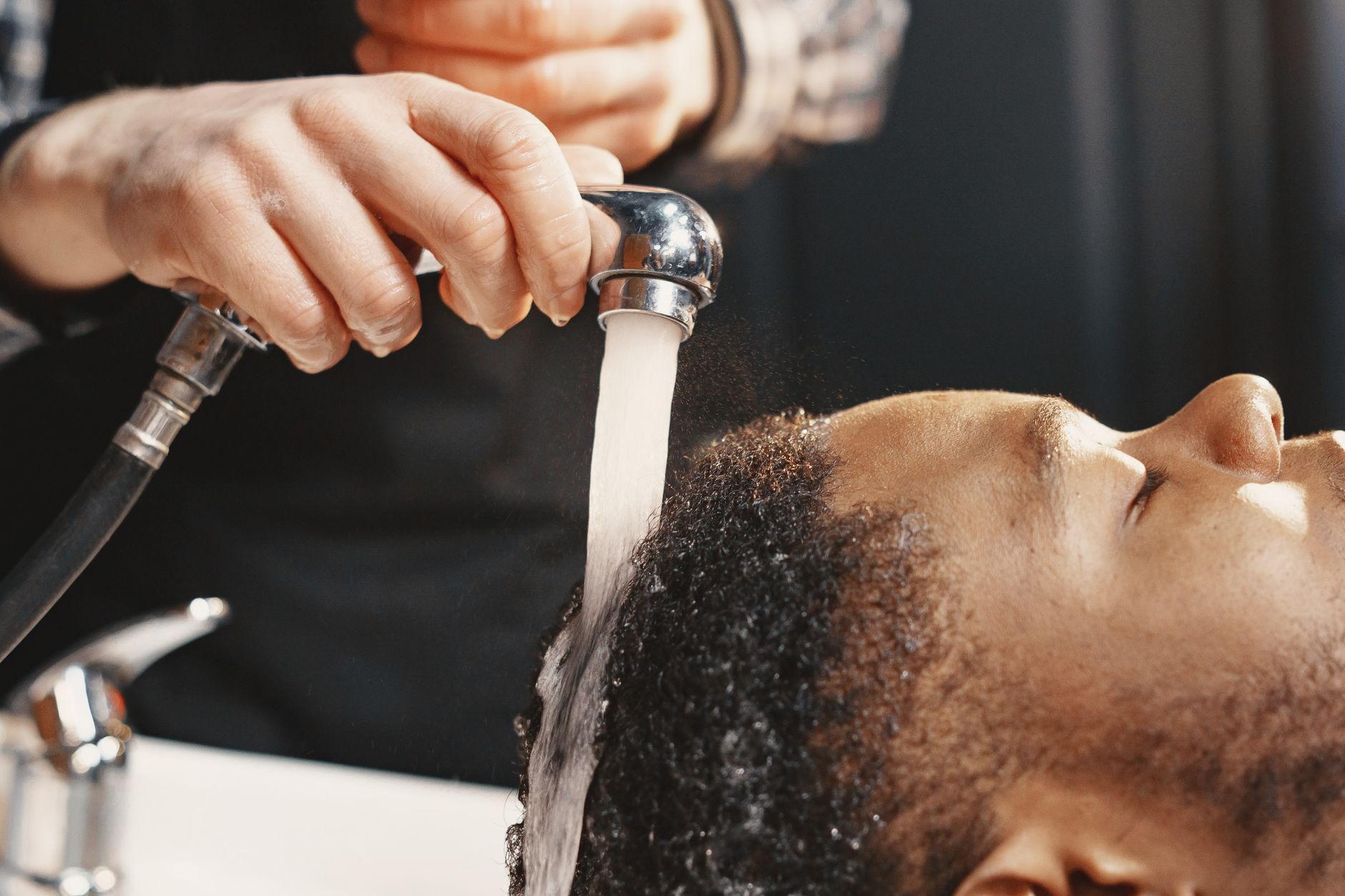
Co-washing (short for "conditioner washing") means cleansing the scalp and hair using a conditioner or a specially formulated cleansing conditioner instead of traditional shampoo. Unlike shampoo, which typically contains sulfates or other surfactants designed to remove oil thoroughly, co-washing relies on milder cleansing agents that clean more gently while leaving more natural oils and moisture intact.
Why Curly Hair Often Benefits From Co-Washing
Curly and coily hair textures tend to be naturally drier than straighter hair types, since the hair's shape makes it harder for scalp oils to travel down the length of each strand. Traditional sulfate shampoos, while effective at removing buildup, can strip away what little natural oil reaches curly strands, exacerbating dryness and frizz. Co-washing offers a gentler alternative that cleanses without the same degree of oil removal, which many curly-haired individuals find better supports their hair's natural definition and moisture retention.
Co-Washing vs. Traditional Shampooing
| Feature | Co-Washing | Traditional Shampooing |
|---|---|---|
| Cleansing strength | Gentle | Stronger, more thorough |
| Oil removal | Minimal | Significant |
| Buildup risk | Higher, especially with heavy products | Lower |
| Scalp health impact | Can be positive (less stripping) or negative (buildup) depending on use | Generally more predictable, thorough cleansing |
| Best for | Dry, curly, or coily hair | Oily scalps, product-heavy routines |
Who Should Co-Wash
- Curly and coily hair types, particularly those prone to dryness and frizz
- Color-treated hair, since gentler cleansing can help preserve color longevity
- Those with naturally low oil production, who do not need frequent, thorough oil removal
- People experiencing dryness from frequent sulfate shampoo use
Our guide on the curly girl method covers co-washing as one component of a broader curly hair care philosophy.
Who Should Avoid or Limit Co-Washing
- Oily scalps, which may find co-washing insufficient to manage excess oil and buildup
- Those using heavy styling products regularly, since co-washing alone may not adequately remove this buildup over time
- People experiencing scalp itchiness, flaking, or odor, which can signal a need for more thorough cleansing
- Fine, straight hair, which is more prone to looking weighed down or greasy with co-washing alone
How Co-Washing Products Differ From Regular Conditioner
While some people co-wash with regular conditioner, dedicated "cleansing conditioners" or "co-wash" products are formulated with slightly different, gentler cleansing agents specifically designed to lift dirt and light oil without the intensive conditioning agents (like heavy silicones) found in standard conditioners, which can contribute to buildup if used as a primary cleanser rather than a rinse-out treatment.
How to Co-Wash Correctly: Step-by-Step
Step 1: Wet Hair Thoroughly
Start with hair fully saturated with water.
Step 2: Apply Co-Wash Directly to the Scalp
Focus application on the scalp, using your fingertips to massage gently, similar to how you would apply shampoo, to help lift dirt and oil from the scalp itself.
Step 3: Work Product Through Lengths
Distribute any remaining product through the length of your hair as you rinse, which helps with detangling.
Step 4: Rinse Thoroughly
Rinse thoroughly to avoid leaving conditioning agents behind, which can contribute to buildup over time.
Step 5: Follow With Regular Conditioner (Optional)
Many people follow co-washing with a lighter regular conditioner or go straight to styling products, depending on their hair's needs.
How Often to Co-Wash
Most curly-haired individuals co-wash between wash days that use traditional (often sulfate-free) shampoo, such as co-washing two to three times a week with a full shampoo once weekly or every other week. This balances the gentleness of co-washing with the periodic thorough cleansing needed to prevent buildup.
Comparison Table: Co-Washing vs. Shampooing
| Frequency Pattern | Best For |
|---|---|
| Co-wash exclusively | Very dry, low-oil-production scalp, minimal product use |
| Co-wash 2-3x/week, shampoo weekly | Most curly hair types, balanced approach |
| Shampoo exclusively | Oily scalp, heavy product users, non-curly hair types |
Co-Washing and Porosity: A Key but Overlooked Connection
Hair porosity plays a significant, often overlooked role in how well co-washing works for any given curly-haired individual, and understanding this connection can help explain why co-washing produces dramatically different results for different people, even within the broader curly hair community.
Low porosity curly hair, which has a tightly closed cuticle, is often an especially good match for co-washing, since this hair type is already prone to buildup with any product, and the gentler cleansing action of co-washing paired with a naturally slower rate of oil accumulation can work well together. However, low porosity hair co-washers need to be particularly vigilant about periodic clarifying, since buildup that does occur is harder for this hair type to release without more thorough cleansing.
High porosity curly hair, by contrast, tends to lose moisture quickly and may actually benefit from co-washing's moisture-preserving qualities even more than low porosity hair does, since it is working against a hair structure that already struggles to retain hydration. However, high porosity hair is also generally more prone to product buildup being harder to control precisely because the raised cuticle can trap more residue, meaning the clarifying schedule may need to be even more consistent for this porosity type despite the moisture benefits co-washing offers.
Signs You Need to Clarify
- Hair feels weighed down or greasy despite regular co-washing
- Curls appear less defined than usual, sometimes described as "mushy"
- Scalp itchiness or flaking develops
- Products stop absorbing or working as effectively as before
If you notice these signs, a clarifying shampoo session can reset your hair and scalp before returning to your regular co-washing routine.
Common Mistakes to Avoid
Co-Washing Exclusively Without Ever Clarifying
Even dedicated co-washers typically benefit from periodic clarifying or traditional shampoo sessions to prevent cumulative buildup.
Not Focusing Application on the Scalp
Applying co-wash primarily to the ends, rather than massaging into the scalp, misses the area that most needs actual cleansing.
Using Heavy Conditioner as a Co-Wash Substitute Without Adjusting Routine
Regular, heavy conditioners not formulated for co-washing can accelerate buildup if used as a primary cleansing method without careful monitoring.
Ignoring Scalp Symptoms
Persistent itchiness or flaking despite co-washing should prompt a return to more thorough cleansing rather than continuing the same routine, since these symptoms often indicate buildup or an imbalance that a gentle cleanser alone cannot resolve.
Expecting Co-Washing to Replicate the Exact Cleansing Power of Shampoo
Co-washing is intentionally gentler by design, and expecting it to remove oil and product residue as thoroughly as a sulfate shampoo will lead to disappointment. It works best when its limitations are understood and planned around, rather than compared directly to shampoo's cleansing strength.
The History and Origins of Co-Washing
Co-washing did not originate as a modern skincare-industry trend, it has roots in African American hair care traditions, where it has long been used as a practical response to the specific needs of coily and tightly curled hair textures, which are especially prone to dryness given how difficult it is for scalp oils to travel down a tightly coiled hair shaft.
The practice gained broader mainstream visibility as natural hair movements grew and as curly hair care information became more widely shared online, eventually leading to major beauty brands releasing dedicated "co-wash" or "cleansing conditioner" product lines specifically marketed for this purpose, rather than co-washers needing to simply repurpose standard conditioners as had often been the case previously.
Understanding this history matters because it highlights that co-washing is not simply a trendy shortcut but a genuinely practical solution developed by and for the specific hair textures that benefit most from it, coily and tightly curled hair, even as the practice has since been adopted more broadly across the wider curly hair spectrum, including looser wave and curl patterns that can also benefit from its gentler approach.
- Use a dedicated cleansing conditioner rather than a standard rich conditioner for co-washing, when possible, to reduce buildup risk.
- Focus scalp massage during application, similar to shampooing technique, for more effective cleansing.
- Alternate with a sulfate-free shampoo periodically to maintain balance and prevent buildup.
- Pay attention to your scalp's signals and adjust frequency if you notice itchiness, flaking, or excess oil.
Conclusion
Co-washing offers curly-haired individuals a gentler alternative to traditional shampooing, better preserving the natural oils and moisture that curly hair depends on for definition and reduced frizz. However, it works best as part of a balanced routine that includes periodic traditional or clarifying shampoo sessions, rather than as an exclusive cleansing method, to prevent buildup while still capturing co-washing's moisture-preserving benefits.
For a broader look at curly hair care philosophy, see our guide on the curly girl method, which places co-washing within a wider framework of gentle, moisture-focused curly hair care practices.
Category: Hair Care
Tags: co-washing, curly hair, cleansing conditioner, curly girl method, sulfate-free, hair buildup, curl definition, gentle cleansing, hair care routine, curly hair tips
Frequently Asked Questions
References
Last updated
This article is for informational purposes only and does not constitute medical advice. Consult a licensed dermatologist or healthcare provider before starting any new treatment.
Beauty & Hair Care Editor
Amanda Gurton is a beauty editor and researcher with a focus on translating dermatology and trichology insights into clear, actionable advice. She covers skincare routines, hair health, ingredient science, and everyday beauty habits.
Comments (0)
Be the first to comment.
Related Articles

The Curly Girl Method: A Beginner's Guide
Learn the curly girl method for beginners with step-by-step routines, product tips, common mistakes, and FAQs to embrace your natural curls confidently.
Silicone-Free Haircare: What It Means and Who Needs It
Learn what silicone-free haircare means, why some people avoid silicones, and whether switching is right for your hair type.
How to Build an Efficient Wash Day Routine for Curly Hair
Learn how to build an efficient, effective wash day routine for curly hair, from pre-poo to styling, without spending your entire day on it.
Sulfate-Free Shampoo: Who Actually Needs It?
Learn what sulfate-free shampoo actually means, the real pros and cons, and whether switching is genuinely necessary for your hair type.