 Funky Millions
How to Get Rid of Lice
Quick summary
Key Takeaways
- Repeat lice treatments on schedule because nits hatch days after adults are killed.
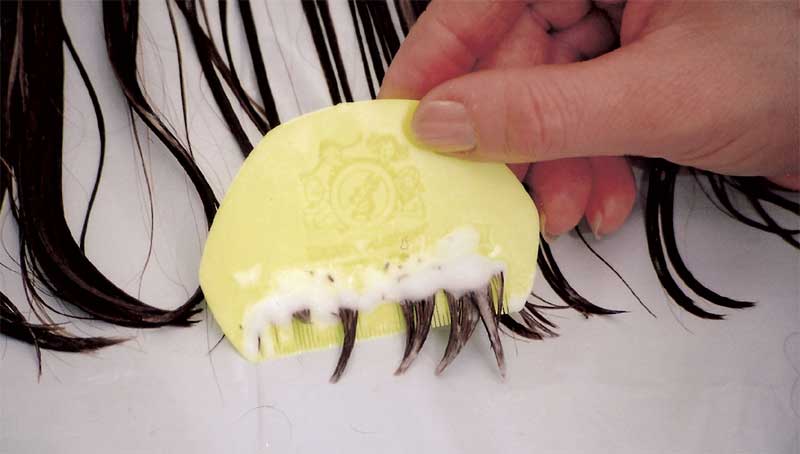
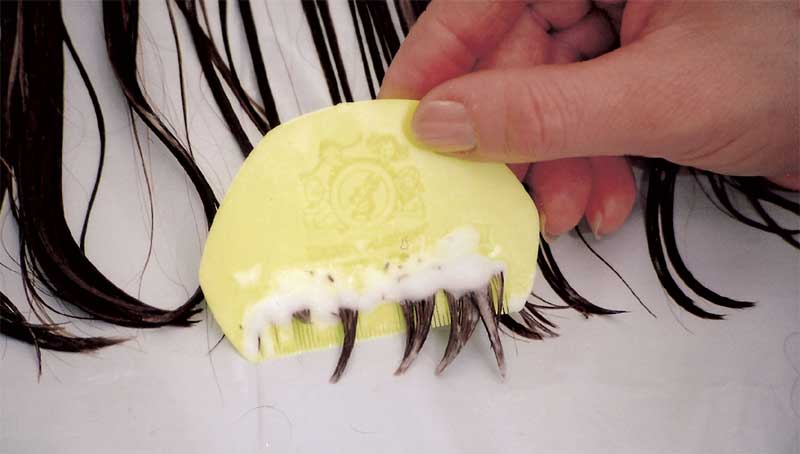
- Use a fine-tooth nit comb on damp hair to physically remove eggs from the scalp.
- Wash bedding, clothing, and hair tools in hot water or seal them away for at least 48 hours.
- Check and treat all close contacts in the household to prevent reinfestation.
Living in a healthy environment is what many people would opt for but, observing hygiene is quite challenging and many others have failed to achieve it. Other than contacting diseases that are caused as a result of poor hygiene, one can also get lice. Well, lice can also be obtained through sharing personal items such as clothes and combs. Some people contradict everything and say that lice are not caused by poor hygiene. The secret behind to get rid of lice is finding the best way possible to suffocate them. Find out more about home remedies for lice without spending much cash of money as this article mainly focuses on the home remedies for lice:
Guide
- First it’s vital to understand what are lice and what do they want in human beings. Well, these are parasites and depend on human blood. They have millions and millions of invisible eggs that make them survive even more because when the adult lice are killed, the eggs will not die so when they are exposed, they give rise to young ones and the cycles continue. This is why an individual should be keen while handling lice.
- All home remedies work on the same principle, ‘suffocation, and all in all, they work best when the hair is combed. As a matter of fact, one should comb the hair taking smaller portions and brushing the scalp. This action can be facilitated by using tea tree oil, apply it on the scalp and this will make the lice stick on the comb. Moreover, this oil has antiseptic properties that would probably suffocate the lice and kill them. It is vital that there are also other oils that will assist in getting rid of lice, they include: cinnamon, clove, peppermint, neem, lavender and nutmeg oil to mention but a few. The procedure for using these oils is the same for all of them; just check the most suitable for the type of skin. Note; some skin types do react with some oil:
- Make a mixture of the chosen oil and essential oil
- Using a cotton ball, apply the mixture on the scalp.
- Give time for reaction (12 hours)
- Then wash the scalp using shampoo or an appropriate soap
- Rinse with clean water
Did you know that salt can also be used to get rid of lice? Well, this is one of the most available commodities at home hence an individual won’t spend a lot just to use it. Salt has worked perfectly well by desiccating the lice. This is the simple procedure that must follow when using salt
Guide
- Mix equal amounts of salt and vinegar, e.g. a quarter full cup of salt and vinegar
- Rub or spray the scalp using the solution, wear a shower cap and leave it for twelve hours
- Clean the scalp using soap and hair conditioner.
- Repeat the procedure for a period of two to three weeks for best results
Another way of eradicating lice is through using garlic due to its strong fragrance. It works best when it is mixed with lime juice. The procedure is as simple as:
- Grind ten cloves of garlic
- Mix with 100ml of lime juice
- Spray or apply the mixture on the scalp and leave it for an hour for the reaction to take place
- Rinse the scalp using a mild soap and warm water.
- Apply the mixture on a daily basis for a period of one month for best results.
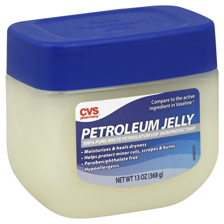
This one will surprise you; petroleum jelly has also been used successfully as one of the best home remedies for lice. This is mainly because it stifles active lice. This is the right procedure to consider while using petroleum jelly:
- The scalp should be covered in a thick layer of petroleum jelly.
- Cover the head using a clean piece of cloth while going to bed.
- When morning comes, remove the stifled lice by combing the hair thoroughly.
Most people would say that home remedies are not the best for eradicating lice, well, one secret behind it is patience. These remedies need time and should not be skipped in any way. This will help to suffocate the lice more and even kill their eggs. Moreover, it is vital to observe cleanliness. Wash the children using warm water and appropriate soap especially after they have come from school or from play and change their clothes. Moreover, the clothes should be laundered properly using best detergents. Even though many people would say that lice do not spread as a result of lack of hygiene, one can get them from sharing combs and head scurf, which should be avoided at all cost.
Home remedies for lice treatment
Many people will feel embarrassed whenever they realize lice on their head. They would panic and even worsen the situation. Well, this is not a big deal; the biggest deal is how to treat the lice. This is why is always important to beware of such cases and always check your hair or the children’s using a nit comb. Well, according to most doctors, they will recommend over the counter medication such as pediculicides which should be applied on the hair when it is dry, left for some time then rinse the hair using shampoo and clean water. Well, according to other experts, treatment should start from home and not from an individual. For instance, the beddings and under the bed should be sprayed using an insecticide that not only kill the adult lice but also the eggs. After which, the individuals should now consider taking over the counter medication.
For some families, they will rash into treated only the infected individuals. Well, this is not advisable as every member of the family should be checked if at all others have lice then all of them should be treated. This is to prevent spreading of lice from one individual to another by treating one and leaving others. After treatment, it is important to inform close friends about lice so that they can also check for them. Failure to do this, then treating only yours will be useless.
Why lice treatments sometimes fail and how to prevent reinfestation
One of the most frustrating parts of trying to get rid of lice is watching them return days after treatment. This usually happens because nits, the tiny eggs firmly glued to hair shafts, survive the first round of treatment while the adult lice are killed. Eggs typically hatch within seven to ten days, which means a single application of oil, salt, or over-the-counter shampoo is rarely enough. To break the cycle, repeat your chosen remedy on schedule, usually every five to seven days, and use a fine-tooth nit comb to slide eggs off damp hair from scalp to ends each time you wash.
Cleaning combs, bedding, and clothing after lice treatment
Treating the scalp is only half the battle; lice can linger on hats, pillowcases, hair ties, combs, and towels for a short period. Wash clothing, sheets, and pillowcases used in the previous two days in hot water and dry them on a high-heat setting. Soak combs, brushes, and hair accessories in water heated to at least 130°F for ten minutes, or seal them in a plastic bag for two weeks if they cannot be washed. Items that cannot be laundered can be placed in a sealed bag away from the scalp for forty-eight hours, since lice away from a human host generally die within one to two days.
When to see a doctor for lice
Home remedies work best for mild, early infestations, but medical help is sometimes necessary. See a healthcare provider if live lice remain after two rounds of treatment, if the scalp becomes red, swollen, or oozing, or if the person has a fever or signs of skin infection from scratching. A doctor may prescribe stronger topical treatments such as benzyl alcohol lotion, ivermectin lotion, or malathion, which can be more effective against resistant lice. Children younger than two months and anyone with allergies, asthma, or sensitive skin should consult a clinician before using essential oils or medicated shampoos.
For related advice, see [Best Hairstyles for Every Hair Type](/best-hairstyles-for-every-hair-type), [Causes of Hair Loss in Women](/causes-of-hair-loss-in-women) and [Coconut Oil Hair Treatment](/coconut-oil-hair-treatment).
Dermatologists and pediatricians commonly recommend a combined approach for lice: apply a suffocating or medicated treatment, follow up with thorough nit combing, and repeat the process to catch newly hatched lice before they can lay eggs. They also emphasize that cleaning the environment and checking household contacts are essential, because treating the scalp alone often leads to quick reinfestation.
Conclusion
Learning how to get rid of lice takes patience, consistency, and attention to both the scalp and the surroundings. Whether you choose tea tree oil, salt and vinegar, petroleum jelly, or an over-the-counter pediculicide, the most important steps are repeating the treatment, combing out nits, and cleaning items that touch the hair. Missing any of these steps often gives surviving eggs a chance to hatch and restart the infestation.
Prevention matters just as much as treatment. Avoid sharing combs, hats, headphones, hair accessories, and pillows, and check children's hair regularly, especially after school or sleepovers. By combining careful home care with smart hygiene habits, you can clear lice and keep them from coming back.
Frequently Asked Questions
Last updated
This article is for informational purposes only and does not constitute medical advice. Consult a licensed dermatologist or healthcare provider before starting any new treatment.
Beauty & Hair Care Editor
Amanda Gurton is a beauty editor and researcher with a focus on translating dermatology and trichology insights into clear, actionable advice. She covers skincare routines, hair health, ingredient science, and everyday beauty habits.
Comments (0)
Be the first to comment.
Related Articles
Scalp Buildup: Signs You Have It and How to Remove It
Learn the signs of scalp buildup, what causes it, and effective methods to safely remove product and oil buildup from your scalp.

Protective Hairstyles That Prevent Heat and Manipulation Damage
Discover protective hairstyles that reduce heat and manipulation damage, plus tips for maintaining hair health while wearing them.
Keratin Treatments: Pros, Cons, and What to Expect
Learn how keratin treatments work, the real pros and cons, what to expect during and after, and whether it's right for your hair.
Leave-In Conditioner 101: How and When to Use It
Learn what leave-in conditioner does, how it differs from regular conditioner, and how to use it correctly for your hair type.