 Funky Millions
How to Get Rid of Nits
Quick summary
Key Takeaways
- Adult lice must be eliminated first because they will continue laying new eggs until they are removed.
- Vinegar rinses can loosen nits, but thorough combing with a fine-toothed metal nit comb is what removes them.
- A second treatment after seven to ten days catches newly hatched lice before they can reproduce.
- Wash or isolate hats, bedding, combs, and brushes used in the previous 48 hours to prevent reinfestation.
Lice are tiny and are insects that do not have wings. They live on the human scalp. They don’t get too big and are just the same size as a sesame seed and sometimes even smaller. Just as mosquitoes, head lice, and nits feed themselves blood. They suck blood from the human scalp. However, lice cannot fly, unlike the mosquitoes. Hence, they cannot jump from one host to the other like the mosquitoes. They can just crawl from one part of the scalp to the other. People, mostly children get lice by the head to head contact with others. But they can also get lice by sharing personal commodities such as combs, headband, and even hats.
How to Get Rid of Nits
The female louse lays the eggs, obviously. Their colour blends in the hair easily that is why they are difficult to see and pretty hard to remove. They louse lays her eggs near to the root of the hairs.
When these eggs hatch, tiny eggshells are left behind. These eggshells are referred to as nits. These nits often get confused with dandruff and even sand flakes. These nuts can be a prominent indication that there are lice in your hair, and you need to take measures to remove these lice. Otherwise, you are going to have to deal with immense itching and even pain because these lice that just crawled out of their eggs will need to feed. And they will use your blood as their food.
Nits or lice are parent’s nightmare. It gets hard for the children that have nits and lice. They become embarrassed and even frustrated. They can find themselves uncomfortable at their schools or even when they are with their friends. But mostly it is the mother who is at her sharp end. It is her responsibility to clear this mess and it the mother who is accommodated with this workload.
When you are trying be get rid of the lice in your hair or your child’s hair, the job should be done completely. That means getting rid of the nits or the egg shells in also very important. These nits should be identified and removed before they hatch. Their effective removal will mean that the person affected will not have to suffer any pain or suffering in the future, and it will also mean that the lice will not spread among the family members and friends, and even the pets will be safe if you have any. Hence, it should be made sure that you take care of the job and complete it in the first attempt.
Extermination of Adult lice
Even if you can get rid of nits beforehand, it will not be of any good to you because the adult lice will still be there to lay some more eggs. Until there area adult lice present on your scalp, there will always be more nit eggs in your hair. These eggs will continue to hatch and grow into adult lice. These lice will continue to lay more eggs, and the process will go on. To eradicate the lice from your hair, the affected person needs to wash his hair with anti-lice shampoo. You can also consult a professional and use prescribed tonics on your hair if there is a special case of lice in your hair. In some extreme cases, Prescription-strength lice shampoos are also useful. It has been duly noted that submerging our head under water and trying to drown the lice is not effective. The lice can cling to your hair and scalp and can potentially live underwater for many hours. Even if you go into a swimming pool where there is chlorinated water, even that won’t be of any help because to kill the lice, chlorine is not much effective.
Use of vinegar
After the showering part, make yourself comfortable in a place with sufficient amount of light and cover your shoulders with a towel so that you can catch any falling nits or hair. The net eggs on your head are covered with a substance that is sticky that helps them to be bound to your hair and scalp. Vinegar can be used to neutralize this sticky substance making them free. Thus, this option is far better for removing nit eggs. Kneel down in front of your bath tub and put your head in it. Make your hair damp with warm water then turn the tap off. Now thoroughly rinse your hair with vinegar making sure that every strand of hair has been dampened with vinegar. Now wash your hair with water to clear out all the vinegar in your hair.
Or you can use an alternative method for rinsing your hair with vinegar. You can use a tub and prepare a mixture of half part water and half part vinegar and then soak your hair in that mixture either dipping backward or forwards into the solution that you made.
Using a nit comb
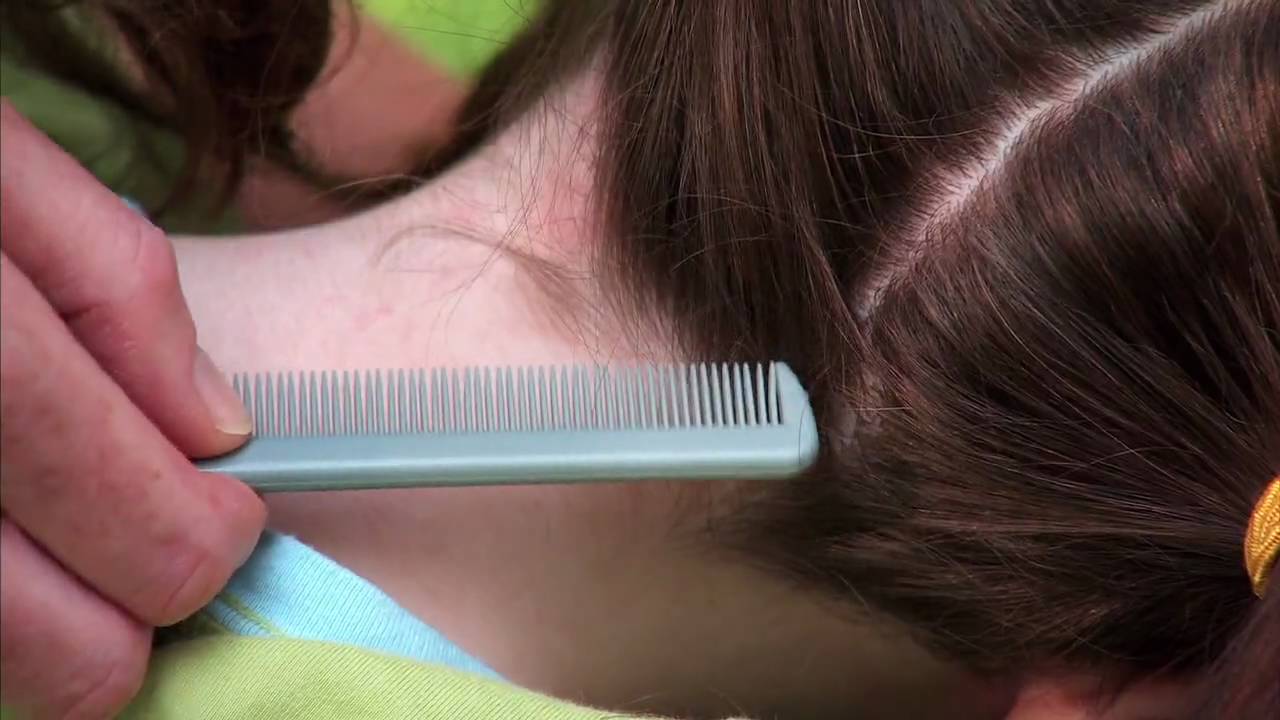
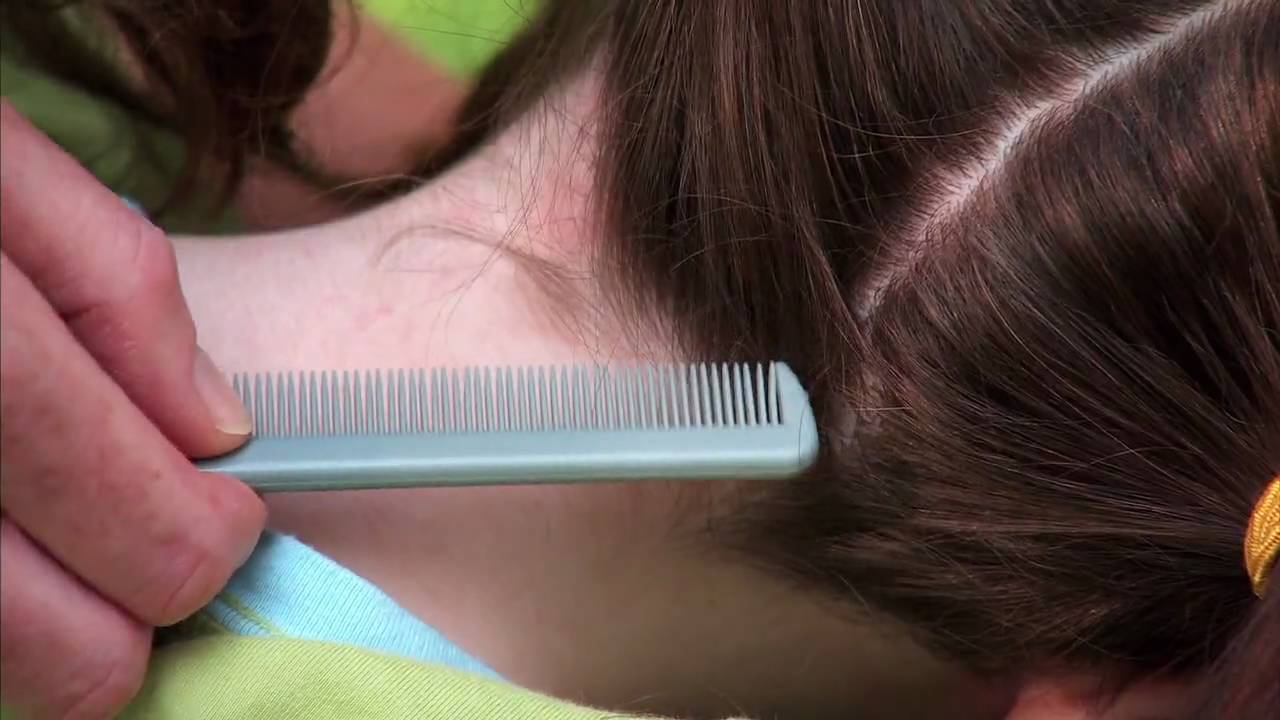
Using a nit comb would be easy and painless. Now try combing the nits out with a nit comb. Use a nit comb that is fine-toothed. Use a metal comb in place of a plastic one if it is available. After using vinegar, an immense number of nit eggs could be rinsed out from your hair but a huge number of nit eggs could still prevail in your scalp. You can work your way through small sections of your hair along the breadth of the comb and taking your time will eventually lead to the eradication of any remaining nit eggs. One you have done combing one portion, pin it so that re-infestation can be avoided. Now continue the same process until all of your hair is clean from nit eggs.
After this is done, you may like to wash your hair one last time and also would like to use lice removal shampoo just to be sure. After washing and drying, check your hair for any signs of nit egg or maybe adult lice and if you do start the process all over again until you are free from lice.
Also Read Home remedies for lice. How to Get Rid of Lice
How Long Nits and Lice Survive Off the Scalp
Nits are firmly glued to hair shafts and usually cannot survive once the hair has fallen away from the scalp because they need body heat to incubate. Adult lice, however, can live for roughly one to two days on clothing, hats, bedding, or furniture at room temperature. After that period they dehydrate and die, so it is not necessary to deep-clean the entire home, but it is wise to focus on items that touched the head in the previous 48 hours.
Cleaning Combs, Brushes, Hats, and Bedding
Any combs, brushes, or hair accessories used by the affected person should be soaked in hot water, ideally at least 60 °C, for 10 minutes. Hats, scarves, pillowcases, and towels can be machine-washed on a hot cycle and tumble-dried on high heat. Items that cannot be washed can be sealed in a plastic bag for two days, which is long enough for any stray lice to die.
When to Repeat the Treatment
Many anti-lice shampoos kill live lice but do not reliably kill all eggs, so a second treatment is often needed seven to ten days later. This timing targets nymphs that have hatched since the first treatment before they mature and lay new eggs. Between treatments, daily combing with a fine-toothed nit comb helps remove eggs before they hatch.
What to Do If Nits Persist
If nits remain after two properly spaced treatments, check that the product was applied to dry hair and left on long enough, and that combing reached the scalp along all sections. Some lice have developed resistance to common over-the-counter insecticides, so a pharmacist or doctor may recommend a different active ingredient. Persistent cases may also be misidentified dandruff or product buildup, so a magnifying glass or a trained eye can help confirm whether the specks are truly nits.
For related advice, see [Best Hairstyles for Every Hair Type](/best-hairstyles-for-every-hair-type), [Causes of Hair Loss in Women](/causes-of-hair-loss-in-women) and [Coconut Oil Hair Treatment](/coconut-oil-hair-treatment).
Dermatologists and pediatricians commonly recommend a combined approach for head lice: use an evidence-based anti-lice treatment exactly as directed, then follow up with meticulous wet-combing to remove nits before they hatch. They also advise against relying on home remedies such as mayonnaise, essential oils, or drowning lice, since these methods have limited or inconsistent evidence and can delay effective treatment.
Conclusion
Getting rid of nits requires more than a single wash: it takes killing adult lice, loosening the glue that holds eggs to the hair, and mechanically removing the eggs with a fine-toothed comb. Repeating the treatment and cleaning recently used combs, hats, and bedding prevents the cycle from restarting.
While lice are unpleasant and can be frustrating, they do not reflect poor hygiene and they can be cleared with patience and the right method. Treat promptly, comb thoroughly, and seek professional advice if the infestation does not improve after two treatment cycles.
Frequently Asked Questions
Last updated
This article is for informational purposes only and does not constitute medical advice. Consult a licensed dermatologist or healthcare provider before starting any new treatment.
Beauty & Hair Care Editor
Amanda Gurton is a beauty editor and researcher with a focus on translating dermatology and trichology insights into clear, actionable advice. She covers skincare routines, hair health, ingredient science, and everyday beauty habits.
Comments (0)
Be the first to comment.
Related Articles
How to Build an Efficient Wash Day Routine for Curly Hair
Learn how to build an efficient, effective wash day routine for curly hair, from pre-poo to styling, without spending your entire day on it.
Sulfate-Free Shampoo: Who Actually Needs It?
Learn what sulfate-free shampoo actually means, the real pros and cons, and whether switching is genuinely necessary for your hair type.
Silicone-Free Haircare: What It Means and Who Needs It
Learn what silicone-free haircare means, why some people avoid silicones, and whether switching is right for your hair type.
Scalp Microbiome and Hair Health: What the Research Shows
Learn how the scalp microbiome affects hair health, dandruff, and hair loss, and how to support a balanced scalp ecosystem.