 Funky Millions
Keratin Treatments: Pros, Cons, and What to Expect
Learn how keratin treatments work, the real pros and cons, what to expect during and after, and whether it's right for your hair.
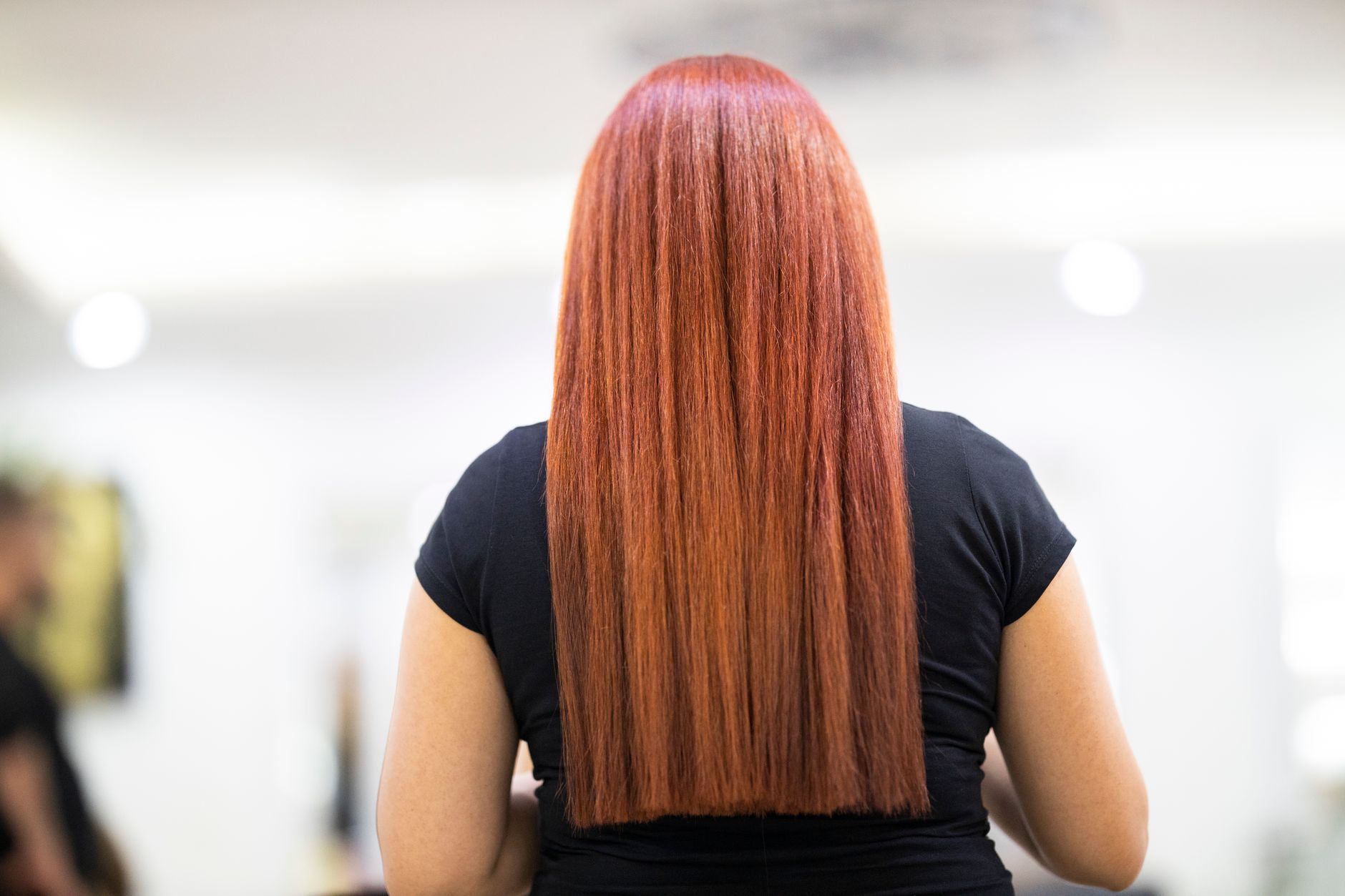
Quick summary
Key Takeaways
- Keratin treatments primarily smooth the hair cuticle through a heat-activated protein solution rather than fundamentally rebuilding the hair's internal structure.
- The heat-sealing step is central to how keratin treatments achieve their long-lasting smoothing effect, distinguishing the process from a simple deep-conditioning treatment.
- Keratin treatments vary significantly in formaldehyde content, longevity, and straightening strength, making it important to clarify exactly which type you are getting before booking.
- While keratin treatments offer significant frizz reduction and manageability benefits, cost, time commitment, and chemical exposure concerns are real trade-offs worth weighing.
- Formaldehyde exposure is a genuine safety consideration with traditional keratin treatments, making it worth confirming the specific formulation and ventilation practices at any salon you consider.
- The full keratin treatment process typically takes two to four hours and involves washing, application, processing, and heat sealing.
- Keratin treatments are a comparatively gentler, temporary smoothing option positioned between no chemical processing and more permanent, intensive services like relaxers or Japanese thermal reconditioning, making them a middle-ground choice for those wanting smoothing benefits without a permanent commitment.
- Coloring hair before a keratin treatment, with a one-to-two-week gap between services, generally produces more predictable results for both the color and the smoothing treatment than doing keratin treatment first.
Keratin treatments promise smoother, more manageable, frizz-free hair for months at a time, but the process involves real chemical exposure and trade-offs worth understanding before booking an appointment. This guide covers exactly how keratin treatments work, the genuine benefits and drawbacks, and what to realistically expect throughout the process.
What Is a Keratin Treatment?
A keratin treatment is a professional chemical service designed to smooth the hair cuticle, reduce frizz, and add shine by coating and, in some formulations, partially altering the hair's protein structure. Despite the name, most keratin treatments do not add significant amounts of new keratin to the hair, the treatment's primary mechanism involves heat-activated bonding of a protein solution to smooth the cuticle rather than a substantial structural rebuild.
How Keratin Treatments Actually Work
The process typically involves washing the hair, applying a keratin-based solution, and then using a flat iron at high heat to seal the product into the hair shaft. This heat-sealing step is what "locks in" the smoothing effect, temporarily bonding the solution to the hair's outer cuticle layer and, in stronger formulations, partially breaking and reforming some of the hair's natural bonds to achieve longer-lasting straightening or smoothing.
Types of Keratin Treatments
| Type | Formaldehyde Content | Longevity | Straightening Strength |
|---|---|---|---|
| Traditional (Brazilian Blowout style) | Often contains formaldehyde or releases it when heated | 3-5 months | Strong smoothing/straightening |
| Formaldehyde-free | Uses alternative bonding agents | 2-4 months | Moderate smoothing |
| Express/gentler keratin treatments | Minimal to no formaldehyde | 4-8 weeks | Light smoothing, less straightening |
Pros of Keratin Treatments
- Significant frizz reduction, often the most dramatic and consistently reported benefit
- Reduced styling time, since hair requires less effort to achieve a smooth finish
- Added shine and smoothness that can last for months
- Can make hair more manageable for those with very frizzy or unruly texture
- Longevity, with effects typically lasting three to five months for traditional formulations
Cons of Keratin Treatments
- Cost, often significantly more expensive than other salon services, particularly for longer or thicker hair
- Time commitment, with appointments often taking two to four hours
- Washing restrictions immediately after treatment, typically requiring you to avoid washing hair for 48-72 hours
- Potential chemical exposure concerns, particularly with formaldehyde-releasing formulations
- Gradual change in hair texture, which some people find undesirable if they specifically want to maintain their natural curl or wave pattern
- Requires touch-ups, since the effect fades gradually and requires reapplication to maintain results
The Formaldehyde Question
Formaldehyde and formaldehyde-releasing ingredients have been the most significant safety concern associated with traditional keratin treatments, since these substances are classified as carcinogens with prolonged or repeated exposure, and salon workers performing these treatments regularly face higher cumulative exposure risk than clients receiving occasional treatments. Regulatory bodies in several countries have placed restrictions on formaldehyde levels in these products, and many salons have transitioned to formaldehyde-free formulations, though these alternatives sometimes offer less dramatic or shorter-lasting results.
What to Expect During the Treatment
Step 1: Wash and Prep
Hair is washed with a clarifying shampoo to remove buildup and open the cuticle for better product absorption.
Step 2: Application
The keratin solution is applied section by section throughout the hair.
Step 3: Processing Time
The product is left to process for a specified period, varying by formulation.
Step 4: Heat Sealing
Hair is blow-dried and then flat-ironed at high heat, sealing the treatment into the hair shaft.
Step 5: Rinse (If Applicable)
Some formulations are partially rinsed after processing, while others remain in the hair without rinsing.
Aftercare Requirements
- Avoid washing hair for the specified period after treatment, typically 48-72 hours, to allow the treatment to fully set
- Avoid tying hair back, clipping, or tucking behind ears during this initial period, since this can create unwanted creases in the newly smoothed hair
- Use sulfate-free shampoo afterward, since sulfates can strip the treatment more quickly, reducing its longevity
- Space out washing more than usual, since frequent washing accelerates fading of the treatment's effects
Comparison Table: Keratin Treatment Types
| Consideration | Traditional | Formaldehyde-Free |
|---|---|---|
| Straightening strength | Strong | Moderate |
| Longevity | 3-5 months | 2-4 months |
| Formaldehyde exposure risk | Higher | Lower to none |
| Cost | Often higher | Often comparable or slightly lower |
| Best for | Very frizzy, coarse, or curly hair wanting significant smoothing | Those wanting frizz reduction with lower chemical exposure concern |
Who Should Avoid Keratin Treatments
- Those who are pregnant or breastfeeding, given the potential chemical exposure concerns, particularly with formaldehyde-containing formulations
- People with chemical sensitivities or respiratory conditions, who may react to fumes released during the heat-sealing process
- Those wanting to maintain their exact natural curl or wave pattern, since even "smoothing" treatments gradually alter texture
- Anyone with significantly compromised or over-processed hair, where additional chemical processing could increase damage risk
Keratin Treatments vs. Other Smoothing Services
Keratin treatments are often discussed as though they are the only chemical smoothing option available, but understanding how they compare to other, related services helps clarify why someone might choose one over another based on their specific hair goals and risk tolerance.
Traditional chemical relaxers, which have a much longer history in hair care, work by permanently breaking and restructuring the hair's disulfide bonds to achieve straightening, a fundamentally different and generally more permanent mechanism than keratin treatments' temporary bonding and cuticle-smoothing approach. Relaxers typically require more careful, infrequent touch-up scheduling specifically at new growth to avoid overlapping previously processed hair, since re-processing already relaxed hair significantly increases breakage risk.
Japanese hair straightening (thermal reconditioning) is another related but distinct service, using a different chemical process combined with heat to achieve permanently straight hair, generally producing a more dramatically and permanently straight result than keratin treatments, but also carrying a longer, more expensive salon appointment and generally being considered more damaging to the hair's structure if not performed by a highly experienced specialist.
Compared to both of these more permanent options, keratin treatments occupy a middle ground: less permanent and generally gentler than relaxers or thermal reconditioning, but requiring more frequent reapplication to maintain results, a trade-off between commitment level and chemical intensity that suits different people depending on how dramatically and permanently they want to alter their hair's texture.
Common Mistakes to Avoid
Not Confirming Formaldehyde Content Beforehand
Some salons are not fully transparent about product formulations. Asking directly and researching the specific product line used can help you make an informed decision.
Washing Hair Too Soon After Treatment
Washing before the recommended waiting period can significantly reduce the treatment's effectiveness and longevity.
Choosing an Inexperienced Stylist for This Service
Keratin treatments require precise technique, particularly around heat application, making stylist experience with this specific service important for both results and safety.
Expecting Permanent, Unchanging Results
Keratin treatments fade gradually over months, and hair will return closer to its natural texture over time without touch-up treatments.
Keratin Treatments and Hair That's Already Color-Treated
Combining keratin treatments with hair coloring is common, but the order and timing of these two services matters considerably for both color longevity and the keratin treatment's own effectiveness, making this a worthwhile topic to discuss directly with your stylist rather than assuming either order works equally well.
Most stylists recommend coloring hair before a keratin treatment, waiting at least one to two weeks between the two services, since the keratin treatment's cuticle-sealing effect can make it harder for color to properly penetrate and process if applied afterward. Coloring first, then keratin treatment, allows the color to fully develop and set before the smoothing treatment seals the cuticle, which can also help extend how long the color itself lasts, since a smoother, sealed cuticle is somewhat more resistant to the fading that comes from repeated washing.
If color touch-ups are needed after a keratin treatment has already been done, gentler, ammonia-free, or demi-permanent color options tend to process more predictably on keratin-treated hair than a full permanent color service, since the sealed cuticle can make color absorption less consistent than on untreated hair. Discussing this specific sequencing with your colorist and keratin treatment provider, ideally the same salon coordinating both services, helps avoid unpredictable results from either treatment.
- Research the specific product line your salon uses and ask directly about formaldehyde content.
- Choose a well-ventilated salon, since fumes released during heat sealing are a real consideration, particularly for repeated exposure among salon staff.
- Follow aftercare instructions precisely, particularly the washing waiting period, to maximize the treatment's longevity.
- Space treatments appropriately, generally every three to five months, rather than over-processing hair with too-frequent reapplication.
Conclusion
Keratin treatments offer genuine, significant benefits for reducing frizz and improving manageability, but they come with real trade-offs, cost, time commitment, and, particularly with traditional formulations, formaldehyde exposure concerns that deserve careful consideration. Understanding the different formulation types, confirming exactly what your salon uses, and following aftercare instructions precisely all contribute to a safer, more satisfying outcome if you decide this treatment is right for your hair.
For more on protecting hair from heat-related stress in general, see our guide on how heat protectant works.
Category: Hair Care
Tags: keratin treatment, Brazilian blowout, formaldehyde, hair smoothing, frizz reduction, salon treatments, hair straightening, chemical hair treatment, hair care safety, keratin smoothing
Frequently Asked Questions
References
Last updated
This article is for informational purposes only and does not constitute medical advice. Consult a licensed dermatologist or healthcare provider before starting any new treatment.
Beauty & Hair Care Editor
Amanda Gurton is a beauty editor and researcher with a focus on translating dermatology and trichology insights into clear, actionable advice. She covers skincare routines, hair health, ingredient science, and everyday beauty habits.
Comments (0)
Be the first to comment.
Related Articles
How to Build an Efficient Wash Day Routine for Curly Hair
Learn how to build an efficient, effective wash day routine for curly hair, from pre-poo to styling, without spending your entire day on it.
Sulfate-Free Shampoo: Who Actually Needs It?
Learn what sulfate-free shampoo actually means, the real pros and cons, and whether switching is genuinely necessary for your hair type.
Silicone-Free Haircare: What It Means and Who Needs It
Learn what silicone-free haircare means, why some people avoid silicones, and whether switching is right for your hair type.
Scalp Microbiome and Hair Health: What the Research Shows
Learn how the scalp microbiome affects hair health, dandruff, and hair loss, and how to support a balanced scalp ecosystem.