 Funky Millions
Brow Lamination vs. Microblading: Which Should You Choose?
Brow lamination vs microblading: compare cost, longevity, pain level, and results to decide which brow treatment is right for you.
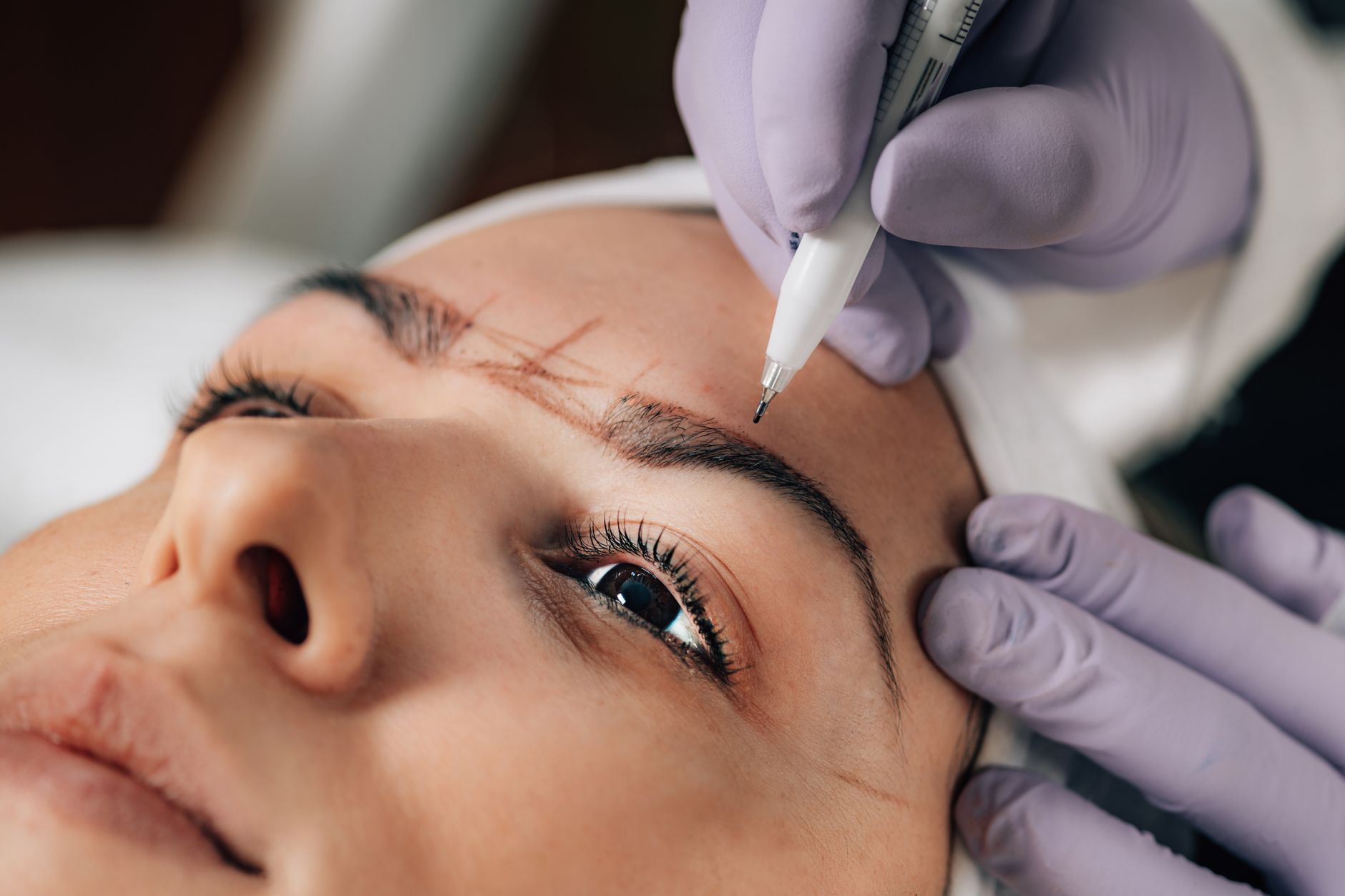
Quick summary
Key Takeaways
- Brow lamination restructures your existing brow hair into a new position using a chemical process, without adding pigment or new hair strands.
- Microblading deposits pigment into the skin in hair-like strokes, creating the appearance of fuller brows through semi-permanent tattooing.
- Brow lamination requires more frequent maintenance appointments given its shorter 6-8 week duration, while microblading's 1-3 year longevity requires less frequent, though still periodic, touch-ups.
- Brow lamination is essentially pain-free with no downtime, while microblading involves some discomfort during the procedure and about a week of visible healing afterward.
- Both treatments require careful short-term aftercare, moisture avoidance for lamination and a more involved healing protocol for microblading, but settle into minimal ongoing daily maintenance once the initial period has passed.
- Combining microblading for sparse areas with periodic lamination for styling can address both density and shape concerns comprehensively.
- Oily skin can affect microblading's crispness and longevity, sometimes making alternative pigment techniques more suitable, while brow lamination's chemical solution warrants a patch test for anyone with sensitive or reactive skin.
- Brow lamination requires no active reversal process and simply grows out naturally, while microblading requires involved, imperfect removal procedures if results are unsatisfactory, reinforcing the importance of careful decision-making before committing to this more permanent option.
Both brow lamination and microblading promise fuller, more defined eyebrows, but they achieve this through completely different processes, one temporary and non-invasive, the other semi-permanent and involving actual pigment implantation. Comparing brow lamination vs microblading across cost, longevity, pain level, and maintenance helps you determine which treatment actually matches your goals and lifestyle.
What Is Brow Lamination?
Brow lamination is a non-invasive treatment that uses a chemical solution to restructure and reposition existing brow hairs, brushing them into a fuller, more uniform, upward or angled direction. It works entirely with your natural brow hair, essentially "perming" the hairs into a new position rather than adding any pigment or hair.
What Is Microblading?
Microblading is a semi-permanent cosmetic tattooing technique that uses a handheld tool with fine needles to deposit pigment into the skin in hair-like strokes, creating the appearance of individual brow hairs. It is particularly popular for filling in sparse areas or creating a fuller shape for those with naturally thin or over-plucked brows.
Key Differences in Process
| Feature | Brow Lamination | Microblading |
|---|---|---|
| Mechanism | Chemically restructures existing hair | Deposits pigment via tattooing technique |
| Invasiveness | Non-invasive | Semi-invasive (breaks skin surface) |
| Adds pigment | No | Yes |
| Works with existing hair only | Yes | No, can fill sparse areas |
| Reversibility | Fully temporary, grows out naturally | Semi-permanent, fades but does not fully disappear quickly |
Brow Lamination vs. Microblading Comparison Table
| Factor | Brow Lamination | Microblading |
|---|---|---|
| Longevity | 6-8 weeks | 1-3 years |
| Pain level | Minimal to none | Mild to moderate |
| Cost | Lower ($50-150 typically) | Higher ($300-800 typically) |
| Downtime | None | A few days of scabbing/flaking |
| Best for | Enhancing existing brow hair | Filling sparse areas, creating shape |
| Commitment level | Low | Higher |
Longevity and Maintenance
Brow lamination typically lasts 6 to 8 weeks before the effect fully grows out, requiring regular touch-up appointments to maintain the look. Microblading lasts considerably longer, typically 1 to 3 years depending on skin type, sun exposure, and skincare routine, though it does require touch-up sessions for optimal freshness, typically annually or as needed.
Cost Comparison
Brow lamination is significantly less expensive per session, though the frequent touch-up schedule means costs accumulate over time for those maintaining the look continuously. Microblading has a higher upfront cost but a much longer duration between full treatments, which can make it more cost-effective over a multi-year period despite the higher initial investment.
Pain and Recovery
Brow lamination involves minimal to no discomfort, since it does not break the skin's surface, and requires no downtime or recovery period. Microblading involves breaking the skin's surface with the tattooing tool, resulting in mild to moderate discomfort during the procedure (though numbing cream is typically used) and a recovery period of about a week involving scabbing and flaking as the skin heals.
Who Should Choose Brow Lamination
- Those with naturally full brows wanting a more polished, uniform shape without any permanent commitment
- People wanting a low-cost, low-commitment option to try a fuller brow look
- Anyone hesitant about needles or semi-permanent procedures
- Those wanting to try a bold brow trend temporarily before committing to anything longer-lasting
Who Should Choose Microblading
- Those with naturally sparse or over-plucked brows needing to fill in gaps rather than simply reposition existing hair
- People wanting a longer-lasting solution without daily brow makeup application
- Anyone with brow hair loss from conditions like alopecia or over-plucking that lamination alone cannot address
- Those comfortable with a semi-permanent cosmetic procedure
Our guide on how to shape and fill eyebrows naturally covers non-permanent alternatives for those not ready for microblading.
Maintenance Routine Differences at Home
Beyond the professional touch-up schedule, each treatment requires a different day-to-day home maintenance approach to preserve results between appointments, worth planning for before committing to either option.
Brow lamination requires daily brushing with a spoolie to maintain the styled direction, along with avoiding excessive moisture, rubbing, or oil-based products directly on the brows in the days immediately following treatment, since the freshly restructured hair is more vulnerable to reverting during this initial period. After the first 48 hours, brow lamination generally requires minimal ongoing care beyond occasional brushing to keep the style looking neat.
Microblading requires more involved aftercare during the initial two-week healing period specifically, including avoiding water, sweat, and sun exposure on the treated area, along with applying a specific healing balm as directed by the technician. Once fully healed, ongoing maintenance is minimal, though daily sun protection on the brow area helps preserve pigment vibrancy and slow fading over the treatment's multi-year lifespan.
Can You Do Both?
Yes, some people combine both treatments, using microblading to fill in genuinely sparse areas with semi-permanent pigment, then periodically lamination to keep the surrounding natural brow hair polished and uniformly styled. This combination approach addresses both hair density concerns (microblading) and hair styling concerns (lamination) simultaneously.
Skin Type Considerations for Each Treatment
Skin type plays a meaningful, sometimes decisive role in how well each treatment performs and how long results last, an important factor beyond the general cost and longevity comparisons already discussed.
For microblading specifically, oily skin presents a well-documented challenge, since excess oil production can cause the fine, hair-like pigment strokes to blur or spread slightly over time, sometimes resulting in a softer, less crisp appearance than the same procedure would produce on drier or more normal skin. This does not mean oily skin cannot get microblading, but it does mean results may fade or blur somewhat faster than the typical 1-3 year window, and many technicians recommend a different, sometimes shading-based technique (like ombré or powder brows, which use a different pigment deposition method) for very oily skin specifically because it tends to hold up better than the fine-line strokes traditional microblading relies on.
For brow lamination, skin sensitivity is the more relevant consideration, since the chemical solution used in the process can cause irritation for those with particularly reactive or sensitive skin, similar to the sensitivity concerns relevant to other chemical hair treatments discussed elsewhere in our hair care content. A patch test, applying the solution to a small area 24 to 48 hours before a full treatment, is generally recommended for anyone with a history of sensitivity to chemical treatments, regardless of which specific brow service they are considering.
Common Mistakes to Avoid
Choosing Microblading Purely for Convenience Without Considering Commitment
Microblading's semi-permanent nature means an unsatisfactory result cannot be easily undone, making thorough research and technician selection especially important before committing.
Expecting Lamination to Fill Sparse Areas
Lamination only works with existing hair, repositioning it for a fuller appearance, but it cannot add hair or fill genuinely empty patches the way microblading's pigment deposition can.
Choosing an Inexperienced Technician for Microblading
Given its semi-permanent, skin-breaking nature, technician skill and experience matter significantly for microblading in a way that carries less risk with the fully reversible lamination process.
Not Following Aftercare Instructions
Both treatments have specific aftercare requirements, moisture avoidance for lamination in the first 24 hours, and careful healing protocols for microblading, that significantly affect final results if not followed.
What Happens When You Want to Reverse or Change Course
Understanding the reversal process, or lack thereof, for each treatment is an important practical consideration that deserves more attention than it typically receives during the initial decision-making process, particularly given how differently the two treatments behave if you later decide you want a different look.
Brow lamination requires no reversal process whatsoever, since the effect naturally grows out within 6 to 8 weeks as new, unaffected hair replaces the chemically restyled strands. If you are unhappy with a lamination result, the simplest solution is often just waiting for it to grow out, or in more urgent cases, a technician may be able to apply a neutralizing solution to help reverse the effect somewhat faster, though this is less commonly needed given the treatment's inherently temporary nature.
Microblading, by contrast, cannot be easily or completely reversed once applied, since the pigment has been deposited into the skin. Removal options exist, including laser tattoo removal or saline removal techniques, but these processes are themselves multi-session, sometimes uncomfortable procedures that do not guarantee complete pigment removal, and can potentially cause scarring or other skin changes in the treated area. This is precisely why thorough research, technician vetting, and even requesting a trial drawing with a temporary marker before the actual procedure are so strongly recommended for microblading specifically, the stakes of an unsatisfactory result are considerably higher than with lamination.
- Choose lamination for a low-commitment trial of a fuller brow look before considering more permanent options.
- Research microblading technicians thoroughly, checking portfolios and reviews, given the semi-permanent nature of the procedure.
- Consider your brow hair density honestly when choosing between the two, since lamination cannot address genuinely sparse areas.
- Factor in the total cost over time, not just the upfront price, when comparing the two options for your budget.
Conclusion
The brow lamination vs microblading decision ultimately comes down to your specific brow concerns, budget, and comfort with semi-permanent procedures. Lamination offers a low-cost, pain-free, temporary way to style existing brow hair into a fuller shape, while microblading provides a longer-lasting, semi-permanent solution for genuinely sparse or uneven brows. Understanding what each treatment can and cannot address helps you choose the option, or combination, that actually matches your brow goals.
For non-permanent brow enhancement options, see our guide on how to shape and fill eyebrows naturally.
Category: Makeup
Tags: brow lamination, microblading, eyebrow treatments, semi-permanent makeup, brow shaping, cosmetic tattooing, beauty treatments, eyebrow enhancement, brow trends, makeup procedures
Frequently Asked Questions
References
Last updated
This article is for informational purposes only and does not constitute medical advice. Consult a licensed dermatologist or healthcare provider before starting any new treatment.
Beauty & Hair Care Editor
Ilma is a beauty editor who specializes in breaking down cosmetic ingredients, skincare routines, and hair care practices. Her work focuses on evidence-based guidance readers can trust and apply.
Comments (0)
Be the first to comment.
Related Articles
Setting Powder vs. Setting Spray: Do You Need Both?
Setting powder vs setting spray: learn the real differences, whether you need both, and how to layer them for makeup that lasts all day.

Bare-Minimum Makeup: The Ultra-Minimal "No-Makeup" Technique
Master the ultra-minimal, bare-skin version of the no-makeup look, with fewer products than a standard natural makeup routine, seasonal adjustments, and skin-concern fixes.
Makeup Mistakes That Age Mature Skin (and What to Do Instead)
Discover common makeup mistakes that can age mature skin, from wrong product textures to outdated techniques, and learn what to do instead.
Do You Actually Need a Makeup Primer? What It Really Does
Learn what makeup primer actually does, whether you really need one, and how to choose the right primer for your skin type and concerns.