 Funky Millions
Makeup Mistakes That Age Mature Skin (and What to Do Instead)
Discover common makeup mistakes that can age mature skin, from wrong product textures to outdated techniques, and learn what to do instead.
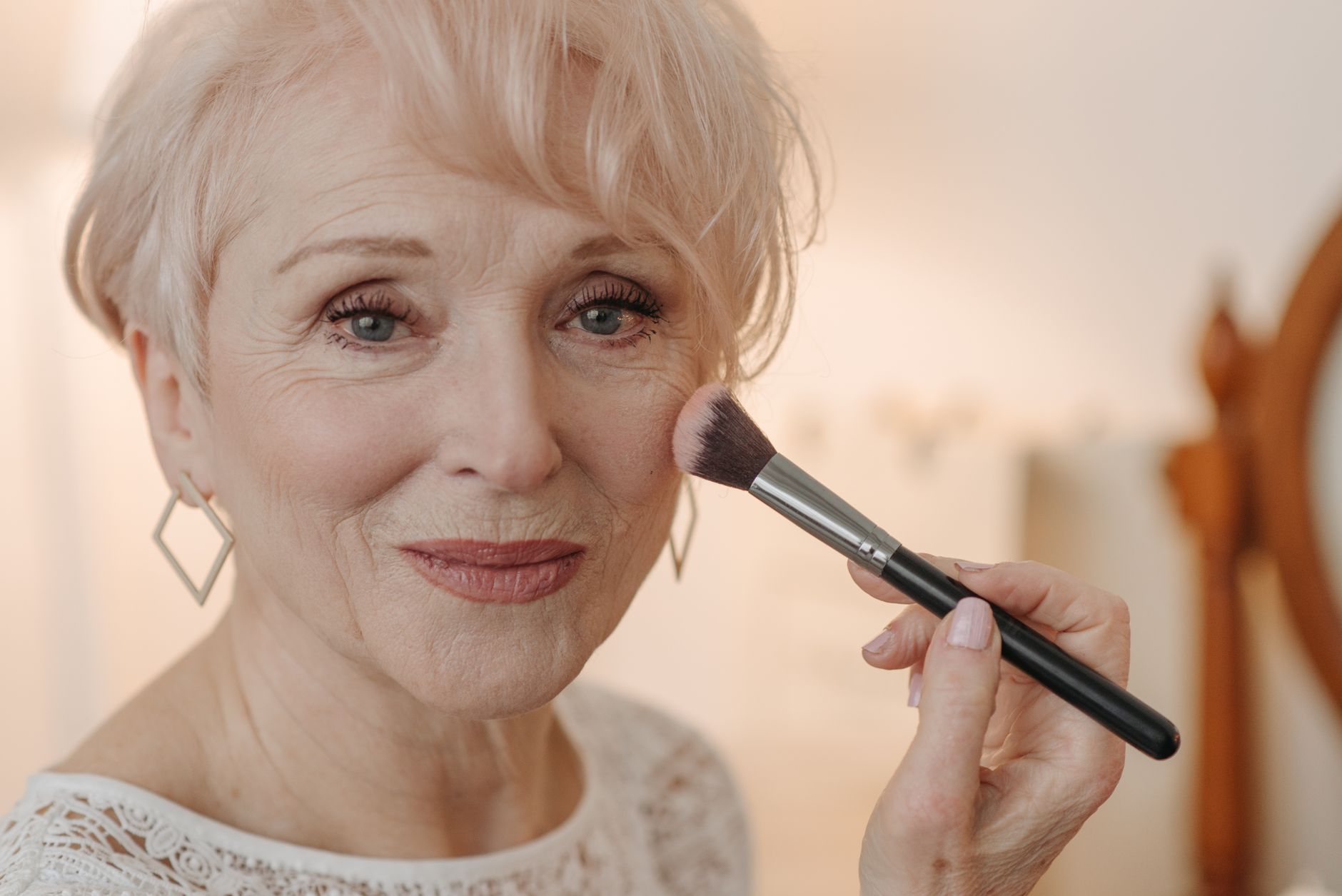
Quick summary
Key Takeaways
- Mature skin's changed characteristics, reduced elasticity, moisture, and textural evenness, mean makeup approaches genuinely need to adapt rather than remaining static throughout life.
- Adequate hydration before makeup application matters more for mature skin than any single product choice afterward.
- Hydrating lip formulas and careful liner use address a specific, common age-related makeup challenge that many people overlook.
- Shifting eyeshadow placement higher to account for reduced visible lid space, and favoring powder over cream formulas for better crease resistance, are technique adjustments worth considering alongside the formula changes discussed elsewhere in this guide.
- This routine prioritizes hydration and lightweight, dewy-finish products at every step, addressing the most common mistakes that can inadvertently age mature skin.
- Reduced collagen and elastin, decreased natural oil production, and how different finishes interact with light on textured skin all explain, at a biological level, why the makeup adjustments discussed throughout this guide genuinely help rather than simply reflecting current styling preferences.
- Individual variation in how skin ages means these guidelines work best as a starting framework for experimentation rather than universal rules, with personal observation of how your own skin responds ultimately mattering more than general age-based recommendations.
Certain makeup habits that work well on younger skin can inadvertently emphasize fine lines, settle into texture, or create a heavier, less youthful appearance on mature skin. Understanding these common mistakes, and the specific adjustments that address them, helps mature skin achieve a polished, genuinely flattering makeup look rather than one working against its natural characteristics.
Why Makeup Needs Change With Age
As skin ages, it naturally loses some elasticity, moisture retention capacity, and evenness of texture, meaning products and techniques optimized for younger, more resilient skin can behave quite differently, and sometimes less flatteringly, on mature skin. Adjusting your approach is not about avoiding makeup but about choosing formulas and techniques that work with, rather than against, these natural changes.
Mistake 1: Using Matte, Heavy-Coverage Foundation
Matte, full-coverage formulas can settle into fine lines and create a flat, heavier appearance that emphasizes rather than minimizes signs of aging. Instead: choose a dewy or satin-finish, lighter to medium coverage foundation, which reflects light more favorably and moves more naturally with the skin's texture. Our guide on cream vs. liquid vs. powder foundation covers finish options in more depth.
Mistake 2: Overpowdering
Heavy, all-over powder application can emphasize fine lines and create a dry, aged appearance, particularly in already texture-prone areas like around the eyes and mouth. Instead: use powder sparingly and only in specific oil-prone areas, allowing the rest of the face to maintain a more natural, dewy finish.
Mistake 3: Using the Wrong Concealer Texture
Thick, heavy concealer, particularly under the eyes, can crease into fine lines throughout the day, drawing more attention to the area than a lighter application would. Instead: use a lightweight, hydrating concealer applied in a thin layer, setting minimally with just enough powder to prevent creasing without adding heaviness.
Mistake 4: Overly Dark or Harsh Eyeliner
Thick, dark eyeliner, particularly on the lower lash line, can make eyes appear smaller and more tired-looking as skin around the eyes changes with age. Instead: use a softer, smudged liner in a slightly lighter shade (like brown or charcoal instead of pure black), or focus liner primarily on the upper lash line for a lifted, more open effect.
Mistake 5: Skipping Skin Prep
Applying makeup without adequate hydration beforehand is a mistake at any age, but its effects are more pronounced on mature skin, which tends to have reduced natural moisture retention. Instead: prioritize a hydrating primer and moisturizer specifically formulated for mature skin before any makeup application.
Mistake 6: Using Outdated Brow Techniques
Very thin, harshly drawn-on brows can look dated and severe, particularly as facial proportions shift somewhat with age. Instead: aim for a fuller, more natural brow shape with soft, feathered strokes rather than a solid, drawn-on appearance. Our guide on how to shape and fill eyebrows naturally covers current, flattering brow techniques.
Mistake 7: Ignoring Lip Texture
Matte, drying lipstick formulas can emphasize vertical lip lines that become more common with age. Instead: choose creamier, more hydrating lipstick formulas, and consider using a lip liner to help prevent color from feathering into fine lines around the mouth.
Comparison Table: Common Mistakes and Better Alternatives
| Mistake | Better Alternative |
|---|---|
| Matte, full-coverage foundation | Dewy or satin, lighter coverage foundation |
| All-over heavy powder | Targeted, minimal powder application |
| Thick under-eye concealer | Lightweight, hydrating concealer |
| Dark, harsh eyeliner | Softer, smudged liner in a lighter shade |
| Skipping skin prep | Hydrating primer and moisturizer |
| Thin, harsh brows | Fuller, naturally shaped brows |
| Matte, drying lipstick | Creamy, hydrating lipstick with liner |
Adjusting Eye Makeup Placement for Changing Lid Space
Beyond eyeliner color and thickness already discussed, the actual placement and technique used for eyeshadow often benefits from adjustment as eyelid space and shape change with age, a more technique-focused consideration than the formula-based mistakes covered earlier.
As some degree of hooding develops for many people over time, even those who did not previously have hooded eyes, eyeshadow placement designed for a fully visible lid can end up largely hidden once the eye is open, similar to the eyeliner consideration discussed in our dedicated eye shape guide. Shifting darker transition and crease shades slightly higher than their original placement, and focusing lighter, brightening shades on the inner corner and brow bone, helps maintain visible definition despite reduced visible lid space.
Cream eyeshadow formulas, while popular for their blendability, can be particularly prone to settling into the fine lines and creases that develop around the eye area with age, making powder formulas, applied with a light touch and proper primer underneath, often a more reliable choice for long-wearing, crease-resistant eye makeup on mature skin specifically.
Building an Age-Appropriate Routine
- Hydrate thoroughly with moisturizer and a hydrating primer
- Apply a dewy or satin foundation in light to medium coverage
- Use lightweight concealer sparingly, focused only where needed
- Powder minimally, targeting only oil-prone areas
- Fill and shape brows with a soft, natural technique
- Apply softer eyeliner with a smudged, lifted effect
- Finish with a hydrating lipstick, using liner to prevent feathering
Understanding the Science Behind Why These Mistakes Emphasize Age
Beyond the practical product recommendations already covered, understanding the underlying skin science explains why these specific mistakes have the aging effect they do, which can help you make more informed adjustments as your own skin continues to change over time rather than following fixed rules indefinitely.
Collagen and elastin production naturally decline with age, reducing skin's ability to spring back and maintain firmness, which is part of why heavier, matte products tend to sit differently on mature skin than on skin with more structural support underneath. Without this same bounce-back quality, heavier products are more likely to settle into the fine lines and textural changes that reduced elastin also contributes to, creating the settling and creasing effect discussed throughout this guide. Additionally, natural oil production typically decreases with age for many people, meaning the compensatory hydration that younger, oilier skin naturally provides beneath makeup is often reduced, making external hydration through primer and moisturizer more essential to compensate for what skin is no longer producing as abundantly on its own.
Light reflection also plays a measurable role, since fine lines and textural changes create micro-shadows that flat, matte finishes tend to emphasize by absorbing rather than reflecting light evenly across the surface. Dewy and satin finishes work partly by reflecting light in a way that softens the visual impact of these micro-shadows, which is the actual mechanism behind why these finishes read as more "youthful," not because they are inherently trendier, but because they genuinely interact with light differently on textured skin.
Common Mistakes to Avoid (Beyond Products)
Applying the Exact Same Routine for Decades
Skin genuinely changes over time, and continuing an unchanged routine from years past can mean missing opportunities to better flatter your current skin's characteristics.
Following Techniques Designed for Younger Skin
Trends and tutorials created for and by younger content creators are not always optimized for mature skin's specific characteristics and needs.
Over-Correcting With Too Much "Anti-Aging" Product
Ironically, some products marketed specifically as anti-aging can be heavier or more matte than ideal, working against the goals discussed throughout this guide.
Ignoring Lighting When Assessing Your Makeup
Harsh, downward-facing lighting can emphasize texture and fine lines regardless of technique, making it worth checking your makeup in multiple lighting conditions before finalizing a look.
Individual Variation: Why These Guidelines Aren't Universal Rules
While the mistakes and adjustments covered in this guide reflect genuine patterns and biological changes common to mature skin, it is worth acknowledging that individual variation is significant, and treating these recommendations as flexible guidelines rather than rigid rules produces better, more personalized results.
Some mature skin retains more natural oil production and structural resilience than average, meaning certain individuals may find they can still comfortably wear slightly more matte or fuller-coverage products without the settling or emphasizing effect this guide describes as typical. Genetics, skincare history, sun exposure history, and even climate all influence how any individual's skin ages, meaning two people of the same age can have quite different practical needs when it comes to makeup formula and technique.
The most reliable approach is treating this guide's recommendations as a starting point for experimentation rather than a fixed prescription, paying attention to how your own specific skin actually responds to different formulas and techniques, and adjusting based on that direct observation rather than assuming every general guideline applies equally to your individual skin.
- Prioritize hydration at every step, from skincare through makeup application, since this addresses the underlying cause of many aging-emphasizing mistakes.
- Choose dewy or satin finishes over matte, which tend to be more universally flattering for mature skin.
- Apply products with a light hand, building up coverage gradually rather than applying heavy layers upfront.
- Reassess your routine periodically, since skin continues to change, and techniques that worked well five years ago may benefit from adjustment now.
Conclusion
Understanding common makeup mistakes that can inadvertently age mature skin, heavy matte formulas, overpowdering, harsh eyeliner, and outdated brow techniques among them, allows you to make targeted adjustments that better flatter your skin's current characteristics. Prioritizing hydration, dewy or satin finishes, and a lighter overall hand throughout your routine helps mature skin achieve a polished, genuinely youthful-looking result.
For more on brow and foundation techniques referenced throughout this guide, see our articles on how to shape and fill eyebrows naturally and cream vs. liquid vs. powder foundation.
Category: Makeup
Tags: mature skin makeup, anti-aging makeup, makeup mistakes, dewy foundation, mature skin tips, aging skin makeup, foundation for mature skin, makeup techniques, beauty over 50, makeup basics
Frequently Asked Questions
References
Last updated
This article is for informational purposes only and does not constitute medical advice. Consult a licensed dermatologist or healthcare provider before starting any new treatment.
Beauty & Hair Care Editor
Amanda Gurton is a beauty editor and researcher with a focus on translating dermatology and trichology insights into clear, actionable advice. She covers skincare routines, hair health, ingredient science, and everyday beauty habits.
Comments (0)
Be the first to comment.
Related Articles
Setting Powder vs. Setting Spray: Do You Need Both?
Setting powder vs setting spray: learn the real differences, whether you need both, and how to layer them for makeup that lasts all day.
Do You Actually Need a Makeup Primer? What It Really Does
Learn what makeup primer actually does, whether you really need one, and how to choose the right primer for your skin type and concerns.
Makeup Tips for Glasses Wearers
Learn makeup techniques specifically for glasses wearers, from eyeshadow adjustments to brow shaping, for a look that works with your frames.
Best Makeup Techniques for Oily Skin That Actually Lasts
Learn the best makeup techniques, products, and application order for oily skin that actually stays fresh and shine-free all day.