 Funky Millions
Cream Blush vs. Powder Blush: Which Is Right for Your Skin?
Cream blush vs powder blush: compare finish, longevity, and application for each formula, and learn which suits your skin type best.
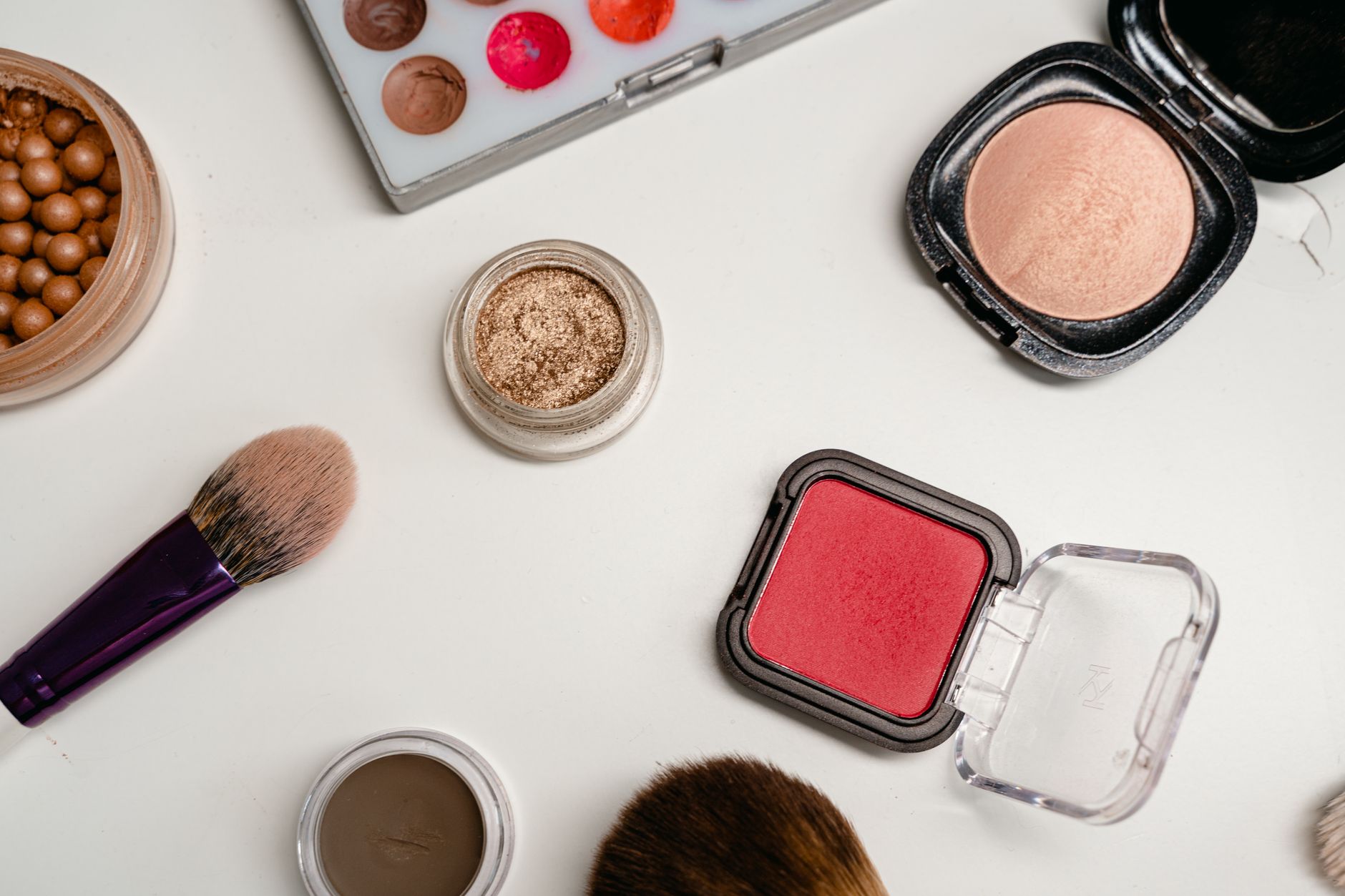
Quick summary
Key Takeaways
- Cream blush creates a dewy, skin-like flush and is best applied before setting powder in your makeup routine.
- Powder blush offers buildable, controlled application with a more matte or satin finish, applied after setting powder.
- Cream blush produces a more natural, dewy finish, while powder blush produces a more defined, matte-to-satin finish.
- Cream blush generally suits dry, normal, and mature skin, while powder blush generally suits oily and combination skin, though personal preference and desired finish also play a role.
- Quick, gradual blending is essential for cream blush, since it sets faster and is less forgiving of buildup mistakes than powder.
- Tapping off excess product before application and building gradually helps avoid the patchy, overly intense look that powder blush mistakes commonly produce.
- Layering cream blush under powder blush can extend longevity and create more dimension, though it requires more application time and skill than using a single formula.
- Classic apple-of-cheek placement pairs especially well with cream blush's natural flush effect, while more sculpted, higher placement techniques like draping have traditionally favored powder blush's buildable control, though modern hybrid formulas are narrowing this gap.
- Powder blush tends to perform better in hot, humid summer conditions due to increased oil and sweat, while cream blush tends to suit cold, dry winter conditions better by counteracting seasonal skin dryness.
Blush formula matters just as much as shade when it comes to achieving a natural, long-lasting flush. Comparing cream blush vs powder blush reveals real differences in finish, application technique, and how each performs across different skin types, helping you choose the right formula rather than defaulting to whichever is more popular at the moment.
What Is Cream Blush?
Cream blush is an emollient-based formula, typically packaged in a pot, stick, or squeeze tube, that blends into the skin to create a natural, dewy flush that mimics the look of a real, healthy blush response. It generally works best applied to bare skin or over a liquid or cream foundation, before setting powder.
What Is Powder Blush?
Powder blush is a finely milled pigment product, typically applied with a brush, that offers more buildable, controlled application and generally provides a more matte or satin finish compared to cream formulas. It is applied after setting powder in a typical makeup routine, making it easy to layer and adjust throughout the day.
Finish Differences: Dewy vs. Matte
Cream blush's emollient base creates a natural sheen that reads as a dewy, "your skin but better" flush, closely resembling how skin naturally flushes with warmth or exertion. Powder blush, by nature of its dry, pigment-based formula, tends to create a more matte or subtly satin finish that sits more visibly on top of the skin rather than blending into it in the same seamless way.
Cream Blush vs. Powder Blush Comparison Table
| Feature | Cream Blush | Powder Blush |
|---|---|---|
| Finish | Dewy, natural | Matte to satin |
| Application timing | Before setting powder | After setting powder |
| Best for skin type | Dry, normal, mature skin | Oily, combination skin |
| Buildability | Moderate, requires blending speed | High, easy to layer |
| Longevity | Good, especially under powder | Good, especially with a setting spray |
| Application tools | Fingers, damp sponge, or brush | Fluffy brush |
Which Formula Suits Which Skin Type
Dry and normal skin: Cream blush tends to look more flattering, since its dewy finish complements rather than emphasizes any dry patches, and it will not accentuate texture the way powder sometimes can on dehydrated skin.
Oily and combination skin: Powder blush generally performs better, since it will not slide as readily in oil-prone areas and can be reapplied throughout the day without disturbing the base makeup underneath as easily as cream formulas might.
Mature skin: Cream blush is often recommended, since its dewy finish can help create a more youthful-looking glow, while powder formulas can sometimes settle into fine lines more noticeably.
Application Technique for Cream Blush
Step 1: Apply to Bare Skin or Over Liquid Foundation
Apply a small amount directly to the apples of your cheeks, before setting powder.
Step 2: Blend Quickly
Cream products set faster than powder, so blend promptly using fingers, a damp sponge, or a dense brush for a seamless finish.
Step 3: Build Gradually
Start with a small amount and build up coverage gradually, since cream blush can be harder to remove or correct once fully blended and set.
Step 4: Set Lightly (Optional)
A very light dusting of translucent powder over the cream blush can help it last longer without eliminating its natural dewy finish.
Application Technique for Powder Blush
Step 1: Apply After Setting Powder
Powder blush should be applied after your base makeup and setting powder are complete.
Step 2: Tap Off Excess
Before applying to your face, tap your brush to remove excess product, preventing an overly intense, patchy application.
Step 3: Apply to the Apples of Cheeks, Blending Upward
Smile to identify the apples of your cheeks, applying color there and blending upward toward the temples for a natural lift.
Step 4: Build Gradually
Powder blush is easy to build up in thin layers, allowing for more precise control over intensity than cream formulas typically offer.
Longevity Comparison
Both formulas can offer good longevity when applied correctly. Cream blush tends to have excellent staying power when set with a light dusting of powder, since the emollient base helps it adhere well to skin. Powder blush's longevity depends significantly on oil control throughout the day, performing best on skin that is not excessively oily, or when paired with a mattifying primer or setting spray for additional hold.
Layering Cream and Powder Blush Together
For maximum longevity and dimension, some makeup artists recommend layering both formulas: cream blush applied first for a natural, dewy base flush, followed by a small amount of powder blush in a similar or complementary shade applied on top to enhance and extend the color. This technique requires more time and skill than using either formula alone but can produce a particularly long-lasting, multidimensional result.
Blush Placement and Its Effect on Formula Choice
Beyond formula type, where you place blush on the face significantly affects the overall look you achieve, and certain placements pair more naturally with one formula over the other, an often-overlooked consideration when choosing between cream and powder.
Placing blush directly on the apples of the cheeks, the classic, rounded placement achieved by smiling, tends to pair particularly well with cream formulas, since this placement is meant to mimic a natural, healthy flush, and cream's dewy finish reinforces that effect more convincingly than powder's typically more matte appearance. Sweeping blush higher, toward the temples and slightly onto the upper cheekbone for a more sculpted, lifted look, tends to work well with either formula, though powder blush's buildable, more controlled application can make it easier to achieve precise, defined placement in this higher zone.
Draping, a technique covered in more detail in our dedicated guide, which sweeps blush from the cheek up toward the temple in one continuous motion, was traditionally a powder-blush-specific technique, since it requires the kind of buildable, layerable application powder provides, though modern cream-to-powder hybrid formulas have made this technique increasingly achievable with cream products as well.
Common Mistakes to Avoid
Applying Cream Blush After Setting Powder
This disrupts the natural layering order and can result in a patchy, less seamless application, since cream products blend most effectively into bare or liquid-based skin.
Applying Too Much Powder Blush at Once
Powder blush's buildable nature can tempt overapplication in a single pass. Building gradually in thin layers produces more natural, controllable results.
Using Powder Blush on Very Dry Skin Without Prep
Applying powder blush directly over dry, under-moisturized skin can emphasize texture and flakiness. Ensuring adequate hydration in your base routine helps powder blush apply more smoothly.
Not Blending Cream Blush Quickly Enough
Cream formulas set faster than powder, and delayed blending can result in visible harsh edges or an uneven, patchy finish.
Seasonal Considerations for Blush Formula
Climate and season can meaningfully affect how well each blush formula performs, making it worth reconsidering your go-to choice as the weather shifts throughout the year rather than assuming one formula suits you equally well in every condition.
In hot, humid summer months, powder blush often becomes the more practical choice even for those who prefer cream blush the rest of the year, since increased oil production and sweat can cause cream formulas to slide or fade more quickly in warm weather, while powder tends to hold up better under these conditions, particularly when paired with a mattifying primer underneath. Conversely, in cold, dry winter months, cream blush often becomes especially appealing, since its emollient, dewy finish can help counteract the flat, dull look dry winter skin sometimes takes on, while powder blush can occasionally emphasize dry patches or flaking that become more common during this season.
This seasonal flexibility is part of why many makeup artists recommend having both formulas on hand rather than fully committing to one, allowing you to adapt your blush choice to your skin's actual seasonal behavior rather than fighting against how your skin naturally changes throughout the year.
- Match formula to your skin type and desired finish, rather than choosing based on trends alone.
- Blend cream blush promptly after application, before it begins to set.
- Build powder blush gradually, tapping off excess before each application to avoid overly intense color.
- Consider layering both formulas for special occasions requiring maximum longevity and dimension.
Conclusion
The cream blush vs powder blush choice ultimately depends on your skin type, desired finish, and how much time you want to invest in application. Cream blush offers a natural, dewy flush well suited to dry, normal, and mature skin, while powder blush offers buildable, controlled color that generally performs better on oily and combination skin. Understanding proper application order and technique for each formula helps you achieve the natural, long-lasting flush you are aiming for, regardless of which you choose.
For more on building a complete, long-lasting makeup look, see our guide on how to make makeup last all day.
Category: Makeup
Tags: cream blush, powder blush, blush application, dewy makeup, matte makeup, makeup formulas, blush for skin type, makeup basics, natural makeup look, beauty tips
Frequently Asked Questions
References
Last updated
This article is for informational purposes only and does not constitute medical advice. Consult a licensed dermatologist or healthcare provider before starting any new treatment.
Beauty & Hair Care Editor
Amanda Gurton is a beauty editor and researcher with a focus on translating dermatology and trichology insights into clear, actionable advice. She covers skincare routines, hair health, ingredient science, and everyday beauty habits.
Comments (0)
Be the first to comment.
Related Articles
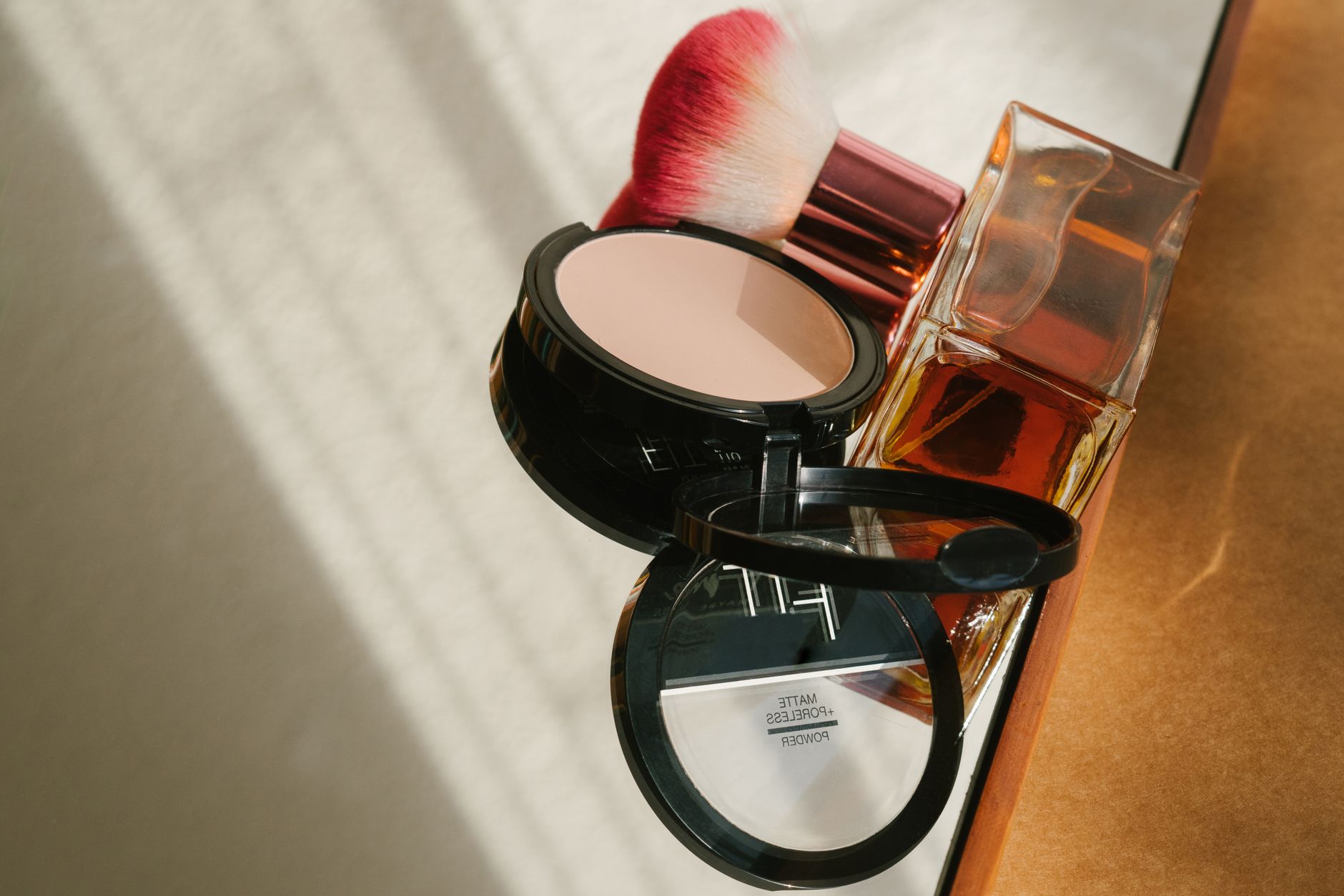
Setting Powder vs. Setting Spray: Do You Need Both?
Setting powder vs setting spray: learn the real differences, whether you need both, and how to layer them for makeup that lasts all day.

Bare-Minimum Makeup: The Ultra-Minimal "No-Makeup" Technique
Master the ultra-minimal, bare-skin version of the no-makeup look, with fewer products than a standard natural makeup routine, seasonal adjustments, and skin-concern fixes.
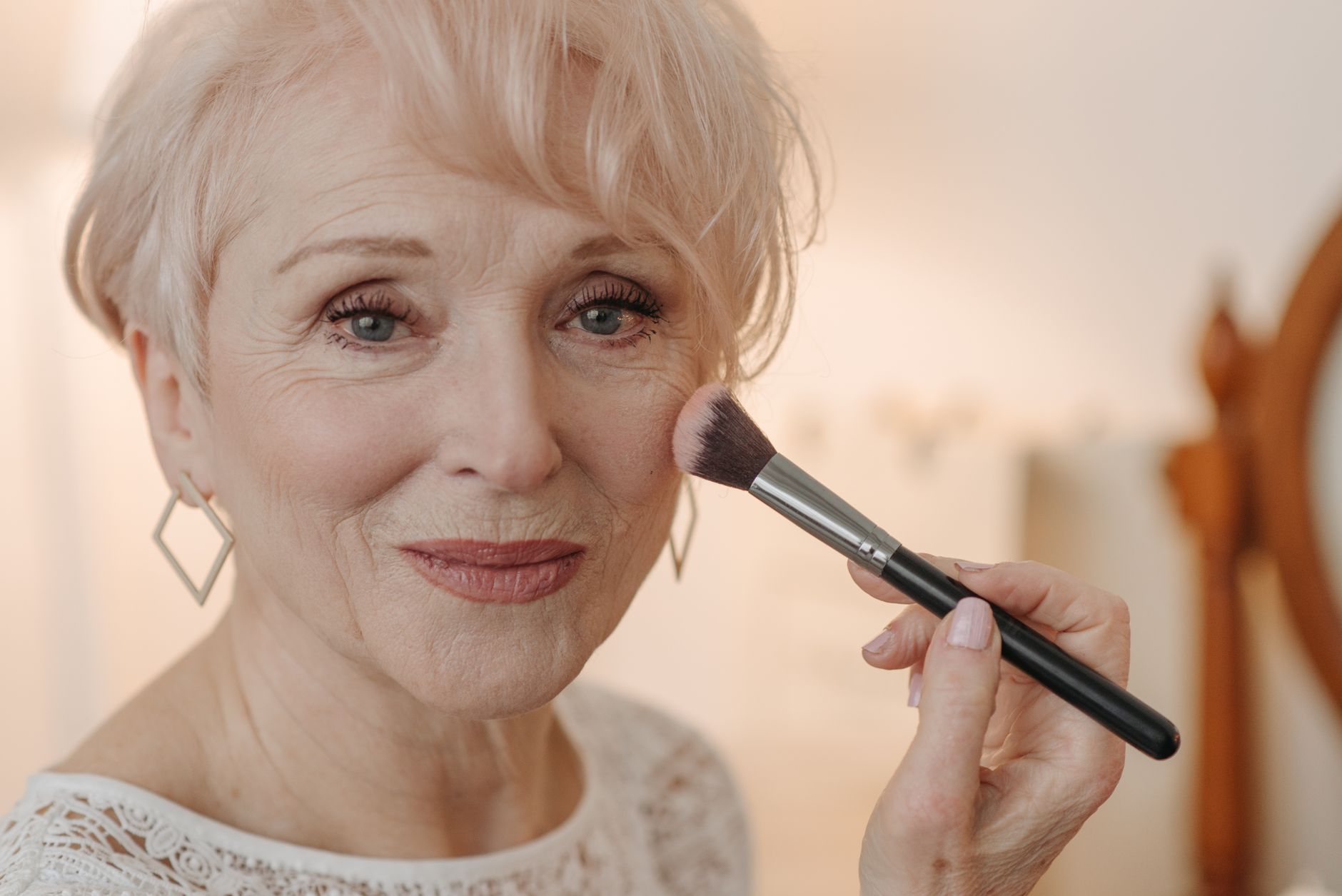
Makeup Mistakes That Age Mature Skin (and What to Do Instead)
Discover common makeup mistakes that can age mature skin, from wrong product textures to outdated techniques, and learn what to do instead.
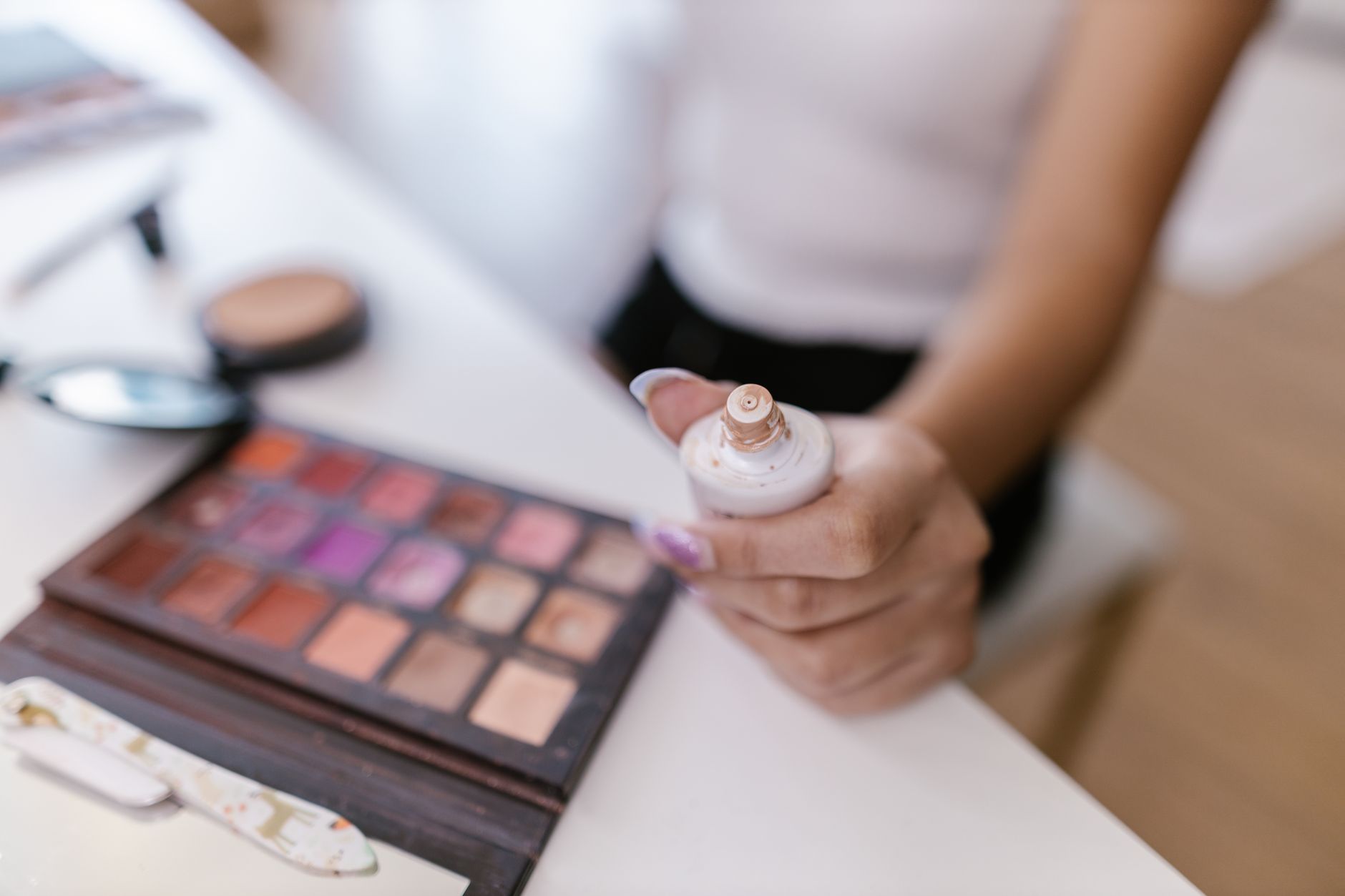
Do You Actually Need a Makeup Primer? What It Really Does
Learn what makeup primer actually does, whether you really need one, and how to choose the right primer for your skin type and concerns.