 Funky Millions
Green Tea Extract for Skin: Antioxidant Benefits
Discover green tea extract for skin and how its antioxidants calm redness, fight aging, and brighten your complexion. Learn safe ways to use it daily.
Quick summary
Introduction
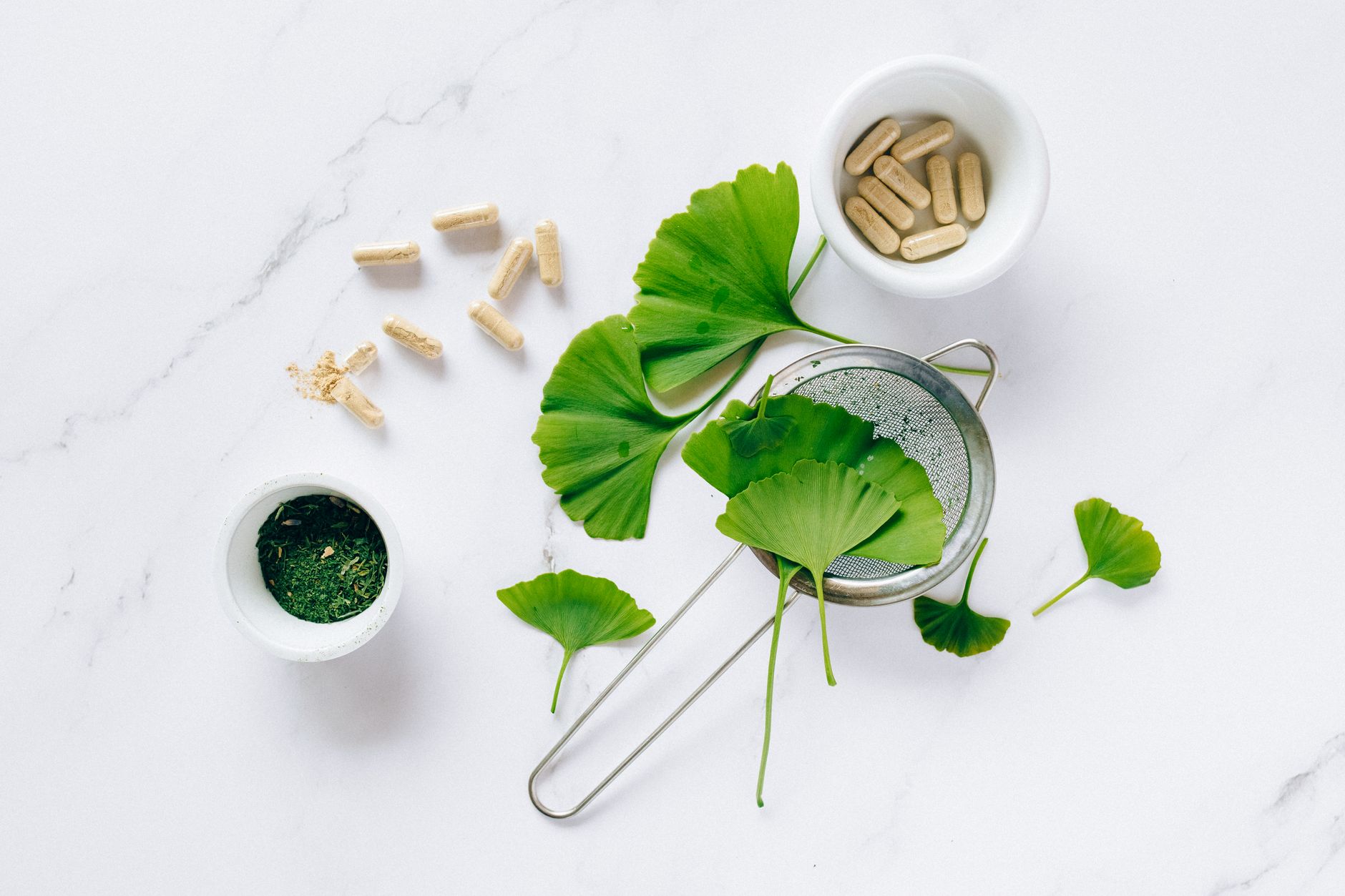
If you want a calmer, brighter, and more youthful complexion without a complicated routine, green tea extract for skin deserves a spot on your shelf. This powerful botanical ingredient comes from the leaves of the Camellia sinensis plant and has been used for centuries in traditional medicine. Today, modern skincare science confirms what ancient practices already knew: green tea is packed with polyphenols, especially epigallocatechin gallate (EGCG), that protect and repair skin on multiple levels.
Whether you struggle with redness, acne, early signs of aging, or uneven tone, green tea extract offers gentle yet effective support. It works as an antioxidant, anti-inflammatory, and sebum-regulating agent all at once. Unlike some harsh actives, it is generally well tolerated by most skin types, including sensitive and acne-prone skin.
In this guide, you will learn exactly what green tea extract is, how it benefits your skin, the best ways to use it, common mistakes to avoid, and product tips you can trust. By the end, you will know how to add this ingredient to your routine safely and get the most out of every application.
What Is Green Tea Extract?
Green tea extract is a concentrated form of green tea leaves. It is made by steaming and drying Camellia sinensis leaves, then processing them into a powder or liquid extract. The key active compounds are called polyphenols, and the most studied of these is epigallocatechin gallate (EGCG).
EGCG is a catechin, a type of antioxidant that neutralizes free radicals. Free radicals are unstable molecules generated by UV rays, pollution, stress, and normal metabolism. When they accumulate, they damage collagen, elastin, and skin cell DNA, leading to wrinkles, sagging, and discoloration.
Green tea extract also contains caffeine, theanine, and vitamins B2 and E. These compounds contribute to its soothing, brightening, and protective effects. In skincare, you will find it listed on ingredient labels as Camellia sinensis leaf extract, green tea leaf extract, or simply EGCG.
Key Takeaway
Green tea extract is a concentrated antioxidant powerhouse derived from green tea leaves. Its star compound, EGCG, protects skin from environmental damage and helps reduce inflammation.
Why Green Tea Extract Matters for Your Skin
Your skin faces daily assaults from the sun, blue light, pollution, and harsh weather. Over time, oxidative stress breaks down the proteins that keep skin firm and smooth. This leads to fine lines, enlarged pores, dullness, and uneven pigmentation.
Green tea extract helps by:
- Neutralizing free radicals before they damage skin cells
- Reducing inflammation that triggers redness and sensitivity
- Regulating sebum production to minimize clogged pores
- Supporting collagen for firmer, more resilient skin
- Brightening tone by calming post-inflammatory marks
Because it addresses several concerns at once, green tea extract is one of the most versatile ingredients in skincare. It can be used alone or layered with other actives like vitamin C, niacinamide, or hyaluronic acid.
Green Tea Extract Benefits for Skin
1. Powerful Antioxidant Protection
EGCG is one of the most potent antioxidants in skincare. Studies show it can reduce oxidative stress caused by UV exposure and environmental pollutants. This protection helps prevent premature aging and supports long-term skin health.
According to research published by the National Institutes of Health, green tea polyphenols have photoprotective effects and may reduce the risk of UV-induced skin damage when applied topically or consumed regularly.
2. Calms Redness and Irritation
Green tea extract has strong anti-inflammatory properties. It can help soothe conditions like rosacea, eczema, and general sensitivity. If your skin flares up from retinoids, acids, or weather changes, green tea can help restore balance.
3. Helps Control Acne and Oil
Excess sebum is a major contributor to breakouts. Green tea extract helps regulate oil production without over-drying the skin. It also has antimicrobial properties that may reduce acne-causing bacteria. If you are dealing with active breakouts, you may also want to read our guide on salicylic acid acne treatment for a complementary approach.
4. Reduces Signs of Aging
By protecting collagen and elastin, green tea extract helps keep skin firm and smooth. Over time, this can reduce the appearance of fine lines, wrinkles, and loss of elasticity. It is not a replacement for retinoids, but it is an excellent supportive ingredient.
5. Brightens and Evens Skin Tone
Green tea extract can help fade dark spots and post-acne marks by reducing inflammation and inhibiting melanin production. Pair it with a consistent sunscreen routine for the best brightening results.
6. Minimizes Puffiness
Thanks to its caffeine content, green tea extract can temporarily reduce puffiness, especially around the eyes. It works by constricting blood vessels and improving circulation, making it a popular ingredient in eye creams and morning serums.
Key Takeaway
Green tea extract protects, soothes, balances oil, fights aging, brightens tone, and reduces puffiness. It is a multi-tasking ingredient suitable for nearly every skin type.
How Green Tea Extract Works: The Science
Understanding the mechanism behind green tea extract helps you use it more effectively. Here is what happens at the cellular level:
| Mechanism | How It Helps Your Skin |
|---|---|
| Antioxidant activity | Neutralizes free radicals from UV and pollution |
| Anti-inflammatory action | Calms cytokines that trigger redness and swelling |
| Sebum regulation | Reduces excess oil without stripping moisture |
| Collase protection | Preserves firmness and delays wrinkle formation |
| Antimicrobial effect | Helps reduce acne-causing bacteria |
| Melanin inhibition | Fades dark spots and evens skin tone |
EGCG works by binding to free radicals and preventing them from attacking healthy cells. It also inhibits enzymes that break down collagen, such as matrix metalloproteinases (MMPs). This dual action makes green tea extract valuable for both prevention and repair.
The American Academy of Dermatology recognizes antioxidants as an important part of a healthy skincare routine. You can read more about antioxidant skincare on the AAD website.
How to Use Green Tea Extract in Your Skincare Routine
Adding green tea extract to your routine is simple. It is available in cleansers, toners, serums, moisturizers, eye creams, and masks. Follow these steps for the best results.
Step 1: Cleanse Your Skin
Start with a gentle, pH-balanced cleanser. If you wear makeup or sunscreen, consider double cleansing. A green tea cleanser can add an extra antioxidant boost while removing dirt and oil.
Step 2: Apply a Green Tea Toner or Essence
After cleansing, apply a toner or essence containing green tea extract. This preps your skin and delivers a lightweight layer of antioxidants before heavier products.
Step 3: Layer a Green Tea Serum
Serums contain the highest concentration of active ingredients. Apply 2-3 drops of a green tea serum to damp skin and press it in gently. Wait 30-60 seconds before the next step.
Step 4: Seal With Moisturizer
Lock in hydration with a moisturizer suited to your skin type. If your skin is dry, choose a cream. If it is oily, opt for a gel-based formula. For extra glow, check out our tips on how to make your skin glow.
Step 5: Apply Sunscreen Every Morning
No antioxidant routine is complete without sunscreen. Green tea extract enhances UV protection, but it does not replace SPF. Use a broad-spectrum SPF 30 or higher every day.
Step 6: Use Eye Cream for Puffiness
Tap a small amount of green tea eye cream around the orbital bone in the morning. The caffeine helps reduce puffiness and wakes up tired eyes.
Sample Routines
Morning Routine:
- Gentle cleanser
- Green tea toner
- Vitamin C serum
- Green tea moisturizer
- Sunscreen SPF 30+
Evening Routine:
- Oil cleanser + water-based cleanser
- Green tea essence
- Green tea serum
- Niacinamide or retinol (if tolerated)
- Moisturizer
Key Takeaway
Use green tea extract after cleansing and before moisturizing. It layers well with most actives and should always be paired with daily sunscreen.
DIY Green Tea Skincare Treatments
You can also use green tea at home for quick, budget-friendly treatments. These are best used as occasional boosts, not replacements for a consistent routine.
Green Tea Face Mist
Brew a cup of green tea, let it cool completely, and pour it into a clean spray bottle. Mist your face after cleansing or throughout the day for a refreshing antioxidant boost. Store in the refrigerator and use within 3-4 days.
Soothing Green Tea Mask
Mix 2 tablespoons of cooled green tea with 1 tablespoon of raw honey. Apply to clean skin and leave on for 10-15 minutes. Rinse with lukewarm water. This mask calms redness and hydrates at the same time.
Green Tea Ice Cubes for Puffiness
Pour brewed green tea into an ice cube tray and freeze. Wrap a cube in a soft cloth and gently press around your eyes or face in the morning. This reduces puffiness and tightens the skin temporarily.
If you enjoy simple at-home skincare, you will love our guide to beauty tips for face at home for more easy remedies.
Common Mistakes to Avoid
Even gentle ingredients can cause problems if used incorrectly. Here are the most common mistakes people make with green tea extract.
Using Too Many Products at Once
Layering multiple green tea products with strong actives can overwhelm your skin. Start with one product and introduce others gradually.
Skipping Sunscreen
Antioxidants support sun protection, but they do not block UV rays. Always finish your morning routine with sunscreen.
Using Hot Green Tea on Skin
Never apply freshly brewed hot tea to your face. It can cause burns and irritation. Always let it cool completely before use.
Expecting Overnight Results
Green tea extract is effective, but it is not a miracle cure. Most people notice calmer, brighter skin after 4-6 weeks of consistent use.
Ignoring Ingredient Quality
Not all green tea extracts are equal. Look for products that list Camellia sinensis leaf extract or EGCG high on the ingredient list and avoid those loaded with fragrance or alcohol.
Key Takeaway
Avoid overuse, hot applications, and skipping sunscreen. Be patient and choose well-formulated products for the best outcome.
Product and Ingredient Recommendations
When shopping for green tea skincare, look for these features:
- Concentration: EGCG or green tea extract listed in the top five ingredients
- Packaging: Dark or opaque bottles to protect antioxidants from light
- Formula: Fragrance-free and alcohol-free when possible
- Type: Serums and moisturizers usually deliver the best results
Popular product categories include:
- Green tea antioxidant serums
- Soothing green tea moisturizers
- Caffeinated green tea eye creams
- Green tea clay masks for oily skin
- Green tea cleansing balms
Always choose products suited to your skin type. Oily skin may prefer gel formulas, while dry skin benefits from richer creams.
Green Tea Extract vs. Other Popular Antioxidants
| Ingredient | Best For | How It Compares to Green Tea |
|---|---|---|
| Vitamin C | Brightening, fading dark spots | Stronger brightener; green tea is gentler and better for redness |
| Niacinamide | Oil control, barrier repair | Similar soothing effects; pairs well with green tea |
| Retinol | Anti-aging, acne | More potent but more irritating; green tea is a soothing companion |
| Resveratrol | Anti-aging, protection | Similar antioxidant power; green tea has more research on acne and oil |
| CoQ10 | Firming, mature skin | Works deeper in cells; green tea is better for surface inflammation |
Green tea extract does not have to replace your favorite actives. It works beautifully alongside them as a calming, protective base.
Who Should Use Green Tea Extract?
Green tea extract is suitable for most people, but it is especially beneficial if you have:
- Oily or acne-prone skin
- Sensitive or reactive skin
- Redness or rosacea
- Early signs of aging
- Dull or uneven skin tone
- Puffy under-eyes
If you are pregnant, breastfeeding, or have a known allergy to caffeine or tea plants, consult a dermatologist before using concentrated green tea products.
Potential Side Effects and Precautions
Green tea extract is generally safe, but a few precautions are worth noting.
- Caffeine sensitivity: Some people may experience jitters or irritation from high-caffeine green tea products.
- Allergic reactions: Rare, but possible if you are sensitive to tea plants.
- Dryness: Overuse of astringent green tea products can dry out the skin.
- Interactions: Oral green tea supplements can interact with medications. Stick to topical skincare unless directed otherwise by a healthcare provider.
If you experience redness, itching, or burning, discontinue use and consult a dermatologist.
To get the most from green tea extract for skin, follow these expert-backed tips.
- Pair it with vitamin C for enhanced antioxidant protection.
- Use it in the morning to boost your sunscreen's defense against pollution and UV rays.
- Store products properly because antioxidants degrade with heat and light. Choose opaque, airtight packaging.
- Patch test new products on your inner arm or behind your ear before applying to your face.
- Combine with niacinamide for better oil control and barrier support.
- Drink green tea too for internal antioxidant support, but do not rely on it alone for skincare results.
For more ways to keep your complexion clear and healthy, read our article on how to get clear skin.
Conclusion
Green tea extract for skin is one of the most reliable, research-backed ingredients you can add to your routine. It calms inflammation, fights free radicals, balances oil, brightens tone, and supports healthy aging. Whether you choose a serum, moisturizer, eye cream, or simple DIY mist, consistency is the key to visible results.
Start with one well-formulated product, layer it correctly, and never skip sunscreen. With patience, green tea extract can help you achieve a clearer, calmer, and more radiant complexion.
If you found this guide helpful, share it with a friend who loves clean, effective skincare. Then explore more of our skin care articles on FunkyMillions.com to build your healthiest routine yet.
Tags: green tea extract, green tea skincare, EGCG, antioxidants for skin, natural skincare, anti-aging ingredients, acne skincare, sensitive skin, skincare routine, skin brightening
Categories: Skin Care, Beauty Tips & Tricks, Home Remedies
Frequently Asked Questions
Last updated
This article is for informational purposes only and does not constitute medical advice. Consult a licensed dermatologist or healthcare provider before starting any new treatment.
Beauty & Hair Care Editor
Ilma is a beauty editor who specializes in breaking down cosmetic ingredients, skincare routines, and hair care practices. Her work focuses on evidence-based guidance readers can trust and apply.
Comments (0)
Be the first to comment.
Related Articles
How to Repair Damaged Skin Barrier Naturally
Learn how to repair damaged skin barrier naturally with science-backed remedies, barrier-friendly ingredients, and a step-by-step routine for calm, hydrated skin.
Bakuchiol: A Gentle Retinol Alternative
Discover why bakuchiol vs retinol is the debate every sensitive skin type needs to read. Learn benefits, routines, and how to switch safely.
Licorice Root Extract for Skin Brightening
Discover how licorice root extract skin brightening works. Learn its science-backed benefits, how to use it safely, and how it compares to other brightening ingredients.

Snail Mucin Benefits for Skin: What Science Says
Discover the science-backed snail mucin benefits skin, from deep hydration to barrier repair. Learn how to use it, what to avoid, and expert tips.