 Funky Millions
Post Workout Skincare: A Complete Guide to Fresh, Healthy Skin
Master post workout skincare with this complete guide. Learn the best routine, mistakes to avoid, and expert tips to keep your skin clear and glowing after exercise.

Quick summary
Key Takeaways
- Post workout skincare is the immediate care you give your skin after exercise to remove sweat and bacteria, restore balance, and prevent breakouts.
- Post workout skincare prevents clogged pores, bacterial growth, friction irritation, and dehydration after exercise.
- Cleanse gently, rinse with lukewarm water, hydrate, moisturize, apply sunscreen, and change into clean clothes for the best post workout skincare results.
- Match your post workout skincare products to your skin type for better results and fewer breakouts.
- Avoid skipping cleansing, over-scrubbing, relying on wipes, touching your face, wearing makeup to the gym, and staying in sweaty clothes.
- Cleanse before exercise, keep hair back, sanitize equipment, use clean towels, hydrate, and care for your whole body, not just your face.
- Look for salicylic acid, niacinamide, hyaluronic acid, aloe vera, ceramides, and benzoyl peroxide in your post workout skincare products.
- When showering is not possible, blot sweat, use a gentle cleanser or wipe, moisturize, change clothes, and cleanse fully later.
- Outdoor workouts require extra attention to sunscreen, reapplication, and thorough cleansing afterward.
- Keep a small gym bag with a gentle cleanser, moisturizer, sunscreen, and optional micellar water for easy post workout skincare anywhere.
Introduction
A great workout does wonders for your body, but it can be tough on your skin. Sweat, heat, and friction create the perfect environment for clogged pores, breakouts, redness, and irritation. If you have ever noticed tiny bumps along your hairline, chest, or back after a gym session, your skin is telling you it needs better care. That is where a smart post workout skincare routine comes in.
Post workout skincare is the practice of cleansing, soothing, and protecting your skin immediately after exercise. It is not about using more products; it is about using the right ones at the right time. Whether you exercise at home, outdoors, or in a busy gym, your skin is exposed to sweat, bacteria, and environmental debris. Removing these quickly helps prevent acne, inflammation, and premature aging.
In this guide, you will learn what post workout skincare is, why it matters, and how to build a simple routine that works for your skin type. We will cover common mistakes, expert tips, product recommendations, and answer your most frequent questions. By the end, you will know exactly how to care for your skin after a workout so it stays fresh, balanced, and healthy.
What Is Post Workout Skincare?
Post workout skincare is the routine you follow after exercising to remove sweat, oil, dirt, and bacteria from your skin. It typically involves cleansing, optionally toning, moisturizing, and applying sunscreen if you will be outside. The goal is to restore your skin’s balance and prevent problems like acne, irritation, and dehydration.
During exercise, your body temperature rises and your sweat glands become more active. Sweat itself is mostly water and salt, but it mixes with sebum, dead skin cells, makeup, and environmental pollutants. If left on the skin, this mixture can clog pores and feed acne-causing bacteria. Heat and friction from clothing or equipment can also weaken the skin barrier, making it more reactive.
Post workout skincare is not one-size-fits-all. Someone with oily, acne-prone skin needs a different approach than someone with dry or sensitive skin. However, the core principle is the same: clean gently, hydrate effectively, and protect consistently.
Why Post Workout Skincare Matters
Your skin goes through a lot during exercise. Understanding what happens helps explain why post workout skincare is so important.
Sweat and Pore Congestion
When you sweat, your pores open to release heat and moisture. Sweat mixes with sebum and dead skin cells, which can settle into pores. If you leave sweat on your skin too long, especially under tight workout clothes, pores become clogged. This can lead to blackheads, whiteheads, and body acne.
Bacterial Growth
Gyms, yoga mats, and shared equipment carry bacteria. Touching your face during a workout transfers these microbes to your skin. Combined with a warm, moist environment, bacteria multiply quickly. Cleansing after exercise reduces the bacterial load and lowers the risk of infection and inflammation.
Friction and Irritation
Tight headbands, sports bras, and compression gear can trap sweat and rub against the skin. This causes friction acne, also known as acne mechanica, and chafing. Post workout skincare helps calm irritated skin and reduces the chance of recurring rashes or bumps.
Dehydration
Sweating causes water loss. Even if your skin feels oily after a workout, it may be dehydrated underneath. Without proper hydration, the skin barrier becomes compromised, leading to sensitivity, flaking, and a dull appearance.
A Simple Step-by-Step Post Workout Skincare Routine
You do not need a ten-step routine. A basic post workout skincare routine can be done in five to ten minutes. Here is a routine that works for most people.
Step 1: Cleanse Your Face and Body
As soon as possible after your workout, wash your face and any sweaty areas of your body. Use a gentle, pH-balanced cleanser that removes sweat and oil without stripping the skin. Avoid harsh bar soaps, which can disrupt the skin barrier.
If you wear makeup to the gym, consider removing it before you start sweating. Makeup mixed with sweat is one of the fastest ways to clog pores. A micellar water or gentle cleansing wipe used before exercise is a good option.
Step 2: Rinse with Lukewarm Water
Hot showers feel relaxing, but hot water strips natural oils and can worsen redness. Use lukewarm water to rinse away cleanser and sweat. This is gentler on the skin barrier and helps prevent post-workout flushing.
Step 3: Pat Dry, Do Not Rub
Rubbing your face and body with a rough towel can cause irritation and microtears. Instead, pat your skin dry with a clean, soft towel. Make sure the towel is fresh, especially if you are prone to body acne or fungal infections.
Step 4: Apply a Hydrating Toner or Essence
This step is optional but helpful, especially for dry or sensitive skin. A hydrating toner with ingredients like hyaluronic acid, glycerin, or rose water adds moisture back into the skin. Avoid alcohol-based toners, which can dry out the skin further.
Step 5: Use a Lightweight Moisturizer
Even oily skin needs moisture after a workout. Choose a lightweight, non-comedogenic moisturizer that hydrates without clogging pores. Look for ingredients like hyaluronic acid, niacinamide, ceramides, or aloe vera.
Step 6: Apply Sunscreen If You Are Heading Out
If your workout ends during the day and you will be outside, apply a broad-spectrum sunscreen with SPF 30 or higher. Sweat and water can reduce sunscreen effectiveness, so reapply if needed. For acne-prone skin, choose an oil-free, non-comedogenic formula.
Step 7: Change Into Clean, Breathable Clothing
Staying in sweaty clothes traps moisture and bacteria against your skin. Change into clean, dry, breathable fabrics like cotton or moisture-wicking athletic wear. This is especially important for preventing chest, back, and buttock acne.
Post Workout Skincare by Skin Type
Different skin types have different needs after exercise. Here is how to adjust your routine.
Oily and Acne-Prone Skin
Use a gel or foaming cleanser with salicylic acid to clear pores. Apply a lightweight, oil-free moisturizer. If you get body acne, use a body wash with benzoyl peroxide or salicylic acid. Avoid touching your face during workouts and wipe down shared equipment before use.
Dry and Sensitive Skin
Choose a creamy, fragrance-free cleanser. Skip hot water and harsh scrubs. Use a richer moisturizer with ceramides or squalane. A soothing ingredient like centella asiatica or allantoin can help calm redness.
Combination Skin
Use a balanced gel-cream moisturizer. You may need a lighter product on your T-zone and a slightly richer one on dry cheeks. A gentle exfoliating toner used a few times a week can keep pores clear without over-drying.
Normal Skin
Keep it simple. A gentle cleanser, hydrating toner, and lightweight moisturizer are usually enough. Add sunscreen during the day.
| Skin Type | Cleanser Type | Moisturizer Type | Extra Tip |
|---|---|---|---|
| Oily/Acne-Prone | Gel or foaming with salicylic acid | Oil-free gel | Use benzoyl peroxide body wash for body acne |
| Dry/Sensitive | Creamy, fragrance-free | Rich cream with ceramides | Avoid hot water and fragrances |
| Combination | Gentle gel or cream | Gel-cream | Use targeted products for different zones |
| Normal | Mild cleanser | Lightweight lotion | Focus on consistency and sunscreen |
Common Post Workout Skincare Mistakes to Avoid
Even with good intentions, some habits can make post-workout skin problems worse. Here are the most common mistakes and how to avoid them.
Skipping the Cleanse
The biggest mistake is waiting too long to wash your face. The longer sweat sits on your skin, the more likely it is to clog pores and feed bacteria. Try to cleanse within ten to fifteen minutes of finishing your workout.
Over-Cleansing or Over-Exfoliating
Some people scrub aggressively or use strong acids right after exercise, thinking it will deep clean the skin. This damages the skin barrier and causes more irritation. Be gentle. Save stronger exfoliation for nighttime or non-workout days.
Using Wipes as a Long-Term Solution
Cleansing wipes are convenient when you cannot access water, but they are not a substitute for washing your face. They often leave residue and can be irritating. Use them only in emergencies, then cleanse properly when you get home.
Touching Your Face Constantly
Touching your face during exercise transfers bacteria from equipment, mats, and your hands to your skin. Try to keep your hands away from your face and use a clean towel to blot sweat.
Wearing Makeup to Work Out
Makeup creates a barrier that traps sweat and oil. If possible, work out with clean skin. If you must wear makeup, choose lightweight, non-comedogenic products and remove them right after exercise.
Staying in Sweaty Clothes
Sweaty clothes trap heat, moisture, and friction against the skin. This leads to body acne, rashes, and fungal infections. Change out of them as soon as you can.
Best Ingredients for Post Workout Skincare
Choosing the right ingredients helps your skin recover faster after exercise. Here are the most effective ones.
Salicylic Acid
Salicylic acid is a beta-hydroxy acid that penetrates oil and unclogs pores. It is excellent for preventing post-workout breakouts on the face and body. Learn more in our guide to salicylic acid acne treatment.
Niacinamide
Niacinamide helps control oil, reduce redness, and strengthen the skin barrier. It is well-tolerated by most skin types and works well after exercise.
Hyaluronic Acid
Hyaluronic acid draws moisture into the skin without adding oil. It is ideal for rehydrating skin after sweating.
Aloe Vera
Aloe vera has soothing and anti-inflammatory properties. It helps calm redness and irritation caused by heat and friction.
Ceramides
Ceramides support the skin barrier and lock in moisture. They are especially helpful for dry or sensitive skin after a workout.
Benzoyl Peroxide
Benzoyl peroxide kills acne-causing bacteria. It is useful for body acne but can be drying, so use it carefully.
Tea Tree Oil
Tea tree oil has natural antibacterial properties. It can be helpful for mild acne but should be diluted to avoid irritation.
What to Do When You Cannot Shower Right Away
Sometimes a full shower is not possible immediately after a workout. Here is how to care for your skin until you can get home.
- Blot sweat with a clean towel. Do not rub.
- Use micellar water or a gentle cleansing wipe to remove sweat and oil from your face.
- Apply a lightweight moisturizer to restore hydration.
- Change into clean, dry clothes to reduce friction and bacterial growth.
- Cleanse thoroughly as soon as you get access to water.
Post Workout Skincare for Outdoor Workouts
Exercising outdoors adds sun and environmental exposure to the mix. Here is how to adjust.
- Apply sunscreen at least fifteen minutes before heading outside.
- Choose a sweat-resistant, broad-spectrum sunscreen with SPF 30 or higher.
- Wear a hat or visor to protect your face from direct sun.
- Reapply sunscreen after wiping sweat from your face.
- Cleanse as soon as you are done to remove sweat, sunscreen, and pollution.
Product Suggestions for Your Gym Bag
Here are simple product categories to keep on hand for post workout skincare.
- Gentle cleanser: Look for fragrance-free, pH-balanced formulas.
- Micellar water: Great for quick cleansing when water is unavailable.
- Travel-size moisturizer: Choose non-comedogenic, lightweight options.
- SPF 30+ sunscreen: Essential for daytime outdoor workouts.
- Cleansing wipes: Use sparingly and only when necessary.
- Body wash with salicylic acid or benzoyl peroxide: Helpful for body acne prevention.
Small changes in your habits can make a big difference. Here are expert-backed tips for healthier skin after exercise.
Cleanse Before You Sweat
If you wear makeup, sunscreen, or daytime skincare products, start your workout with clean skin. Use a gentle cleanser or micellar water beforehand so sweat does not mix with product residue.
Keep Hair Off Your Face
Hair products, oils, and sweat from your hairline can drip onto your face and clog pores. Use a clean headband or tie your hair back. Avoid tight headbands that rub against the skin.
Wipe Down Equipment
Shared gym equipment is a hotspot for bacteria and fungi. Wipe down mats, weights, and machines before and after use. Bring your own yoga mat when possible.
Use a Clean Towel
Bring your own small towel to the gym and use it only for your face. Do not share towels. Wash gym towels after every use in hot water.
Hydrate From the Inside
Drinking water before, during, and after exercise helps your skin stay hydrated. Dehydrated skin is more prone to irritation and dullness.
Shower Strategically
If you cannot shower immediately, at least change into dry clothes and cleanse your face. When you do shower, focus on sweaty areas and use a fresh, clean towel.
Do Not Forget Your Body
Post workout skincare is not just about your face. Back, chest, and buttock acne are common after exercise. Use a body cleanser suited to your skin and change out of tight workout gear quickly.
Conclusion
A thoughtful post workout skincare routine is one of the easiest ways to keep your skin clear, calm, and healthy. You do not need expensive products or a complicated regimen. Focus on cleansing gently, hydrating properly, protecting your skin from the sun, and changing out of sweaty clothes quickly.
By understanding your skin type and avoiding common mistakes, you can prevent post-workout breakouts, irritation, and dehydration. Consistency matters more than perfection. Every time you exercise, give your skin the same attention you give your muscles.
If you found this guide helpful, share it with a workout buddy or save it for your next gym session. For more skin care tips, check out our articles on how to make your skin glow, how to get clear skin, and salicylic acid acne treatment.
Frequently Asked Questions
References
Last updated
This article is for informational purposes only and does not constitute medical advice. Consult a licensed dermatologist or healthcare provider before starting any new treatment.
Beauty & Hair Care Editor
Ilma is a beauty editor who specializes in breaking down cosmetic ingredients, skincare routines, and hair care practices. Her work focuses on evidence-based guidance readers can trust and apply.
Comments (0)
Be the first to comment.
Related Articles
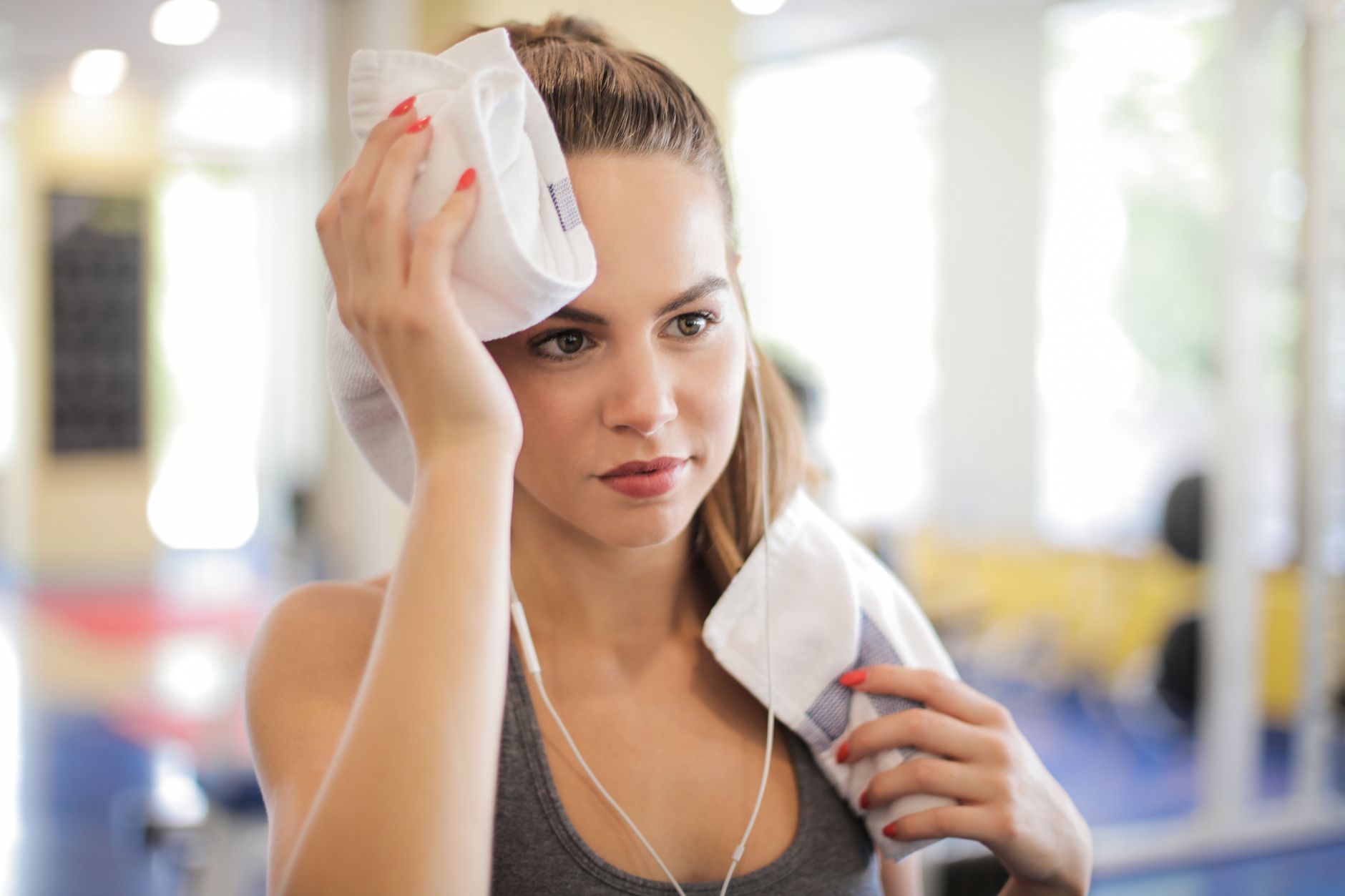
Post-Gym Beauty Kit: What to Pack for Freshening Up
Learn what to pack in a post-gym beauty kit to freshen up quickly, manage sweat and skin concerns, and transition to your next activity.
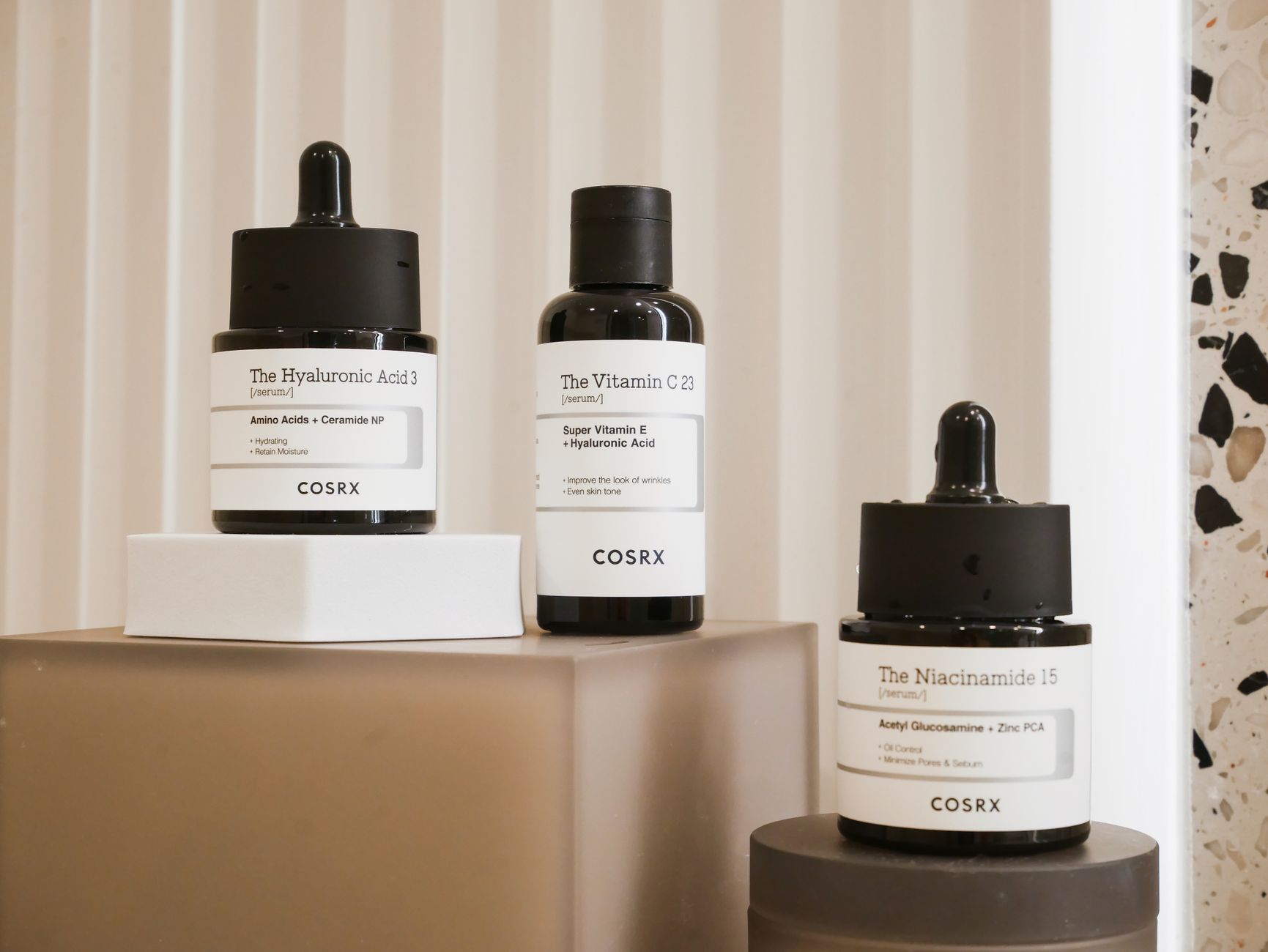
Vitamin C and Niacinamide: Can You Really Not Use Them Together?
Can you use vitamin C and niacinamide together? Learn what the science says about this popular skincare myth and how to layer them correctly.

Mineral vs. Chemical Sunscreen: Which Should You Choose?
Mineral vs chemical sunscreen: compare how each type works, safety, texture, and which is best for your skin type and lifestyle.
What Is Slugging? The Skincare Method Explained
Learn what slugging is, how this occlusive skincare method works, who should try it, and how to slug correctly without clogging pores.