 Funky Millions
Best Teas for Clear Skin and Healthy Hair
Discover the best teas clear skin healthy hair routines need. From green tea to nettle, learn which antioxidant-rich brews support your glow and strengthen strands.
Quick summary
Key Takeaways
- Beauty teas work by delivering antioxidants and plant compounds that calm inflammation, support hormone balance, and nourish hair follicles from within.
- For clear skin, prioritize green tea for oil control, spearmint for hormonal balance, chamomile for calming redness, rooibos for sensitivity, and white tea for collagen protection.
- Nettle nourishes from within, peppermint supports scalp circulation, black tea adds shine as a rinse, horsetail supplies silica, and hibiscus provides conditioning vitamin C.
- A simple beauty tea routine includes a morning antioxidant tea, a targeted midday tea, an optional hair rinse, and a calming evening cup.
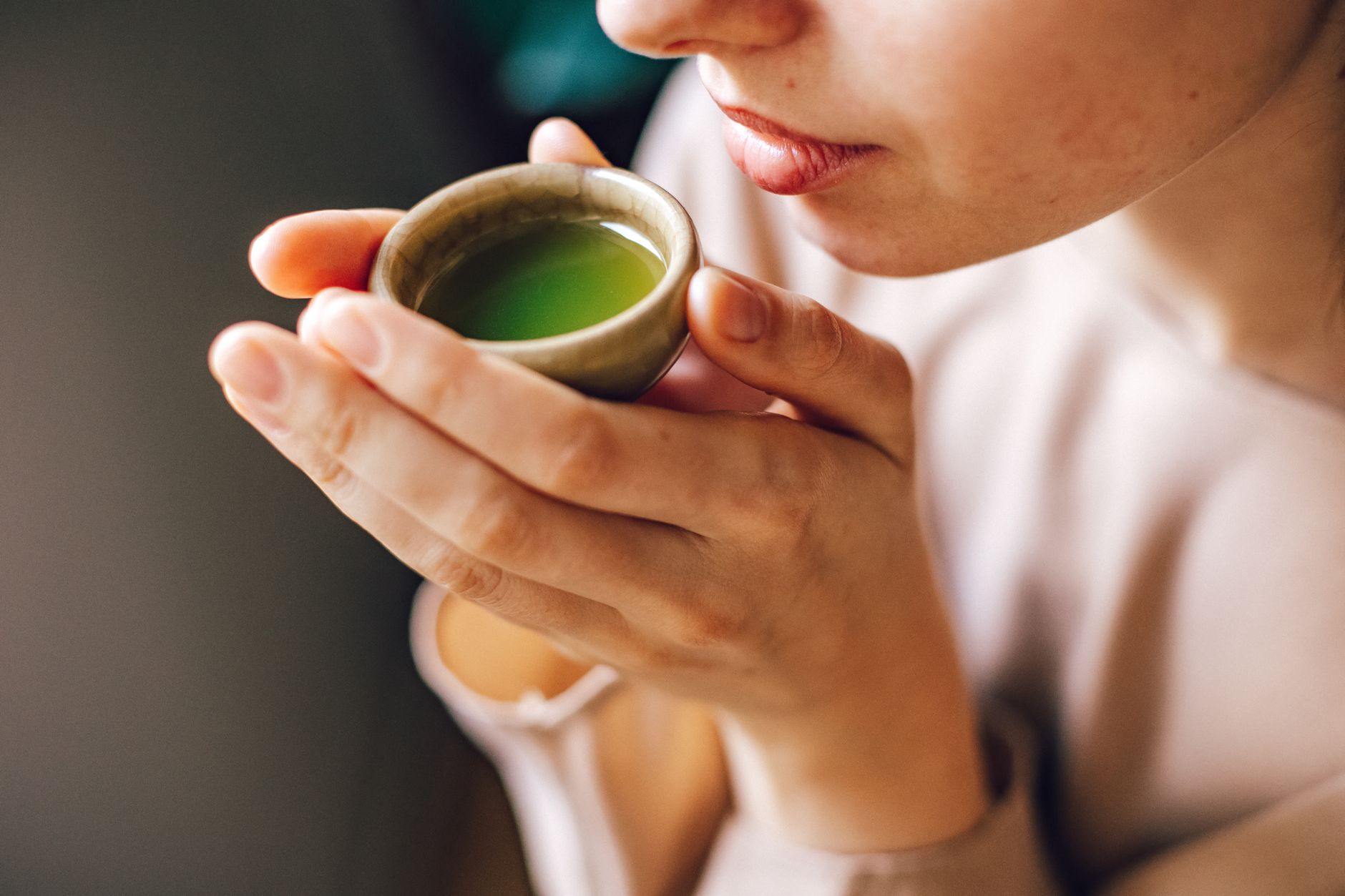
Caption: A warm cup of green tea is one of the easiest ways to add skin-friendly antioxidants to your daily routine.
Introduction
The best teas clear skin healthy hair routines are not about magic fixes. They are simple, daily habits that give your body extra antioxidants, hydration, and calming plant compounds. If you already drink tea, you may be doing more for your complexion and strands than you realize.
Clear skin and strong hair start on the inside. What you sip all day affects inflammation, oil production, circulation, and stress hormones. Tea delivers polyphenols, flavonoids, vitamins, and minerals that support those processes with very few calories and no complicated prep. It is also a gentle alternative to sugary drinks that can spike blood sugar and trigger breakouts.
In this guide, you will learn which teas are backed by real plant science, how they work, and how to build a beauty tea routine you can actually stick with. We will cover the best brews for acne-prone skin, dull complexions, thinning hair, and dry strands. You will also find a comparison table, a step-by-step routine, common mistakes to skip, and answers to the most popular questions.
Whether you want fewer blemishes, more shine, or both, this article will show you how to sip your way there.
What Are Beauty Teas and How Do They Work?
Beauty teas are simply teas chosen for their potential benefits for skin and hair. They include true teas made from the Camellia sinensis plant-green, white, black, and oolong-as well as herbal infusions like chamomile, nettle, rooibos, and peppermint.
The Science Behind Tea Compounds
Most beauty benefits come from three groups of compounds:
- Polyphenols – plant antioxidants that neutralize free radicals from sun, pollution, and stress.
- Flavonoids – pigments with anti-inflammatory and calming effects.
- Catechins – a sub-group of flavonoids found in green and white tea; epigallocatechin gallate (EGCG) is the most studied.
These compounds reduce oxidative stress, which is one driver of premature aging, dullness, and weakened hair follicles.
How Tea Supports Clear Skin
Skin cells are constantly exposed to oxidative damage. Antioxidant-rich teas can help calm that damage from the inside. Some teas also influence hormones and oil production.
For example, spearmint tea has been studied for its anti-androgen effects, which may help some people with hormonal acne. Green tea catechins may modestly reduce sebum production, according to small clinical studies. Rooibos and chamomile offer anti-inflammatory support for redness and irritation.
How Tea Supports Healthy Hair
Hair follicles need a steady supply of nutrients, oxygen, and hormonal balance. Tea compounds may improve scalp circulation, reduce follicle inflammation, and block hormones linked to hair thinning.
Peppermint oil has been shown in animal studies to promote hair growth better than minoxidil in a lab setting; peppermint tea offers a gentler internal route. Nettle tea is rich in iron, silica, and vitamins that feed hair structure. Black tea rinses can add shine and strengthen the hair shaft thanks to tannins.
The Best Teas for Clear Skin

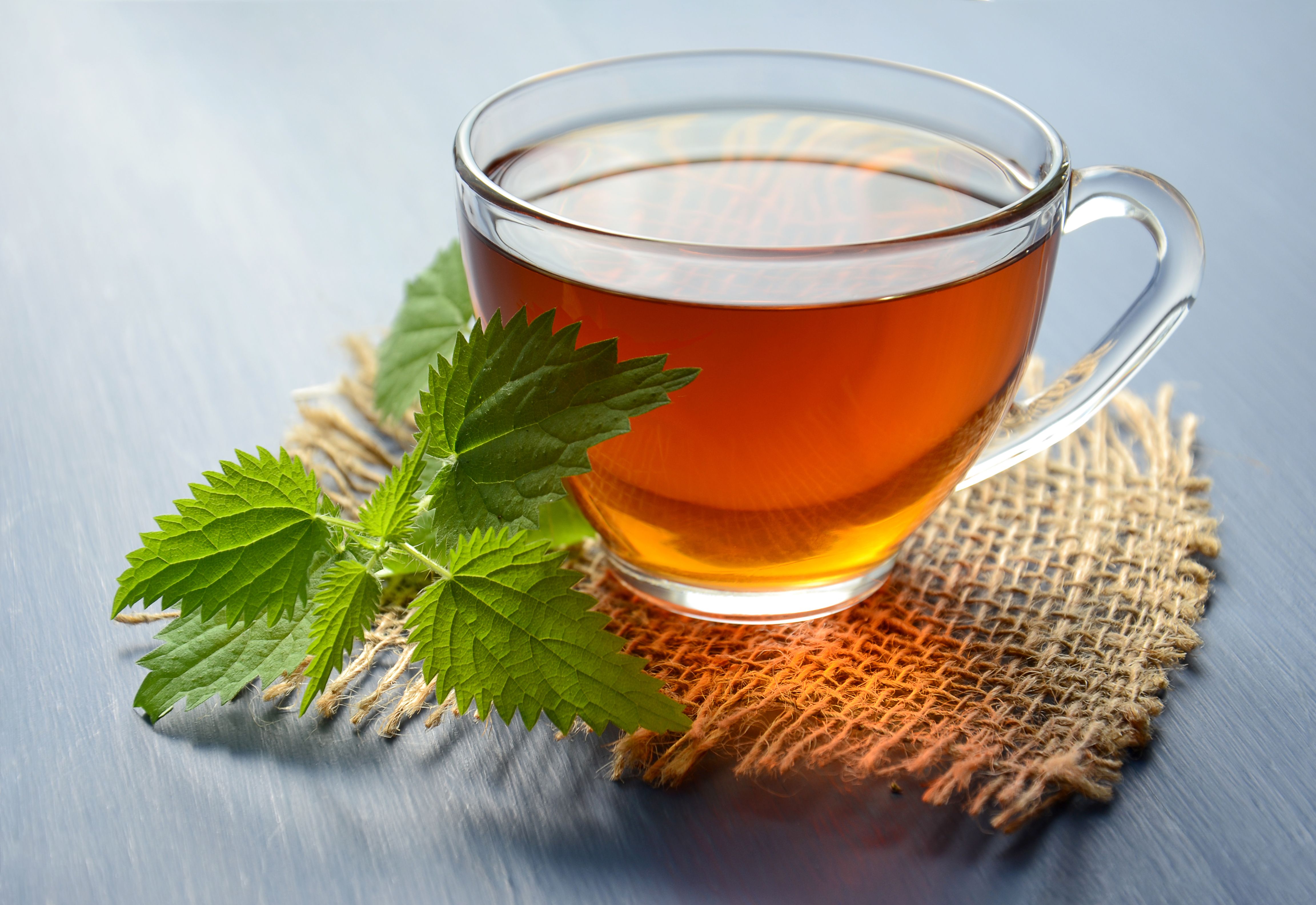
Caption: Chamomile, green tea, and rooibos each offer unique compounds for calmer, clearer skin.
Green Tea
Green tea is the most researched tea for skin health. It is high in EGCG, a catechin that fights free radicals and may reduce sebum production.
A 2016 review in the Journal of the American Academy of Dermatology noted that green tea extracts can help reduce acne lesions when used both orally and topically. Drinking two to three cups a day is a practical way to support clearer skin.
Best for: Oily skin, acne-prone skin, redness
Spearmint Tea
Spearmint tea has gained attention for hormonal acne because it may lower free testosterone levels. A small 2015 study published in Phytotherapy Research found that women who drank spearmint tea twice daily saw reduced acne and hirsutism over one month.
It is a good choice if your breakouts cluster around your jawline or flare before your period.
Best for: Hormonal acne, excess facial hair, period-related breakouts
Chamomile Tea
Chamomile is famous for calming nerves, but it also calms skin. It contains apigenin, a flavonoid with anti-inflammatory and antioxidant properties.
Drinking chamomile in the evening may help lower stress hormones like cortisol, which can trigger breakouts. A cooled chamomile tea bag can also be used as a gentle compress on irritated skin.
Best for: Sensitive skin, redness, stress-related breakouts
Rooibos Tea
Rooibos is a South African herbal tea rich in aspalathin and nothofagin, two rare antioxidants. It is naturally caffeine-free and low in tannins, so it is gentle on sensitive stomachs.
Its anti-inflammatory profile makes it a smart choice if your skin is reactive or prone to eczema flare-ups. Rooibos also contains zinc, a mineral linked to wound healing and oil regulation.
Best for: Sensitive or reactive skin, eczema-prone skin, evening wind-down
White Tea
White tea is the least processed true tea, which means it keeps a very high catechin content. It may help protect collagen and elastin from breakdown caused by enzymes called matrix metalloproteinases.
Because it is low in caffeine and delicate in flavor, white tea is easy to drink throughout the day.
Best for: Anti-aging support, collagen protection, gentle daily sipping
The Best Teas for Healthy Hair
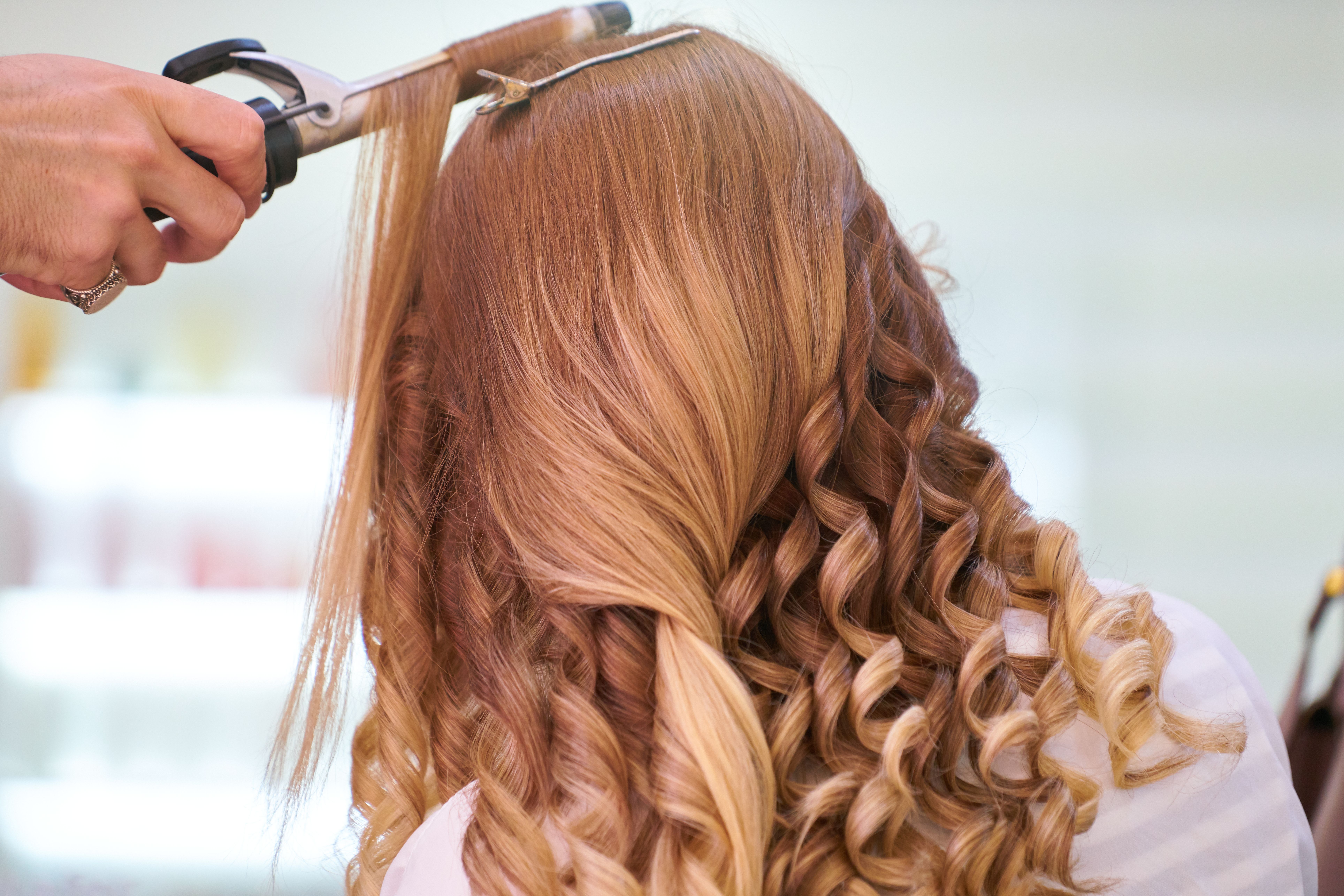
Caption: Pairing herbal teas with a balanced diet gives hair follicles the nutrients they need to grow strong.
Nettle Tea
Nettle leaf is one of the best herbal teas for hair because it supplies iron, silica, magnesium, and vitamins A and C. These nutrients support the structure of the hair shaft and the health of the scalp.
Nettle also has anti-inflammatory properties that may soothe an itchy or flaky scalp. Drink it regularly if you notice increased shedding or brittle ends.
Best for: Thinning hair, brittle strands, nutrient support
Peppermint Tea
Peppermint tea is refreshing and may support scalp health through its menthol content. Menthol increases blood flow, which brings more nutrients to hair follicles.
While most hair-growth studies focus on peppermint oil applied to the scalp, drinking peppermint tea can still support digestion and stress relief, both of which influence hair health.
Best for: Scalp circulation, digestion, post-meal refreshment
Black Tea Rinse
Black tea is high in tannins, which can strengthen the hair cuticle and add natural shine. A black tea rinse is used topically rather than drunk in large amounts.
To try it, brew strong black tea, let it cool, and pour it over clean hair after shampooing. Leave it on for 10 to 15 minutes, then rinse with cool water. The tannins can darken hair slightly, so blondes may want to patch test first.
Best for: Shine, strengthening, reducing shedding
Horsetail Tea
Horsetail is a silica-rich herb that supports keratin production. Keratin is the protein that makes up most of your hair, skin, and nails.
A 2012 study in the Journal of Clinical and Aesthetic Dermatology suggested that oral supplements containing horsetail may improve hair growth and strength. Drinking horsetail tea occasionally can be a supportive addition.
Best for: Weak or thinning hair, nail health, keratin support
Hibiscus Tea
Hibiscus flowers are rich in vitamin C and amino acids that nourish hair. In traditional hair care, hibiscus is used to condition strands and support scalp health.
The tart, cranberry-like tea is also hydrating and full of anthocyanins, which help protect cells from oxidative stress.
Best for: Dry hair, scalp conditioning, vitamin C boost
Comparison Table: Best Teas Clear Skin Healthy Hair
| Tea | Best For | Key Active Compound | Suggested Daily Cups | Best Time to Drink |
|---|---|---|---|---|
| Green tea | Oily, acne-prone skin | EGCG (catechin) | 2–3 | Morning or early afternoon |
| Spearmint tea | Hormonal acne, jawline breakouts | Rosmarinic acid | 1–2 | Morning and evening |
| Chamomile tea | Sensitive skin, redness, stress | Apigenin | 1–2 | Evening |
| Rooibos tea | Reactive skin, eczema support | Aspalathin | 2–3 | Anytime, caffeine-free |
| White tea | Collagen protection, anti-aging | Catechins | 2–3 | Morning or afternoon |
| Nettle tea | Thinning hair, brittle strands | Iron, silica, vitamins | 1–2 | Morning |
| Peppermint tea | Scalp circulation, digestion | Menthol | 1–2 | After meals |
| Black tea rinse | Shine, hair strength | Tannins | Topical use only | After shampooing |
| Horsetail tea | Weak hair, keratin support | Silica | 1 | Morning |
| Hibiscus tea | Dry hair, scalp conditioning | Vitamin C, anthocyanins | 1–2 | Afternoon |
Use this table as a quick reference when building your weekly tea rotation. You do not need to drink all ten teas. Pick two or three that match your biggest concerns and rotate them.
Your Step-by-Step Beauty Tea Routine
A good routine is one you will actually follow. This plan is simple, affordable, and easy to adapt.
Step 1: Start Your Morning with Green or White Tea
Brew one cup of green or white tea after breakfast. Steep green tea for 2 to 3 minutes in water around 175°F (80°C) to avoid bitterness. White tea can steep for 4 to 5 minutes at the same temperature.
This gives you an antioxidant boost early in the day when your skin is already facing UV and pollution.
Step 2: Sip Spearmint Tea with Lunch
If hormonal acne is your main concern, drink one cup of spearmint tea with lunch. Pair it with a balanced meal that includes protein and healthy fats to keep blood sugar steady.
Step 3: Use a Black Tea Rinse on Wash Days
Once or twice a week, brew two strong bags of black tea in two cups of hot water. Let it cool completely. After shampooing, pour it over your hair and scalp, massage gently, and leave it on for 10 to 15 minutes. Rinse with cool water and condition as usual.
Step 4: Wind Down with Chamomile or Rooibos
In the evening, choose caffeine-free chamomile or rooibos. This calms your nervous system and gives your skin an overnight anti-inflammatory boost. Better sleep also supports hair growth, since growth hormones peak during deep rest.
Step 5: Add Nettle or Horsetail a Few Times Per Week
On alternate mornings, swap your usual tea for nettle or horsetail. These mineral-rich teas support hair structure and are gentle enough for regular use.
Common Mistakes to Avoid
Even the best teas clear skin healthy hair enthusiasts can undermine their results with a few common errors.
Loading Your Tea with Sugar
Sugar spikes insulin and may worsen acne for some people. Skip the white sugar, honey overload, and flavored syrups. If you need sweetness, try a small amount of stevia or a cinnamon stick.
Expecting Overnight Results
Tea supports skin and hair gradually. Most people notice subtle changes in four to eight weeks. Consistency matters more than any single cup.
Drinking Low-Quality Tea
Dusty tea bags from unknown sources may contain fewer active compounds and more contaminants. Choose organic loose-leaf tea or reputable brands with transparent sourcing.
Replacing Medical Care
Tea is a wellness tool, not a treatment for severe acne, alopecia, or skin disease. If you have persistent symptoms, see a board-certified dermatologist.
Overdoing Caffeine
Too much caffeine can raise cortisol and dehydrate your skin. Cap caffeinated true teas at three to four cups a day, and balance them with herbal options.
Ingredient and Product Recommendations
You do not need expensive products to start. Focus on quality and freshness.
- Organic matcha powder – whole-leaf green tea with very high EGCG content.
- Loose-leaf white tea – Silver Needle or White Peony are excellent choices.
- Spearmint tea bags – look for 100% spearmint leaf, no added flavors.
- Nettle leaf tea – choose organic, cut-and-sifted nettle leaf.
- Rooibos – unflavored rooibos has the highest antioxidant content.
- Peppermint and chamomile – widely available; choose organic when possible.
Store tea in airtight containers away from light, heat, and moisture. Most dried teas stay fresh for six to twelve months.
If you want to support your hair care routine further, check out our articles on coconut oil hair treatment and how to repair damaged hair.
Ready to Sip Your Way to Better Skin and Hair?
The best teas clear skin healthy hair routines are gentle, affordable, and easy to personalize. Start with one or two teas that match your main concerns, build a simple daily rhythm, and give your body time to respond. Pair your tea habit with good sleep, balanced nutrition, sun protection, and a consistent skincare and haircare routine for the best results.
If you found this guide helpful, share it with a friend who loves natural beauty tips. Then explore more of our articles on how to grow your hair faster, beauty tips for women, and beauty tips without makeup for more ways to look and feel your best.
To get the most from your beauty tea habit, pair it with other healthy practices.
- Hydrate with plain water too. Tea counts toward fluids, but your skin still needs pure water for plumpness.
- Eat a nutrient-dense diet. Teas supplement, but do not replace, vitamins from vegetables, fruits, proteins, and healthy fats.
- Protect your skin externally. Use sunscreen daily. UV damage is one of the biggest causes of premature aging and dark spots.
- Reduce stress. High cortisol triggers oil production and hair shedding. Chamomile, rooibos, and mindfulness practices help.
- Use tea topically when safe. Cooled green tea or chamomile makes a gentle toner. Always patch test first.
- Track your progress. Take monthly photos of your skin and hair so you can spot gradual improvements.
For more ways to improve your complexion, read our guide on how to get clear skin and our tips on how to make your skin glow.
Frequently Asked Questions
References
Last updated
This article is for informational purposes only and does not constitute medical advice. Consult a licensed dermatologist or healthcare provider before starting any new treatment.
Beauty & Hair Care Editor
Amanda Gurton is a beauty editor and researcher with a focus on translating dermatology and trichology insights into clear, actionable advice. She covers skincare routines, hair health, ingredient science, and everyday beauty habits.
Comments (0)
Be the first to comment.
Related Articles

Protective Hairstyles That Prevent Heat and Manipulation Damage
Discover protective hairstyles that reduce heat and manipulation damage, plus tips for maintaining hair health while wearing them.
Best Hair Growth Ingredients for Thicker, Healthier Hair
Discover the best hair growth ingredients backed by science. Learn how biotin, minoxidil, rosemary oil, and more can boost thickness and reduce shedding.
Protein vs. Moisture: Balancing Hair Treatments
Learn the difference between protein vs moisture hair care, how to balance treatments, signs of overload, and expert tips for stronger, softer strands.
Scalp Exfoliation Benefits: How to Do It Safely at Home
Discover scalp exfoliation benefits, how to exfoliate your scalp safely, and expert tips for healthier, fuller-looking hair. A complete guide for all hair types.