 Funky Millions
Eco-Friendly Beauty Swaps for a Greener Routine
Discover simple eco friendly beauty swaps that reduce waste, save money, and keep your skin glowing. Build a greener beauty routine today.
Quick summary
Key Takeaways
- Eco friendly beauty swaps replace wasteful or harmful products with sustainable alternatives. Start with one change and build from there.
- Reusable cotton rounds replace hundreds of disposable pads and work just as well for toners, removers, and cleansers.
- Solid bars, refillable containers, and reusable cloths are the easiest high-impact eco friendly beauty swaps.
- Build your eco-friendly routine gradually. Audit, use up, swap one item, and simplify as you go.
- Sustainable beauty is about smart choices-fewer products, better packaging, and proper care for reusable tools.
Want a beauty routine that loves your skin and the planet? Eco friendly beauty swaps make it easy. You don’t need to overhaul your entire vanity overnight. Small, intentional changes add up fast-less plastic, fewer harsh chemicals, and more mindful products.
In this guide, you’ll learn what eco-friendly beauty means, why it matters, and how to swap everyday products for greener alternatives. We’ll cover everything from reusable cotton rounds to refillable makeup, plus step-by-step routines, common mistakes to avoid, and expert tips. Whether you’re just starting or looking to level up your sustainable routine, these swaps are practical, affordable, and effective.
What Are Eco Friendly Beauty Swaps?
Eco friendly beauty swaps are simple replacements for conventional beauty products and habits that reduce environmental harm. Instead of single-use wipes, you might choose reusable cloth pads. Instead of plastic-packaged shampoo, you could try a solid shampoo bar.
These swaps focus on three main goals:
- Reducing waste – less plastic, less packaging, fewer disposable items.
- Choosing safer ingredients – avoiding chemicals that pollute water and irritate skin.
- Supporting sustainable brands – buying from companies with ethical sourcing and transparent practices.
The idea isn’t perfection. It’s progress. One swap at a time, you build a routine that aligns with your values without sacrificing results.
Why Eco-Friendly Beauty Matters
The beauty industry produces more than 120 billion units of packaging every year, according to industry estimates. Most of that packaging is plastic, and only a small fraction is actually recycled. Many products also contain microplastics, silicones, and synthetic fragrances that wash into waterways.
Choosing greener options helps in clear, measurable ways:
- Less landfill waste – reusable and refillable products cut down on trash.
- Lower carbon footprint – concentrated or solid formulas require less shipping water and weight.
- Healthier skin – clean, plant-based ingredients often reduce irritation and sensitivity.
- Cost savings – reusable tools and multi-use products save money over time.
Small changes matter. If every household replaced just one disposable beauty item with a reusable option, the environmental impact would be enormous.
Easy Eco Friendly Beauty Swaps to Make Today
1. Swap Disposable Cotton Pads for Reusable Cotton Rounds
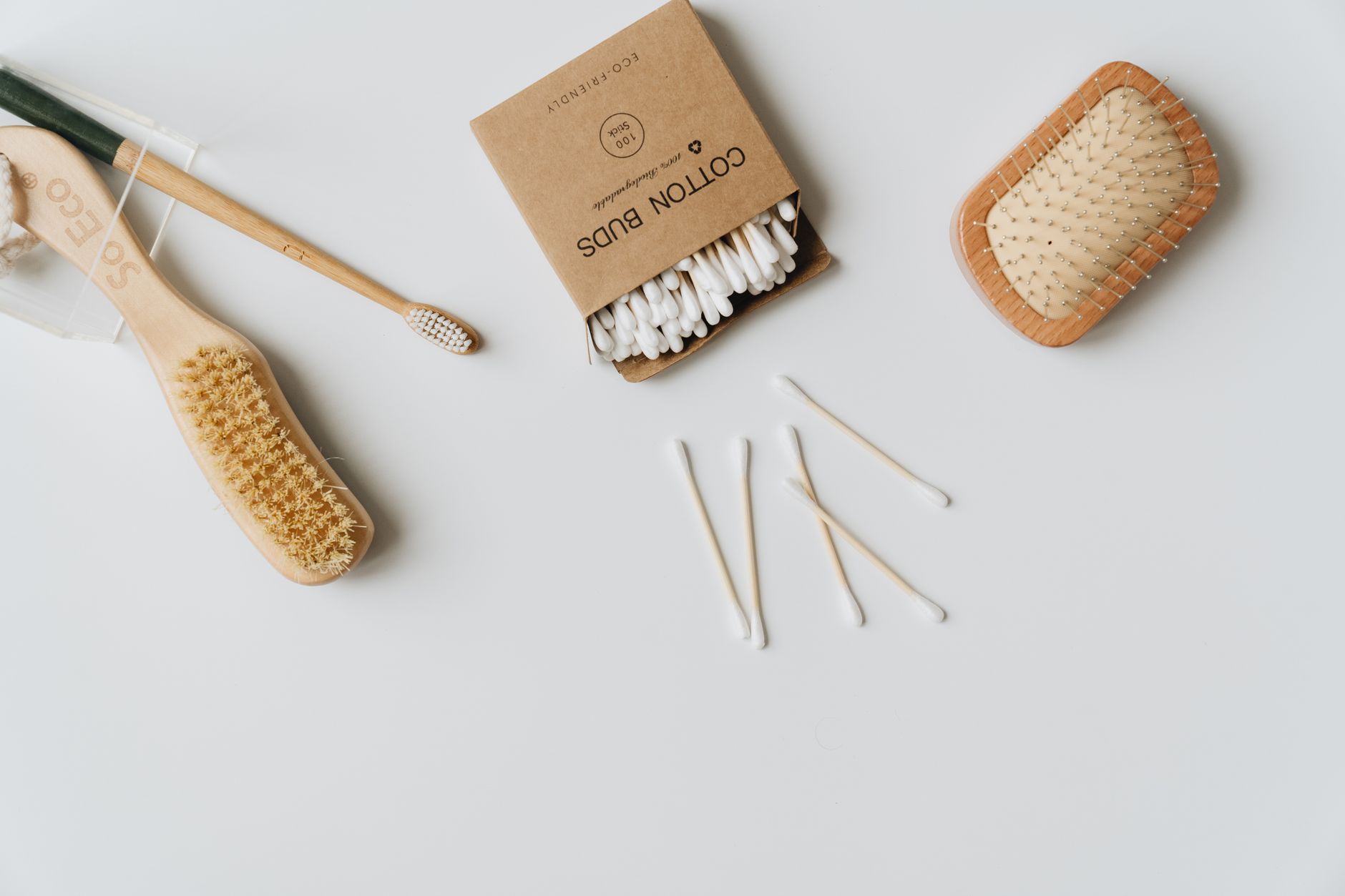
Disposable cotton rounds seem harmless, but they add up quickly. Most are bleached and packaged in plastic. Reusable cotton or bamboo rounds can be washed and reused hundreds of times.
How to use them:
- Apply toner or micellar water to the reusable pad.
- Gently swipe across your face.
- Rinse immediately or toss into a small laundry bag.
- Wash with your regular laundry once a week.
2. Swap Plastic Toothbrushes for Bamboo Toothbrushes
Bamboo toothbrushes break down much faster than plastic ones. The handle is compostable, and many brands now offer recyclable bristles.
Expert tip: Look for bamboo certified by the Forest Stewardship Council (FSC) to ensure sustainable harvesting.
3. Swap Liquid Shampoo for Solid Shampoo Bars
Shampoo bars are concentrated, waterless formulas that last longer than bottled shampoo. They typically come in paper or cardboard packaging.
How to use a shampoo bar:
- Wet your hair thoroughly.
- Rub the bar directly on your scalp or lather it in your hands.
- Massage into your scalp and rinse well.
- Store the bar in a dry dish to extend its life.
For best results, follow with an apple cider vinegar rinse or a lightweight conditioner bar.
4. Swap Body Wash in Plastic Bottles for Bar Soap
Bar soap has made a major comeback. Many artisan and natural brands offer moisturizing formulas with plant oils, shea butter, and essential oils.
Look for:
- Biodegradable ingredients
- Minimal or compostable packaging
- No palm oil, or sustainably sourced palm oil
5. Swap Single-Use Makeup Wipes for Cleansing Balms and Reusable Cloths
Makeup wipes are convenient but wasteful. They often contain preservatives and synthetic fibers that don’t biodegrade. A cleansing balm paired with a reusable microfiber cloth removes makeup thoroughly without the trash.
Step-by-step routine:
- Massage a pea-sized amount of cleansing balm onto dry skin.
- Focus on areas with heavy makeup.
- Wet a reusable cloth with warm water.
- Wipe away the balm and makeup in gentle circles.
- Rinse the cloth and hang it to dry.
6. Swap Plastic Packaging for Refillable Beauty Products
Many brands now offer refillable options for foundation, concealer, powder, lipstick, and skincare. You buy the container once and refill it as needed.
Benefits of refillables:
- Less packaging waste
- Often cheaper per use
- Encourages brand loyalty with sustainable practices
7. Swap Synthetic Fragrances for Natural Essential Oils
Synthetic fragrances can trigger headaches, allergies, and skin irritation. Natural scents from essential oils offer a cleaner alternative. Use them in DIY body oils, room sprays, or bath salts.
Eco Friendly Swaps by Beauty Category
| Category | Conventional Product | Eco-Friendly Swap | Why It Helps |
|---|---|---|---|
| Skincare | Disposable cotton pads | Reusable bamboo/cotton rounds | Cuts daily waste |
| Hair care | Bottled shampoo | Solid shampoo bar | Eliminates plastic bottles |
| Oral care | Plastic toothbrush | Bamboo toothbrush | Biodegradable handle |
| Makeup | Single-use wipes | Cleansing balm + cloth | Reduces landfill waste |
| Body care | Plastic body wash | Bar soap | Minimal packaging |
| Fragrance | Synthetic perfume | Essential oil blends | Fewer irritants |
| Tools | Plastic razors | Safety razor | Long-lasting, recyclable |
Step-by-Step: Building Your Greener Beauty Routine
Follow this simple plan to transition without stress.
Step 1: Audit Your Current Products
Gather everything you use in a typical week. Note:
- What comes in plastic?
- What do you throw away after one use?
- Which products contain ingredients you can’t pronounce?
Step 2: Use What You Have First
The most sustainable choice is using what you already own. Don’t toss half-full bottles just to buy green alternatives. Finish them, then replace with better options.
Step 3: Choose One Swap at a Time
Pick the easiest change first. For many people, that’s reusable cotton rounds or a shampoo bar. Once that habit sticks, move to the next swap.
Step 4: Research Brands and Ingredients
Look for certifications like:
- Leaping Bunny – cruelty-free
- USDA Organic – organic ingredients
- B Corp – ethical business practices
- FSC – sustainably sourced paper/bamboo
Step 5: Simplify Your Routine
A greener routine often means fewer products. Focus on multi-use items like a tinted moisturizer with SPF, a lip-and-cheek tint, or a cleansing balm that removes makeup and cleanses.
For more ways to simplify, read our guide on beauty tips without makeup.
Common Mistakes to Avoid
Switching to green beauty is exciting, but a few missteps can derail your progress.
1. Throwing Everything Away at Once
This creates more waste, not less. Use up existing products before buying replacements.
2. Assuming “Natural” Always Means Better
Natural ingredients can still cause irritation. Poison ivy is natural, after all. Patch-test new products and check for allergens.
3. Ignoring Packaging
A product can be organic but still come in excessive plastic. Look at the full lifecycle, not just the ingredient list.
4. Buying Too Many New Products
Minimalism is part of sustainability. Avoid the temptation to replace every item immediately.
5. Forgetting to Care for Reusable Items
Reusable tools need proper cleaning. Dirty cloth pads or makeup brushes can harbor bacteria and cause breakouts.
Product and Ingredient Recommendations
Ingredients to Look For
- Shea butter – deeply moisturizing, plant-based
- Coconut oil – multi-use for skin and hair
- Jojoba oil – closely mimics skin’s natural sebum
- Aloe vera – soothing and hydrating
- Bamboo powder – gentle physical exfoliant
Ingredients to Limit or Avoid
- Microbeads – plastic particles banned in many countries but still found in some products
- Parabens – preservatives with potential hormone-disrupting effects
- Synthetic fragrances – common irritants
- Sulfates – harsh cleansers that strip natural oils
For natural hair care, explore our article on coconut oil hair treatment.
Eco Friendly Beauty on a Budget
You don’t need expensive products to go green. Some of the best swaps cost very little.
- DIY face masks using honey, oatmeal, and yogurt
- Reusable cotton rounds that pay for themselves in months
- Bamboo toothbrushes priced similarly to plastic ones
- Bar soap often cheaper per ounce than body wash
- Homemade dry shampoo using cornstarch or arrowroot powder
For glowing skin the natural way, try these beauty tips for face at home.
- Buy concentrated formulas. They last longer and use less packaging.
- Choose glass or metal packaging. These materials are more easily recycled than plastic.
- Support local makers. Handmade soaps and skincare often have lower transportation emissions.
- Make your own when possible. Simple DIY scrubs, masks, and hair rinses reduce packaging and cost.
- Recycle correctly. Check local guidelines. Not all beauty packaging is curbside recyclable.
- Air dry your hair. It saves energy and reduces heat damage. For healthy hair ideas, see how to repair damaged hair.
Conclusion
Eco friendly beauty swaps are one of the simplest ways to make your daily routine more sustainable. You don’t need to be perfect or purchase everything at once. Start with one or two swaps, use what you already have, and build from there.
Over time, these small changes reduce waste, save money, and often leave your skin and hair healthier. The planet-and your bathroom cabinet-will thank you.
Loved these tips? Share this article with a friend who’s trying to go green, and explore more of our 10 beauty tips for women for everyday glow-ups that feel good and do good.
Frequently Asked Questions
References
Last updated
This article is for informational purposes only and does not constitute medical advice. Consult a licensed dermatologist or healthcare provider before starting any new treatment.
Beauty & Hair Care Editor
Ilma is a beauty editor who specializes in breaking down cosmetic ingredients, skincare routines, and hair care practices. Her work focuses on evidence-based guidance readers can trust and apply.
Comments (0)
Be the first to comment.
Related Articles

Rosehip Oil Benefits for Face and How to Use It
Rosehip oil benefits for face include deep hydration, natural brightening, scar softening, and anti-aging support. Learn how to use it safely in your routine.
Bakuchiol: A Gentle Retinol Alternative
Discover why bakuchiol vs retinol is the debate every sensitive skin type needs to read. Learn benefits, routines, and how to switch safely.
How to Start a Clean Beauty Routine
Learn how to start a clean beauty routine with simple steps, clean ingredient swaps, and expert tips for healthier, glowing skin without the overwhelm.

Homemade Body Butter Recipe: A Complete DIY Guide
Learn the best homemade body butter recipe with shea, cocoa, and mango butter. Get step-by-step instructions, expert tips, ingredient comparisons, and FAQs.